
Primary Domain
Network Infrastructure Operator
Within the Primary Domain facet, Network Infrastructure Operator intelligence groups reporting by primary domain so readers can follow a focused area of internet infrastructure, governance, connectivity markets, or digital capital. The page brings together related articles, public evidence, institutions, companies, people, regional exposure, operating dependencies, and market context that may otherwise sit across separate category pages. It explains the domain, the likely actor class, the market or governance context, and the source material readers should use when comparing signals. Operators, analysts, and governance readers can see how the same domain appears across events, profiles, market shifts, public-source evidence, regional dependencies, and longer-cycle infrastructure decisions over time.

Europe and Middle East Cloud Services
A Price List Built on Peering It Cannot Show: Auditing almazcloud.network's Commercial Catalog Against AS210328's Measured Footprint
The operator behind the DIAMOND brand sells direct physical connections to some of the largest networks in Russia. Its own routing record lists no peers at all.

Europe and Middle East Institutional
Allianz Technology's Network Estate: Steady State for Some, Retrenchment for Others
The global SD-WAN programme that Allianz Technology SE announced in 2022 no longer appears in public records as a buildout. What the 2025–2026 record shows instead is an insourced service running in a steady operating rhythm inside Allianz Services, an unresolved datacenter count…

Latin America and Caribbean Cloud Services
AI Brazil's Ledger Keeps Growing While the Network Behind the Name Still Answers With One /22
AI Brazil's Ledger Keeps Growing While the Network Behind the Name Still Answers With One /22 intelligence summary explains the development, the public evidence available to readers, the organisations involved, the regional context, market exposure, and the infrastructure…

Global Regional ISP
Who Runs AS17494? A Bangladeshi Telecom Giant Hiding Behind a Registry Description Line
Who Runs AS17494? A Bangladeshi Telecom Giant Hiding Behind a Registry Description Line intelligence summary explains the development, the public evidence available to readers, the organisations involved, the regional context, market exposure, and the infrastructure consequences…
Europe and Middle East Regional ISP
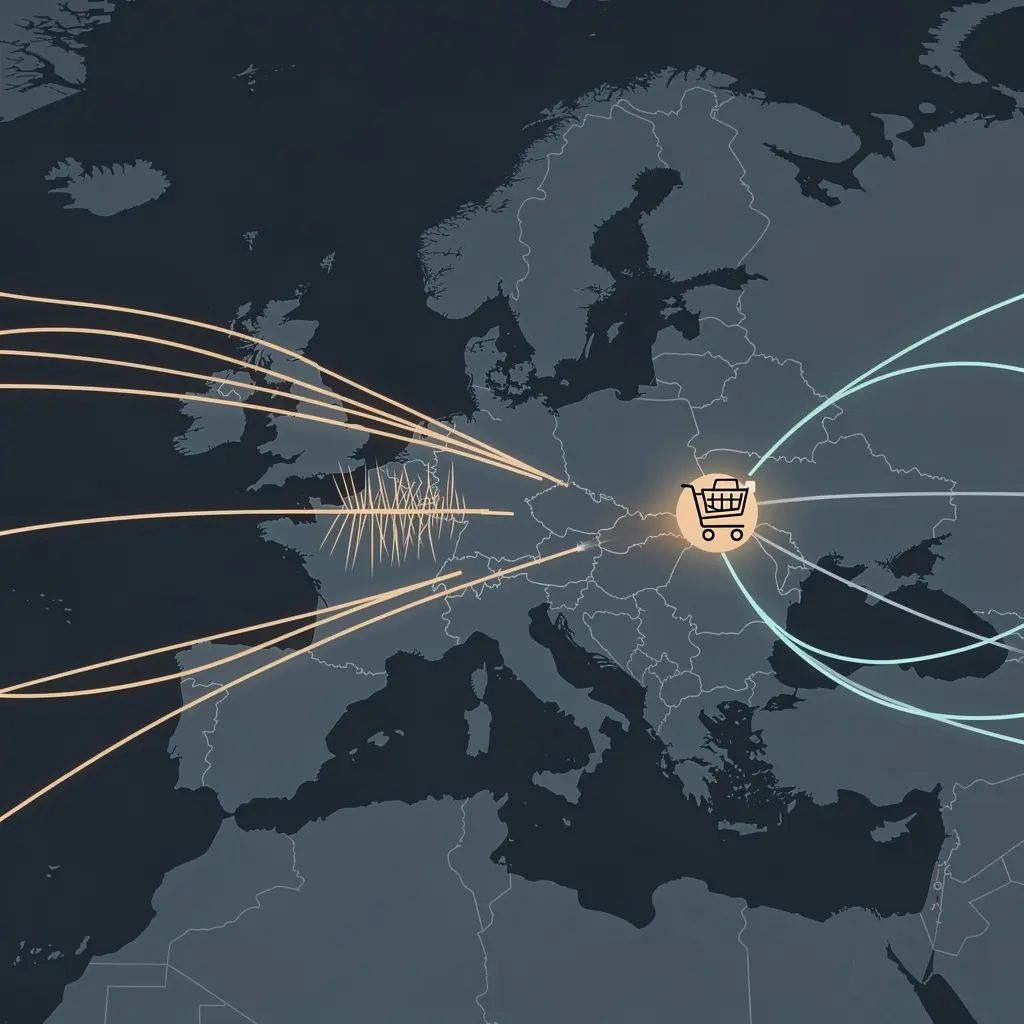
DFINFRA and AS210860: who answers when a registry contact's network goes silent
DFINFRA and AS210860: who answers when a registry contact's network goes silent intelligence summary explains the development, the public evidence available to readers, the organisations involved, the regional context, market exposure, and the infrastructure consequences that may…

Europe and Middle East Regional ISP
The Name on the Network: What a RIPE Role Object Does and Does Not Say About ER-Telecom's Ufa Branch
The Name on the Network: What a RIPE Role Entity Does and Does Not Say About ER-Telecom's Ufa Branch intelligence summary explains the development, the public evidence available to readers, the organisations involved, the regional context, market exposure, and the infrastructure…

Europe and Middle East National Telecom
Openreach's copper retirement: who verifies that a migrated alarm still calls for help
Britain's analogue phone network is being retired on a published schedule, and the written protection regime for the people who depend on it — telecare users, lift lines, fire and security alarms — has been assembled by government, the regulator and the industry. What the public…

Africa National Telecom
Libya's self-declared gateway operator does not appear in the measured record of the country's 2025 shutdown
The Libyan International Telecommunication Company presents itself as Libya's single international gateway. The independent measurement of 16 May 2025 names four Libyan access networks — none of them the gateway, and one of them under a name that matches no corporate identity the…

Europe and Middle East National Telecom
ER-Telecom's registry record has consolidated; its network names have not
One RIPE organisation entity is recorded as the holder of autonomous systems whose as-names still carry the corporate identities of separately founded regional operators. That is a registry fact with a bounded meaning, and the boundary is the story.
North America National Telecom
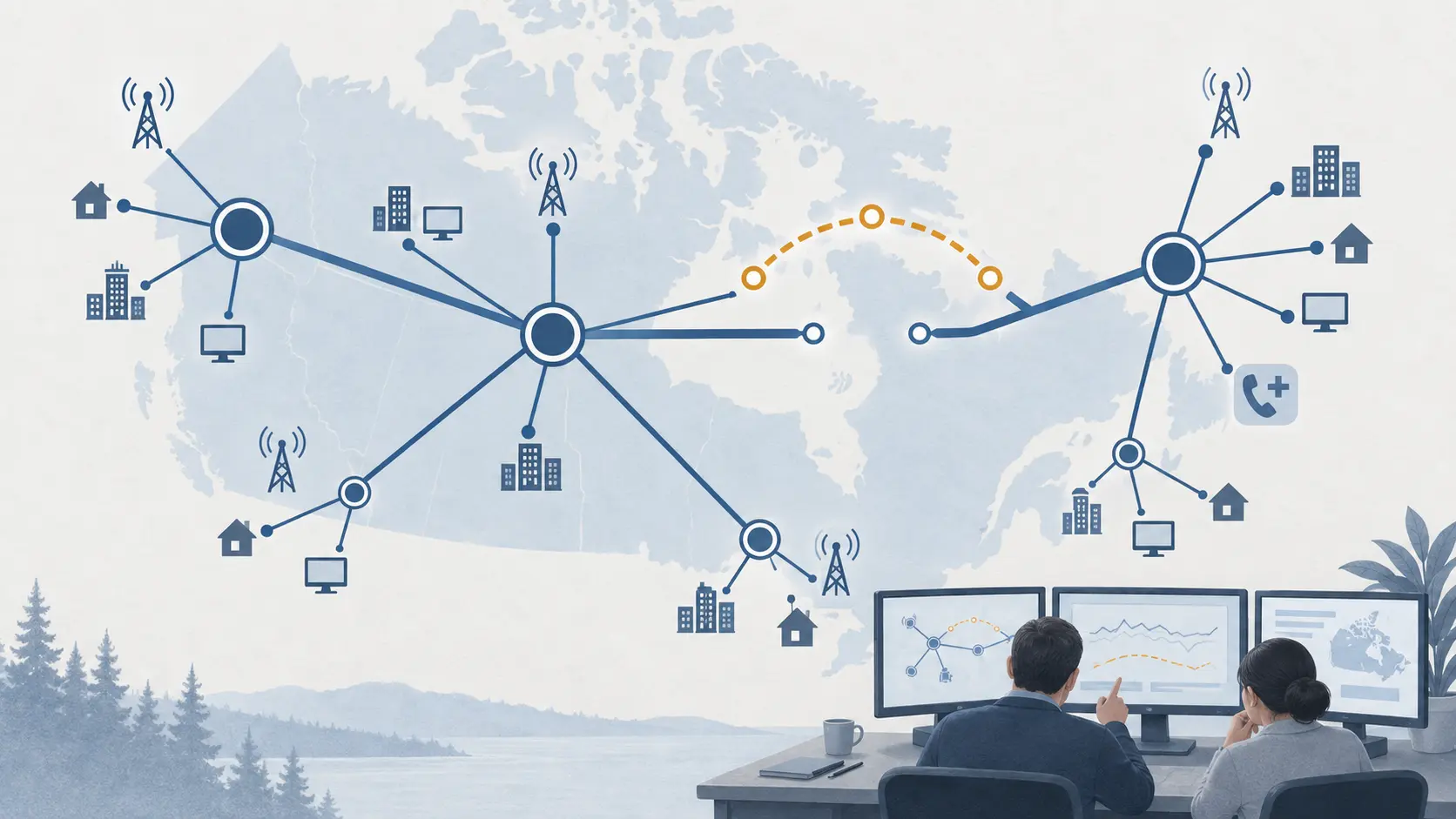
Rogers’ 8 July Outage: What the Public Record Can—and Cannot—Prove
Rogers’ 8 July 2022 outage is a useful resilience test precisely because the public record is uneven: it records a regulator’s investigation notice and Rogers’s reported explanation and response, but does not, in the preserved sources, independently establish the failure chain or…