Summary
- PICS standardized how rating labels could travel between services and filtering software. It did not supply a rating vocabulary or decide which label a family should obey.
- That split became visible in 1997: the Supreme Court invalidated two CDA provisions, while a separate opinion named PICS and described user-side filtering as immature and rarely used.
Which rating should a browser obey? In 1995, filters already existed. The trouble was that one company’s software could not read a rival’s labels. Families could buy a gate for the Web, but each gate came with its own idea of what counted as a warning.
Representatives from 23 companies and organizations met under the World Wide Web Consortium’s auspices in August 1995 to discuss content labels and selection software. Their answer was a technical agreement with a deliberately narrow job. PICS—the Platform for Internet Content Selection—would make labels and filters work together. It would leave the meaning of a rating to the service that created it. W3C’s account of the project says the first specification drafts appeared in November 1995.
A shared envelope, several people holding the pen
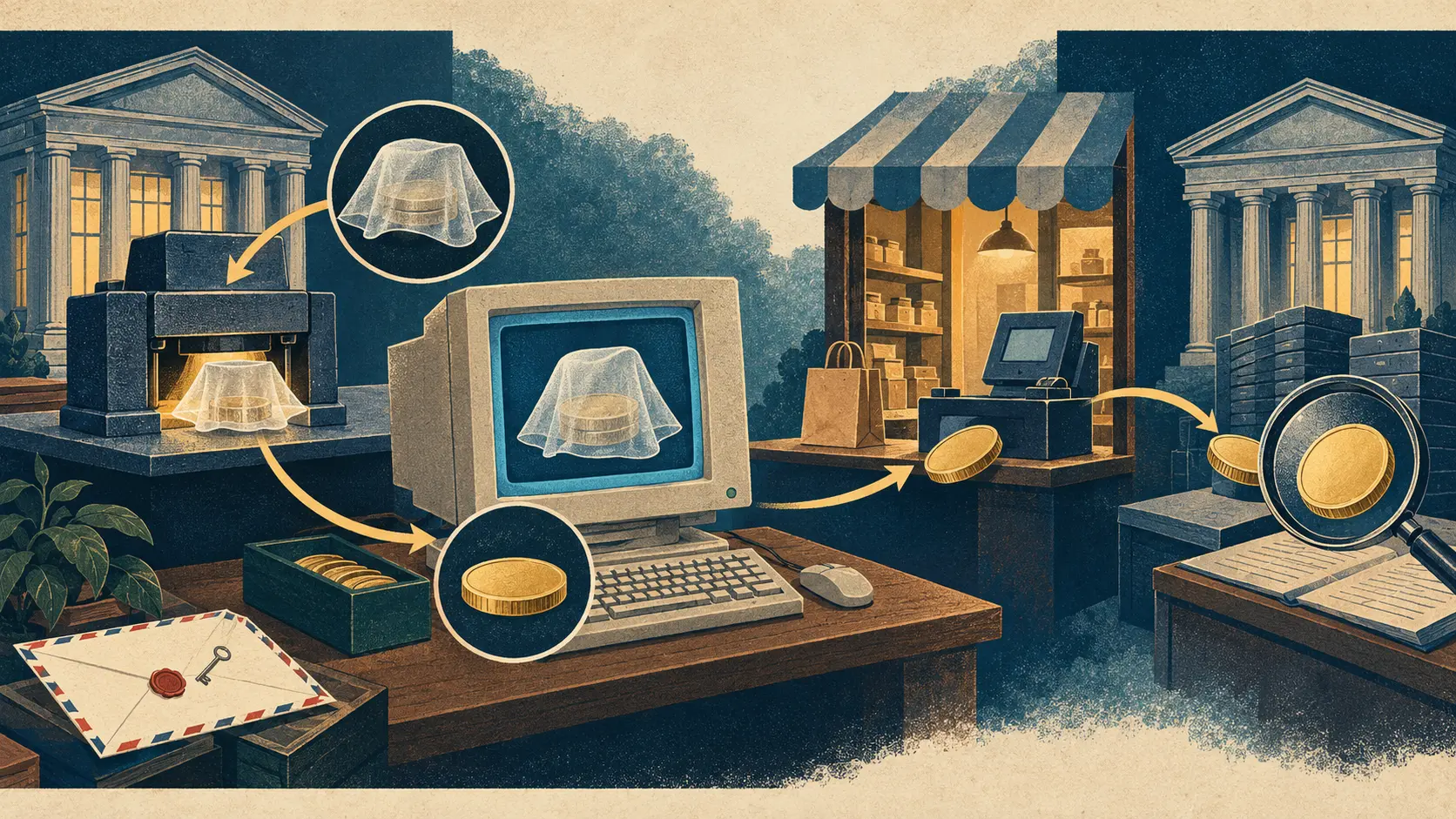
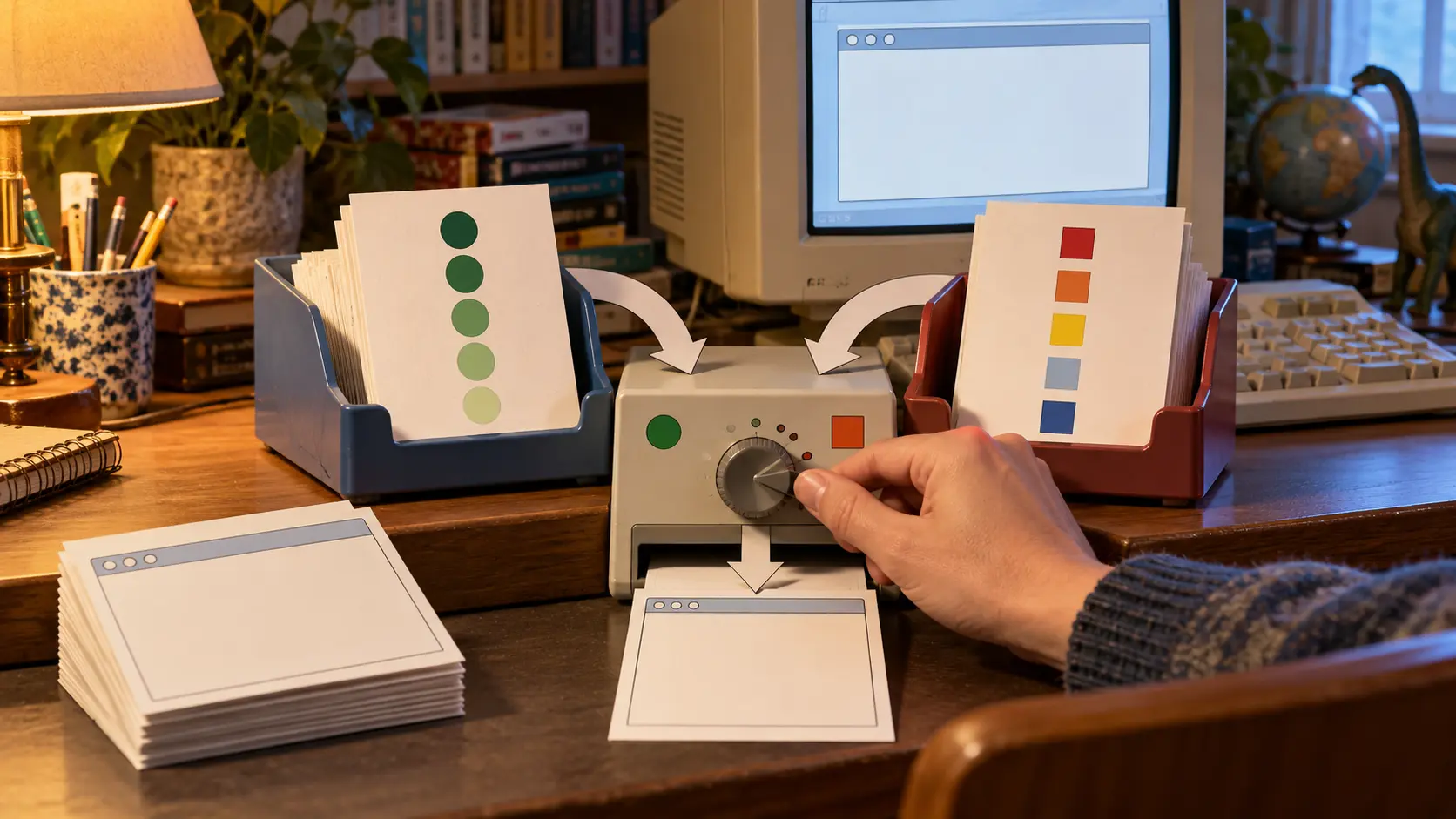
PICS separated the filtering program from the label. A compatible program could read labels produced for another compatible service. A publisher could rate its own pages; an independent service could rate someone else’s. The same page could carry several ratings from organizations that disagreed about what mattered.
The protocol gave each label a source and a target. A label could identify the rating service, the URL being rated, its author and dates for creation or expiry. Its values could describe several dimensions rather than stamp a page simply “allowed” or “blocked.” The separate PICS description of rating services let a service explain its categories and scales in a form software could read.
Labels had three routes to the browser. A publisher could embed one in an HTML page. A web server could return one in an HTTP header. A separate label bureau could answer a request for a rating of a page hosted somewhere else. That last route mattered for third-party services: a rating organization could label a site without asking its publisher to attach the label.
PICS supplied none of the rating services or filtering programs. It standardized the handoff. Parents and other supervisors chose which services to trust, the maximum values to accept on each rating dimension and what to do when a page had no label. The label-distribution Recommendation dated 31 October 1996 defined the format and delivery paths. A W3C announcement on 3 December called the specifications ready for broad adoption and listed products and services then available or planned; that was the consortium’s launch account, not a census of families using filters. W3C’s announcement
The courtroom wanted a tag people could actually use
On 26 June 1997, the Supreme Court struck down the Communications Decency Act’s challenged indecent-transmission and patently-offensive-display provisions under the First Amendment. The majority considered the government’s argument that publishers could tag material so recipients could block it. The record said the required screening software did not then exist; even if it did, a publisher could not know whether a recipient had blocked the tag. The official U.S. Reports opinion
Justice Sandra Day O’Connor’s separate opinion named PICS as a project intended to help users screen content. She also described user-based zoning as still immature: recognized codes, readable software, wide availability and actual use all had to arrive together. That was a different layer of the problem from the one PICS had standardized. PICS had a label format. It did not impose one shared scale or put a compatible filter on every desk.
A label could travel farther than its reasons
In June 1998, PICS participants and other signatories published “Using PICS Well.” The document says PICS tools and rating services had reached products. It also set out a list of practices its signatories wanted: disclose how a service makes ratings, let a publisher inspect a third-party label and request a correction when it conflicts with the service’s stated criteria, and tell users what rule caused a page to be blocked.
The note expressly had no official W3C standing. Its advice still points to the awkward part of the design. A portable label can carry a judgment without carrying a convincing reason. The signatories’ 1998 statement treated disclosure, correction and user control as work that the label syntax could not perform by itself.
W3C’s publication history marks the PICS 1.1 label-distribution Recommendation retired on 24 November 2009. The record gives the status and date, not the reason. PICS’s institutional bargain is clearer: let many organizations rate, let many programs read those ratings, then let each user decide which source and threshold govern a screen. The shared format moved judgments across software. It never settled who deserved to make them.
Member Briefing
Deeper Profile Context
Sign in with the right membership level to unlock the full briefing and source notes.
Only for Strategic Circle
Strategic Circle
Open to all readers. Unlock profile briefings after joining and signing in.
Join Strategic CircleOnly for Leadership Alliance
Leadership Alliance
For qualified IP-asset owners and management; sign in to unlock alliance briefings.
Join Leadership Alliance