Summary
- Open Food Facts initially placed each product in one language subsite. In early 2014 it reorganised around countries, allowing a product to appear in several places.
- Volunteers supplied the missing local stock. A December 2014 account described the UK collection growing from 200 to 1,200 products in three months, including goods photographed by contributors in Paris shops.
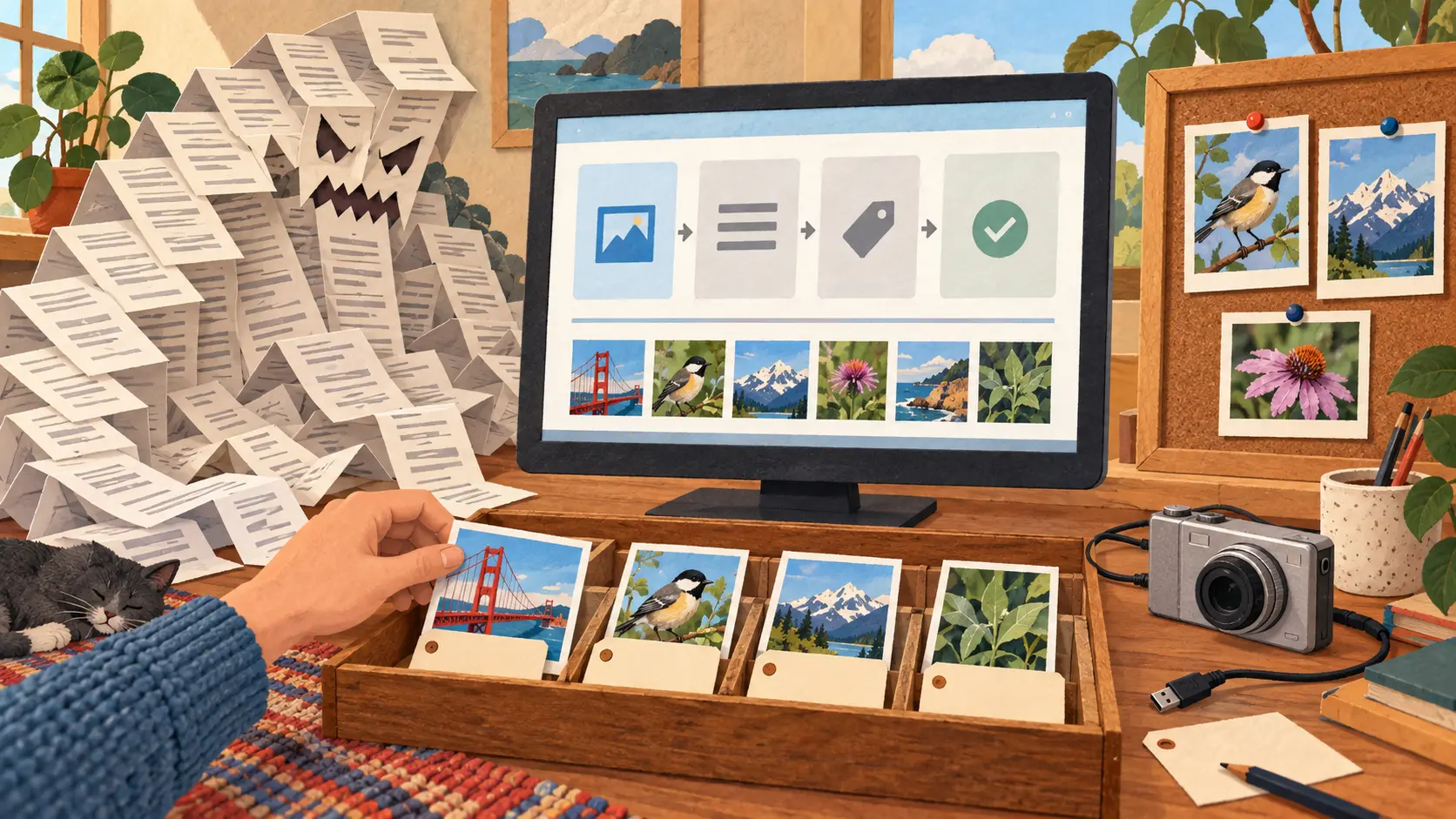
A food wrapper could carry twelve languages. The database gave it one. Open Food Facts' early arrangement assigned every product a main language and a single language subsite, an inconvenience with the tidy appearance of a filing system. The packaging was ready for an international career. Its online record still needed permission to leave the language drawer.
The project's June 2015 activity report described the consequences. Products from Quebec, Belgium, Switzerland, Algeria and Morocco sat alongside French products. An item's language supplied its address, even when that address was a poor answer to the shopper's question: what can I find here?
A world-sized name, a local shopping list
The imbalance was visible early. In February 2013, nine months after the public launch, Open Food Facts reported more than 5,000 products and 300 contributors. The site existed in ten languages, with translations at different stages. It had 4,500 product entries in French. The project asked for help adding enough local goods to make useful applications possible, as well as translating its pages and apps.
That request gave volunteers two distinct jobs. Someone had to make the instructions intelligible. Someone also had to point a camera at the products on a nearby shelf. A polished welcome page could do only the first job.
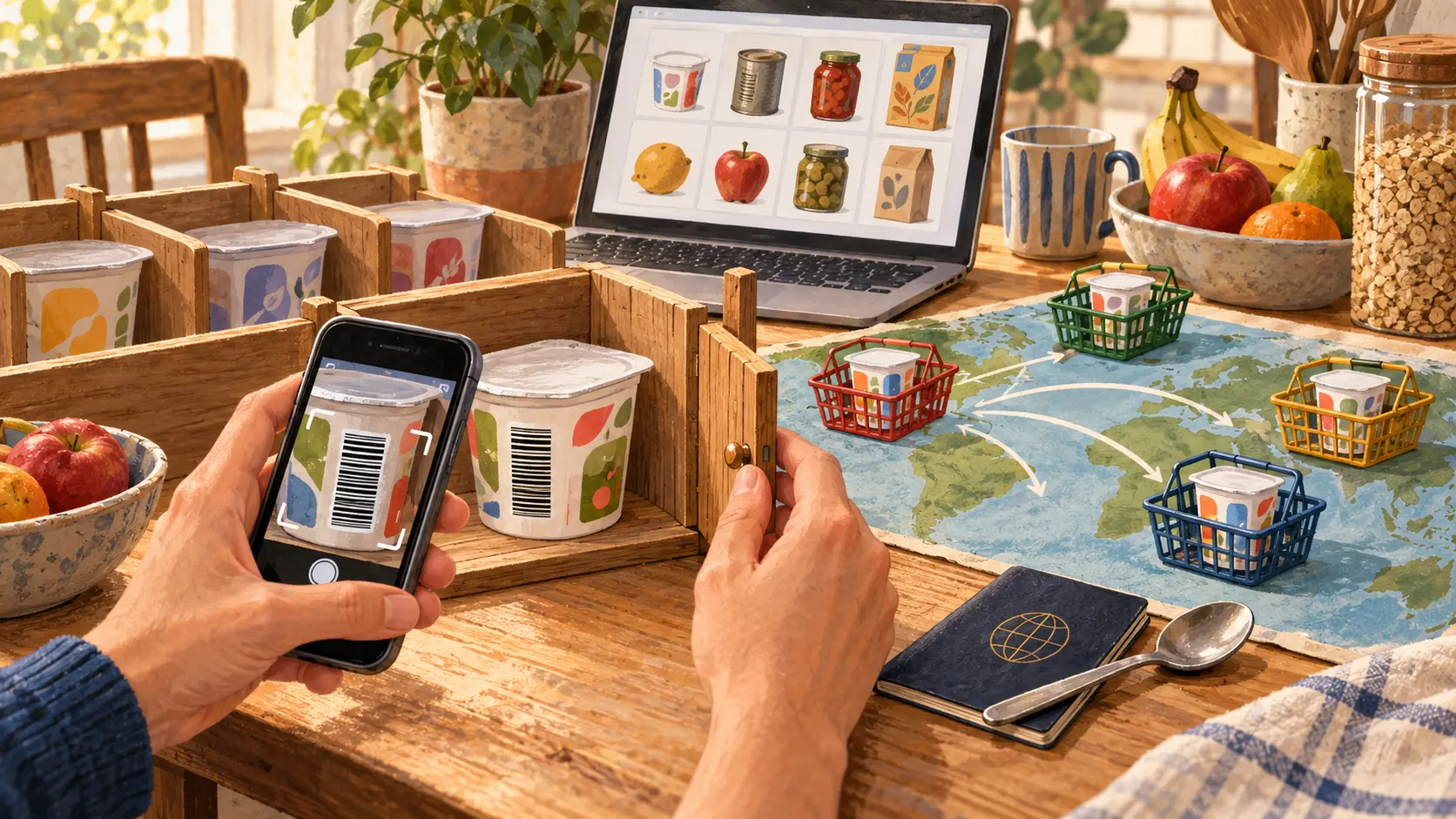
At the beginning of 2014, the project changed its organisation. Country subsites replaced the language partition; multilingual countries could have language subdivisions. A product could appear in several countries, and a worldwide view gathered the collection together. Shared multilingual categories followed. The activity report's example connected French and English strawberry yogurts to one another, and to the broader yogurt and dairy categories. The yogurt finally had some freedom of movement.
The British collection went shopping in Paris
The practical work was wonderfully unglamorous. Preparing for the UK's Food Open Data Challenge, contributors faced a collection of only 200 UK products in mid-August 2014, against 20,000 products overall. They contacted people in Britain and took thousands of product photographs in UK shops. French contributors also added goods from M&S stores in Paris.
Three months later, the UK collection had 1,200 products, according to the project's December account. The people building demonstrations now had more local material to work with. The report still called for a stronger community of contributors and data users. A burst of photographs needed successors who would keep turning shopping into maintenance.
In March 2015, Open Food Facts reported 35,000 products across 112 countries and territories, while explicitly seeking deeper collections in individual countries. Its Open Food Hunt campaign, launched that February, aimed to build local communities. By July, a new Scan Party site was showing contributors at work and helping organise scanning gatherings.
There is a pleasing modesty to that final image. A global database's expansion can involve a person, a phone and the back of a packet. The classification decides where that work becomes visible. The next useful shelf still needs somebody to photograph it.
Original records
Member Briefing
Deeper Profile Context
Sign in with the right membership level to unlock the full briefing and source notes.
Only for Strategic Circle
Strategic Circle
Open to all readers. Unlock profile briefings after joining and signing in.
Join Strategic CircleOnly for Leadership Alliance
Leadership Alliance
For qualified IP-asset owners and management; sign in to unlock alliance briefings.
Join Leadership Alliance