
Policy continuity, legitimacy, and accountability signals across internet governance institutions.
Governance
Governance
Internet governance intelligence tracks institutions, policy processes, standards activity, registry operations, accountability disputes, and implementation signals that affect internet infrastructure. BTW.
RIR WatchdogCase FileNumber Resource SocietyICANNIETFHistory of InternetNOGs

RIR Watchdog, Case File, NRS, ICANN, IETF, History of Internet, and NOG sessions.
Coverage prioritizes implementation evidence and institutional behavior over declarative positions.
Latest Coverage
Latest from Governance
7,448 articles

History
The 32 Kbps Link That Challenged Kenya’s Telecom Monopoly
Kenyan organisations had exchanged email for years, but those services were not yet the full Internet connection later histories describe. In October 1995, the African Regional Centre for Computing put a 32 Kbps leased link to the United Kingdom into service. The connection…

History
Two Links to Stockholm, One Missing at Home: Estonia’s 1992 Internet
A 64 kbps satellite link brought TCP/IP from Tallinn to Stockholm in 1992. A second link served Tartu. The striking part of the story is what did not yet connect the two Estonian cities.
History
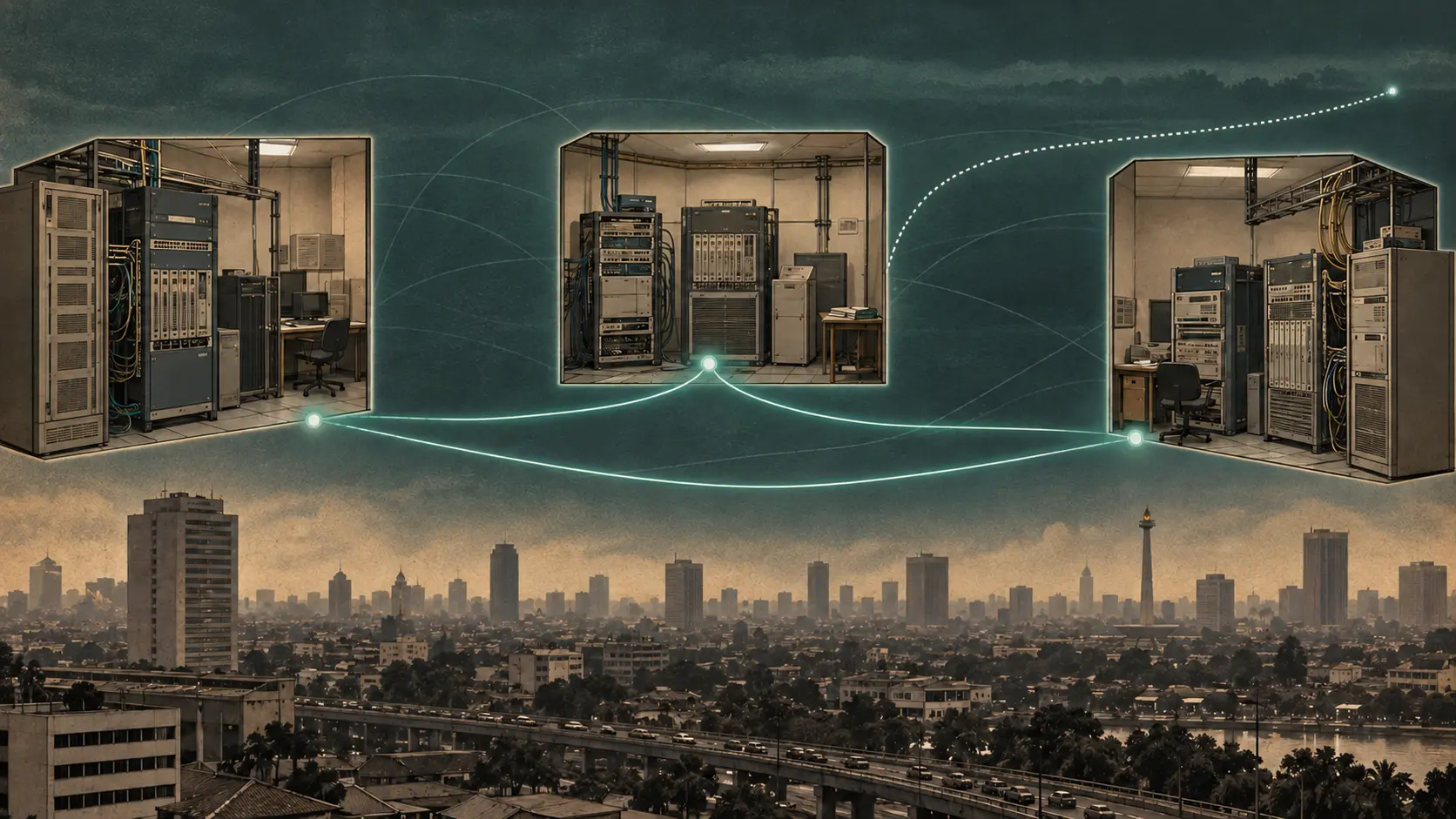
Local Traffic Had to Cross Borders: Indonesia’s 1997 Internet Exchange
In 1997, Indonesian network operators faced an odd routing fact: a message between two users in the same country could depend on international links. APJII’s answer was not one national backbone, but a federation of three carrier-hosted exchange sites where providers could meet…

History
35 of 124 Municipalities: Buenos Aires Rebuilt Government Links with TCP/IP
A provincial decree made one satellite message service the official route for government communications. The project team’s later account shows how narrow that route was, and how a new IP network grew over the carrier links already in place.

Story
ARIN’s Whois Snapshot Counts Query Types, Not the Organizations Behind Them
ARIN says 79% of Whois queries in a seven-day sample concerned IP addresses, while every one of the period’s ten most active queriers came from AWS addresses. The mix describes requests; it does not identify the organizations whose workflows may depend on them.

History
The Traffic Meter Was Not the Bill: EARN’s 1990 Funding Vote
In 1989, EARN tested whether countries should contribute according to network traffic. The Board approved a 1990 budget, then sent the traffic formula back for more work.
History
85 Cities, More Than $8 Million in Losses: Telenet’s 1977 Network Bet
When Telenet went to public investors in December 1977, the reported 85-city footprint sounded like national scale: local access was said to be possible for about 80% of the US population. The same account reported more than $8 million in accumulated losses. The gap between reach…

History
One Link for Two Universities, One Bill at First: Mexico’s 1989 NSFNET Connection
A shared satellite channel joined UNAM and ITESM to a US research network. Its agreement spread equipment duties, but the first bill landed with one university.

Story
APNIC begins reviewing its own IPv4 data as NIR checks advance
APNIC’s Q3 update places its own registry analysis inside a review that is moving from initial data work toward checks with national registries. It gives a timetable, but no findings.

CASE FILE
EU Standards Access Plan Shifts the Funding Burden
The European Commission wants standards referenced in EU law to be freely accessible online. Its impact assessment puts business savings near EUR 30 million a year and possible revenue losses for national standards bodies at up to the same amount.

History
The Call to Amsterdam: How EUnet Carried Europe’s Mail and Usenet
For one Belgian university department, the nearest European Usenet host was in Amsterdam, but the estimated international telephone bill kept the department offline. EUnet’s early history is easiest to see from that distance: a shared network depended on local links that…

History
The Index File Was an Exit Plan: ALIWEB’s Web Search Experiment, 1993–94
ALIWEB let each Web server describe selected resources in a small index file, then gathered those files into one searchable database. Its more durable bet was that the descriptions could move to a better system if the central service stopped being useful.

Story
APNIC makes no consensus call on an IP-abuse definition
Prop-172 would define technical abuse tied to Internet number resources, but APNIC 62 left it on the Policy SIG mailing list. The remaining question is who can assess a response when the resource holder and complainant disagree.

History
From KAIST to the NCA: KRNIC’s Move and Independence
Korea’s early Internet registry changed institutional homes before it became an independent foundation. A September 1994 meeting record captures the handoff in one line—and in a changed nameserver address.

History
VSNL’s 1995 Internet Gateway Still Needed India’s Local Telephone Network
The gateway connected India’s commercial Internet service to the world. Reaching a customer still required a domestic path: a telephone line, a leased circuit, or the public data network that carried traffic onward to a service node.

History
MFS Bought UUNET to Bring Internet Access onto City Fiber
When MFS bought UUNET in 1996, the complement was more than a second Internet company: UUNET reportedly spent heavily to reach customers over local telephone lines, while MFS was building metropolitan fiber. The records show the logic and a later combined offer, but do not prove…

History
The Petition Was Not the Transfer: IANA’s 2000 .pn Report
Between 1997 and 2000, Pitcairn’s residents asked for a change in who managed .pn. IANA recommended redelegation; the U.S. Government later implemented the root-zone change.

History
A 25-Year Capacity Right Still Needed Maintenance: KPNQwest’s 2002 Bankruptcy
When KPN Telecom asked KPNQwest’s bankruptcy trustees to keep its contracted capacity operational, it was asking a question more exact than “who owns the cable?” A 2004 Dutch judgment treated the right to use specified capacity as a continuing obligation, with operations and…

History
RARP Found the Address, Not the Configuration: RFC 903
A diskless workstation could wake knowing the number stamped on its network interface but not the Internet address needed to use IP. In 1984, RFC 903 gave it a narrow question for the local link: which protocol address had a server mapped to this hardware address?
Story
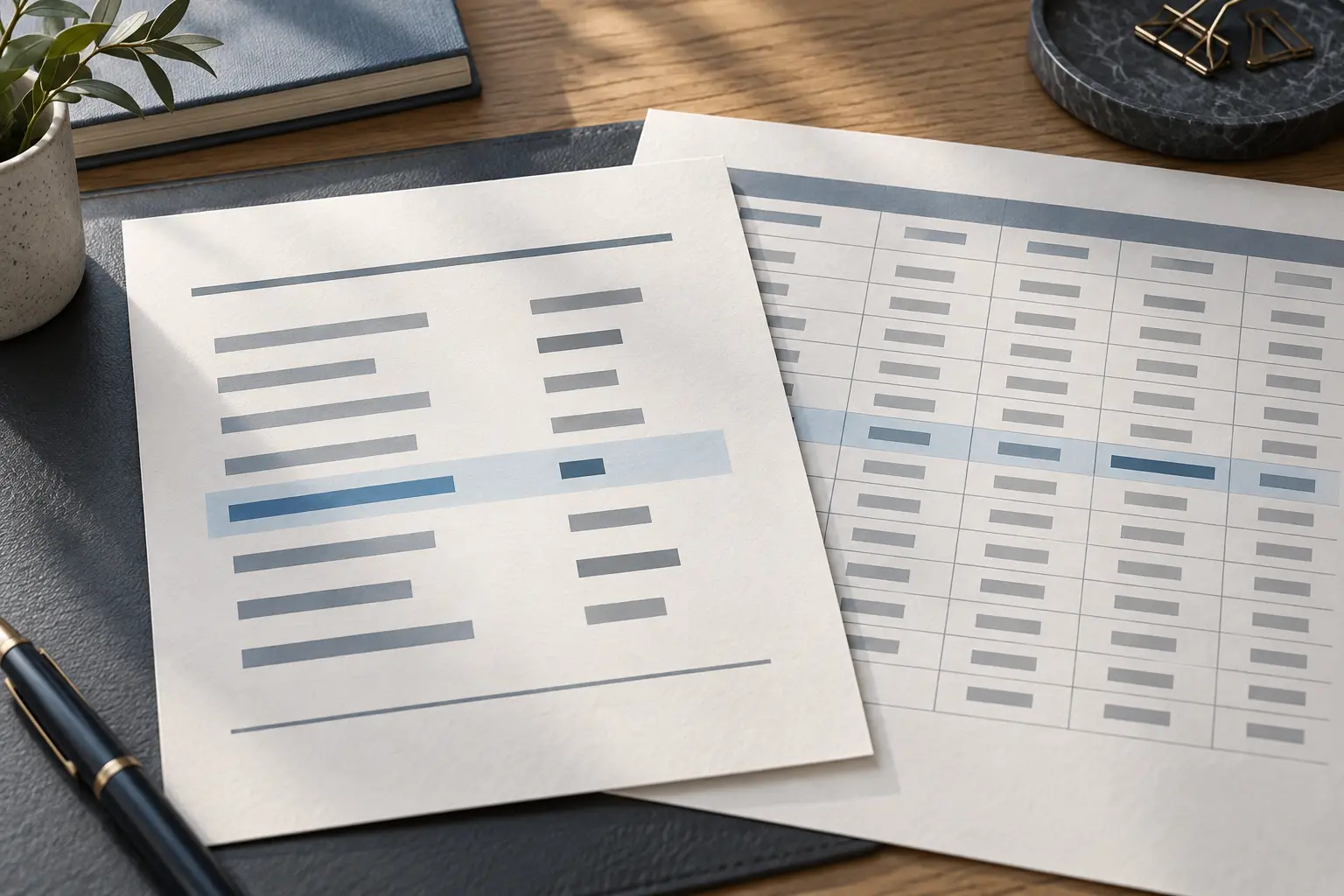
RIPE NCC’s 2027 Budget Table Says €2,209 per LIR. Its Notice Says €2,056
The 2027 draft calculates €2,209 in expenses for each LIR, up 7% from the 2026 budget. RIPE NCC’s announcement repeats the €2,056 baseline instead.
Session Map
Governance Branch
RIR Watchdog
Five regional sessions tracking allocation policy, board legitimacy, and institutional continuity.
Open RIR WatchdogCase File
Long-cycle governance dossiers with legal, election, and institutional stress analysis.
Open Case FileNumber Resource Society
Membership, charter, and resource-governance intelligence from the NRS ecosystem.
Open NRS SessionICANN
DNS coordination, accountability frameworks, and global multi-stakeholder process dynamics.
Open ICANN SessionIETF
Protocol standardization trajectory and interoperability risk under fragmented policy conditions.
Open IETF SessionHistory of Internet
Long-cycle infrastructure history used for governance interpretation and structural forecasting.
Open History SessionNOGs
Operator-level implementation intelligence from APRICOT plus regional and national NOG ecosystems.
Open NOGs Session