Summary
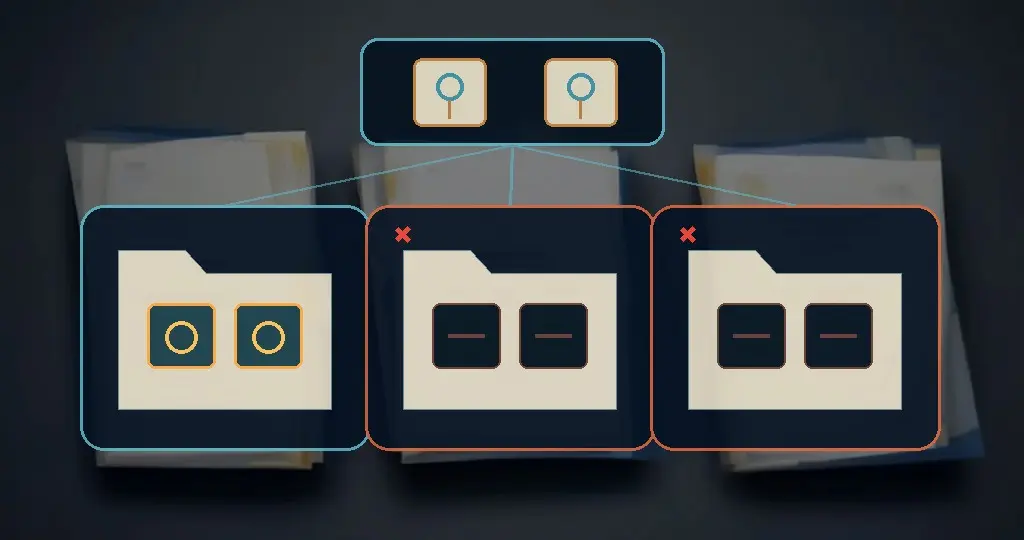
- LACNIC’s Spanish content object 4983 lists lacnic.tal and lacnic-as0.tal as attachments.
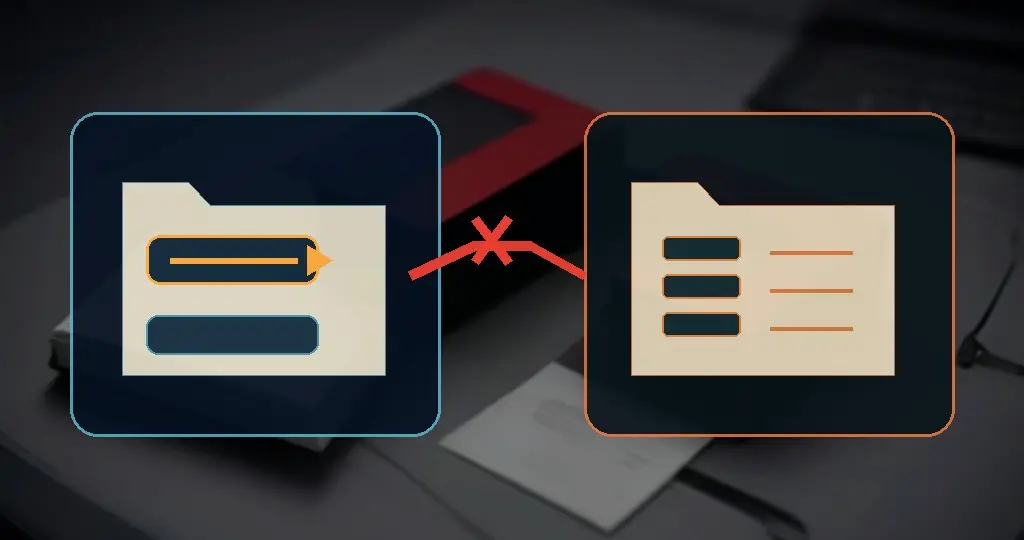
- The linked English object 4984 and Portuguese object 4985 both have empty
attachedUrlsarrays. - Both TAL files served normally when requested through the Spanish object’s paths. Inferred file paths under content IDs 4984 and 4985 returned HTTP 404.
- RFC 8635 defines the TAL as repository URI information and a public key used by Relying Party software to locate and authenticate an RPKI trust anchor.
One article, three attachment states
The Spanish record was published on 22 October 2020 under the title “Ancla de confianza de RPKI - TAL.” Its attachment array contains two paths. One points to the regular LACNIC TAL, the other to the AS0 TAL.
The record’s EN translation points to content ID 4984. That object carries the title “RPKI Trust Anchors - TAL,” the same publication date and no attachments. Its own translation list points back to Spanish 4983 and forward to Portuguese 4985.
Portuguese 4985 repeats the pattern. It has the localized title “Âncoras de confiança do RPKI - TAL,” the same publication date and an empty attachment array.
These are not stale page titles detached from current files. They are the current public content objects that LACNIC’s own translation graph links together. Two describe the documents. One publishes them.
A TAL is the validator’s first address
An RPKI validator needs a trust anchor before it can process signed objects from a repository. RFC 8635 gives the TAL a concrete job: carry repository URI information and the public key used to authenticate the trust anchor certificate.
The LACNIC lacnic.tal begins with an HTTPS RRDP URI and an rsync URI for rta-lacnic-rpki.cer, followed by the public key. The AS0 file points to separate AS0 certificate URIs and carries a different key.
The files are small because their role is narrow. They do not list every ROA and do not prove that a route is valid. They tell relying-party software where to fetch the trust material and how to authenticate it.
A correct TAL starts the chain; a missing public download path stops the reader before that chain begins.
The files work through the Spanish path
On 25 November, the Spanish-origin TAL returned HTTP 200 with 502 bytes and the AS0 TAL returned HTTP 200 with 518 bytes. Both had content-type: application/aux;charset=UTF-8 and allowed cross-origin access.
The English and Portuguese JSON objects supply no such paths. Following the obvious locale pattern does not recover them: /innovaportal/file/4984/1/lacnic.tal and /innovaportal/file/4985/1/lacnic.tal both return HTTP 404.
The 4983 path works.
The content objects do not propagate that path into the English and Portuguese attachments, and the IDs are not aliases for the same file resource.
A translated title is not a translated download surface
The content model separates translation identity from attached assets. A page can have a localized title, description and slug while its attachment list differs from another language.
That separation is useful when the files are locale-specific. It is dangerous when the assets are global. A TAL’s repository URI and public key do not change with the HTML language. Publishing two global TAL files should not depend on whether an operator arrived through the Spanish article.
The public source does not say why the arrays differ. No visible revision log labels the empty English and Portuguese attachments as intentional, inherited or broken.
The missing record is precise: which TAL attachment set is authoritative for all three language pages, and which content IDs should expose it.
The check belongs in every locale
A publication check should fetch the Spanish, English and Portuguese objects, compare attachment titles and byte hashes, request every advertised download, and reject a translation record whose global assets disappear. The check should bind content ID, language, TAL filename, SHA-256, repository URI and key fingerprint.
That receipt would not prove that every validator accepts the trust anchor or that the repository is healthy. It would prove the more basic point that the language page exposes the same public TAL bytes before anyone asks a validator to trust them.
LACNIC’s Spanish page currently carries the files. Its English and Portuguese pages describe them and leave two blank slots. For an RPKI trust anchor, a blank download slot is not a cosmetic translation issue.
Official sources: Spanish content object 4983; English content object 4984; Portuguese content object 4985; LACNIC TAL; LACNIC AS0 TAL; RFC 8635.
Member Briefing
Read the full trend briefing
Members read the full briefing with the source notes behind every finding.
Strategic Circle
A daily briefing in your language, built from changes we have verified.
Join for USD 20/monthCancel anytime.
Members also get the full research library, a daily briefing on the networks they follow and the private forum.