
Topic
Network-resource Evidence
Within the Topic facet, Network-resource Evidence topic intelligence connects articles that share a specific subject, signal focus, or monitoring theme. The page gives readers a richer path through related reporting, source evidence, market actors, and infrastructure implications, with enough context to understand why the topic matters across company movements, governance decisions, regional exposure, and operational risk. Readers can compare recurring signals, affected organisations, public evidence, market context, service continuity, procurement, competition, compliance, and strategic planning questions behind the subject instead of stopping at a thin list of matching articles. It explains what the topic covers, which infrastructure actors or policies are involved, what evidence supports the coverage, and why the subject may matter for operators, customers, investors, and policy readers.
History
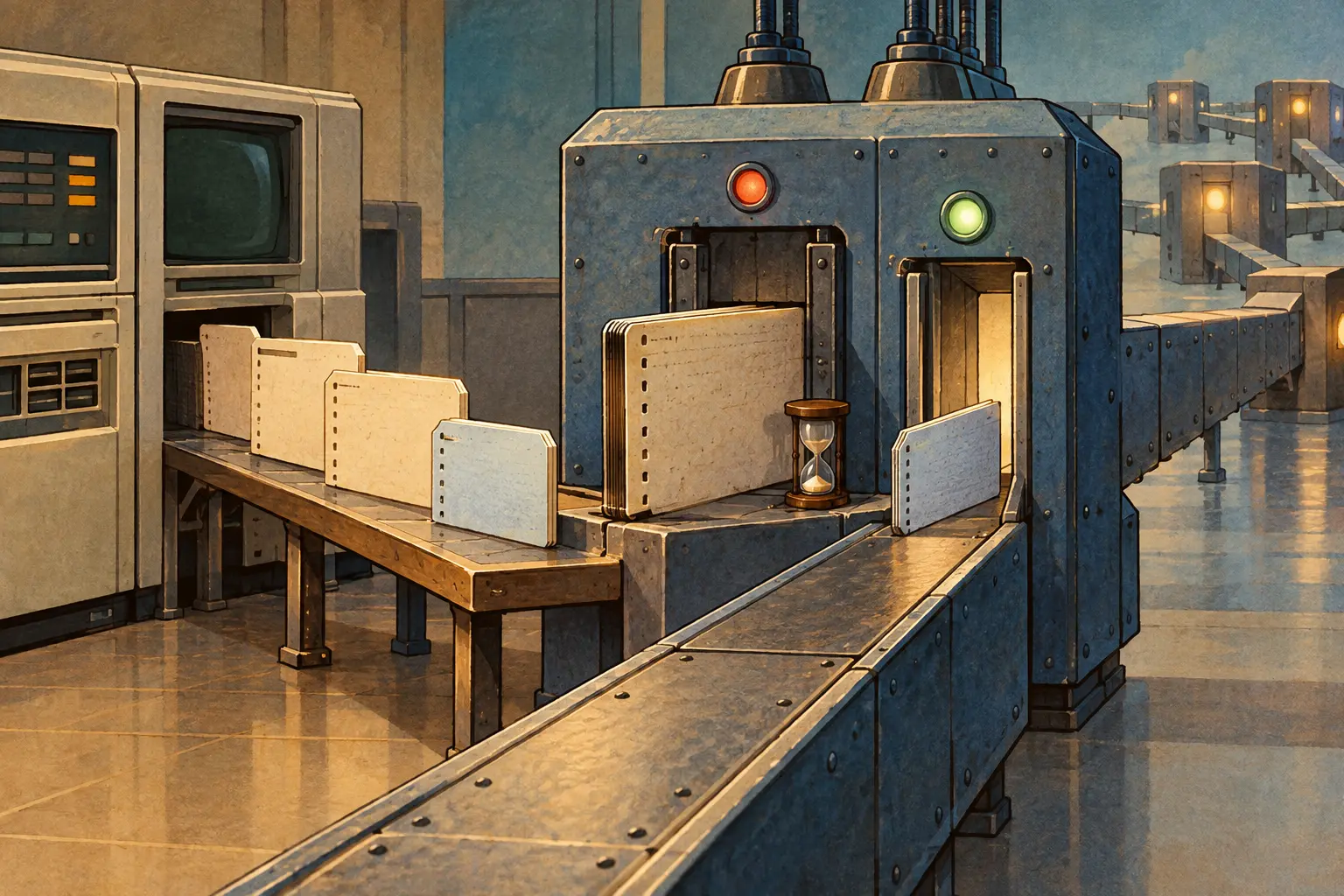
One Slow Message Held the Whole Host Hostage
The ARPANET could make a computer wait as long as fifteen seconds after offering one difficult message to its IMP. Every other message from that computer waited at the same closed window. In 1983, RFC 852 proposed a two-second exit—with a bill for the host's software to pay in…

ICANN
RootViz rang the L-Root alarm. The broken road had the story
For four days in January, thousands of measurement probes struggled to reach one root-server identity over IPv4. A presentation at RIPE 93 shows why the first name on an alarm is often the wrong name on the repair ticket.

Story
APNIC’s Statistics Clock Is Ticking Again. The Archive Still Owes 92 Hours.
APNIC has restarted its hourly WHOIS and RDAP reports. The latest file is current; the October archive still skips 92 consecutive hours, and the notice promising repairs has no closeout.
History
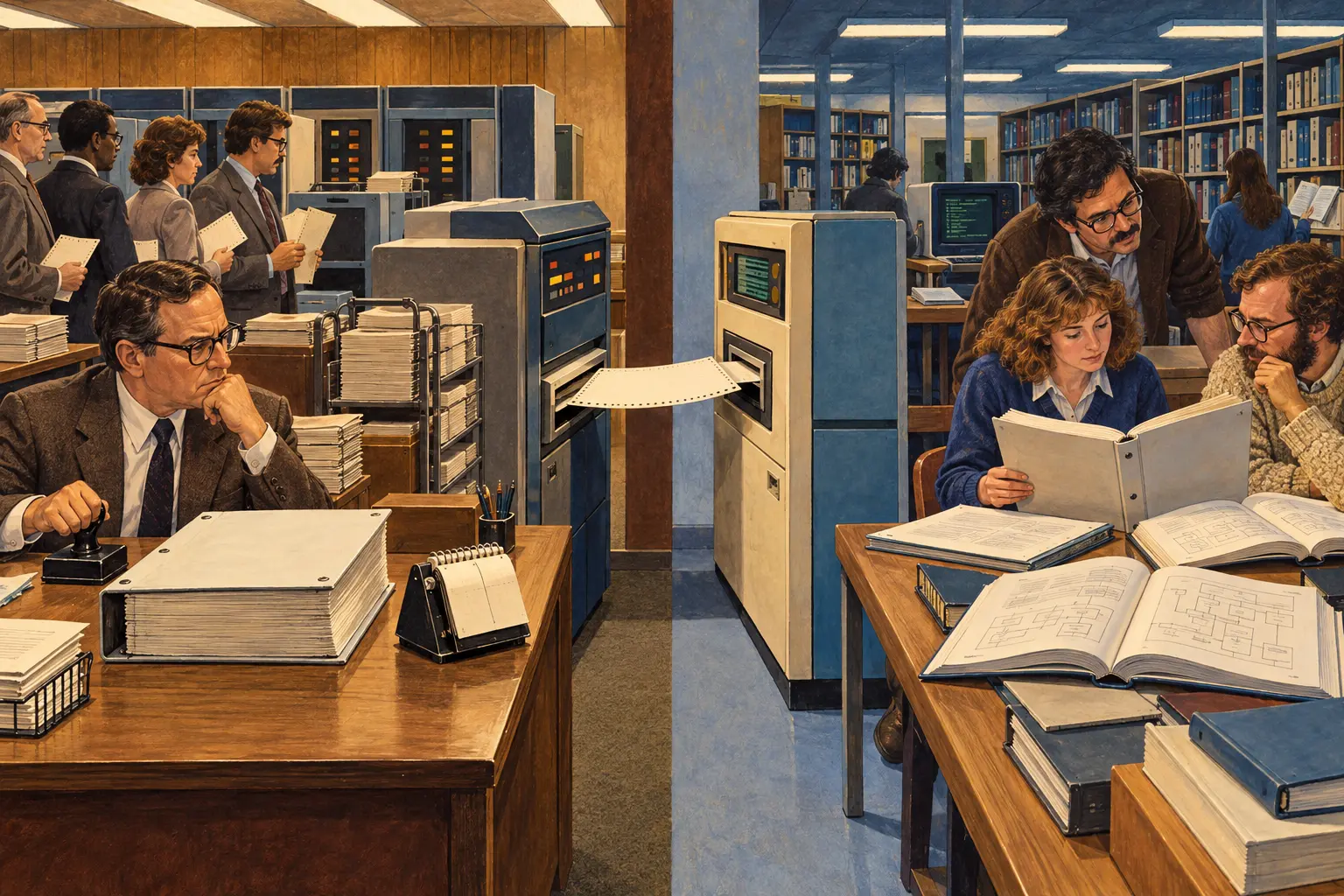
Washington Stamped the Message. The Internet Filed a Copy.
The same 1983 document sat on two desks. On one, it told covered federal buyers when their message systems had to exchange a common format. On the other, it arrived as RFC 841 for researchers to read. The stamp travelled through the archive; the procurement authority stayed at…

History
The Fax Machine Hung Up on the Internet
UCL's experimental fax could talk to a computer that looked like a telephone line. Then the network slowed down. The machine took the pause personally, quit halfway through the page, and forced the engineers to put a disk between each impatient machine and the slower journey.

Story
A Routing Oracle Went Two Decades Without Tests. RIPE NCC Finally Gave It Some.
RISwhois has answered routing questions in WHOIS clothing since 2003. Its new successor adds the maintenance habit the old service lacked: a test suite, a Rust implementation and data refreshes every hour.

History
The Internet Put a Second Floor on the Right Side of @
The left side of a mail address was already somebody else's house. In January 1982, engineers considering a bigger Internet decided to build the new rooms to the right of `@`, then had to work out when the mail carriers could safely use the new address.
History
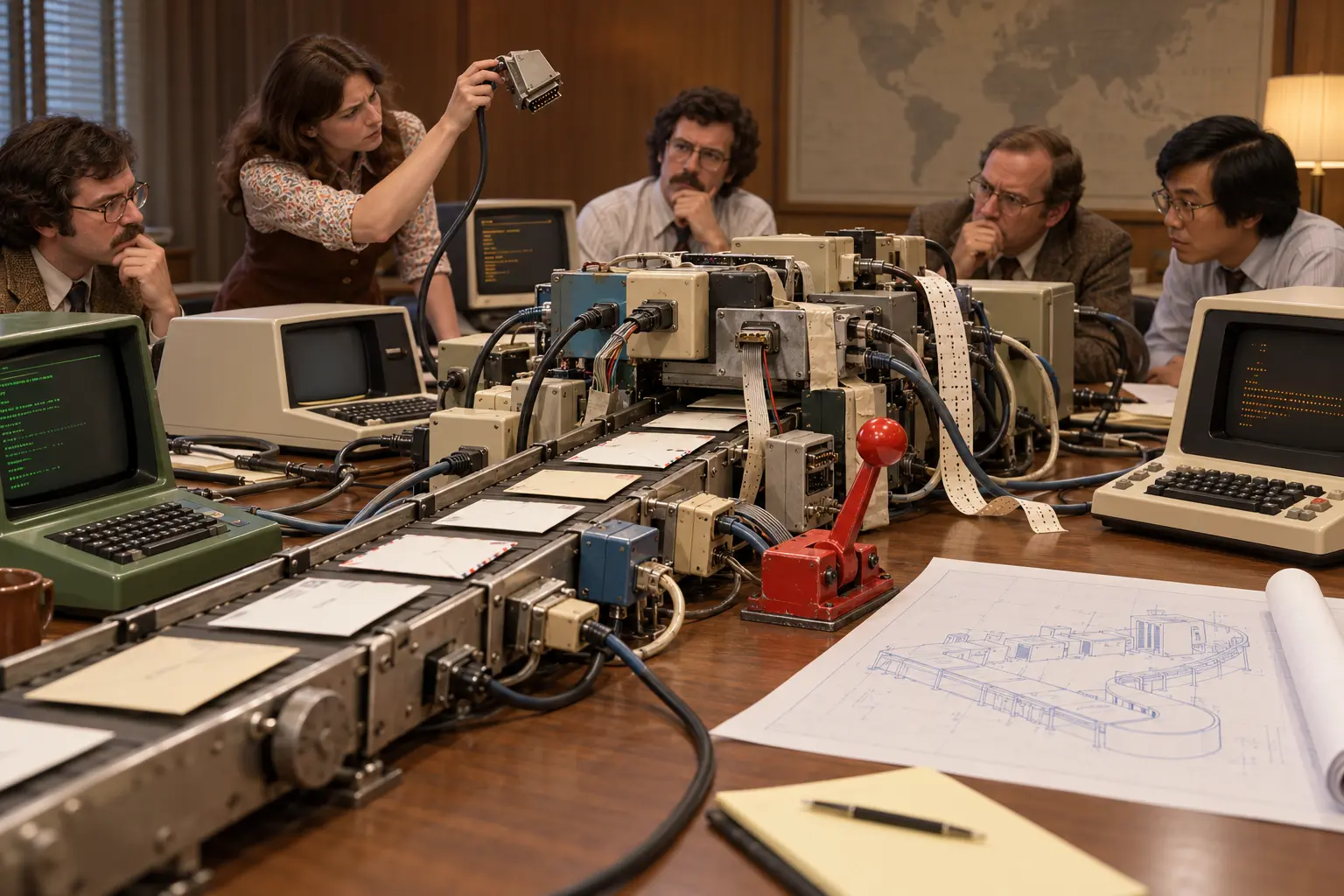
The Mail Standard Promised More Than the Mail Programs Could Swallow
At a 1979 ARPANET meeting, engineers tried to stop one clever mail system from breaking the rest. Their fix was blunt: freeze troublesome features, build the ambitious replacement separately, and appoint someone to referee. Then they failed to write the decision down for three…

IETF
The IETF’s Mail Gate Remembered Subscribers. It Forgot Confirmed Senders.
The address had already passed the IETF’s challenge-response check. Then the September mail migration rebuilt the moderation list from mailing-list subscriptions and held that sender’s post anyway. One record showed that the address was cleared to write; the other showed whether…
History
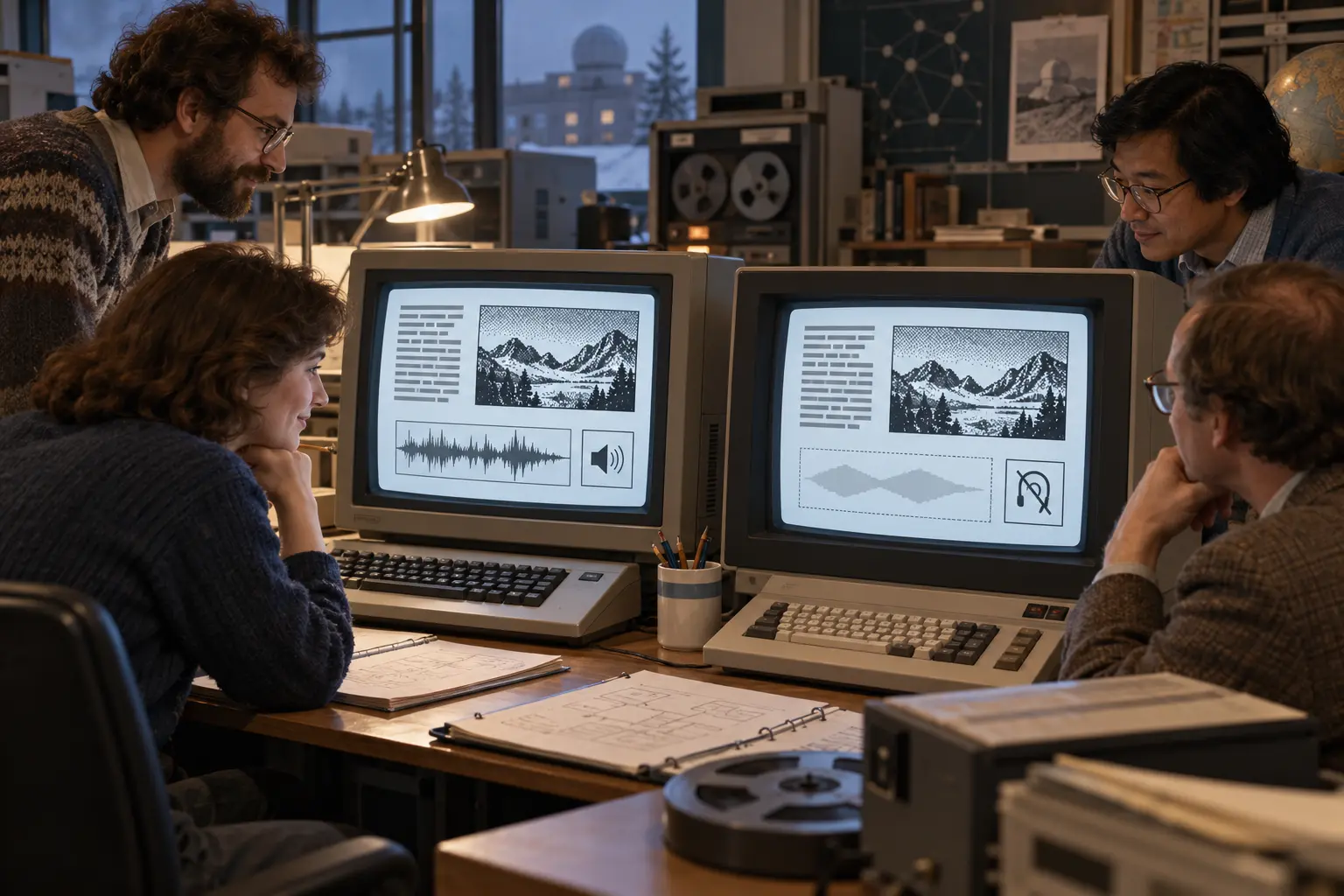
The Message Arrived. The Computer Had No Mouth for Its Voice.
At a January 1982 multimedia-mail meeting, researchers discovered that a shared message format could deliver more than a receiving machine could show or play. Their practical answer was to name the missing medium and keep the experiment moving.

History
One Forwarder, Two Domains. Which Mailbox Gets the Reply?
In 1981, D. L. Mills found a naming problem hidden inside an ordinary mail address: the same forwarder could serve two domains, while a bare host name or its Internet address could tell a returning message neither one.
History
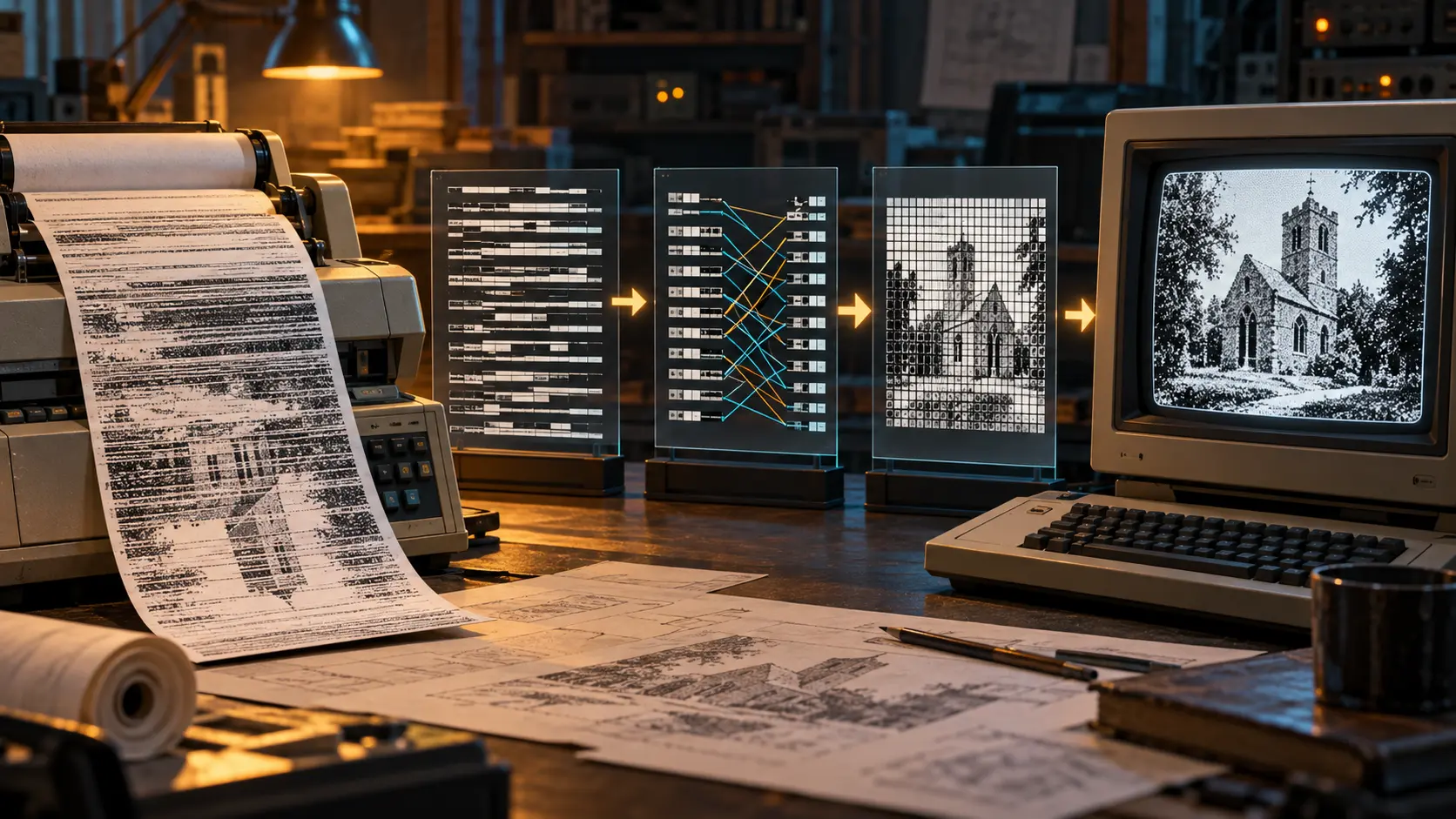
The Fax Arrived. Its Pixels Were Facing the Wrong Way.
Alan Katz's 1981 decoder got a Rapicom 450 page out of a machine-specific bitstream and into a plain bitmap. The trip involved three different kinds of reversal, four two-pixel states, and a file header that knew where the picture belonged.
CASE FILE
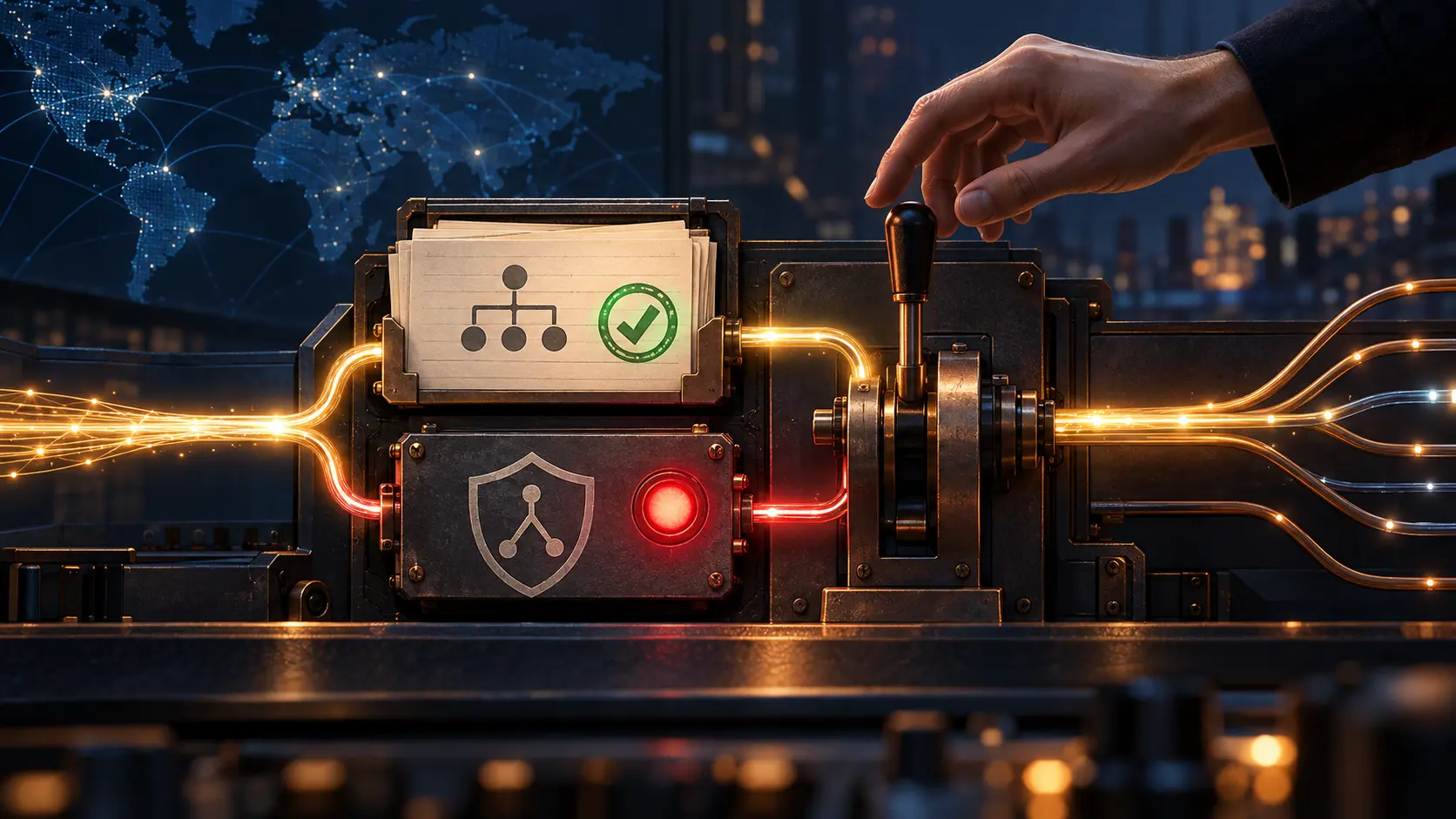
The Route Had Papers. The Cryptography Said No.
The Route Had Papers. The Cryptography Said No. intelligence summary explains the development, the public evidence available to readers, the organisations involved, the regional context, market exposure, and the infrastructure consequences that may follow. The CASE FILE…
History
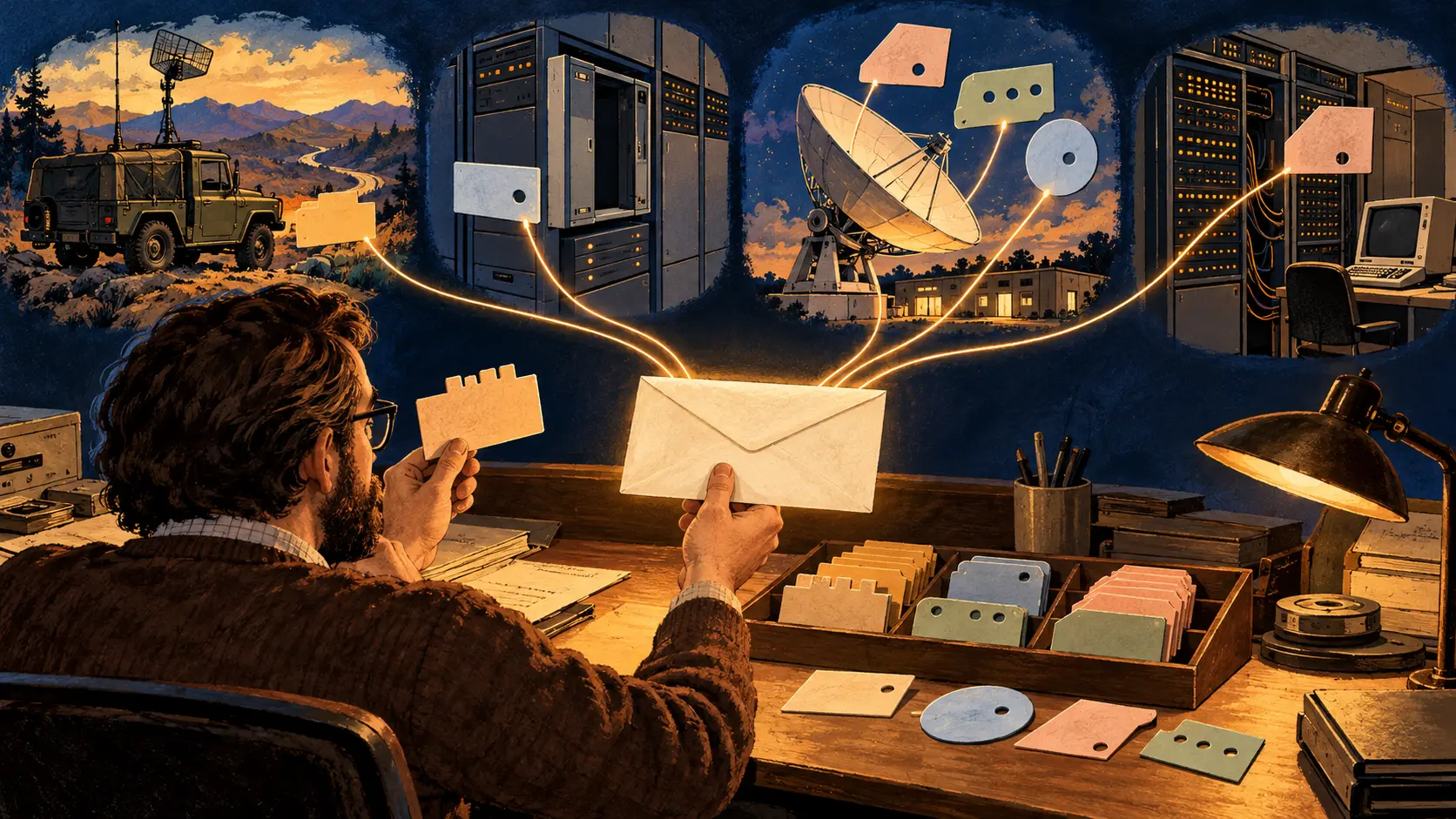
The Internet Address Fit. The Local Addresses Needed Tailoring.
In 1981, Jon Postel set the same 32-bit IP envelope beside packet radio, satellite, ARPANET and other networks. Each kept its own idea of what the address inside meant.

CASE FILE
The Probe Moved. Its Dot Stayed Put.
A RIPE Atlas probe can cross a border in a cardboard box while its public map pin keeps working the old address. Researchers have now followed that little clerical comedy into the measurements people use to locate the Internet.
History
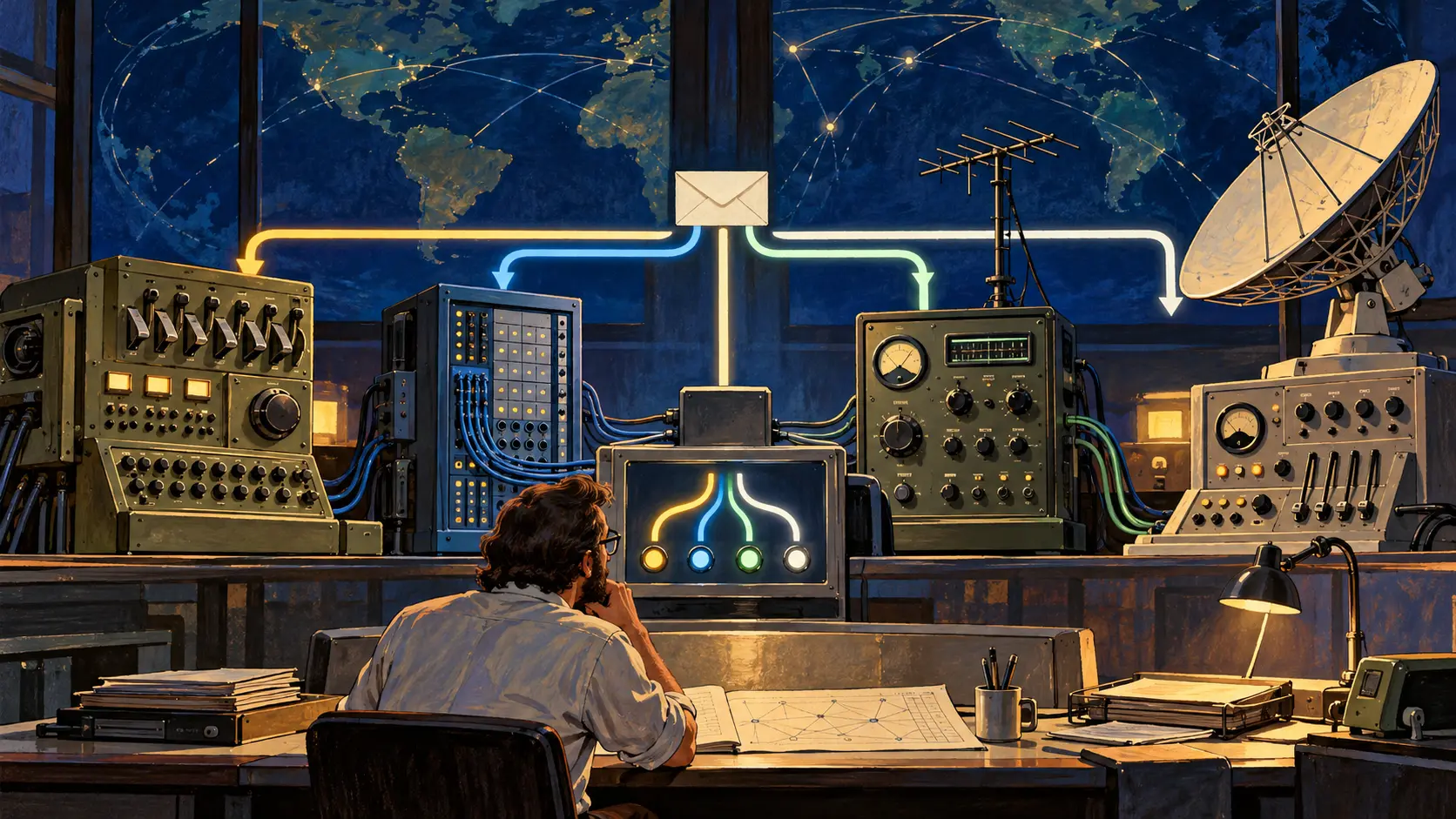
IP Ordered Fast, Reliable and Important. Four Networks Had Different Menus.
In 1981, Jon Postel tried to turn one IP Type of Service field into requests that four unlike networks could understand. The tables are a small history of how much meaning gets lost at a boundary.
History
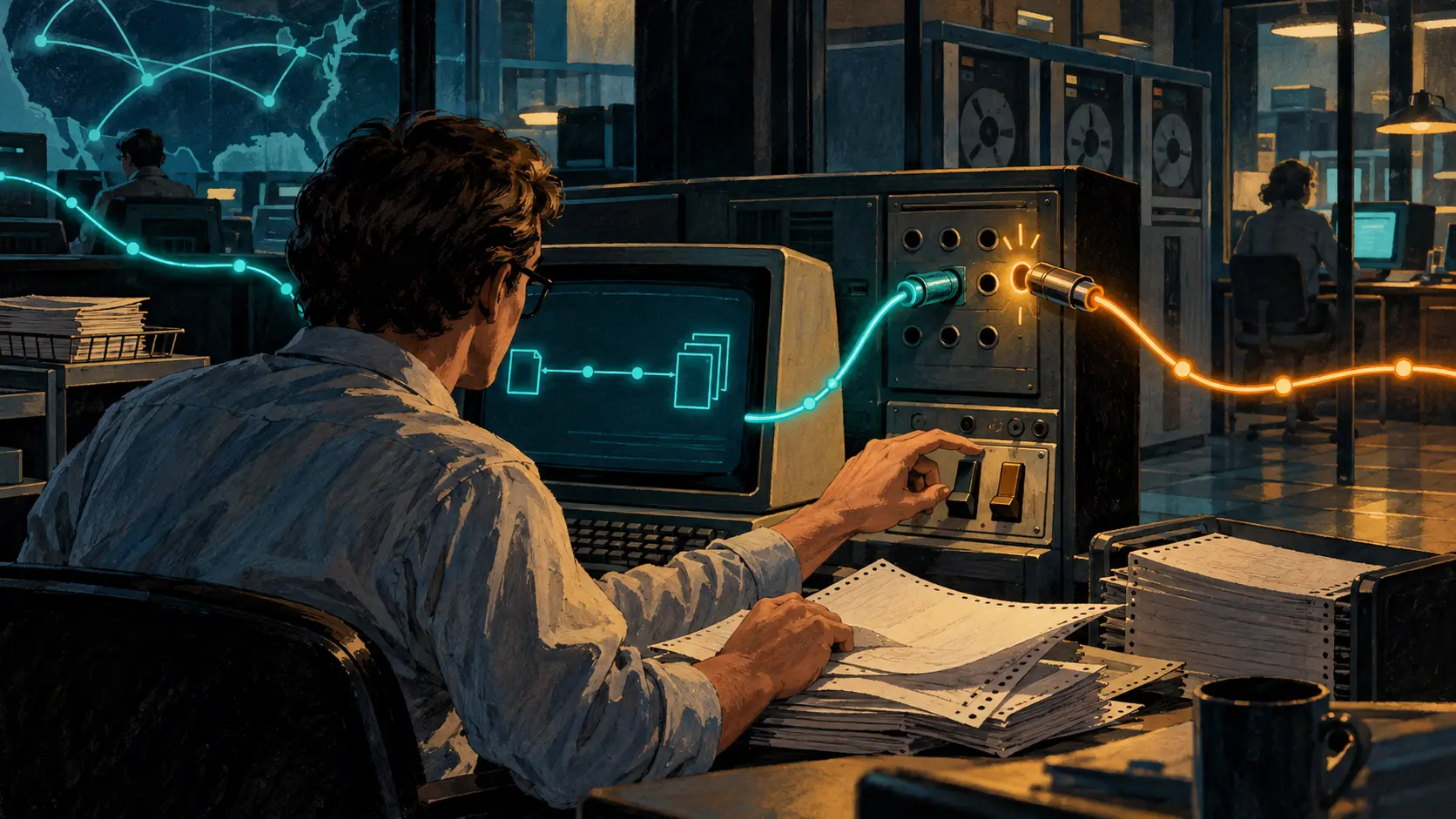
A Flash-Override Knocked. FTP Had to Clear a Seat.
In 1981, Vint Cerf asked what a busy host should do when a higher-priority connection arrived. The answer lived with the process serving the user, where an interrupted file transfer could actually be handled.

History
The Datagram Skipped the Handshake. ANSI Had Paperwork.
In 1981, A. Lyman Chapin asked standards contributors to make room in the OSI model for a self-contained unit of data. His packet could leave at once. His proposal had to pass through comments, a committee and perhaps an international meeting.
History
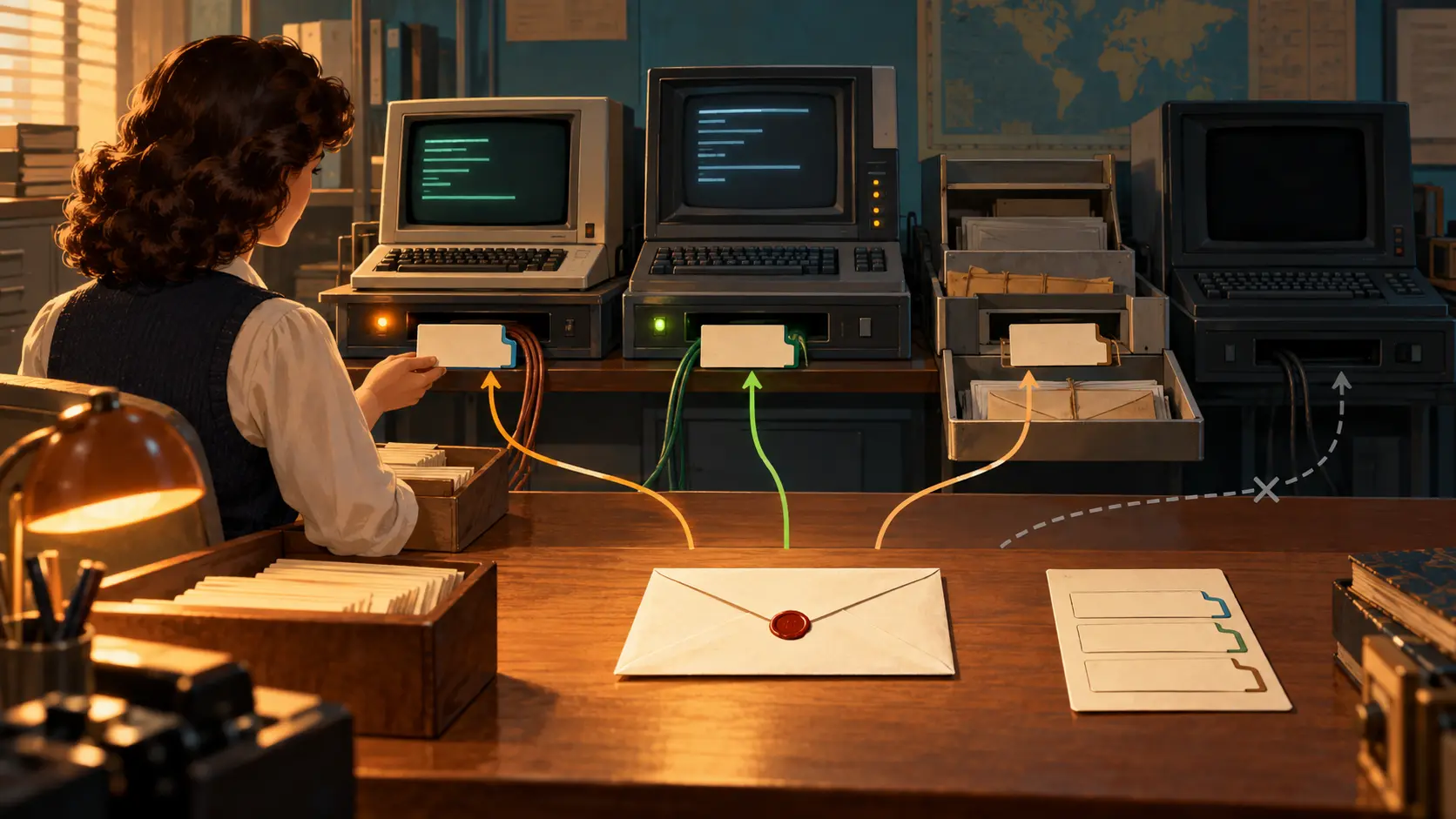
One Email, Three Roads, Two Files
In 1981, the same letter might be bound for several people whose computers spoke different network languages. An ISI mail plan kept the letter in one file and let a separate dispatch sheet take the bruises.

History
In 1981, One Screen Wanted More Than One Owner
A virtual terminal usually linked a user to a distant machine. A 1981 proposal gave the screen several readers, several writers and even a past they could revisit.