Summary
- Google launched a store in January 2006 where people could rent or buy videos, download them and play them in Google Video Player. It said videos that were not copy-protected could also be taken to an iPod or PSP.
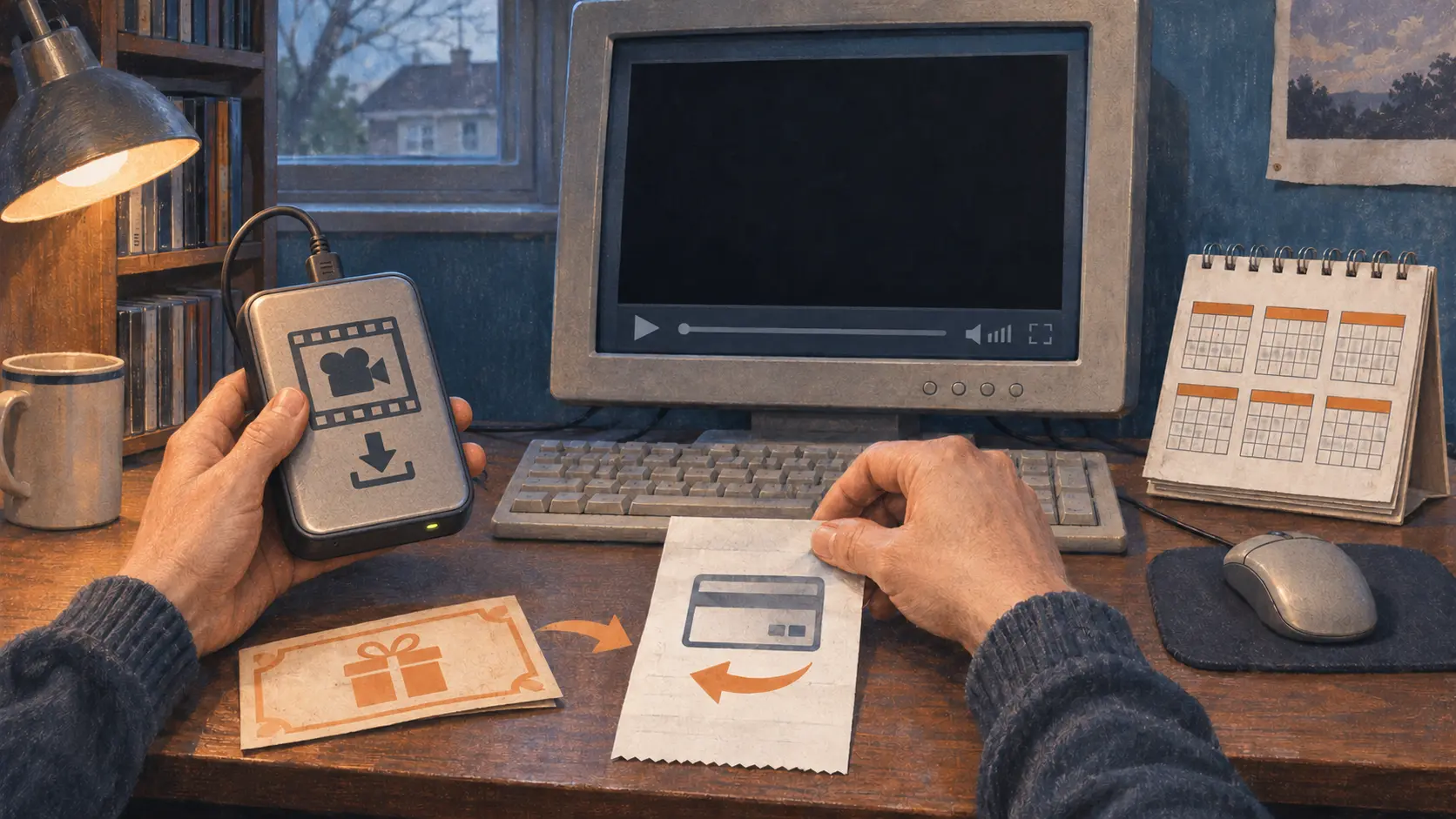
- After ending its Download to Own/Rent programme, Google told customers in August 2007 that videos they had already bought would no longer play. On 20 August it announced card refunds for every buyer, let them keep Checkout credits already issued, and promised six more months of playback for existing downloads.
The box was on the desk; the switch was elsewhere
Google Video's January 2006 store announcement spoke the language of ownership. Viewers could rent or buy shows and films, download them, and play them with the new Google Video Player. For material without copy protection, Google offered a second route: take it to an iPod or PSP. That exception mattered. The announcement did not describe every downloaded video as portable. A buyer's freedom depended on the protection and playback arrangements attached to the particular file.
The store was built around more than a file transfer. A February 2006 payments update said Google was moving purchases, including Google Video content, to a standard payment process tied to a Google Account. In June, it released a Mac version of the Google Video Player so Mac users could buy and download premium shows too. The application also played free videos. The distinction between a file in the buyer's possession and the service that made a paid file usable would become expensive when the store's priorities changed.
In January 2007, after buying YouTube, Google described a division of work: Google Video would lean on video search, while YouTube was the destination where people created, watched and shared clips. YouTube results would appear in the Google Video search index and take viewers to YouTube. That announcement did not give an end date for paid downloads. It did show that Google's next product map put search and destination work in different places from the little store that had been selling files a year earlier.
The collision reached buyers that August. In a 20 August 2007 account of its reversal, Google said it had decided to end the Download to Own/Rent programme. It had written to customers the week before last to say that videos they had already bought would no longer be playable. The post does not identify the specific technical gate. It establishes the practical dependency: an existing download could lose its playback path when the programme ended. The company had sold the copy, but the right to use it was still an operating commitment.
Refunds in the seller's currency
Google's first remedy had its own lock. It planned a full refund or more, but in Google Checkout credit. The team said it worried about outdated addresses, credit-card information and billing friction. Credit seemed easier to distribute. To a buyer who wanted the money back rather than another Google purchase, that was a poor exchange: the platform proposed settling a failed video purchase with a balance inside its own payment system.
The 20 August post changed three things. Google promised a full credit-card refund to everyone who had ever bought a video, once it had current card details. Anyone who had already received Checkout credit could keep it as well. And Google promised to support playback for six more months, without reopening the store for new purchases. Those were separate repairs. Money returned to a card addressed the payment. Keeping the credit acknowledged the first remedy's cost to customers. The extra playback period bought time for files already sitting on their computers; it did not turn those files into independently playable purchases.
An archived refund-completion record and final playback-support notice would establish how many buyers received card refunds and exactly when playability ended.
The sharp lesson of this episode is in the order of Google's own verbs. First it sold and delivered a download. Then it told buyers playback would end. Then it converted a store-credit remedy into card refunds and six more months of use. A downloaded file had looked like an object the customer could keep. The 2007 correction showed that its usefulness was still attached to a service the seller could retire, extend or pay to unwind.
Original records
- Google's January 2006 store launch: rent, buy, download, the player and the protection-dependent portable route.
- Google's February 2006 payments update and June Mac player launch: the account-payment and desktop-player surfaces around a purchase.
- Google's January 2007 product positioning: Google Video search and YouTube's destination role.
- Google Video team's 20 August 2007 correction: the no-longer-playable notice, store-credit proposal, card refunds and six-month extension.
Member Briefing
Deeper Profile Context
Sign in with the right membership level to unlock the full briefing and source notes.
Only for Strategic Circle
Strategic Circle
Open to all readers. Unlock profile briefings after joining and signing in.
Join Strategic CircleOnly for Leadership Alliance
Leadership Alliance
For qualified IP-asset owners and management; sign in to unlock alliance briefings.
Join Leadership Alliance