
Topic
Submarine Cable Infrastructure
Within the Topic facet, Submarine Cable Infrastructure topic intelligence connects articles that share a specific subject, signal focus, or monitoring theme. The page gives readers a richer path through related reporting, source evidence, market actors, and infrastructure implications, with enough context to understand why the topic matters across company movements, governance decisions, regional exposure, and operational risk. Readers can compare recurring signals, affected organisations, public evidence, market context, service continuity, procurement, competition, compliance, and strategic planning questions behind the subject instead of stopping at a thin list of matching articles. It explains what the topic covers, which infrastructure actors or policies are involved, what evidence supports the coverage, and why the subject may matter for operators, customers, investors, and policy readers.

Story
ARIN and the economics of submarine-cable and address risk
Submarine cables can lower capacity costs for ARIN-region island and edge networks, but resilience becomes bargaining power only when scarce portable IPv4, registry-recognised authority and continuity evidence can move with public services and customer endpoints.
North America National Telecom
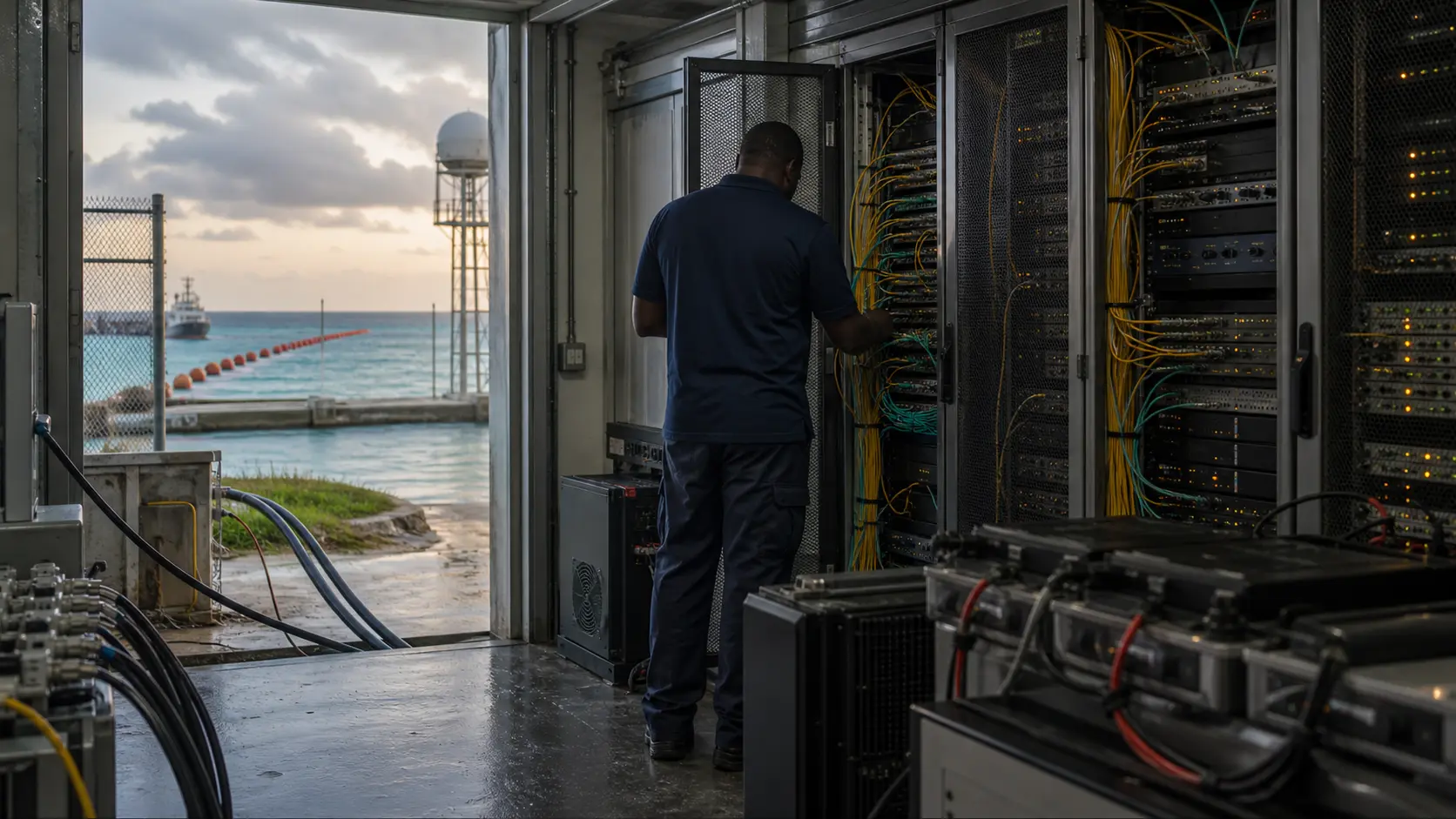
Cable Bahamas and the Island Bundle That Has to Pay for Redundancy Twice
A Nassau household, hotel, clinic or small firm sees a broadband, television and voice bundle; Cable Bahamas sees an island-scale obligation to keep fibre, power backup, support desks, spectrum, mobile capacity and submarine routes working across a small, storm-exposed market…

Africa National Telecom
Somcable and the price of resilience from Berbera
Somcable LTD is not best understood as a simple bandwidth supplier. Its economic value sits in a harder question: whether a Somaliland cable landing, a terrestrial fibre distributor, a wholesale buyer and a retail user can trust the same chain when politics, recognition, route…

Europe and Middle East National Telecom
TI Sparkle Greece and the price of invisible Mediterranean resilience
For banks, platforms and cloud buyers, TI Sparkle Greece is easiest to miss when everything works. Its economic importance appears when a payment, video stream or cross-border workload suddenly depends on Athens, Chania, submarine diversity and the bargaining power of a carrier…

Asia-Pacific Cloud Services
VITRO and the power-and-land bill behind Philippine cloud ambition
A Manila procurement team choosing where to host regulated workloads is no longer buying only rack space. It is pricing a local answer to latency, compliance, submarine reach, AI density, and the cost of keeping enough power and land available before the hyperscalers arrive.
Asia-Pacific National Telecom
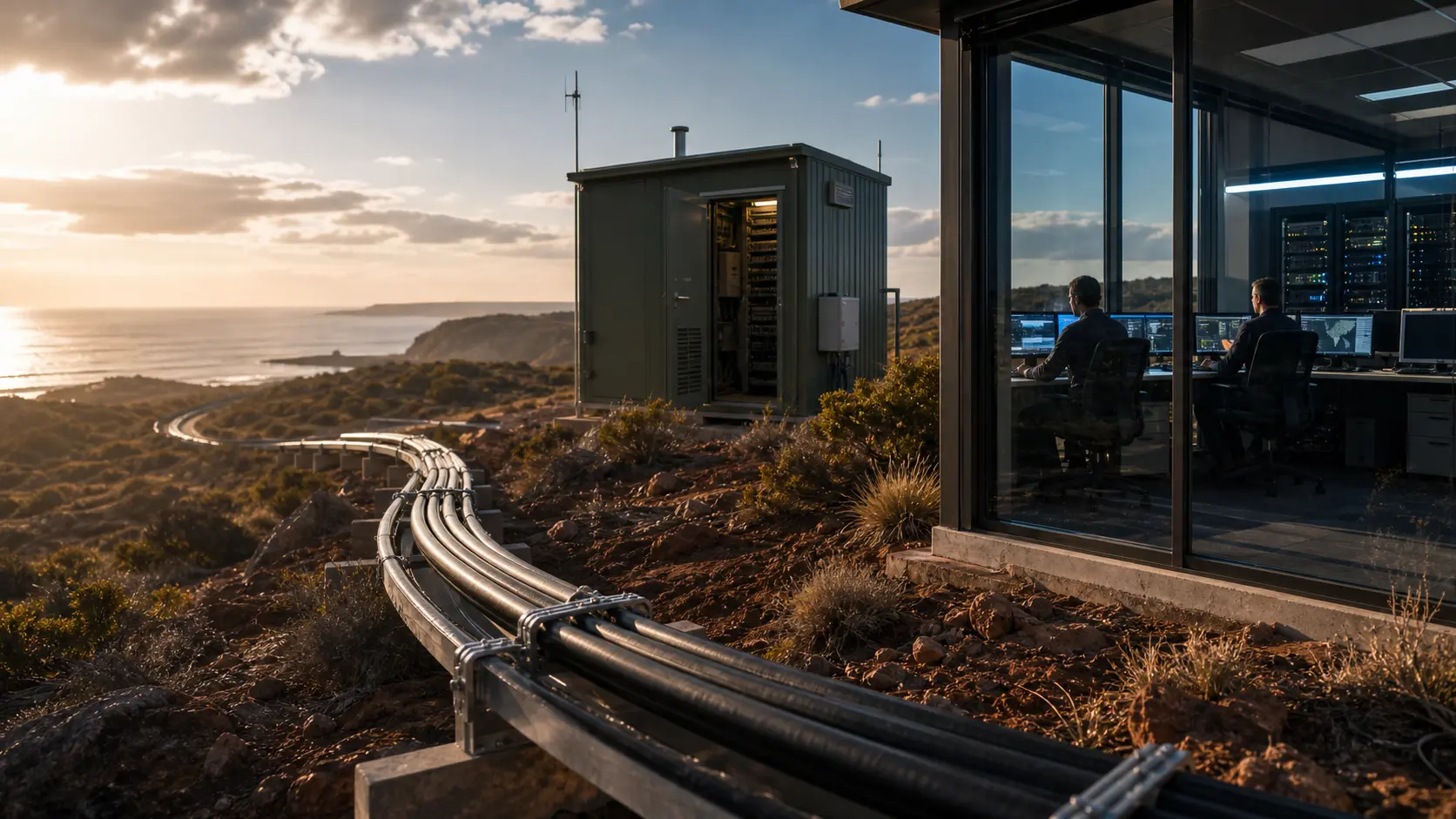
Vocus Enterprise and the Cash Value of Australian Routes Others Cannot Copy
For Australian mines, agencies and offshore-cable buyers, Vocus Enterprise is not just another bandwidth vendor. Its economic claim is route diversity: inland fibre through resource country, submarine systems that change the path to Asia, and enterprise contracts that turn…

Asia-Pacific National Telecom
Bangladesh Submarine Cables PLC IX and the Price of Keeping National Internet Growth Offshore
A Bangladeshi operator buying evening-peak international capacity is not only choosing a supplier. It is deciding how much of the country's digital growth should depend on state cable capex, regulated wholesale prices, terrestrial routes through India, local exchange density and…

Global National Telecom
TELEM Group and the Island Telecom Bill That Cannot Diversify Away From Geography
TELEM Group is a small-island telecom utility whose retail bills must finance international capacity, storm resilience and local technical depth.
Global National Telecom
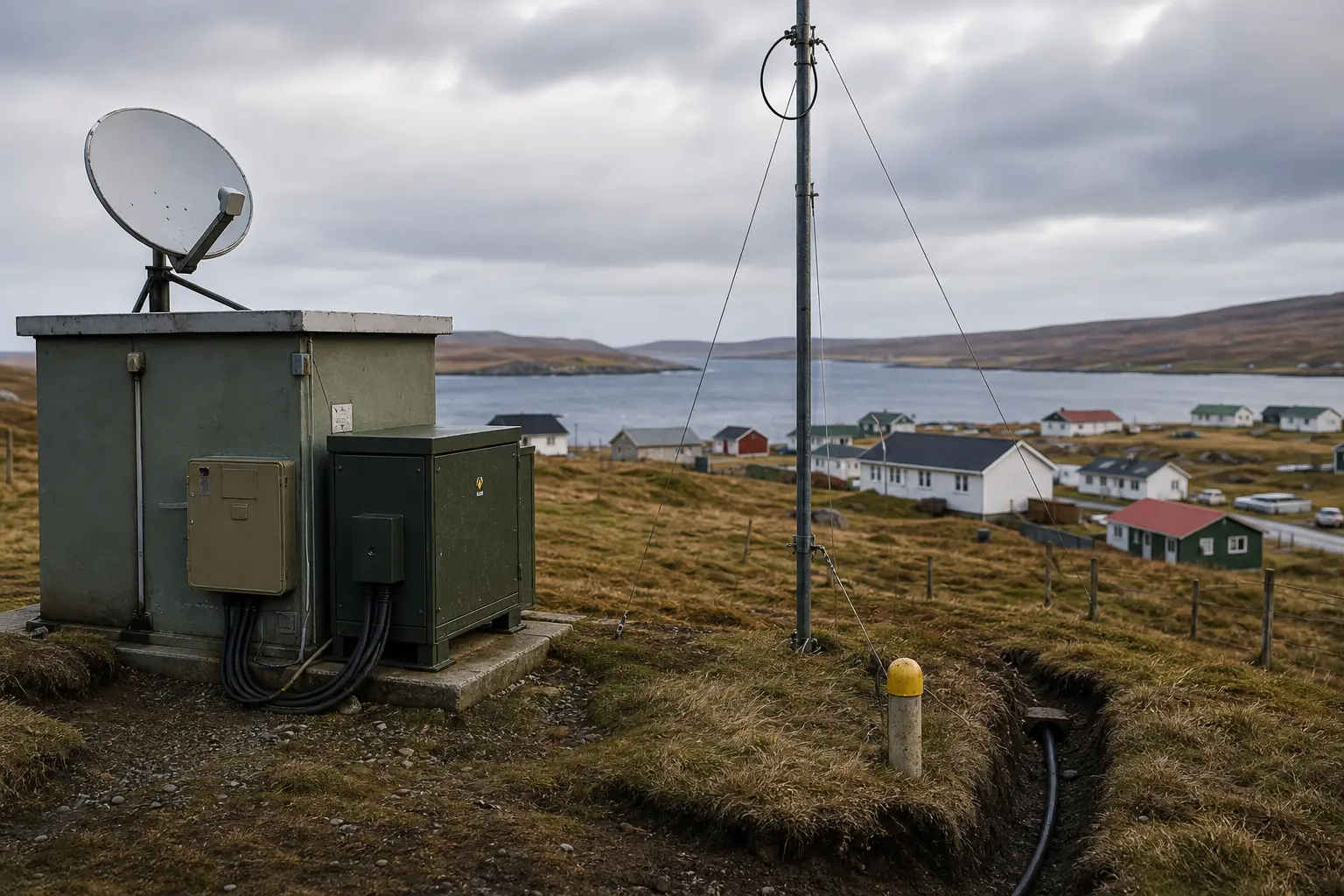
The GBP 50 Floor in the Falklands' Connectivity Bargain
Sure South Atlantic shows how a tiny island market reprices an old monopoly bargain after satellite competition changes what residents can buy.

Latin America and Caribbean National Telecom
SETAR Aruba and the Island-Network Bill Beneath Tourist-Grade Connectivity
An Aruba hotel, port operator or public office can buy visible bandwidth more cheaply than it can buy confidence that a booking engine, payment terminal, dispatch desk or citizen service will still work when one path fails. SETAR N.V. is best understood through that redundancy…

Story
Submarine cable gains and AFRINIC address risk at the edge
Submarine cables lower the price of reach, but in African and Indian Ocean edge markets scarce portable IPv4 and registry continuity decide who can turn new landings into bargaining power.

Asia-Pacific Regional ISP
Tornado Networks and the rupee price of a megabit built in dollars
Tornado Networks (Pvt.) Limited is a licensed wireless internet provider in Bahawalnagar, an agrarian district town in southern Punjab where the nearest submarine cable landing is a thousand kilometres away and the nearest dollar is further still. Everything the company needs to…

Europe and Middle East Institutional
Hexatronic expands subsea cable capacity in Sweden
Hexatronic Group is expanding submarine fibre-optic cable manufacturing capacity in Sweden through a new production line at its Hudiksvall facility, strengthening long-term supply commitments linked to offshore and subsea infrastructure demand.
Africa National Telecom
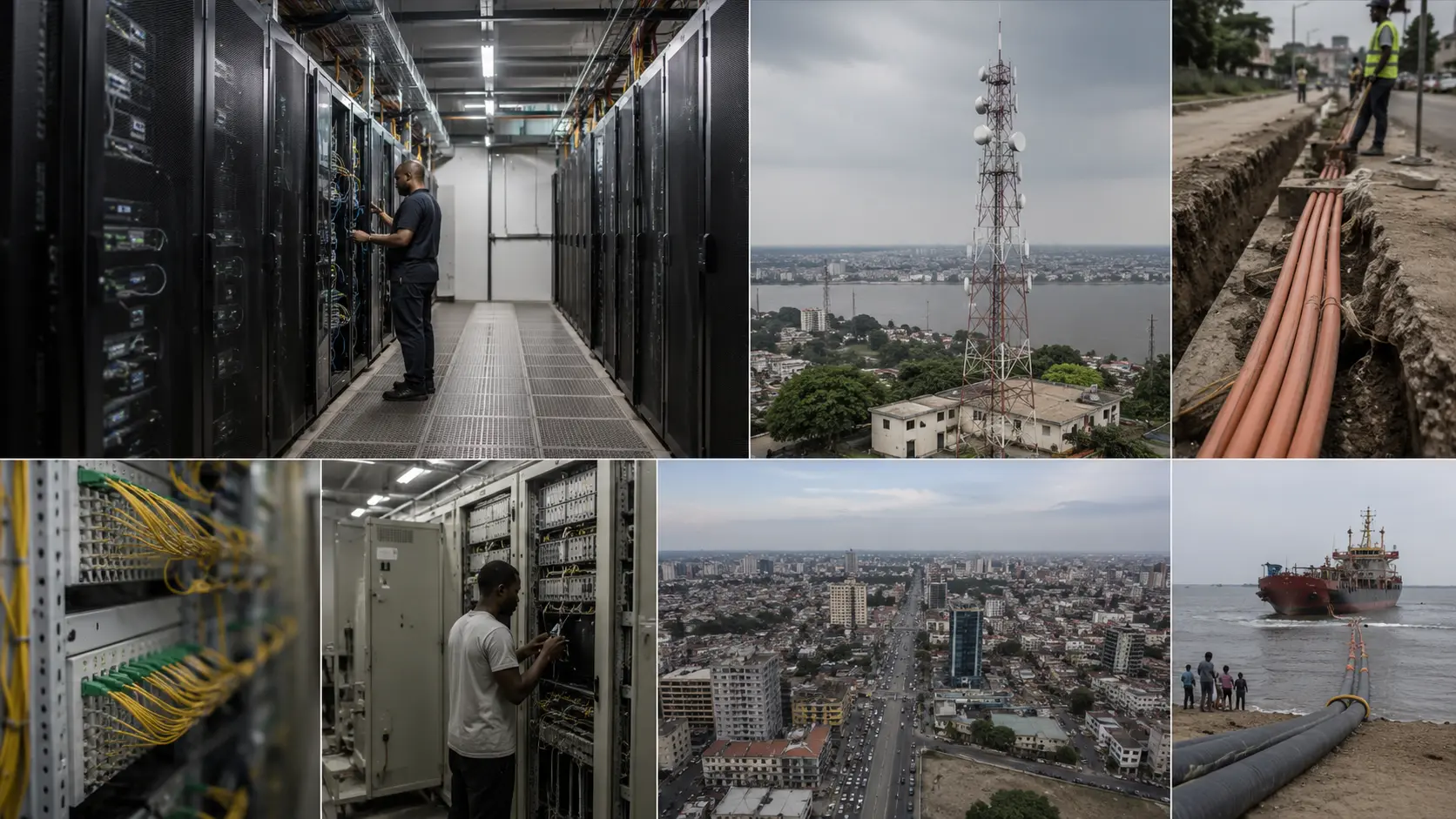
SCPT and the DRC Problem of Owning Infrastructure Without Monetising It
The Société Congolaise des Postes et Télécommunications, usually presented as SCPT SA or historically as OCPT, is best understood as a state infrastructure conversion problem. It is not just a postal company, not just a legacy telecom operator, and not a normal ISP. It sits at…

Global National Telecom
Telstra International and the scarcity of the APAC backbone
TELSTRAGLOBAL best resolves as Telstra International: an APAC-centric international network platform whose value depends on submarine routes, IP backbone reach, China/Pacific exposure, and enterprise overlays.
Europe and Middle East Cloud Services Trends
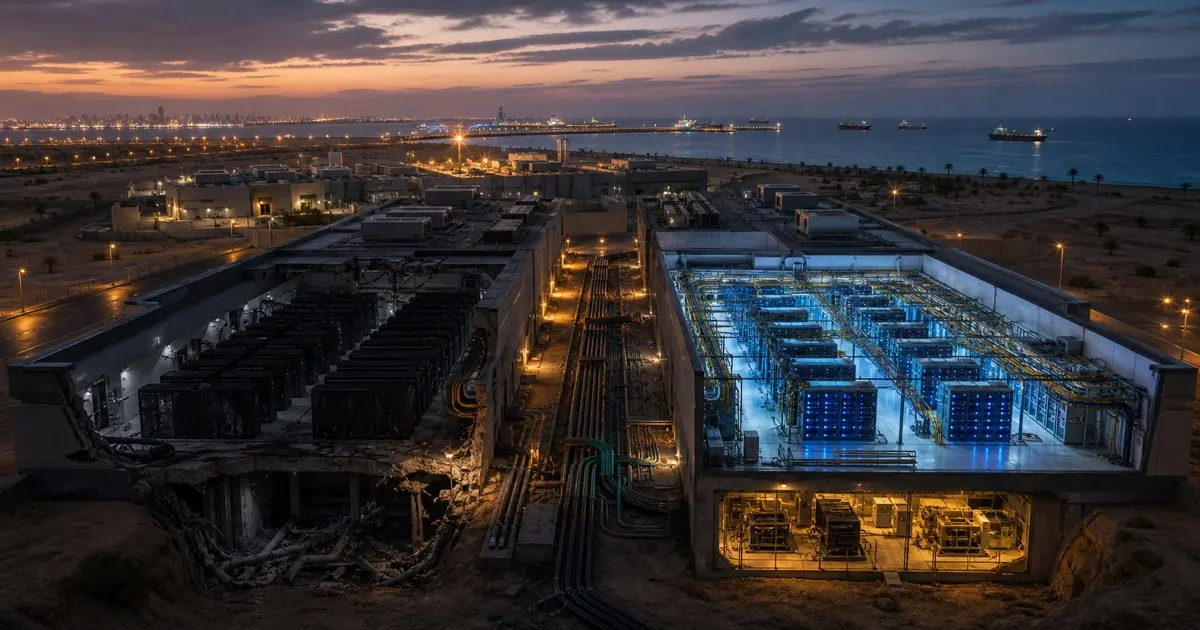
AWS strikes expose the Gulf cloud's geographic fault line
Damage to AWS facilities in the UAE and Bahrain showed that cloud redundancy still rests on physical sites. Two impaired UAE availability zones turned regional concentration into civilian service disruption.