
Topic
Public-sector Continuity
Within the Topic facet, Public-sector Continuity topic intelligence connects articles that share a specific subject, signal focus, or monitoring theme. The page gives readers a richer path through related reporting, source evidence, market actors, and infrastructure implications, with enough context to understand why the topic matters across company movements, governance decisions, regional exposure, and operational risk. Readers can compare recurring signals, affected organisations, public evidence, market context, service continuity, procurement, competition, compliance, and strategic planning questions behind the subject instead of stopping at a thin list of matching articles. It explains what the topic covers, which infrastructure actors or policies are involved, what evidence supports the coverage, and why the subject may matter for operators, customers, investors, and policy readers.
History
The Network That Let Institutions Join Unequally: CSNET and the Architecture of Partial Access
CSNET widened the networked research community without pretending that every institution could afford or operate the same connection. By combining ARPANET access, full Internet service over commercial X.25, and dial-up PhoneNet mail, it showed that interoperability could begin…

History
The Day the Old Protocol Lost Its Network: The 1983 TCP/IP Cutover and the Limits of Technical Authority
On 1 January 1983, an ARPANET host that still depended on NCP faced a new fact: the network beneath it could stop servicing the old protocol. The famous cutover mattered not because a memo became universal law, but because a disclosed rule reached an execution boundary whose…
History
Where the Network Stopped: The IMP, the Host, and the First Price of Shared Correctness
ARPANET’s Interface Message Processor made packet switching operational by putting substantial machinery into a dedicated subnet. It also made a harder problem visible: infrastructure can carry, check, meter and protect communication without possessing the knowledge required to…

History
When the First Network Became Replaceable: ARPANET’s Retirement and the Internet That Continued
ARPANET did not take the Internet with it when it was retired in 1990. That was not because the pioneering network had become unimportant. It was because its most important function—making unlike networks communicate—had already escaped the machinery and institution that first…

History
The Worm That Needed a Switchboard: How the 1988 Internet Built CERT Without Giving It Command
When the Internet’s first great emergency arrived, its most effective institutional answer was neither a central operator nor a security sovereign. It was a small, trusted point of contact built to make independent operators faster and better informed while leaving their…

North America National Telecom Trends
FCC puts US terrestrial 100/20 coverage at 96.9%
Satellite lifts the FCC's reported 100/20 broadband availability to 99.7%, but terrestrial coverage remains lower and satellite performance can vary.

North America Institutional Trends
Prince George approves C$400,000 Northern Health fibre link
Prince George will add a second Northern Health fibre link before hospital construction severs an existing route, using revenue from its municipal network.
Asia-Pacific National Telecom Trends
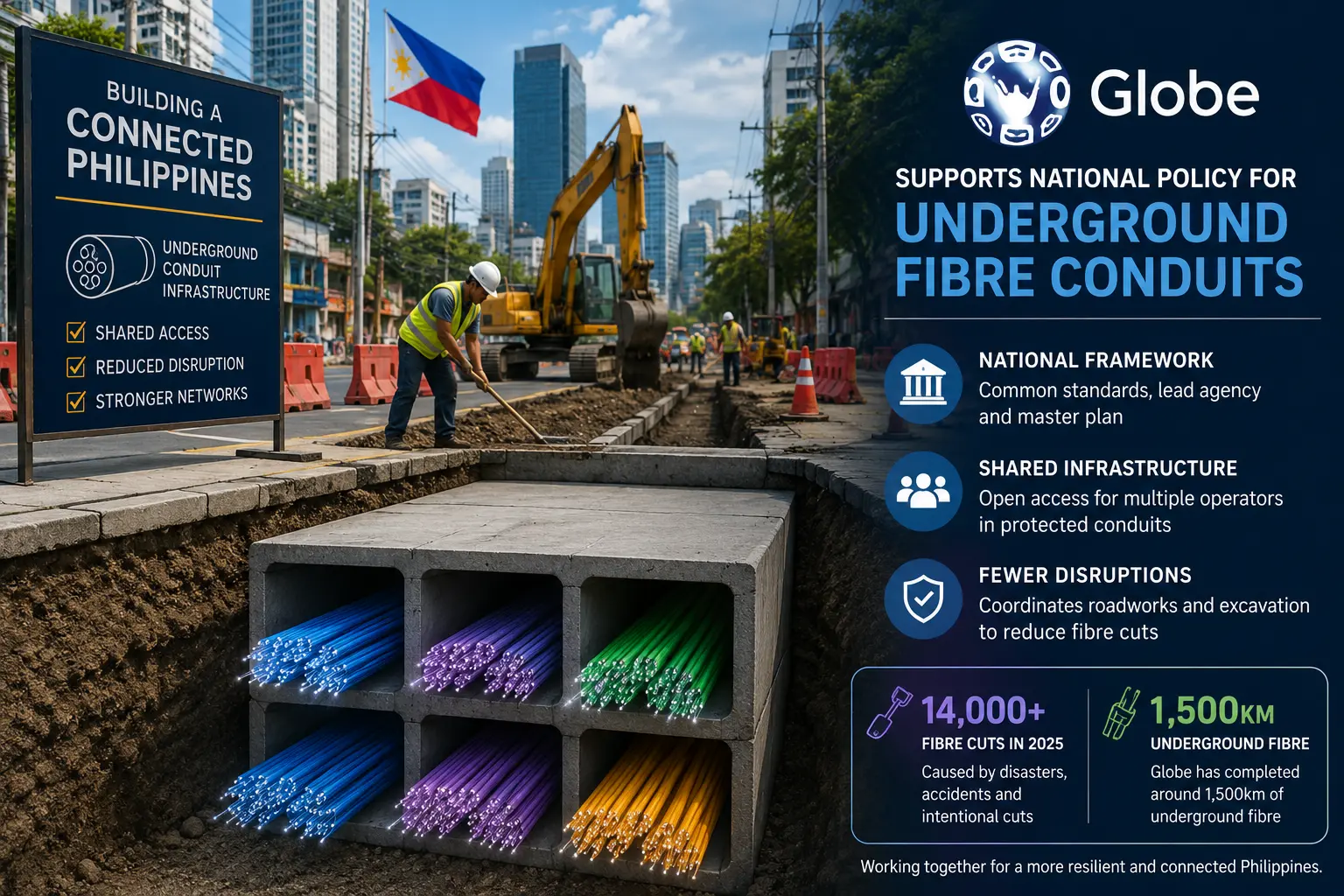
Globe seeks Philippine underground fibre-conduit policy
Globe wants national standards for shared underground conduits as the Philippines develops rules to coordinate telecom ducts with road and infrastructure works.
Latin America and Caribbean Regional ISP Trends
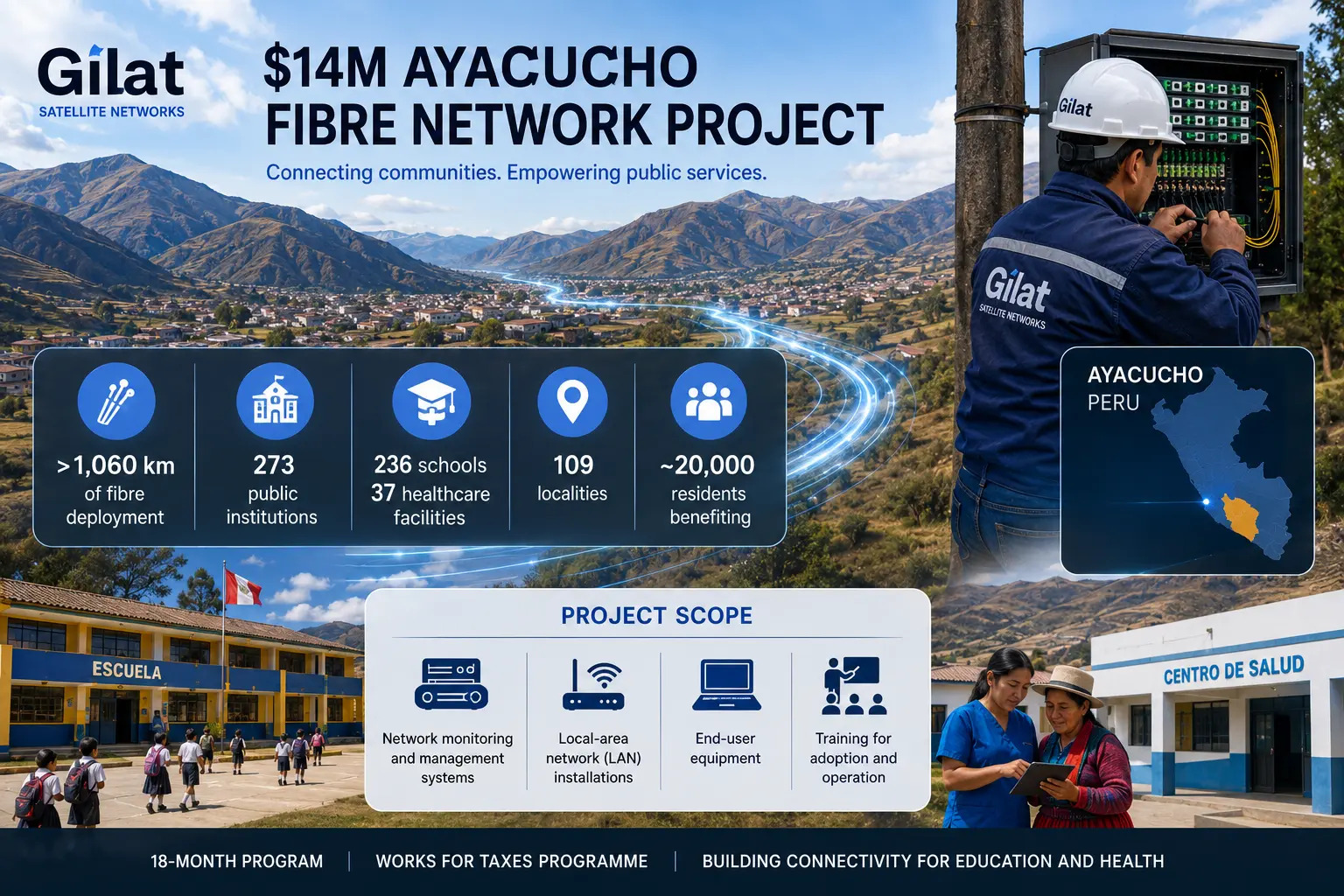
Gilat signs $14m Ayacucho fibre agreement
Gilat will deploy more than 1,060km of fibre and equip 273 public institutions under an 18-month broadband project in southern Ayacucho.

NANOG
The Corporation NANOG Built—and the Networks It Did Not Own
When NANOG left Merit’s institutional shelter, the decisive transfer concerned a trademark, a domain, archives, contracts and financial responsibility—not routers, address space or the authority to speak for North America’s autonomous networks.

North America Cloud Services Trends
The Azure Front Door Protection Bypass That Became an Accountability Test
Microsoft’s account of QNBQ-5W8 shows how a temporarily disabled safeguard let bad control-plane metadata reach edge resources—and why recovery promises need operational proof.

Story
AFRINIC continuity depends on verifiable records
A regional registry is trusted through accurate number-resource records, accountable decisions and a continuity plan that survives institutional dispute.

North America Institutional Trends
Jim Mankowich and the Campus Wireless Choice That Preserved Voice Service
When Lawson State Community College planned a campus-wide wireless network in 2009, the hard question was not simply where to put access points. The college already carried voice calls over its network. Students and employees needed different traffic boundaries. Old buildings, a…
North America Regional ISP
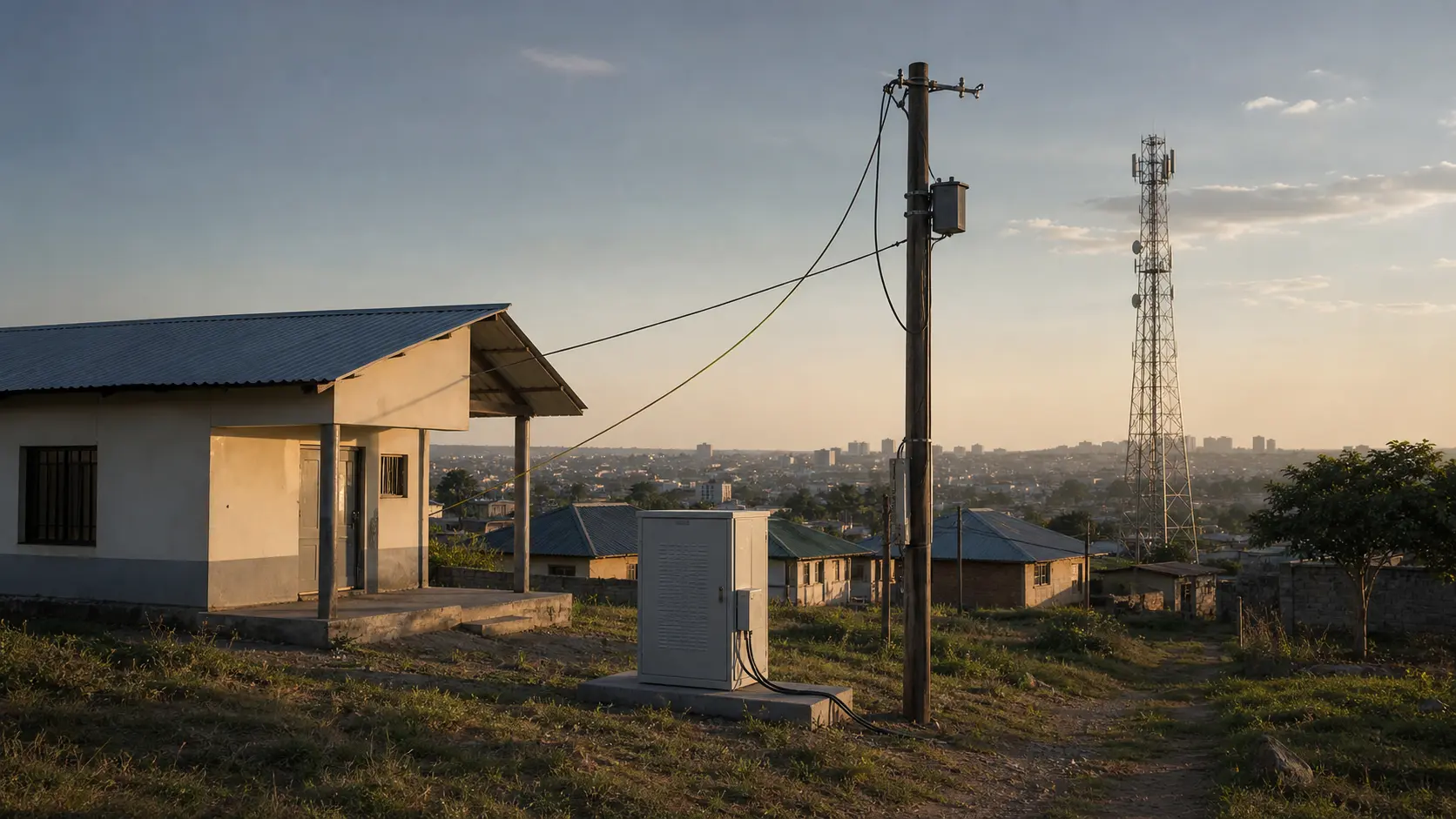
Regional connectivity needs an operating chain
Plateau Telecommunications shows why coverage depends on paths, power, staff, equipment and visible regulatory milestones working together.

North America Cloud Services Trends
Internet governance needs an authority map
No single body runs the internet. That distributed design works only when people can see who sets a rule, operates a system and hears an appeal.

Global Cloud Services Trends
Olympic technology needs an operational legacy
A global event can justify rapid deployment of timing, broadcast, security and digital services. The public value depends on what remains usable afterward.
Global Institutional Trends
The IGF needs visible follow-through
A forum can bring governments, companies, engineers and civil society into one room. Legitimacy grows when discussion changes work after the meeting.

North America Cloud Services Trends
CISA’s three-day LoadMaster clock turns patching into an assurance exercise
CISA added CVE-2026-8037 to its Known Exploited Vulnerabilities catalogue on 7 August and set 10 August as the federal remediation deadline. That compressed interval means covered agencies needed more than a patch command: inventory, exposure testing, forensic triage and verified…

Asia-Pacific Cloud Services Trends
Railtel Corporation Of India Limited has six weeks to turn a postal cloud order into accepted service
RailTel’s reported ₹1,19,18,68,499 tax-inclusive order for Postal Life Insurance comes with a 21 September execution date. Procurement has advanced; workload scope, migration design, security controls, acceptance tests and recognised revenue remain undisclosed.

North America Cloud Services Trends
IBM Cloud's 2020 routing flood made provider boundaries an accountability test
IBM Cloud's operator, International Business Machines Corporation (IBM), attributed its 9 June 2020 cloud disruption to an external network provider that sent a flood of incorrect route advertisements—messages saying which network can carry traffic to a block of Internet Protocol…