Summary
- RFC 1691 described a digital book as ordered page files, document-structure files and a searchable database entry. It separated the reader’s path through a book from the UNIX path to an image.
- The catalogue could return a document before access was checked. The design placed authorization mainly at collection level, allowed checks down to one file, and notified a patron when they tried to open the document or component.
A card catalogue can tell you where the book is. It cannot hand you the page. William Turner’s August 1994 account of the Cornell Digital Library gave that old distinction a network address. Cornell and Xerox had worked on a preservation prototype since 1989. Xerox built the CLASS storage and creation system; Cornell built network browsing and print requests. The next problem was what counted as a book once its binding had been cut away for scanning.
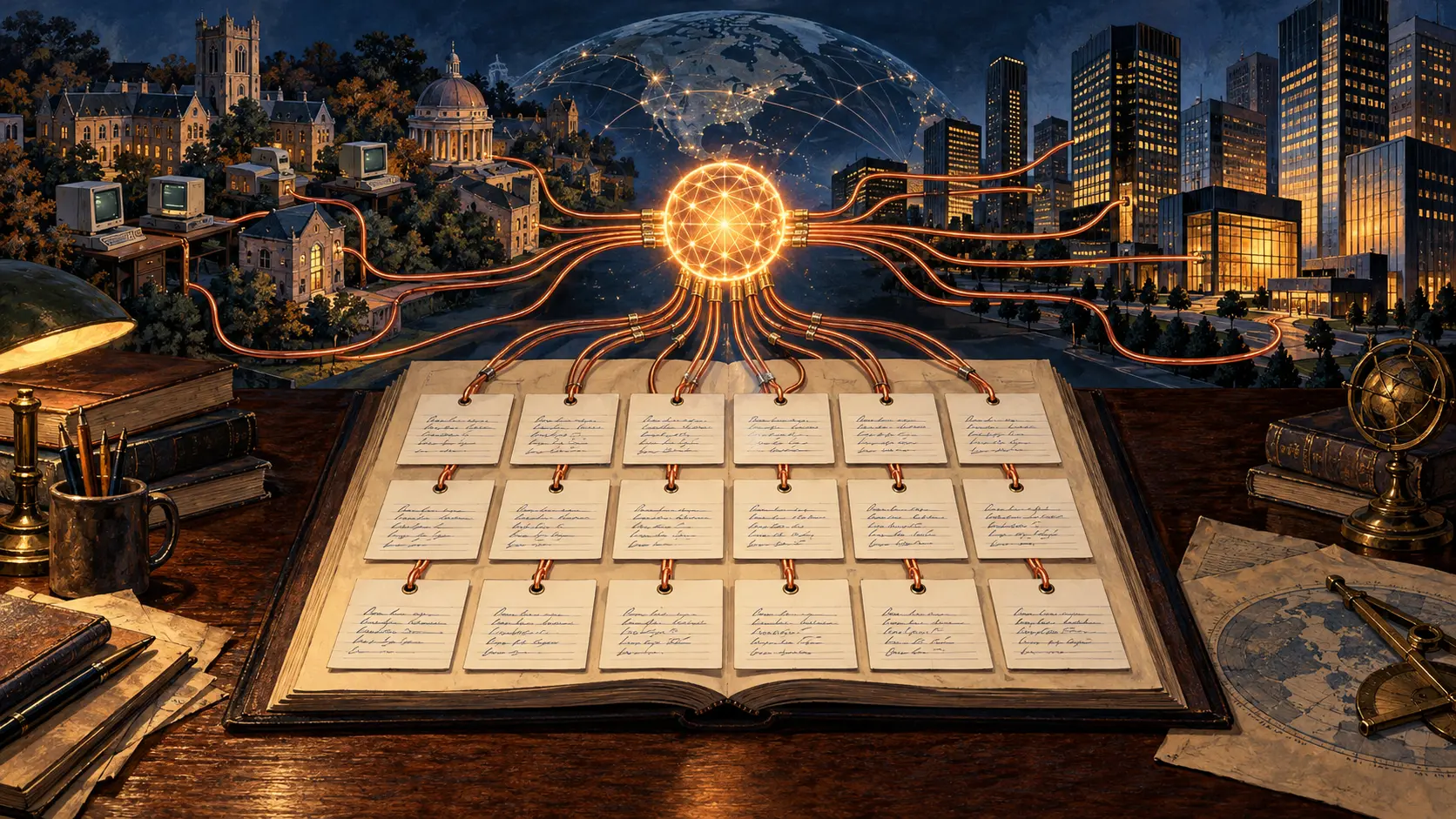
Cornell’s answer had three parts: a logical structure, physical references and data files. The logical structure rebuilt page order and could expose a table of contents. The physical-reference file tied those positions to images, text or other representations. The data files supplied the actual page. A relational SQL database made documents searchable by author, title and document ID. Search found a record; the structure and locator had to do the work of reading.
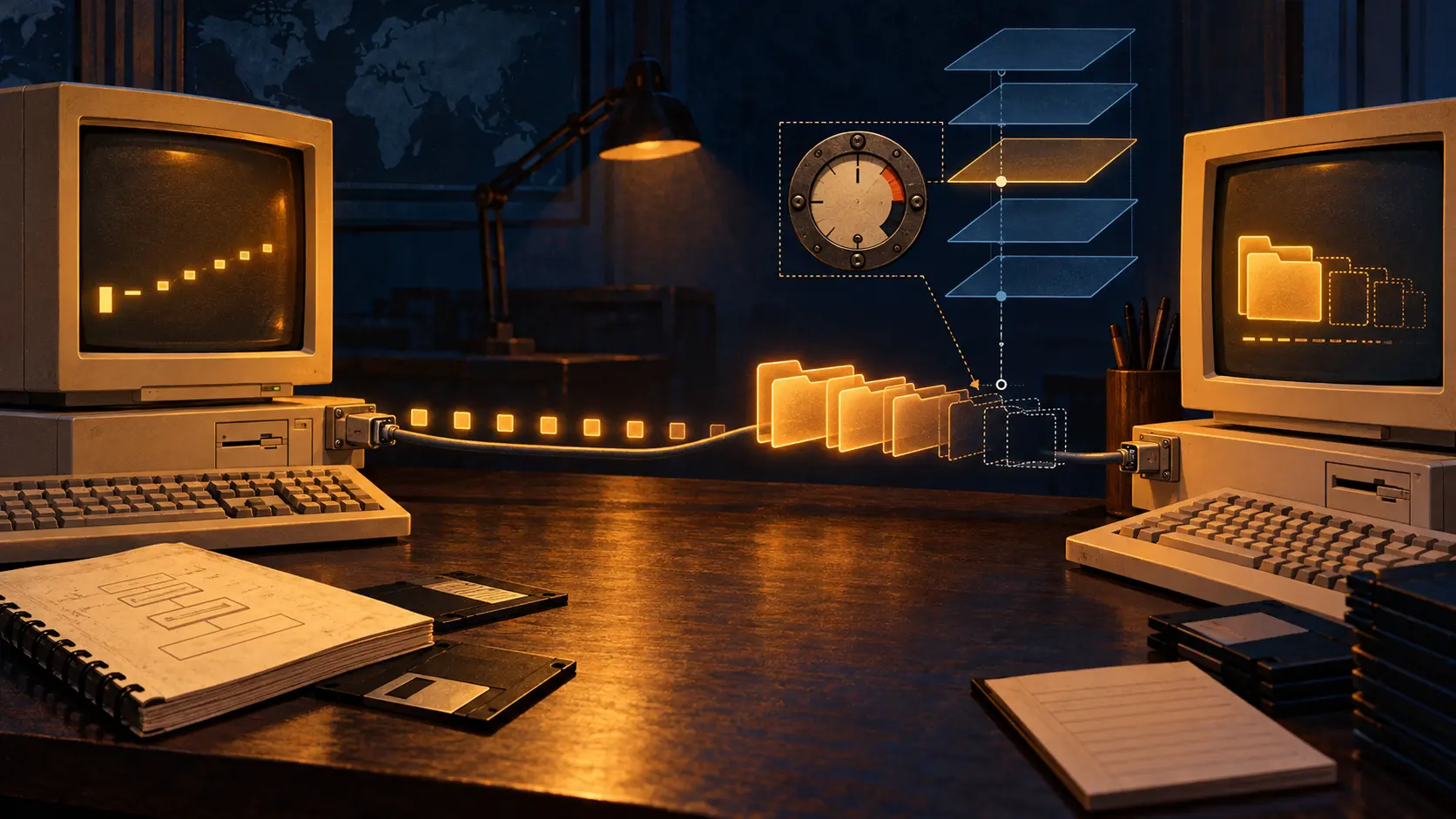
The choice mattered at the level of an ordinary filename. If scanned pages were named 1.TIF, 2.TIF and 10.TIF, a simple FTP or Gopher listing would put 10 before 2. The requirements demanded zero-padded names such as 0001.TIF and 0002.TIF. A digital library that could not keep its pages in order outside its own reader would be a poor custodian of a book. Cornell also required thumbnails for browsing and separate resolutions so a small network image and a printable page could belong to the same logical place.
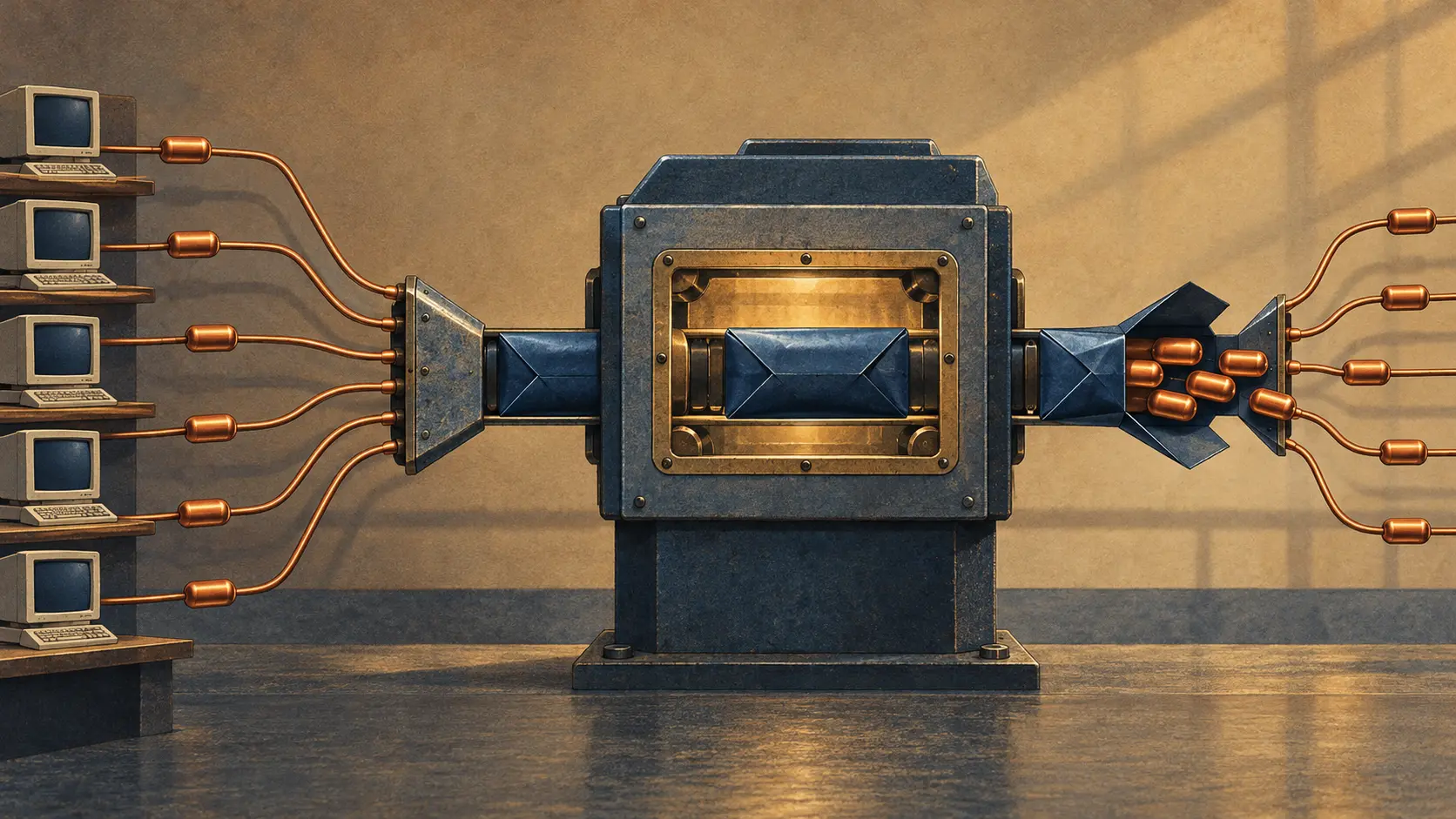
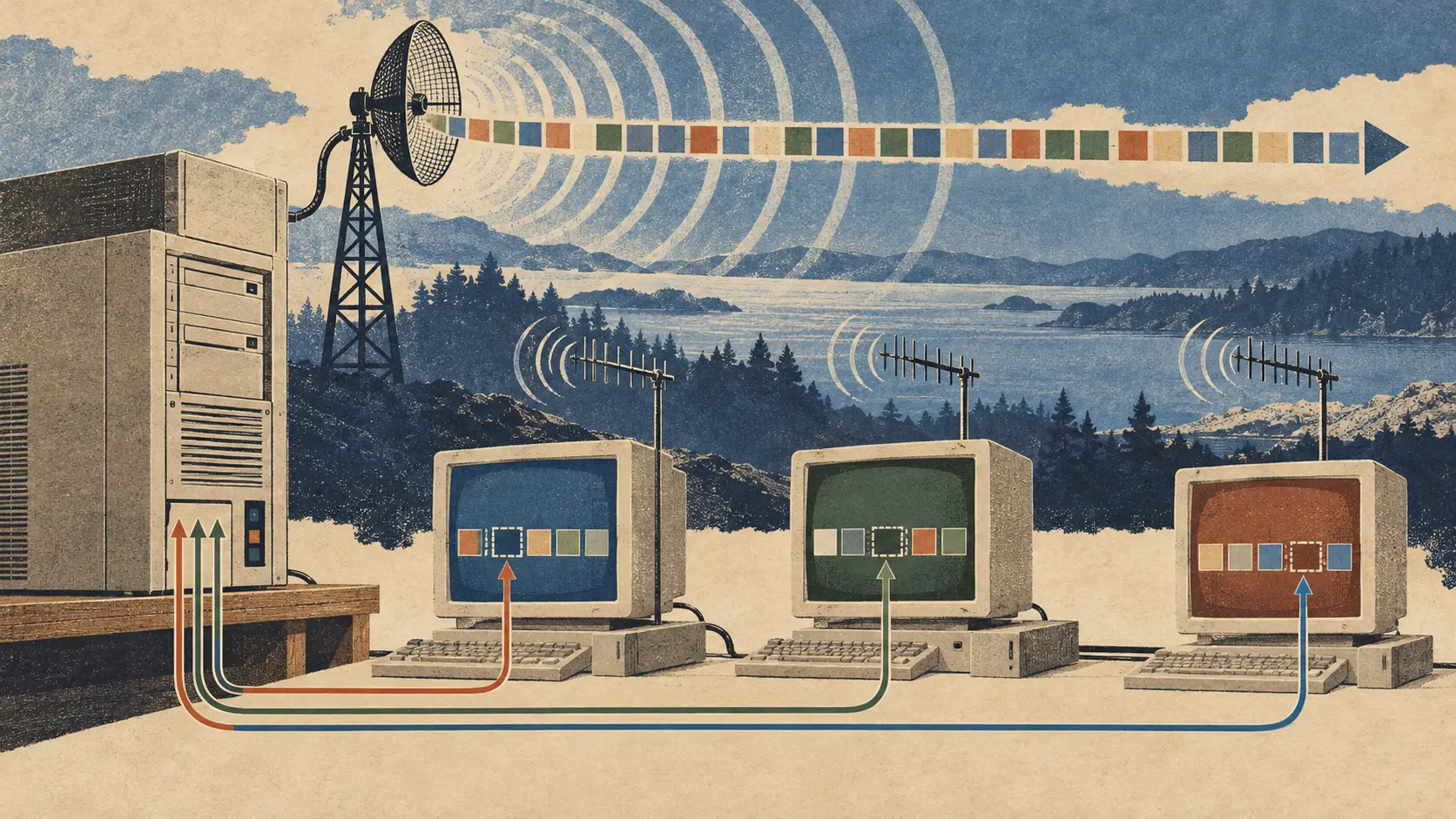
The physical layout stayed flexible. A five-part locator—library, collection, document, file type and file reference—mapped a logical page to a UNIX path. One example stored documents inside collections; another placed file type higher in the directory tree. The second arrangement could put low-resolution images on fast disk and high-resolution copies on slower storage. It could also let FTP or Gopher offer the small images while the full-resolution files remained restricted. The catalogue did not have to order the disk, and the disk did not have to decide who could read.
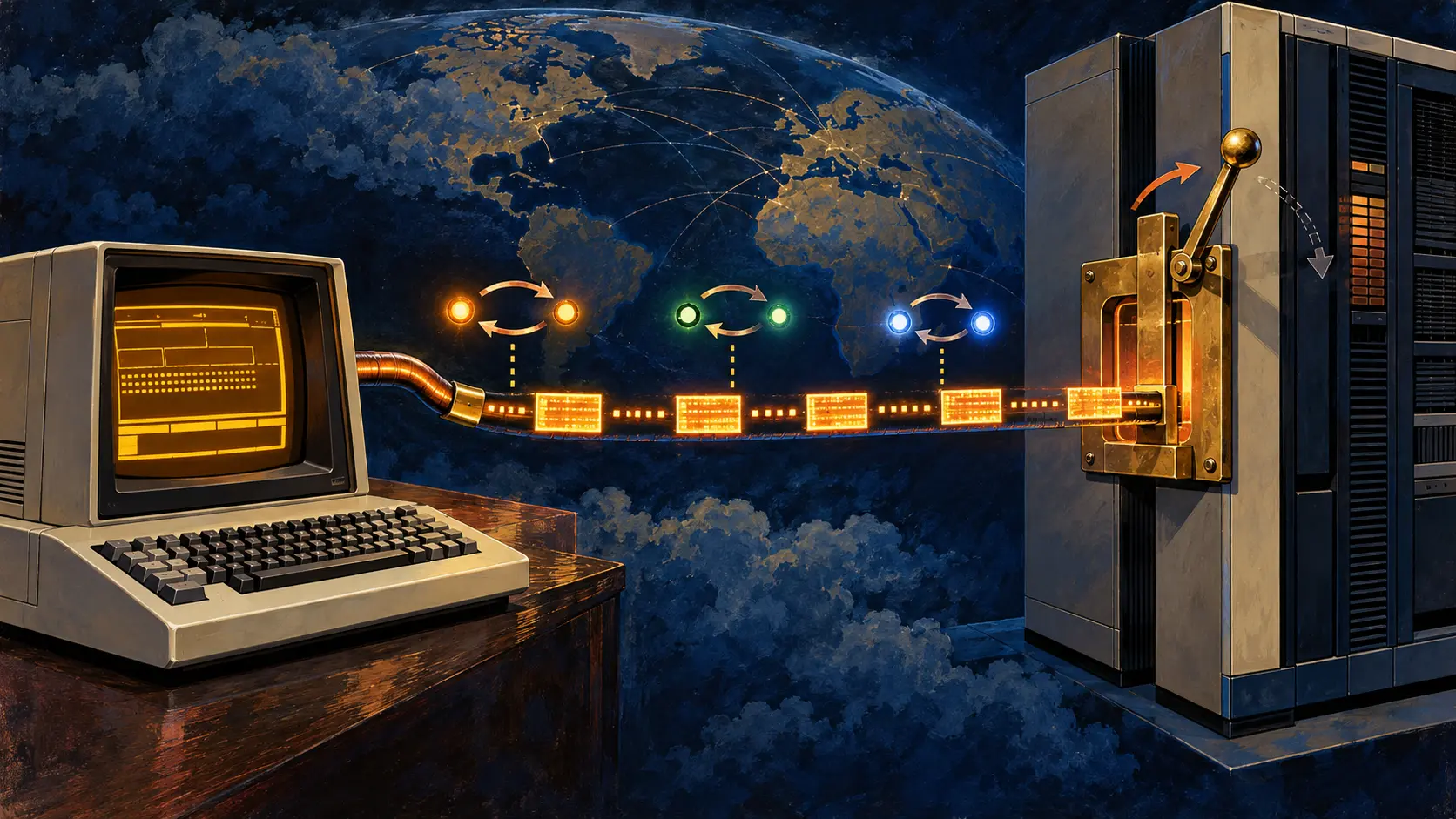
The sharpest line came at authorization. The RFC Editor’s record identifies the document as an Informational RFC, not an Internet standard. Turner described collection-based access with a design capable of checking down to a single file. A patron would get notice when opening the document or a component. That means a title in a result list could be real, correctly indexed and still fail at the page. The memo’s security section offers no analysis of how well that gate resisted attack; the architecture specifies where a gate might stand.
A catalogue hit is a promise to locate, not a promise to deliver. Cornell’s design made the difference explicit in 1994, when the tempting shortcut was to call a pile of scans a digital library. It insisted on a book’s order, an accountable file path and a separate access decision. The reader’s disappointment, if access failed, would occur at precisely the point where the system’s control became visible.
Sources
Member Briefing
Deeper Profile Context
Sign in with the right membership level to unlock the full briefing and source notes.
Only for Strategic Circle
Strategic Circle
Open to all readers. Unlock profile briefings after joining and signing in.
Join Strategic CircleOnly for Leadership Alliance
Leadership Alliance
For qualified IP-asset owners and management; sign in to unlock alliance briefings.
Join Leadership Alliance