
Topic
Public-sector Continuity
Within the Topic facet, Public-sector Continuity topic intelligence connects articles that share a specific subject, signal focus, or monitoring theme. The page gives readers a richer path through related reporting, source evidence, market actors, and infrastructure implications, with enough context to understand why the topic matters across company movements, governance decisions, regional exposure, and operational risk. Readers can compare recurring signals, affected organisations, public evidence, market context, service continuity, procurement, competition, compliance, and strategic planning questions behind the subject instead of stopping at a thin list of matching articles. It explains what the topic covers, which infrastructure actors or policies are involved, what evidence supports the coverage, and why the subject may matter for operators, customers, investors, and policy readers.

CASE FILE
PP-26 Registration Does Not Accredit a State to Vote
A person can be admitted to an international conference while the authority to cast a State’s vote is still unresolved. PP-26 makes that separation unusually explicit: online registration opens an access process, an original diplomatic instrument opens an accreditation process…

CASE FILE
ITU Council Backed Doha for PP-26. The Controlling Decision Still Needs a Public Update
The ITU Council's 25 August extraordinary session did not choose a conference venue from scratch. Decision 636 and majority Member State concurrence had already fixed PP-26 in Doha for 9-27 November 2026. A public update says Councillors supported Qatar as planned; the…

Europe and Middle East Cloud Services Trends
A Sovereign Partition Is Not a Failover Path
The AWS European Sovereign Cloud offers a distinct control boundary. A buyer can count it as disaster recovery only after proving that a workload—not merely AWS infrastructure—can cross that boundary on time.

NANOG
Where Volunteer Responsibility Ends
NANOG runs on volunteer judgement, but judgement is not the same thing as corporate execution. The durable boundary is the moment a proposal acquires an accountable owner, a clock and a remedy.
Europe and Middle East Regional ISP Trends
A digital landline is resilient only for as long as its backup path
The power fails at eight in the evening. The Digital Voice account is active, the number has migrated and a battery unit sits beside the router. An hour later the battery is empty. Or the router remains lit while the fibre modem does not. Or the cordless base and the telecare…

NPNOG
Government support without government mandate: where npNOG meets Nepal’s state
The npNOG-11 running order gave public officials distinct ceremonial, strategic, security and panel roles, while npNOG and its programme chairs retained the conference frame. That contact may be practically useful, but proximity to the state is not a transfer of state authority.
North America Regional ISP Trends
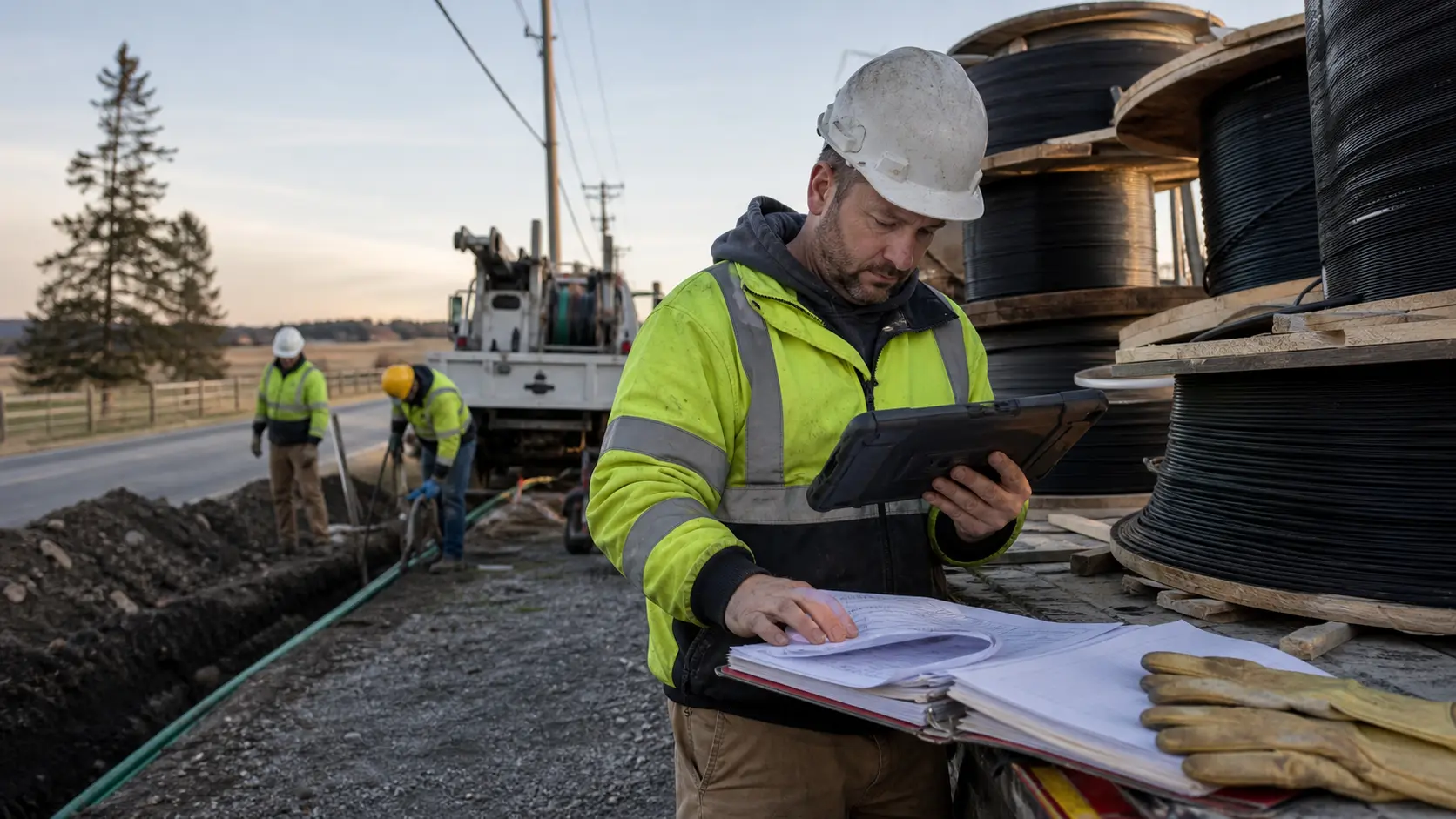
BEAD awards do not become project cash until reimbursement clears
A fibre crew can finish a week's work while the contractor's payroll and the supplier's invoice fall due before the state has accepted the next BEAD payment trigger. The award may be valid, the construction eligible and the project economic, yet the subgrantee still has to…
Global Institutional Trends
A network is not resilient when its clock has one owner
A network can keep its power, routes and servers and still lose the ability to decide what happened first. Precision time is the quiet dependency beneath radio synchronisation, authentication, control systems, transaction records and incident evidence. Resilience begins when the…

North America National Telecom Trends
The outage clock starts before the root cause exists
Canada’s major-outage rules do not wait for an incident team to finish explaining the failure. They create a sequence of reporting clocks that begins with threshold evidence, continues through material updates and ends in a post-outage record that can survive both regulatory and…
Global Institutional Trends
A satellite terminal is not public infrastructure until the buyer can leave
A dish on a roof is visible, countable and easy to photograph at launch. The harder public asset is the right to keep that site connected when the account holder changes, the subscription ends, a licence moves or the original supplier is no longer the right one.

ICANN
The Writ Reached ICANN; the Registry Data Stayed Abroad
The creditors proposed to sell or license operation of `.ir`. A court could reach ICANN in the United States, but an order changing the root-zone pointer would not deliver the foreign registry’s database, secure a competent successor or oblige the world’s networks to follow the…
Europe and Middle East Regional ISP Trends
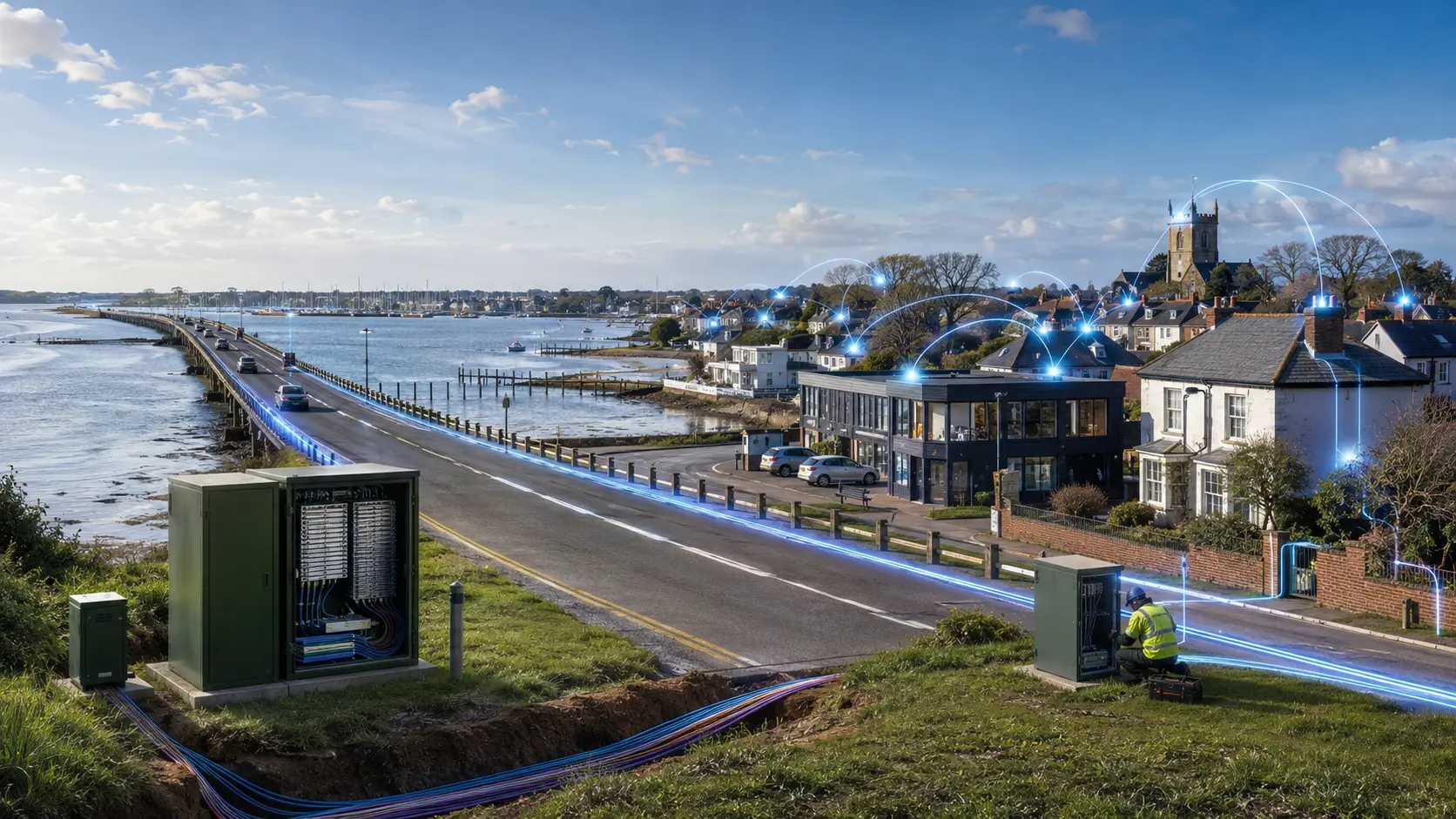
Amphora Connect switches on West Mersea fibre network
Amphora Connect's 18km fibre route from Colchester to West Mersea is live, putting around 4,000 homes and businesses within reach.

Latin America and Caribbean National Telecom Trends
Colombia cancels Amazon fibre tender after costs rise
Colombia has cancelled a planned Amazonas and Putumayo fibre network after its estimated cost rose 67.1% and officials identified delivery risks.
Global National Telecom
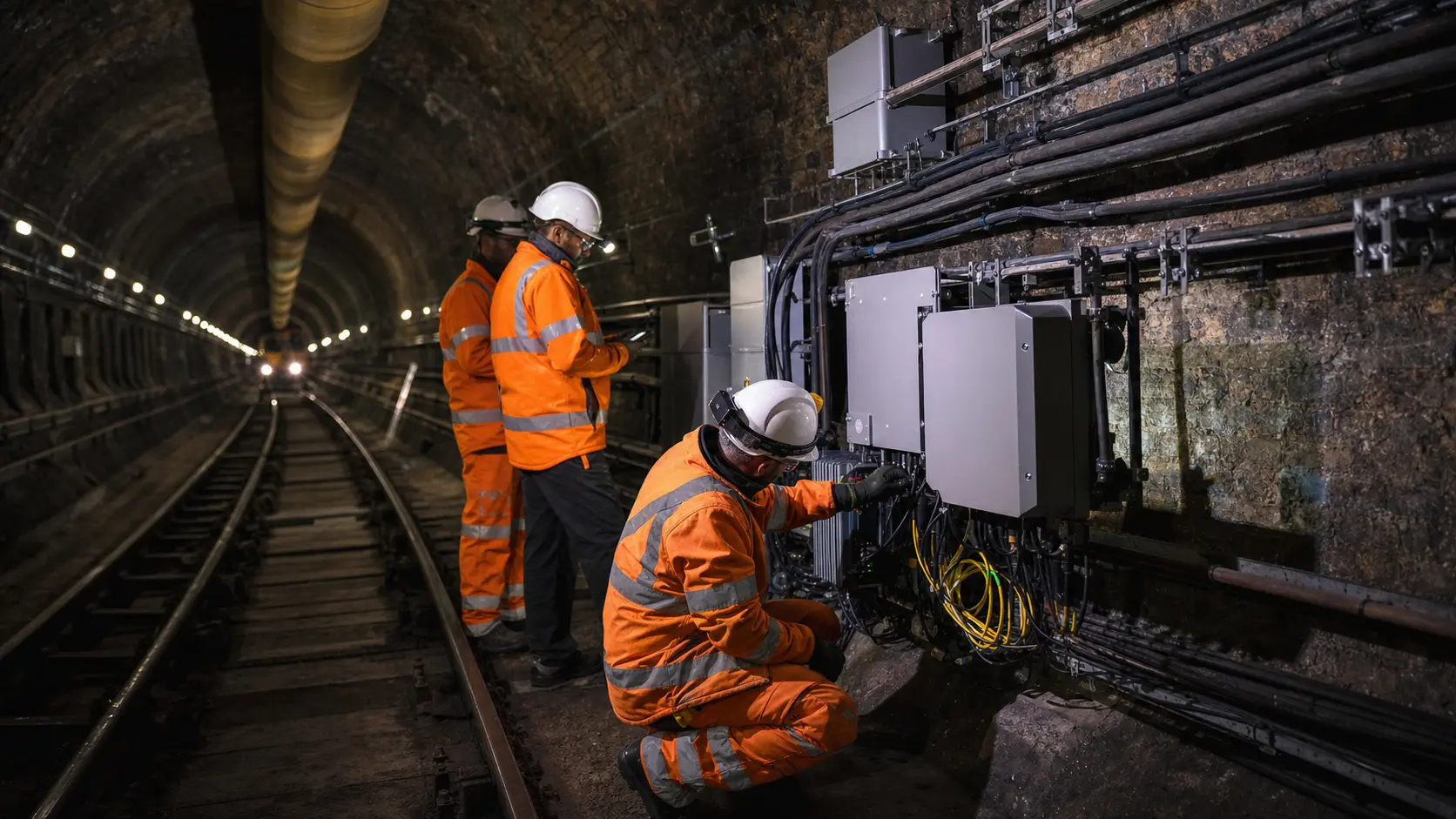
Boldyn's £1bn Tube network must earn its 20-year lock-in
Four mobile operators can share one radio and fibre layer beneath London instead of attempting four separate builds. That is sensible engineering. It is also a twenty-year concentration of operating power, financed before the network produces mature cash. Boldyn has to prove that…
North America Institutional Trends
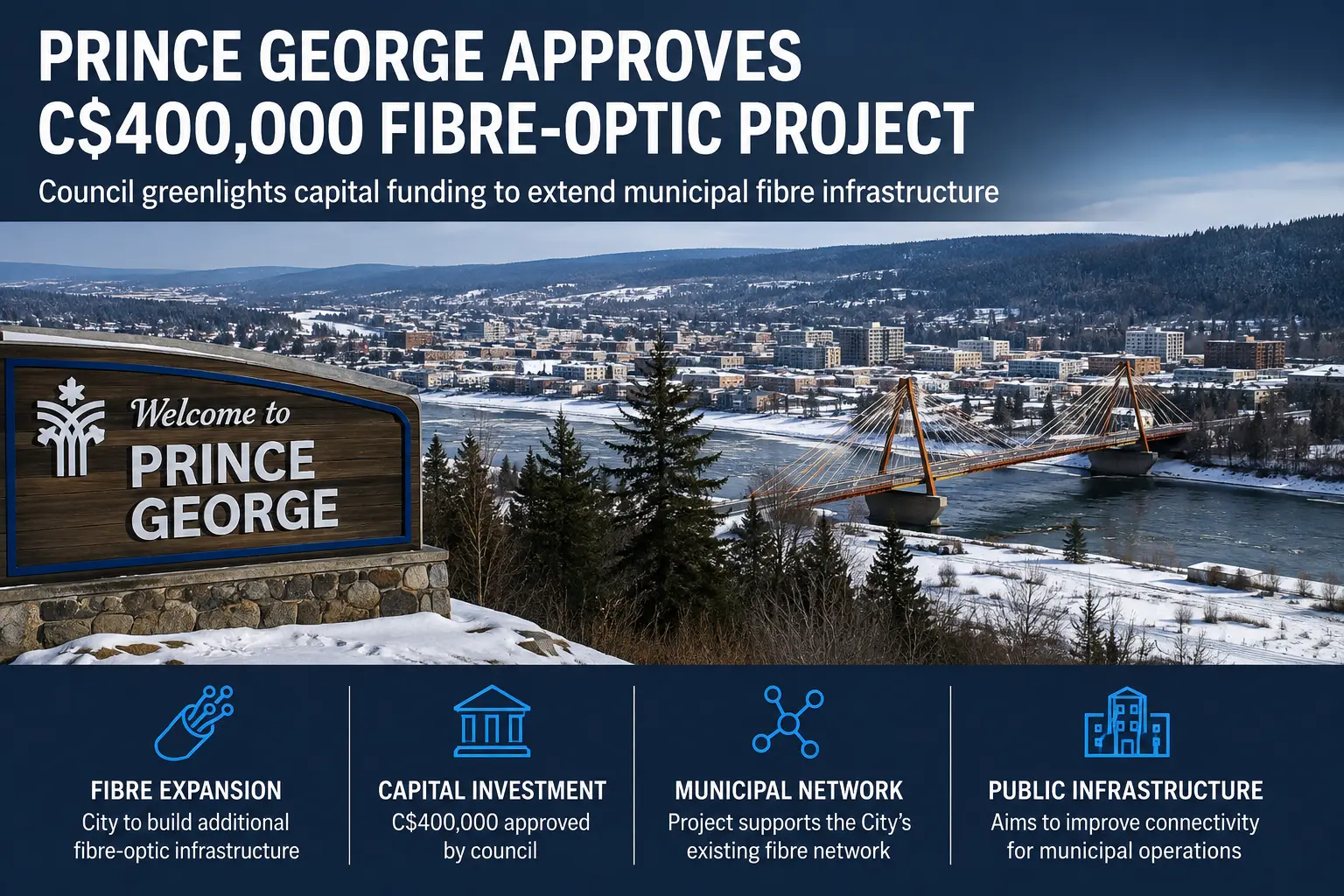
Prince George approves C$400,000 Northern Health fibre link
Prince George will add a second Northern Health fibre link before hospital construction severs an existing route, using revenue from its municipal network.

History
The Web CERN Chose Not to Own: How a Laboratory Designed Its Own Exit
The World Wide Web did not become universal merely because it was invented at a famous laboratory. It became portable across institutions because its common machinery was kept small, its specifications were public, its clients escaped one workstation, and CERN eventually removed…
History
The Network That Let Institutions Join Unequally: CSNET and the Architecture of Partial Access
CSNET widened the networked research community without pretending that every institution could afford or operate the same connection. By combining ARPANET access, full Internet service over commercial X.25, and dial-up PhoneNet mail, it showed that interoperability could begin…

History
The Day the Old Protocol Lost Its Network: The 1983 TCP/IP Cutover and the Limits of Technical Authority
On 1 January 1983, an ARPANET host that still depended on NCP faced a new fact: the network beneath it could stop servicing the old protocol. The famous cutover mattered not because a memo became universal law, but because a disclosed rule reached an execution boundary whose…
History
Where the Network Stopped: The IMP, the Host, and the First Price of Shared Correctness
ARPANET’s Interface Message Processor made packet switching operational by putting substantial machinery into a dedicated subnet. It also made a harder problem visible: infrastructure can carry, check, meter and protect communication without possessing the knowledge required to…

History
When the First Network Became Replaceable: ARPANET’s Retirement and the Internet That Continued
ARPANET did not take the Internet with it when it was retired in 1990. That was not because the pioneering network had become unimportant. It was because its most important function—making unlike networks communicate—had already escaped the machinery and institution that first…