
Profile
Research
Research profile intelligence connects person, company, institution, and other entity coverage for readers comparing the subjects behind BTW.MEDIA reporting. The page helps compare public profiles, related events, evidence packs, role changes, operating footprints, governance exposure, organisational links, and market relevance while keeping organisation and people records distinct from ordinary news chronology. Readers can understand the subject behind the headline, the evidence supporting that profile, and the infrastructure or market relationships that make the profile relevant. They can see who or what the profile represents, which public sources support it, how it connects to companies, markets, governance bodies, or events, and what changes may deserve continued attention as the subject evolves.

History
Star Radio’s Web Bulletins Returned Before Its Shortwave Signal: Liberia, 1998
In October 1998, Liberia briefly ordered local media to stop publishing online. Star Radio resumed its Internet bulletins within weeks, but the government’s separate revocation of its shortwave frequency remained in force. The two decisions exposed different controls over…

History
Armenia’s Local Email Crossed Moscow to Reach Home, 1995
A 1995 technical assessment found that Armenian email’s domain and name server were still in Moscow. Messages exchanged within Yerevan therefore travelled abroad and back, even as a commercial Internet provider, a research institute and a state data network each built a different…

IETF
Mark Townsley and the Architecture Behind an Acknowledgement
A short acknowledgement in RFC 6333 describes a specific kind of influence: Mark Townsley supplied input on the architecture and pointed the work toward SNAT. The author line names four other people. Read together with the drafts and the standard’s operational sections, that…

History
The Cable Was Cut; Intelsat Kept TAT-8 Service Running for Two Weeks, 1989
In February 1989, a break in TAT-8’s French end took the new transatlantic fiber system out of service. Intelsat carried customer service for two weeks while the cable was repaired—a revealing early example of restoring a communications function through another medium.

History
Before Telesur’s Internet, Suriname’s University Network Sold E-mail by the Kilobyte
In Suriname’s early Internet era, a university-linked mail system could connect users to the outside world without offering the Web. A preserved January 1997 update describes how that small service worked, what it cost, and how its operator said it lost users after Telesur began…
History
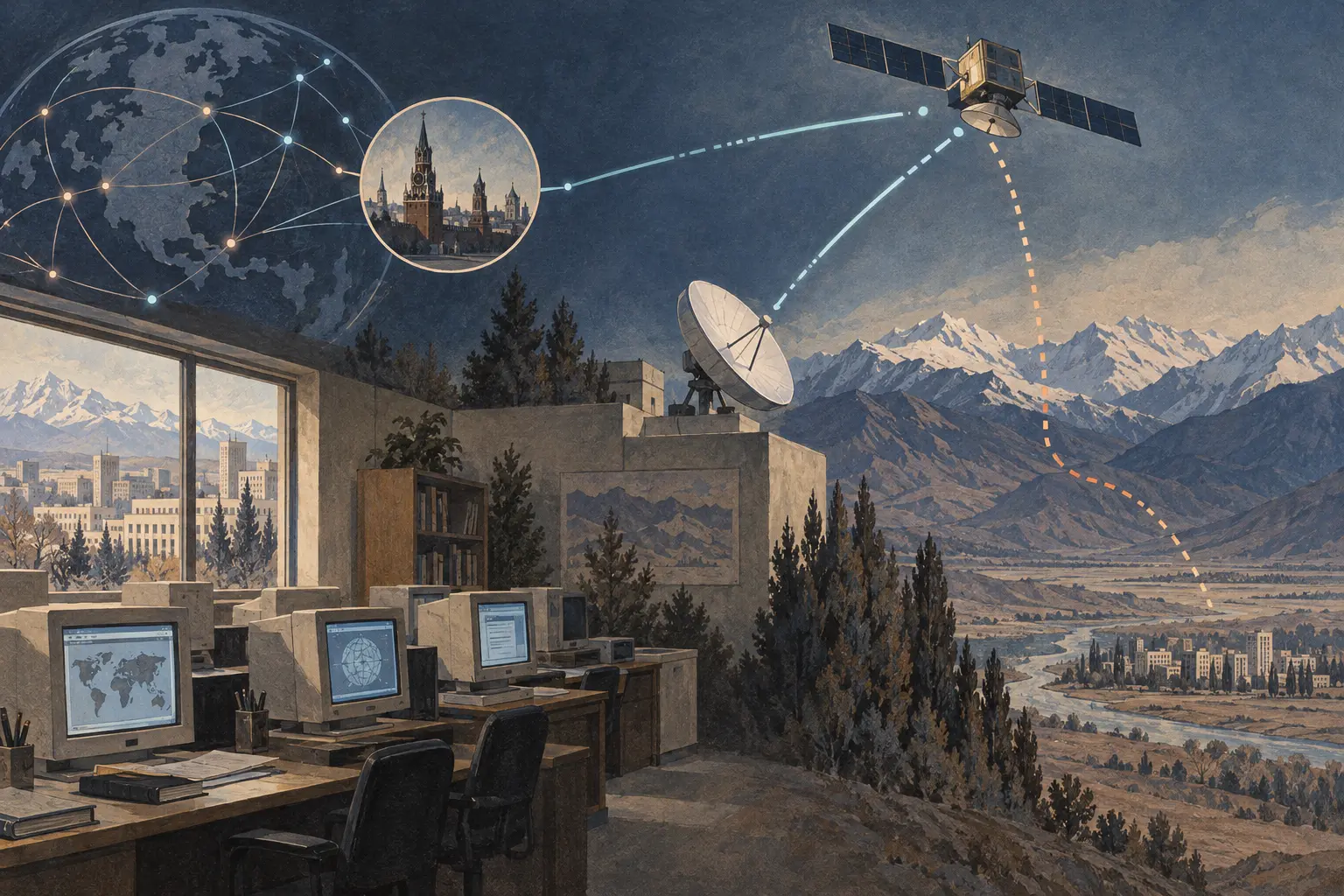
The 1.5 Mbps Link That Could Not Reach Osh: Kyrgyzstan’s KRENA, 2002–05
KRENA already had a 1.5 Mbps link in 2002, and ten Bishkek institutions were attached to the regional SILK network. Yet its route into the network depended on who operated the national research network and which satellite channel had permission to carry traffic. By 2005, Osh…
History
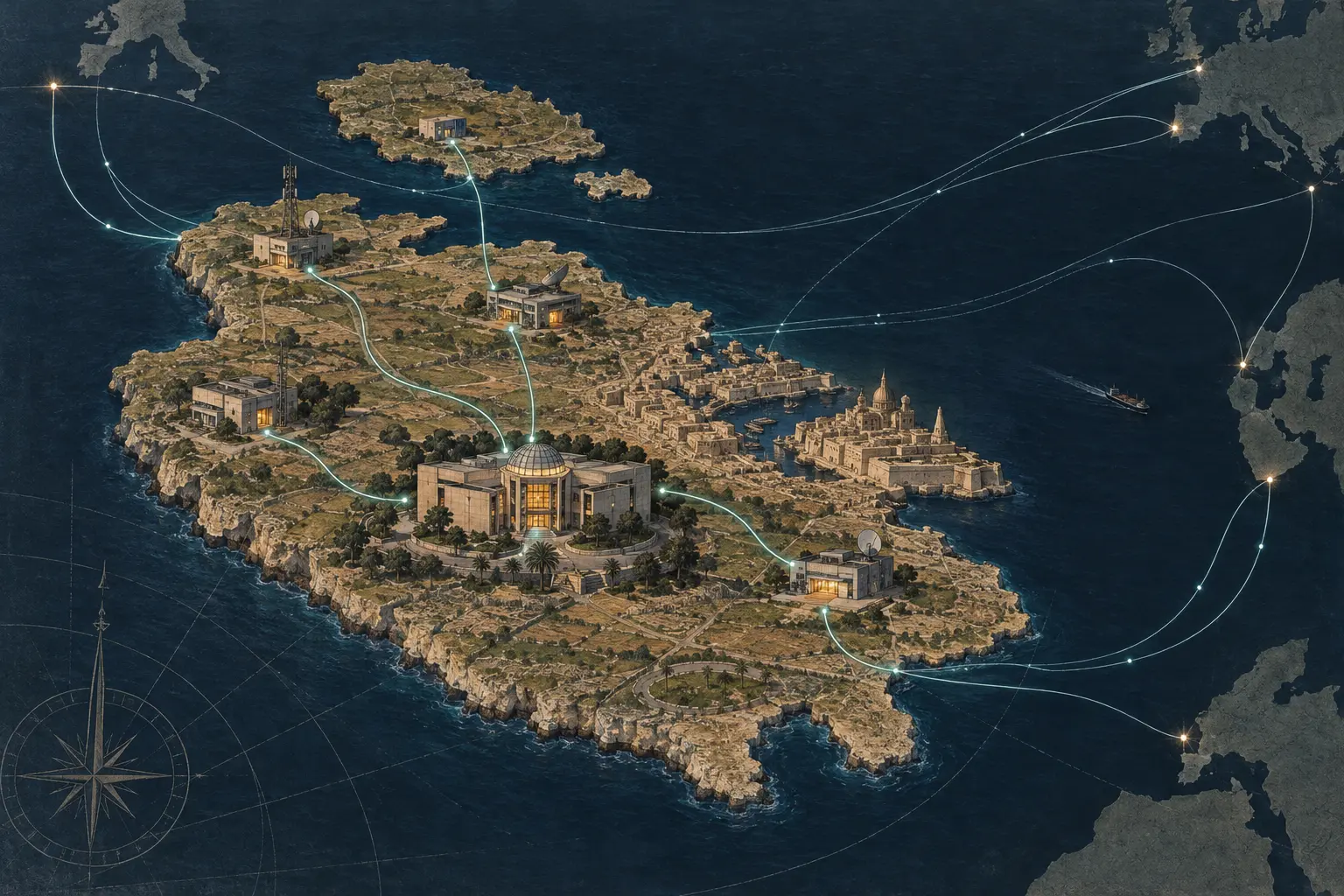
Maltese ISP Traffic Left the Island to Cross Back: The MIX, 1999
By 1999, Malta had several commercial Internet providers, but their customers could not necessarily reach one another over a local route. Different providers chose different international IP suppliers, so some domestic traffic travelled abroad and back. The Malta Internet…

History
Myanmar’s First Official E-mail Came Before the Public Web, 1997–2001
Myanmar’s early Internet was not one switch flipped on a single date. MPT’s official e-mail service, Business Online’s public WWW access and Eagle IT’s commercial e-mail and satellite-linked plans reached different users through different arrangements.
History
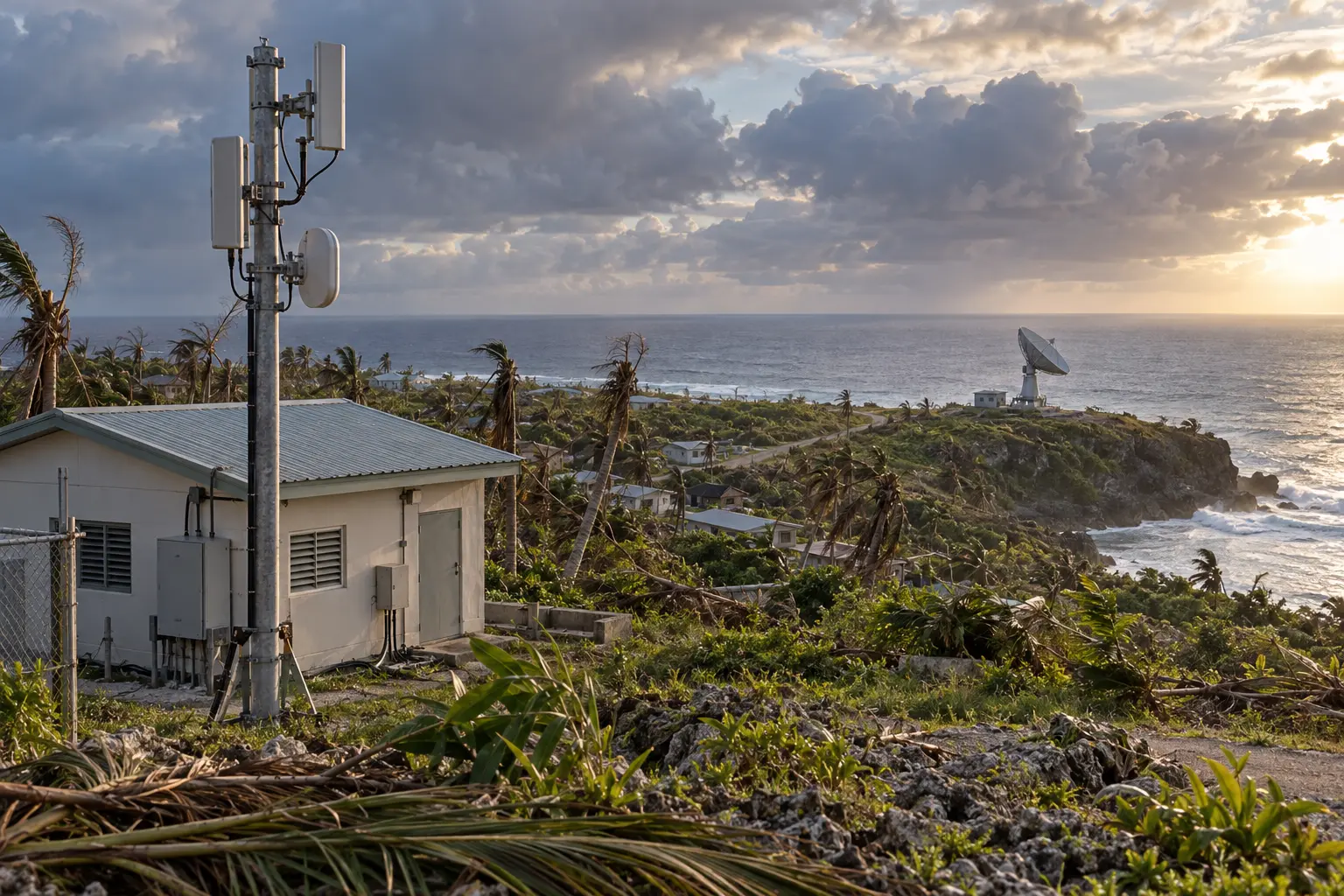
Niue Restored Wi-Fi Before the World Came Back: Cyclone Heta, 2004
On Niue, getting a wireless signal back did not mean the island was back on the Internet. After Cyclone Heta in January 2004, the local Wi-Fi network and the satellite path to the wider world recovered on different clocks. The gap exposes the dependency hidden behind the phrase…

History
The Ping Preceded the Dial-Up: Bahrain’s First Internet Path, 1994–95
A preserved September 1995 traceroute reaches a Batelco nameserver from the United Kingdom. Bahrain’s public dial-up service, however, was inaugurated two months later. An earlier university message described a BITNET connection and an Internet link still in the future.

History
W3C Made Royalty-Free Licensing Part of the Web’s Standards Path, 2003
The Web had spread through specifications that many groups could implement, but patents made that path less certain. After a public and institutional argument over royalty-free (RF) versus reasonable and non-discriminatory (RAND) licensing, W3C approved a policy in May 2003 that…

History
A Directory You Could Rewrite: Prospero’s Internet Map
Prospero treated the growing Internet less as one catalogue to be searched than as a landscape users could arrange for themselves. Its virtual directories linked references to files, indexes and services that stayed on separate machines. The design anticipated a useful layer…

History
Reno v. ACLU Treated the Internet as User-Directed Speech, 1997
When the Supreme Court reviewed the Communications Decency Act, it did not treat the Internet as radio arriving uninvited in a household. The case record described people choosing messages, entering discussions and publishing pages. In 1997, that pattern helped the Court reject…

History
Benin Connected for a Summit. OPT Kept the Gateway.
A connection prepared around Cotonou’s 1995 Francophonie summit became the first visible edge of a longer system. The Office des Postes et Télécommunications (OPT) ran the gateway; routine service arrived later, and a decade’s first provider growth did not immediately produce…

Leaders
Kevon Swift and the Work Left After Digital Training
Ayitic tried to connect digital-skills training in Haiti with a path into paid work. The public record places Kevon Swift in Caribbean coordination and project-responsibility roles, while its evaluations show why a completed course could still leave the hardest part unresolved…
History
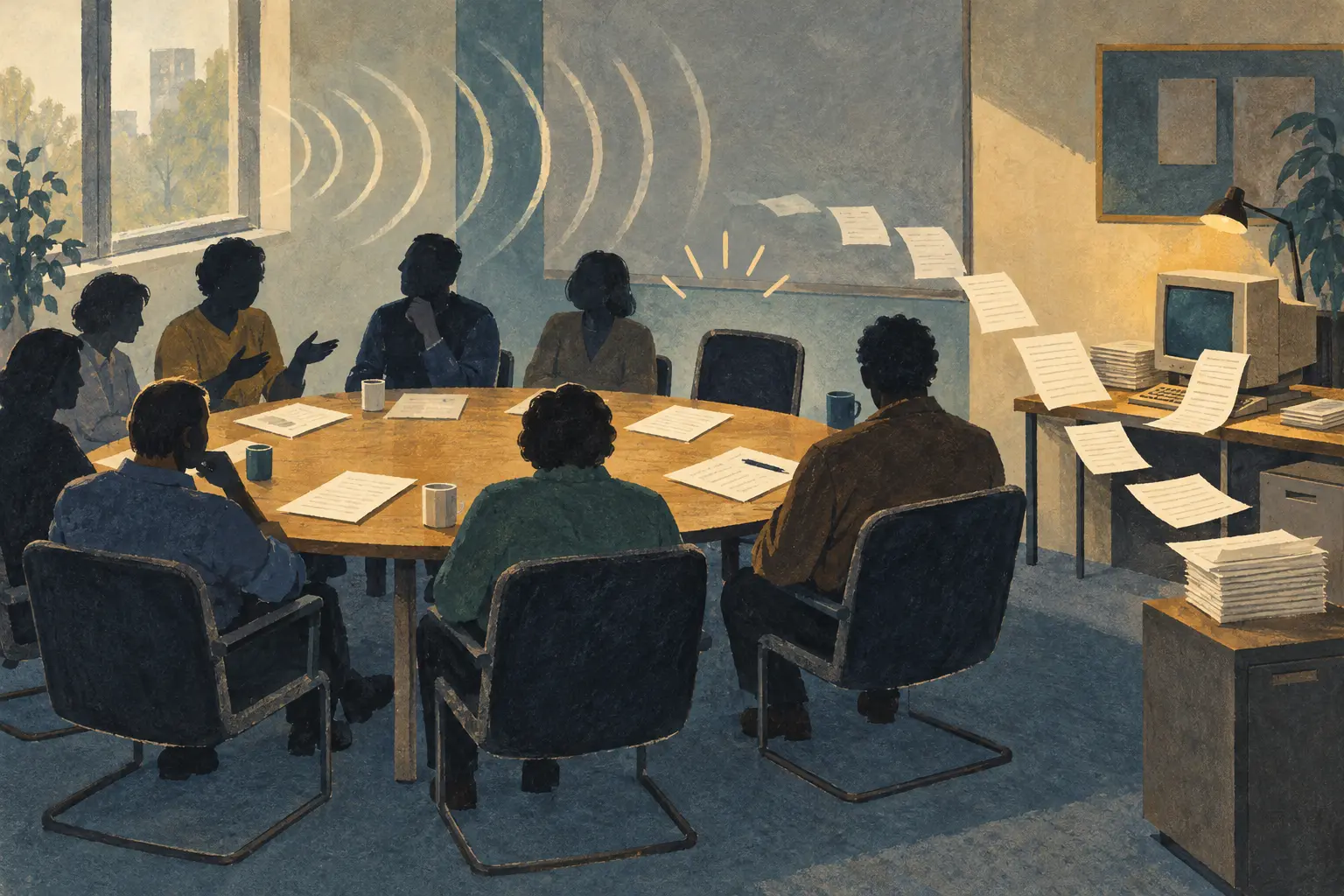
IETF Humming Was a Start, Not a Vote: RFC 7282, 2014
The IETF’s “hum” could make a room’s direction audible, but it was never meant to settle a technical question by volume. RFC 7282 turned that distinction into a practical account of rough consensus: surface objections, examine them, and explain the chair’s judgment before work…
History
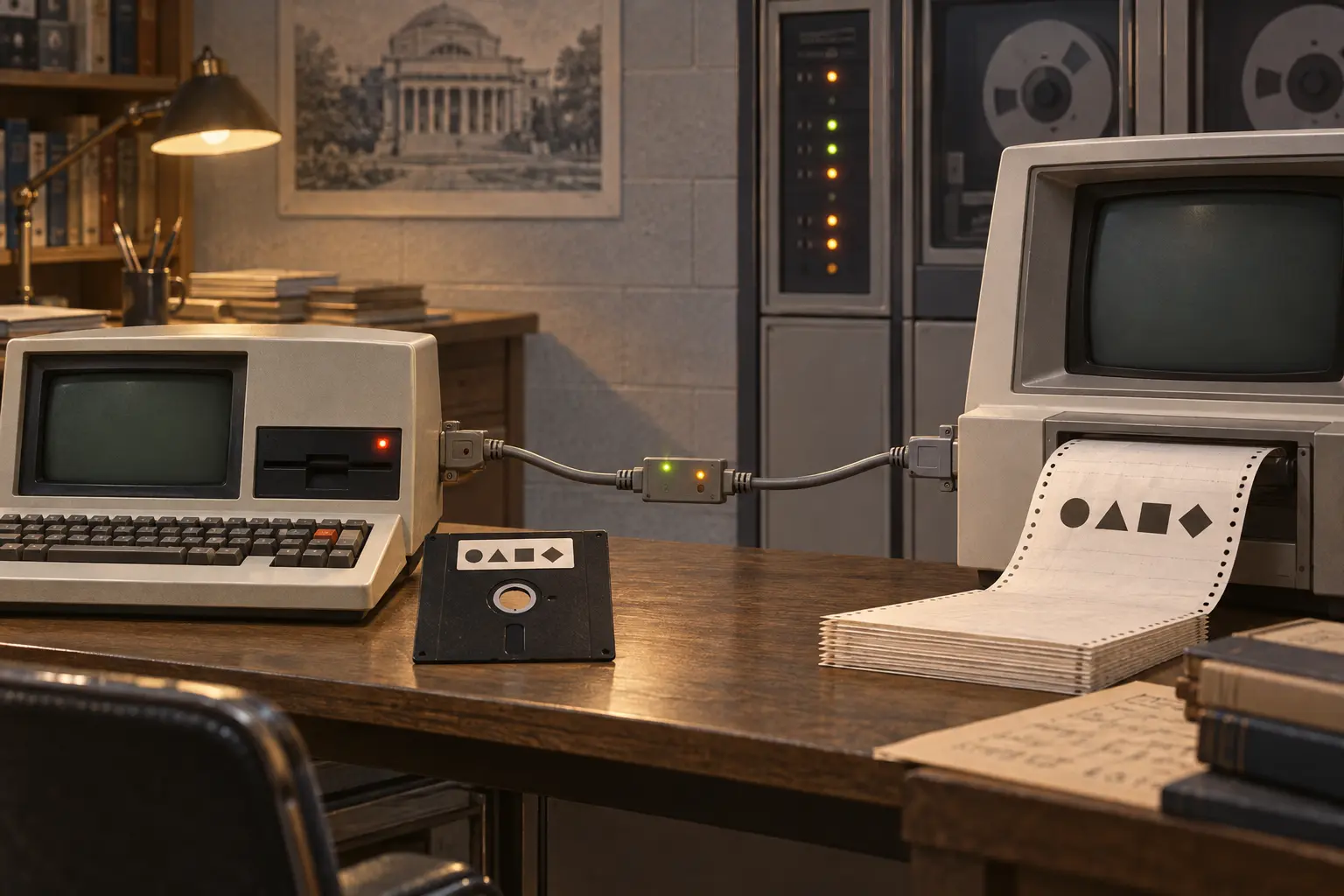
Kermit Made the File Portable Before the Computers Matched
The first Kermit transfer joined two copies on one DEC-20. The harder test came weeks later, when a CP/M microcomputer and a mainframe had to agree on what a file was as well as how to send it.

History
The Usenet Approved Header Marked a Decision, but Left Identity Open
Usenet needed a compact way to distinguish a moderator’s decision from an ordinary reader’s submission. The `Approved:` header supplied that signal; it did not authenticate the person named in it. The difference mattered because the same marker sat at the boundary between…

History
The Approved Line Could Not Prove Who Cleared a Usenet Post
Usenet needed a compact way to distinguish a moderator’s decision from an ordinary reader’s submission. The `Approved:` header supplied that signal; it did not authenticate the person named in it. The difference mattered because the same marker sat at the boundary between…

History
The UUCP Map Stayed Useful Because Its Users Maintained It
A volunteer-maintained directory helped UUCP sites find neighbors, contacts and mail routes. Its value depended on operators reporting changes: the shared map described the network, while each site still assembled its own routing view.