
Profile
Research
Research profile intelligence connects person, company, institution, and other entity coverage for readers comparing the subjects behind BTW.MEDIA reporting. The page helps compare public profiles, related events, evidence packs, role changes, operating footprints, governance exposure, organisational links, and market relevance while keeping organisation and people records distinct from ordinary news chronology. Readers can understand the subject behind the headline, the evidence supporting that profile, and the infrastructure or market relationships that make the profile relevant. They can see who or what the profile represents, which public sources support it, how it connects to companies, markets, governance bodies, or events, and what changes may deserve continued attention as the subject evolves.

Europe and Middle East Institutional Trends
The Pass Is Not the Prize: CADA’s Two Procurement Decisions
The European Commission’s proposed Cloud and AI Development Act does not create one undifferentiated “European sovereignty” preference. It builds two different procurement mechanisms for different jobs: Articles 29–30 would determine which recognised cloud services may enter…

History
A Cent for Every 320 Bytes: How BELINET Financed Belize’s International Mail
In 1994, the University College of Belize faced an unusual constraint: the international telephone call could cost more than the messages it carried. BELINET pooled institutions around a monthly site fee and a charge for each 320-byte block of international email.

History
Kenya’s Full Internet Link Came After Years of Email
Kenya’s full TCP/IP connection in October 1995 did not begin the country’s networked life. It changed what an existing, mostly institutional system could do.

History
The Ping Arrived Before the Service Date: Sudan’s Internet, 1996–99
A university email relay, a test packet answered from abroad, and a government report’s launch date describe different stages of Sudan’s first Internet connections. The record does not collapse them into one national “first.”

Story
AS36049: A Virtela Identifier That Outlived Its Routing
AS36049: A Virtela Identifier That Outlived Its Routing intelligence summary explains the development, the public evidence available to readers, the organisations involved, the regional context, market exposure, and the infrastructure consequences that may follow. The Story…

History
Hurricane Andrew Hit Costa Rica’s Internet Route Before It Opened
Costa Rica’s first Internet connection depended on a receiving site in Homestead, Florida. Hurricane Andrew damaged that end of the route; the University of Costa Rica connected on 26 January 1993.

History
Slovenia’s X.400 Mail Server Went to the Basement During the 1991 War
Before Slovenia had a direct IP link to the Internet, its research community already moved messages across older networks. In 1991, keeping that mail service available meant changing both the machine and the room it occupied.

History
Croatia Connected to the Internet on a 9.6 kbps Academic Link, 1992
CARNET’s 1992 Zagreb–Vienna connection joined an academic network project to the global Internet. Its first institutions and one public terminal show why a national connection did not mean universal access.

History
CyIX Was on the 1999 IXP Map. The Entry Says Little About Its Network.
A 1999 Cisco inventory listed Cyprus’s exchange point among sites said to be operating. CYNET dates its founding to that same year, but neither source tells us who peered there, how the network was built or what local users gained.

History
The IP Timestamp Option Kept a Route Diary, Not a Stopwatch, 1981
In 1981, IPv4 gained a small field for recording where a packet had been processed and when. Its design resembles a route diary, but it cannot be read as a synchronized stopwatch for network delay.

History
UDP’s Zero Was a Status Flag, Not a Checksum, 1980
A 16-bit field made room for two different zeros: one was a computed checksum, the other a signal that no checksum had been sent. The distinction began in UDP’s 1980 specification and later met stricter rules in IPv6.
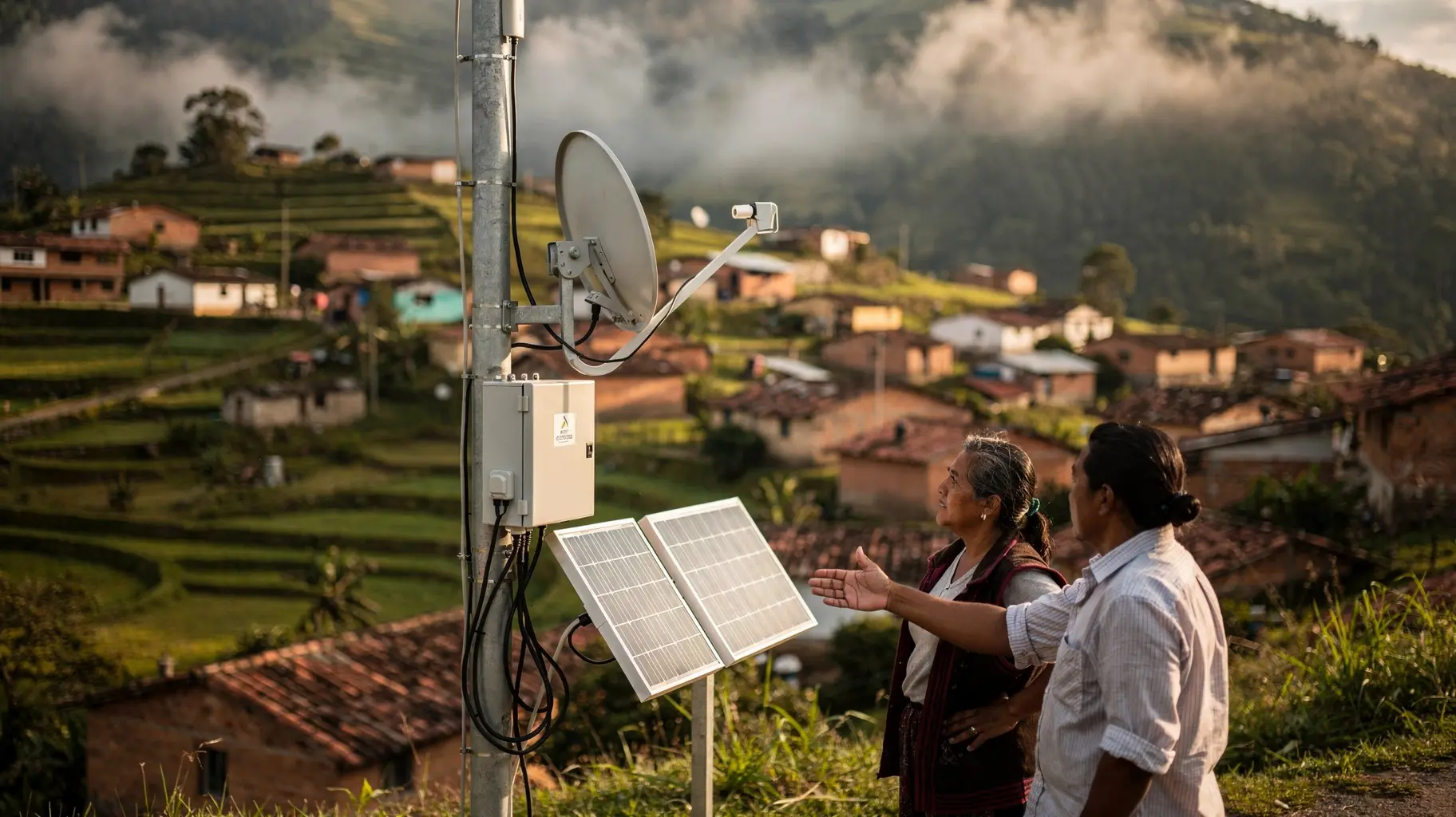
Latin America and Caribbean Regional ISP
A Registry Listing Without a Network: Colombia's Vahos Telecom Association and the Limits of Numbering Evidence
A community association in Colombia carries an operator identity in BTW's directory, a paper trail that points at the number-resource world, and almost nothing else that a reader can check. This report separates what a registry listing can and cannot certify for a rural ISP, and…

History
One IGMP Report Could Prove Presence, Not Headcount
A 1989 standard made multicast membership visible to neighboring routers with a deliberately economical signal: one host report could speak for a whole local group, while silence after departure had to age out.

Asia-Pacific National Telecom Trends
DOCOMO’s multi-vendor RAN turns openness into an operating test
NTT DOCOMO says Nokia’s latest base-station equipment entered commercial service in September with radio units from more than one supplier. The claim is narrow, but its significance is practical: the question has moved from whether an interface is open to who can install…

History
Oman’s International Link Neared 30 Mbps; Fewer Than One in Ten Homes Had a PC, 1997–2001
By 2001, Oman’s connection to the wider Internet had expanded sharply, but a national link and a household endpoint were different things: the International Telecommunication Union reported that fewer than one in ten homes had a personal computer.

Academics
Wietse Venema made Postfix’s privilege boundary a deployment choice
Postfix does not treat root as an all-or-nothing property of the whole mail server. Its privileged master can prepare a service with access to the files it needs, then let most daemons give up root before they handle requests. A newer unprivileged-master option changes that…

Asia-Pacific Institutional Trends
The Right to Choose a Feed: Australia's New Test of Platform Control
Australia's proposed “My Feed, My Way” rules would turn a familiar social-media setting into a legal commitment, but only if Parliament supplies the statutory foundation, the resulting instrument takes effect and platforms make the choice work in practice. The distinction matters…

History
Burkina Faso’s Research Network Had Two Routing Centres
Before Burkina Faso’s public Internet service began in 1997, a research network already moved email between local institutions and international research systems. Its design assigned domestic message routing to the École supérieure d’informatique and international routing to…

History
A Traceroute Reached Madagascar’s Web Host from London, 1996
On 1 February 1996, a probe from Imperial College London reached a web host in Antananarivo after crossing UK and European networks. The trace is a vivid record of reachability—and a reminder that one successful response cannot stand in for a country’s Internet service.

History
A Chad Host Answered Before Tchadnet’s Recorded Opening, 1997
A 1995 mail relay and a 1997 traceroute reveal two earlier, narrower forms of connection than the later national gateway. They show what could cross a border—and what the surviving evidence cannot say about access inside Chad.