
Primary Domain
Telecom Economics
Within the Primary Domain facet, Telecom Economics intelligence groups reporting by primary domain so readers can follow a focused area of internet infrastructure, governance, connectivity markets, or digital capital. The page brings together related articles, public evidence, institutions, companies, people, regional exposure, operating dependencies, and market context that may otherwise sit across separate category pages. It explains the domain, the likely actor class, the market or governance context, and the source material readers should use when comparing signals. Operators, analysts, and governance readers can see how the same domain appears across events, profiles, market shifts, public-source evidence, regional dependencies, and longer-cycle infrastructure decisions over time.

Europe and Middle East Regional ISP
Sotcom must make a legacy telephone relationship pay for modern continuity
JSC Telephone Company "Sotcom" has the shape of a local operator whose oldest asset is not copper or a switch, but the customer habit of paying one Ryazan communications bill for reachability; the economic test is whether that habit can still carry the labour, access, upstream…
Europe and Middle East Regional ISP
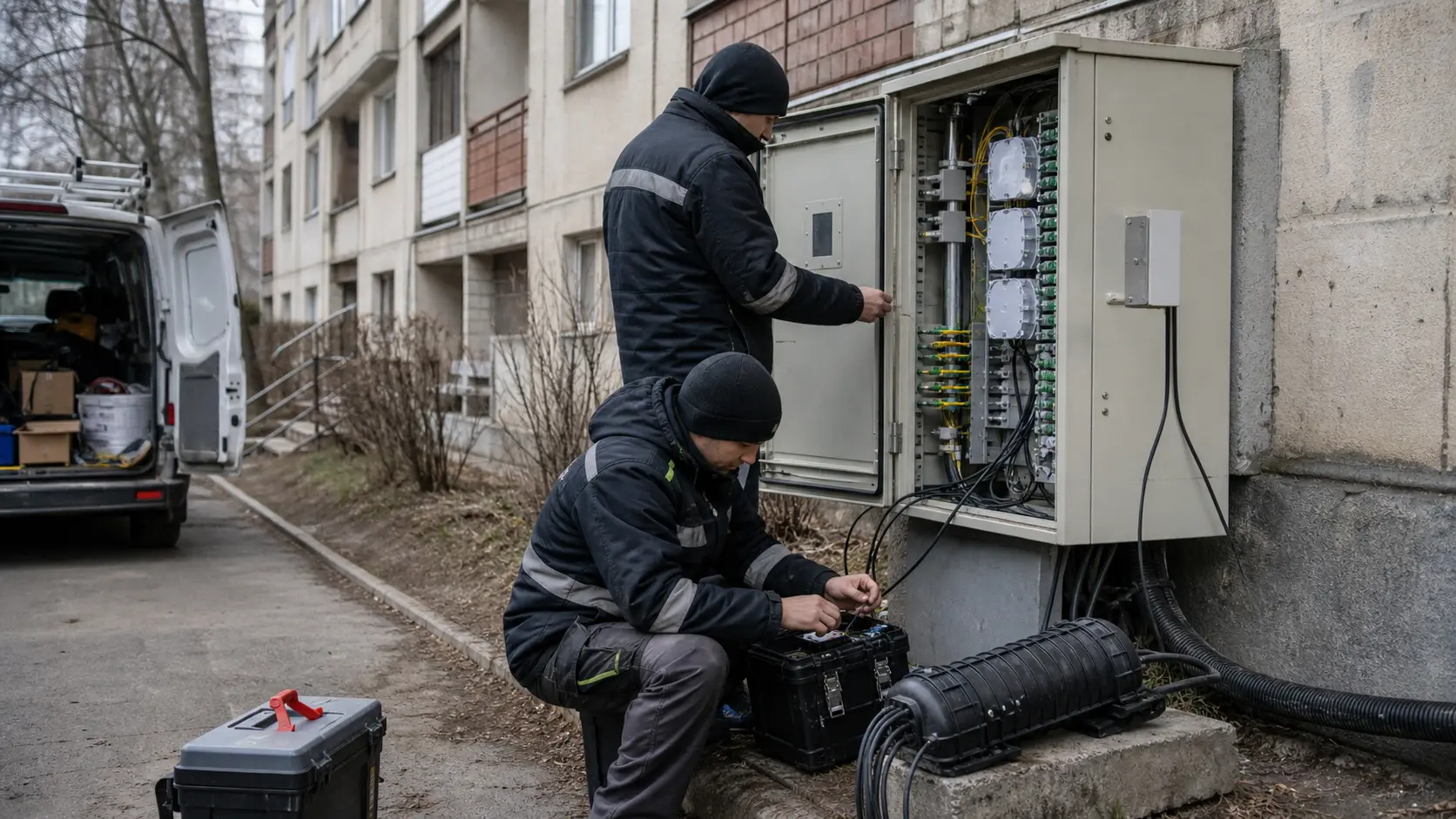
K-telekom must make local access density outrun repair and renewal costs
K-telekom LLC is best understood as a regional access-density business, not as a national telecom story: the economics turn on whether enough paying homes and small businesses can be won around each local node to cover installation, upstream capacity, support labour, churn…
Europe and Middle East Regional ISP
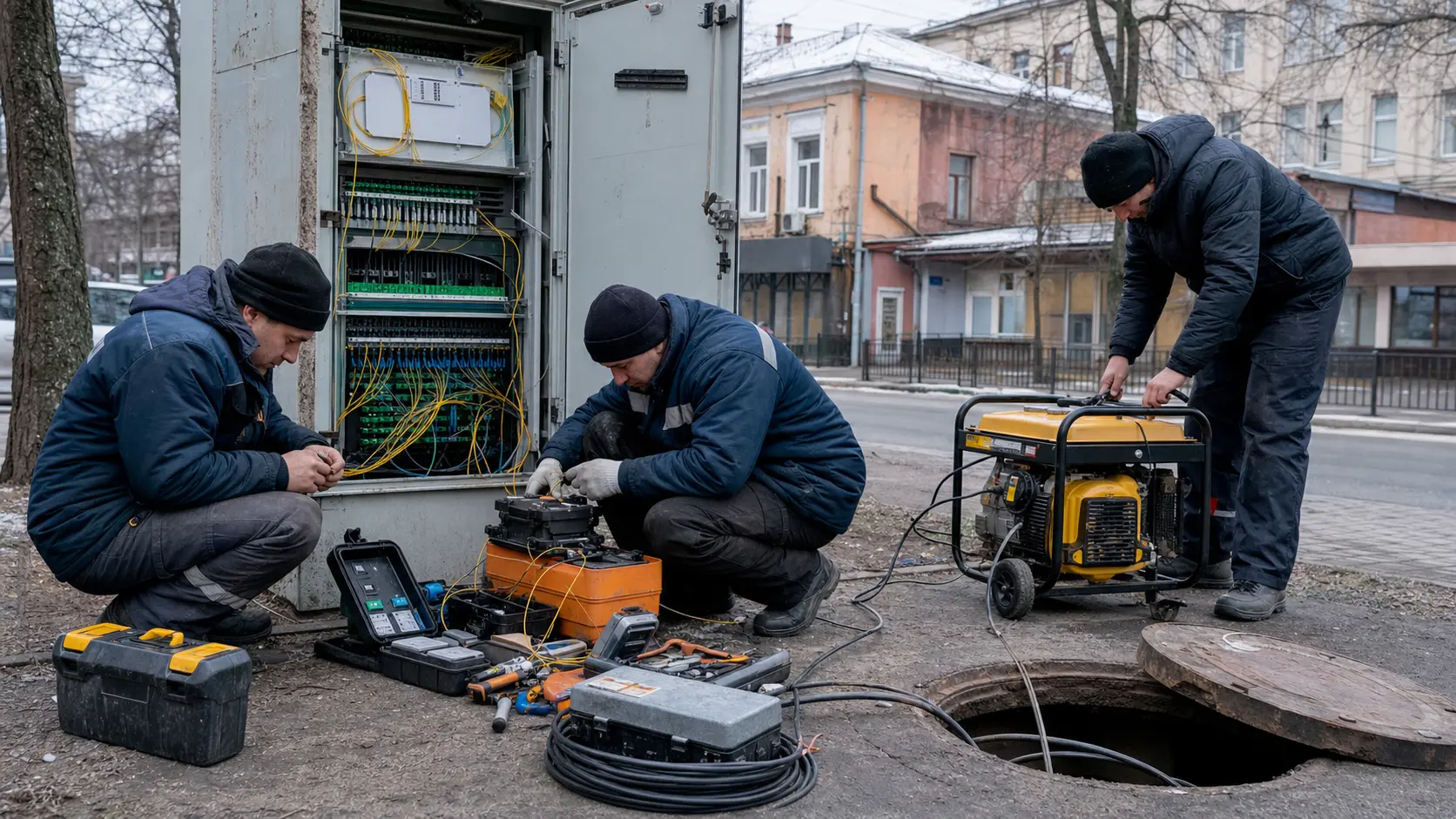
Kaluska informatsiyna merezha must price wartime continuity into every local connection
Kaluska informatsiyna merezha must price wartime continuity into every local connection intelligence summary explains the development, the public evidence available to readers, the organisations involved, the regional context, market exposure, and the infrastructure consequences…

Europe and Middle East Regional ISP
Kazanbel Net must make local broadband pricing survive currency-linked inputs
A Kazanbel Net subscriber bill is collected in Turkish lira, but much of the service behind that bill is exposed to costs that move with foreign exchange, national wholesale access terms, imported network equipment, field labour, customer support and churn; the company can keep…

Europe and Middle East Regional ISP
Kentwifi must turn wireless reach into paid density before spectrum and support costs rise
Kentwifi's public record describes a Karapinar-born internet provider that began with wireless access, added a local fiber backbone story, and then used national fixed-line infrastructure through PlayNet to sell beyond its home district; the economics now depend on whether each…

Europe and Middle East Regional ISP
KhmelnitskInfocom must make local repair capacity worth more than cheap bandwidth
One customer outage in Khmelnytskyi is the whole business in miniature: the retail price is small, the visible service is only a fast link, but the economic value sits in the person who answers, the route that still works, the battery that lasts, the spare optic in the van and…
Europe and Middle East Regional ISP
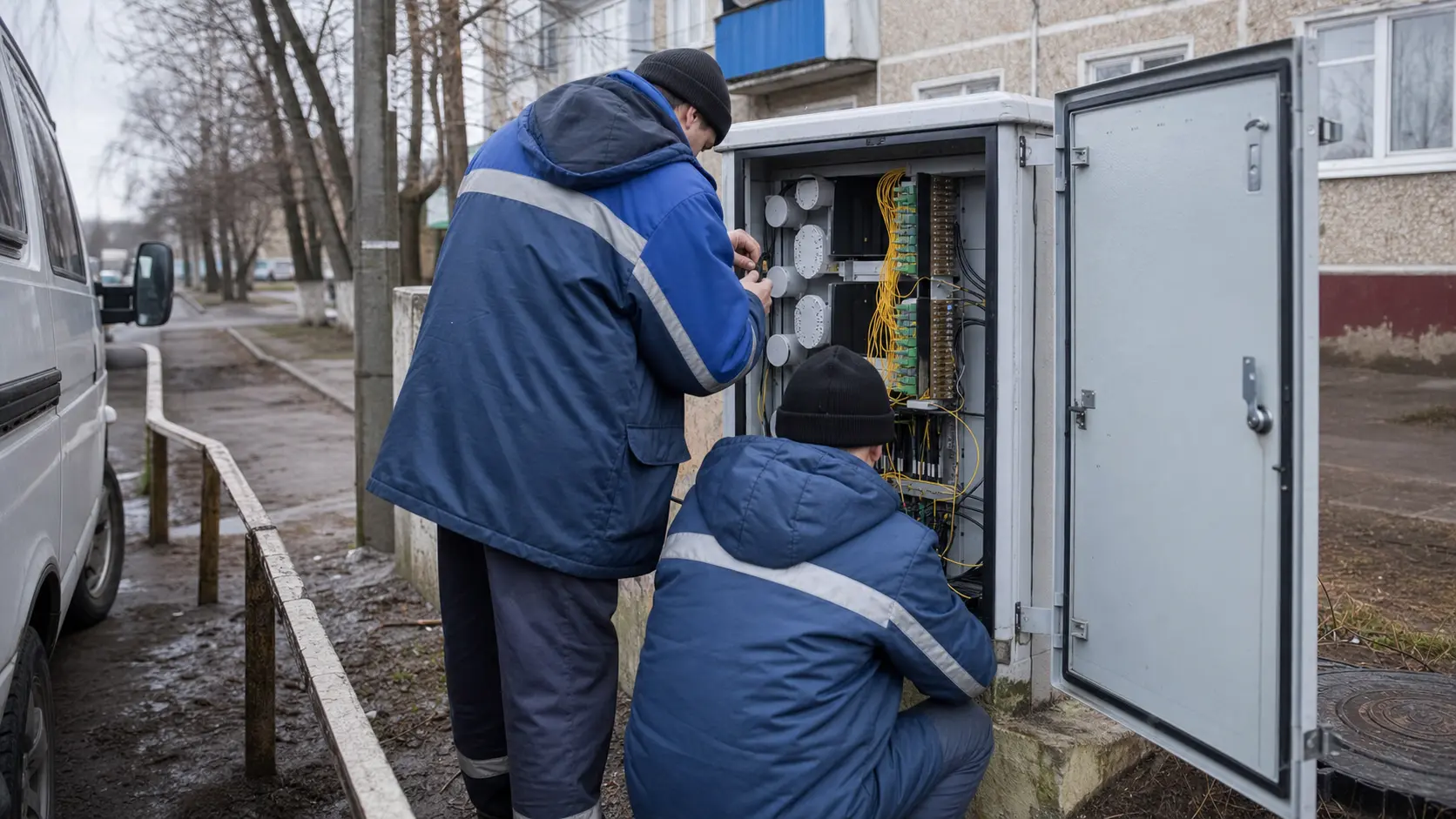
Kirzhachtelecom must make local repair speed pay for a small network
Kirzhachtelecom LLC looks less like a scale telecom story than a test of whether a small fixed-line operator can turn local knowledge, fast field response and district-level fibre reach into enough gross margin to cover upstream transit, support labour, winter repairs, churn…

Europe and Middle East Regional ISP
Kompeatelecom must turn reachable support into recurring margin
A recurring connectivity invoice is useful only if it leaves more than bandwidth resale after upstream transit, field work, renewal friction, abuse handling and customer support are paid. Kompeatelecom Ltd. has unusually visible routing evidence for a small Russian legal entity…

Europe and Middle East Regional ISP
Korporatsia STS must make infrastructure responsibility worth more than commodity capacity
Korporatsia STS must make infrastructure responsibility worth more than commodity capacity intelligence summary explains the development, the public evidence available to readers, the organisations involved, the regional context, market exposure, and the infrastructure…

Europe and Middle East Regional ISP
Koycegiz Bilisim must keep local access economics ahead of imported equipment costs
A local subscriber bill in Turkish lira is the first test of KOYCEGIZ BILISIM HAB.TEK.SAN.TIC.LTD.STI.: the company can show real network operation, local support and multiple retail access offers, but the economic question is whether its monthly contribution per customer can…

Europe and Middle East Regional ISP
Lamis Ukraine must price cross-border continuity above wholesale dependence
Lamis Ukraine LLC looks like a small Kyiv telecommunications company in the public registry, but its routing, procurement and address-record footprint make the economic question sharper: can a four-person fixed-line and Internet services operator price reliability, registration…
Europe and Middle East Regional ISP
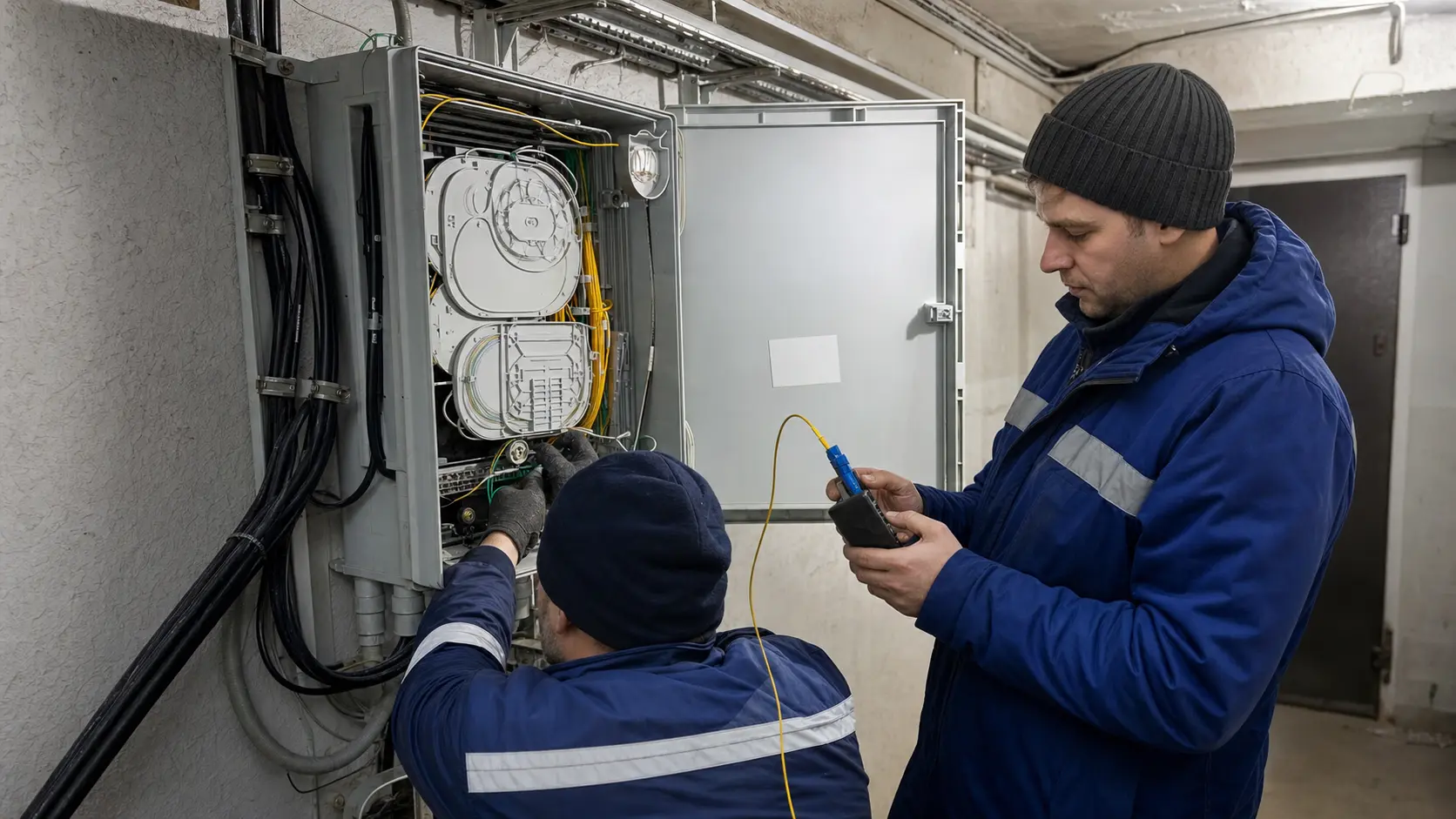
Lanport-S must make each local connection fund the next repair cycle
Lanport-S LLC looks like a small Moscow access operator, but the economics behind each connection are larger than the monthly tariff suggests: every household, office and building connection must carry upstream reachability, local field work, support availability, router…

Europe and Middle East Institutional
FC Bayern must turn dominance into compounding cash
Supporters, broadcasters and sponsors pay FC Bayern Muenchen AG for attention, but that attention is only valuable while sporting relevance feels durable. The club's economic task is to convert trophies, global demand and a fixed match inventory into recurring cash returns…

Europe and Middle East Institutional
Azimut Must Make Distribution Growth Survive Fee Compression
Savers pay Azimut for advice, access and portfolio construction, not for ownership of a cheap market index. That is an attractive bargain when advisers keep clients invested, private-market products add something hard to buy elsewhere and international expansion lifts margins. It…

Europe and Middle East Institutional
Benetton must make renewal outrun inventory risk
Edizione has chosen to fund another Benetton reset rather than harvest the name, sell it or shrink it immediately into a licensing shell. That choice buys the fashion group time, but it also raises the economic test: Benetton now has to make brand relevance, full-price…

Europe and Middle East Institutional
BlackBerry UK Must Turn Embedded Trust Into Recurring Value
Regulated customers, public agencies and device makers do not pay BlackBerry UK Limited because the old handset brand still has nostalgic value; they pay to reduce the chance that a phone call, crisis alert, vehicle controller or embedded machine fails when compromise would be…

Europe and Middle East Institutional
Framestore must make creative scale survive project volatility
Film, television and advertising buyers hire The Framestore Limited because visually complex work transfers execution risk: a studio or brand can sell a story before every creature, world, interface, character, shot and screen experience exists. The economic question is whether…

Europe and Middle East Institutional
Claranet Portugal Must Make Managed Cloud Complexity Recurring
Portuguese organisations are not only buying servers, licences or migrations from Claranet Portugal. They are paying to move cloud, security, data, application and workplace accountability to a specialist that can sit between local operating constraints and global technology…
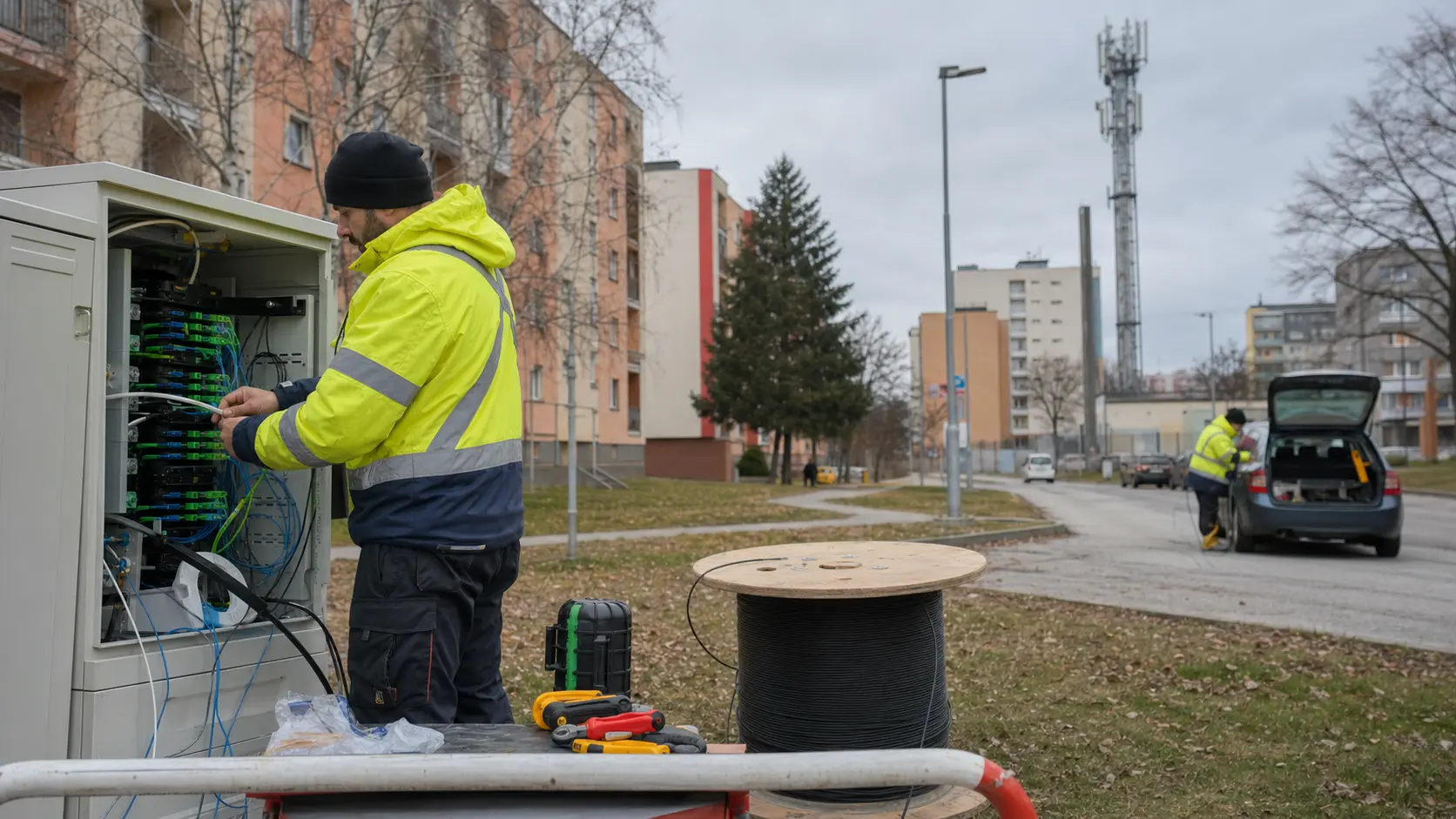
Europe and Middle East National Telecom
DIGI Slovakia must make low prices earn network returns
Slovak households can choose a lower bill and still expect the television to work, the broadband to hold through an evening peak and the service desk to answer when equipment fails. That is the bargain DIGI SLOVAKIA, s.r.o. has sold for years. The harder question, now that the…

Europe and Middle East Institutional
Electrolux Italia must make factory utilisation defend appliance margins
Electrolux Italia SpA is not a telecom operator, but its Italian factory base, direct consumer channels and registered network resources make it a useful test of how industrial manufacturers turn connectivity, data locality and resource governance into operating economics. The…