
Primary Domain
Internet Infrastructure
Within the Primary Domain facet, Internet Infrastructure intelligence groups reporting by primary domain so readers can follow a focused area of internet infrastructure, governance, connectivity markets, or digital capital. The page brings together related articles, public evidence, institutions, companies, people, regional exposure, operating dependencies, and market context that may otherwise sit across separate category pages. It explains the domain, the likely actor class, the market or governance context, and the source material readers should use when comparing signals. Operators, analysts, and governance readers can see how the same domain appears across events, profiles, market shifts, public-source evidence, regional dependencies, and longer-cycle infrastructure decisions over time.
History
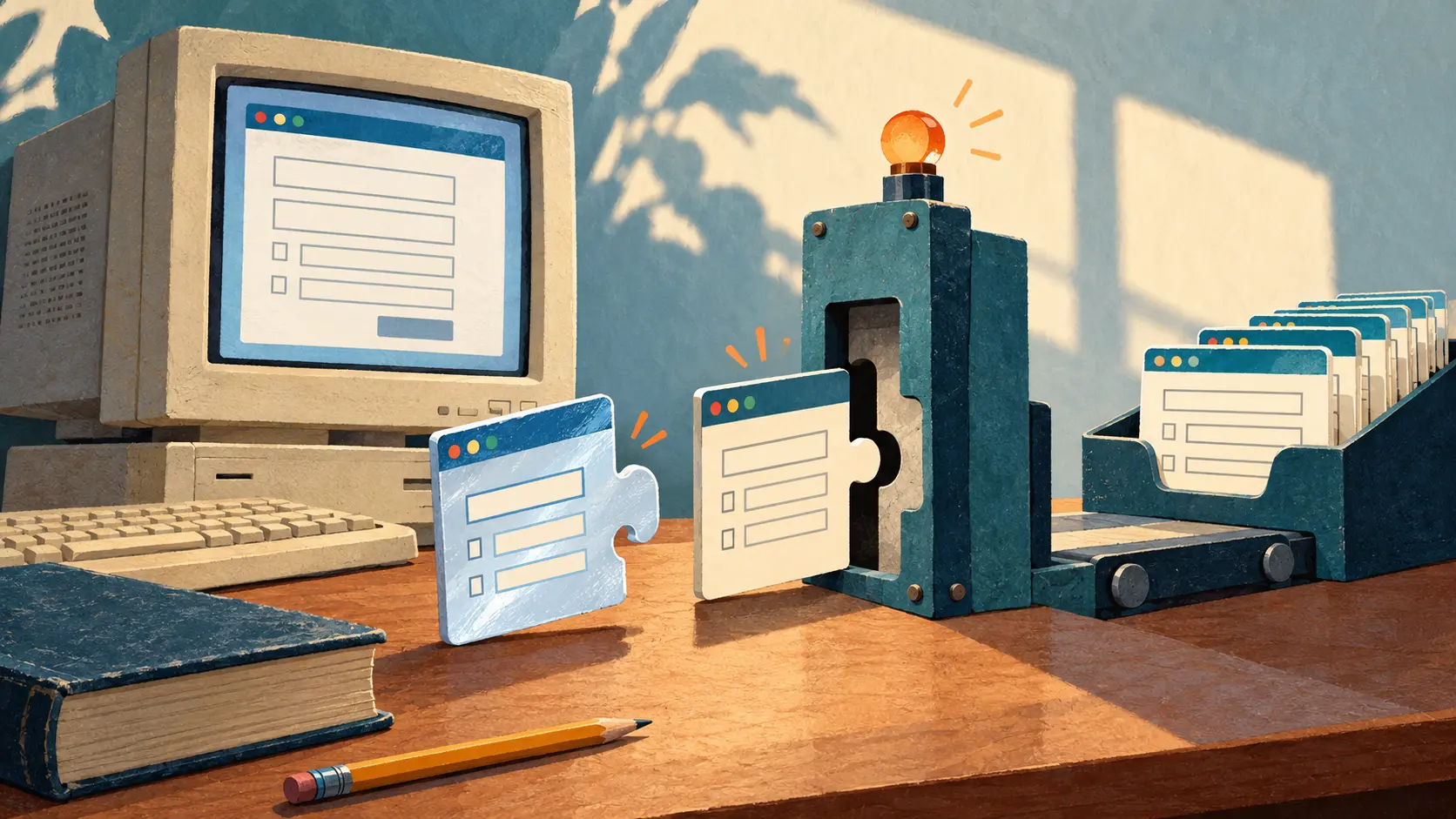
Your New Browser Just Flunked Financial Aid
In January 1998, FAFSA accepted Internet Explorer 4.0 but would not certify 4.01. The little number after the dot had become part of the machinery of applying for college money.
History
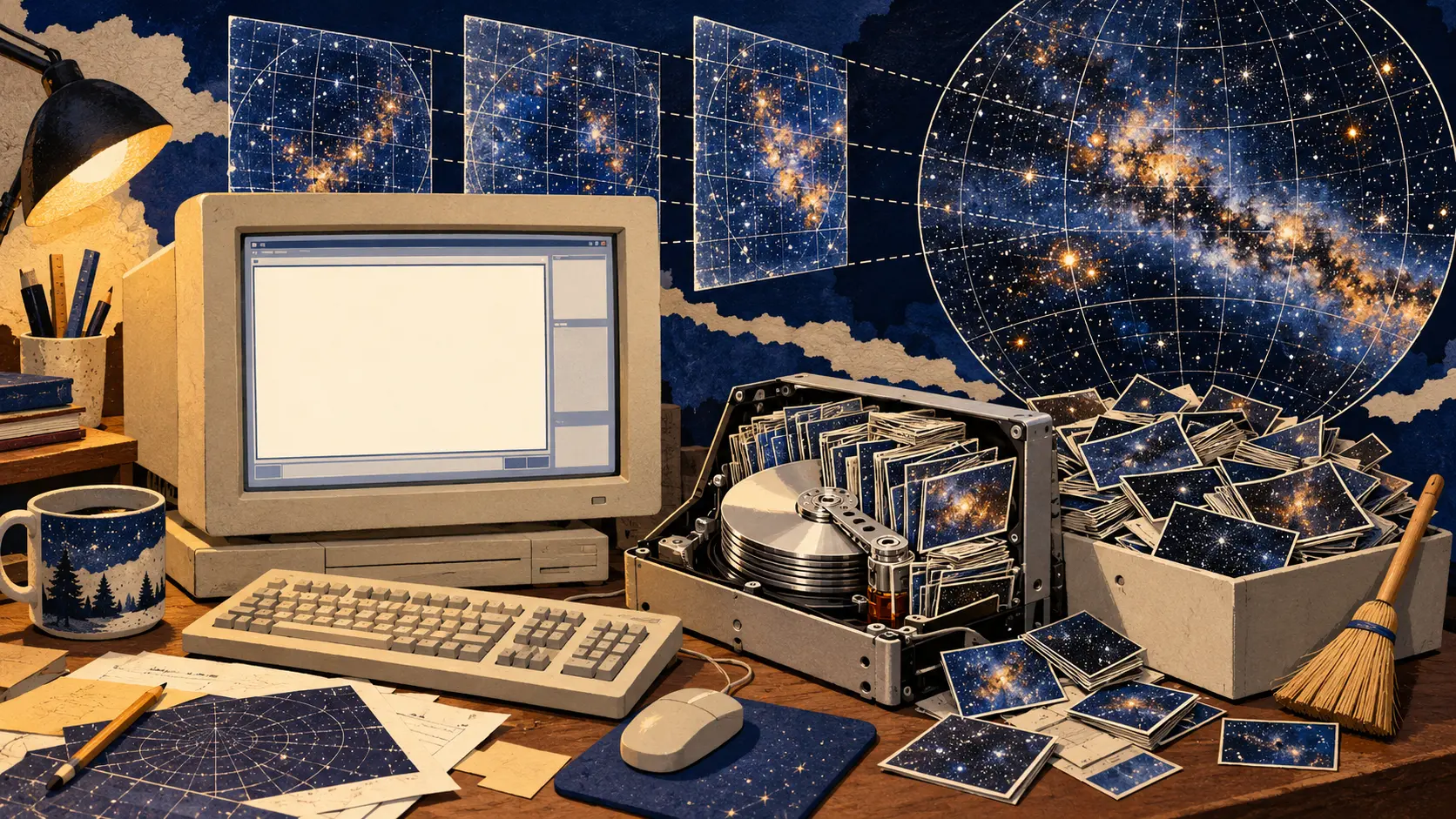
The Sky Was Empty. The Disk Was Full.
In 1995, NASA's SkyView could return a blank sky image because its output disk had filled up. The virtual observatory had acquired a very earthly problem.
History
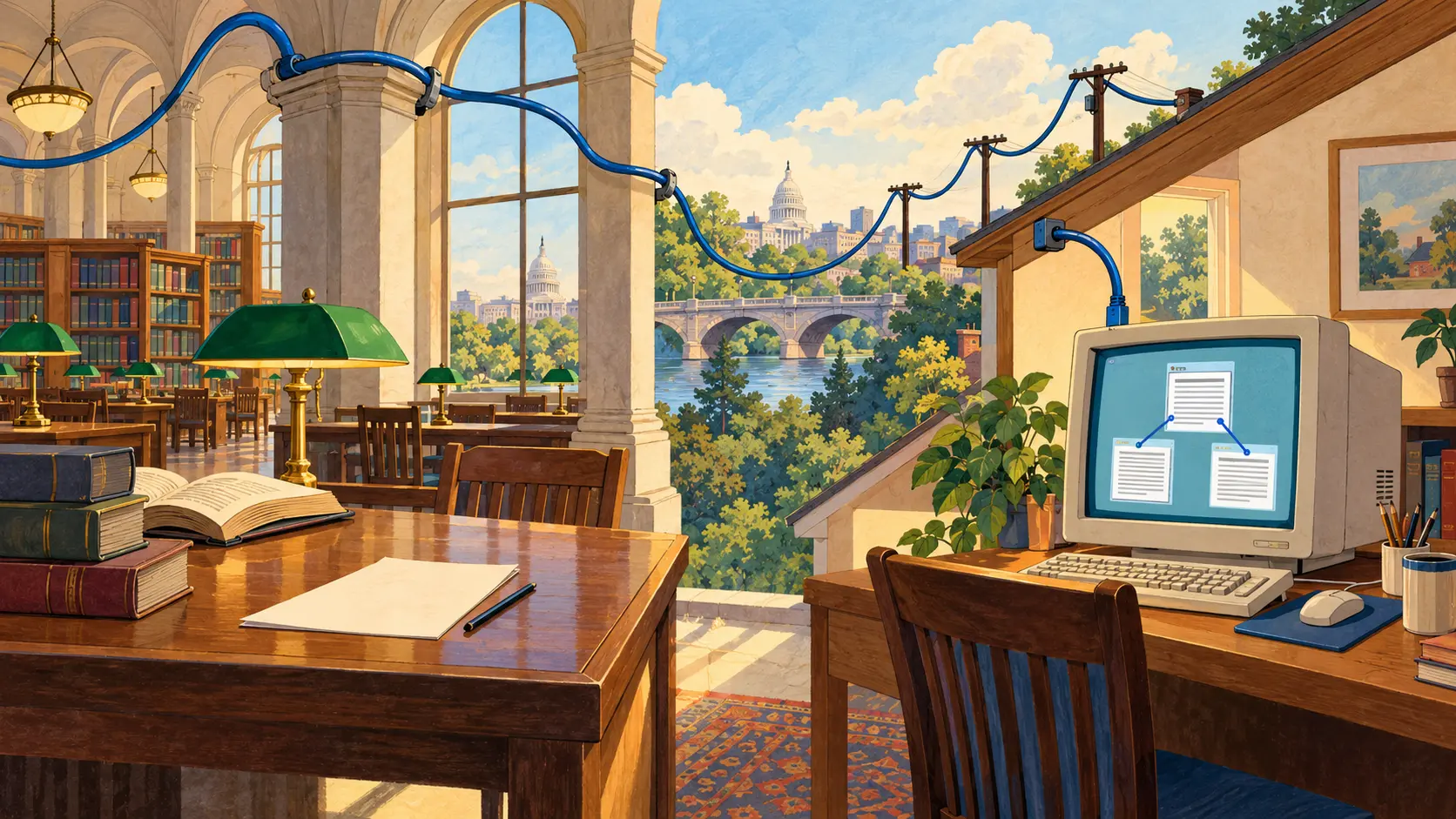
Congress Was Online. Bring Your Own Computer.
THOMAS opened in January 1995. Five days later, a Law Library memo explained that its reading room could hand out the directions, but lacked Web access.
History
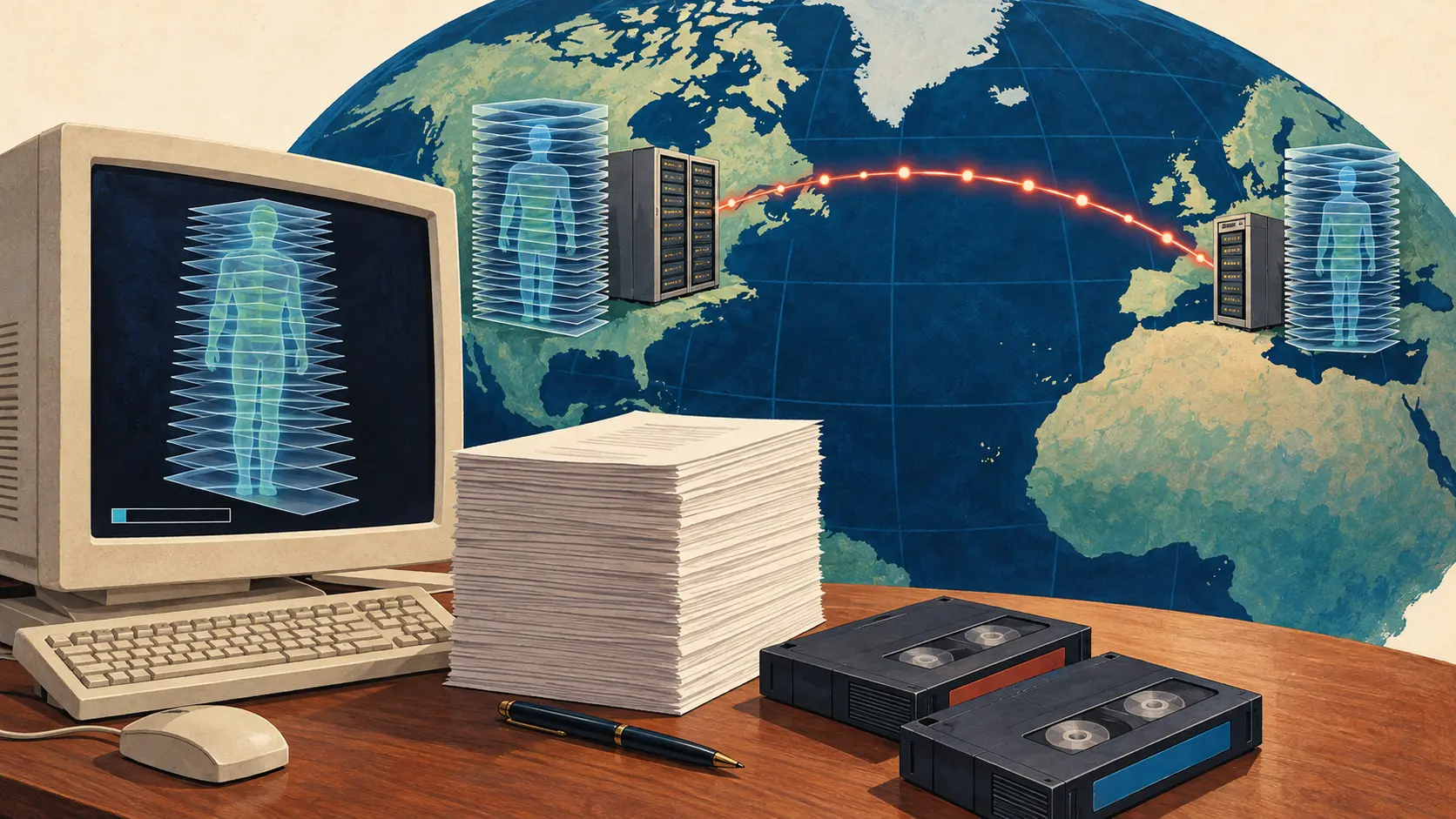
Free Download. Allow Two Weeks.
In 1995, the National Library of Medicine warned that fetching its 15GB anatomy dataset could require two weeks online. First, researchers had to send in the paperwork.
History
Please Type the Tripe
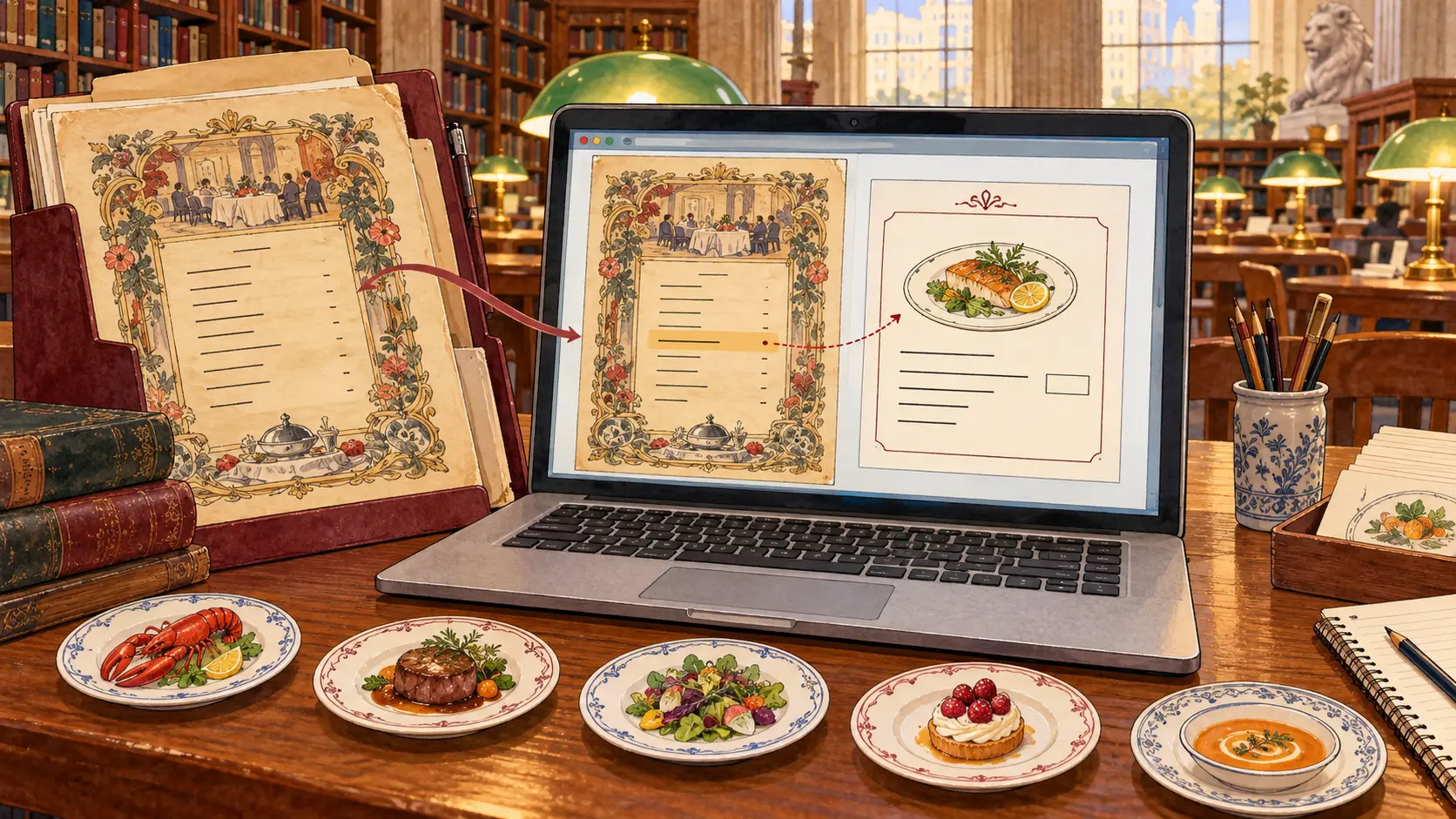
The New York Public Library gave internet volunteers a modest assignment: copy a few dishes from an old menu. Hundreds of thousands of entries later, dinner had acquired a search function.

History
The Museum Put Its Art Online. He Collected the Corners.
Rijksstudio offered a vast collection of high-resolution images and the tools to do something with them. One visitor's eye for the bottom left showed how far that invitation could travel.

History
A Quarter-Million Books. Please Bring a Norwegian IP.
Bokhylla put Norway’s printed heritage within reach of a browser. The reading was free; the agreement behind the screen had a geography, a bill and a way for books to leave.

History
Your Five Minutes of Panda Are Up
In 2010, Smithsonian's National Zoo rationed visits to its Panda Cam while trained observers kept watching. The later upgrade improved both the public picture and the work behind it.

Story
LACNIC Wants 80% ROA Coverage. Its Evidence Counts Something Else.
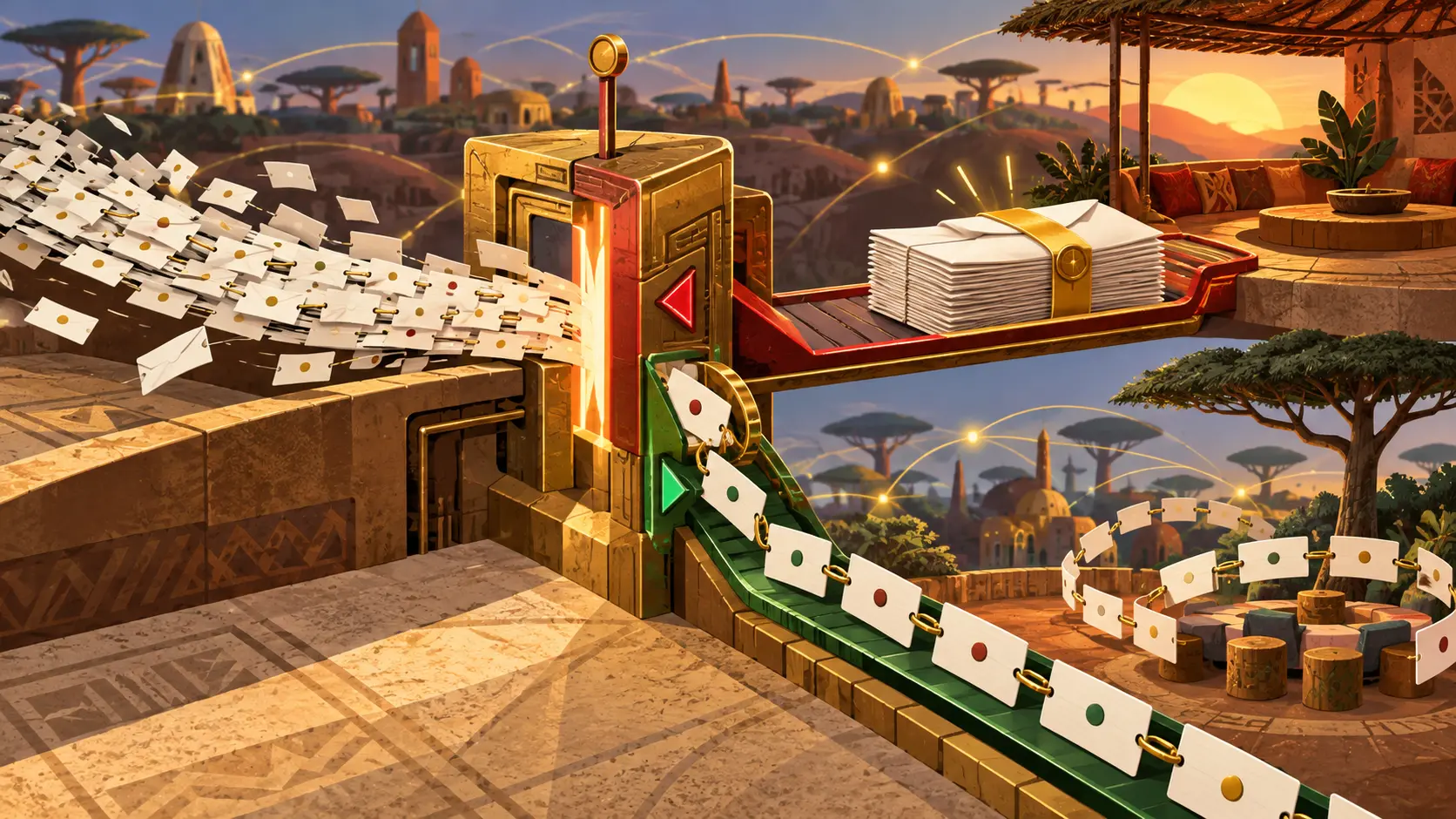
A LACNIC proposal would make valid ROA coverage a condition for an organization’s next resource allocation. The 80% threshold is crisp; the evidence cited for it measures regional route validity, a different quantity.
Story
AFRINIC’s Policy Digest Has a 20-Message Door Policy
A new proposal repairs broken email threads, then hands digest access to a traffic counter.

History
The Camper Paid. The Revenue Waited.
ReserveUSA brought federal campsite bookings to the web in 1999. Following the money beyond the booking screen reveals another journey, through the Forest Service’s accounts.
Story
IPv6’s Rulebook Is Adding the Audit Chapter It Forgot to Label
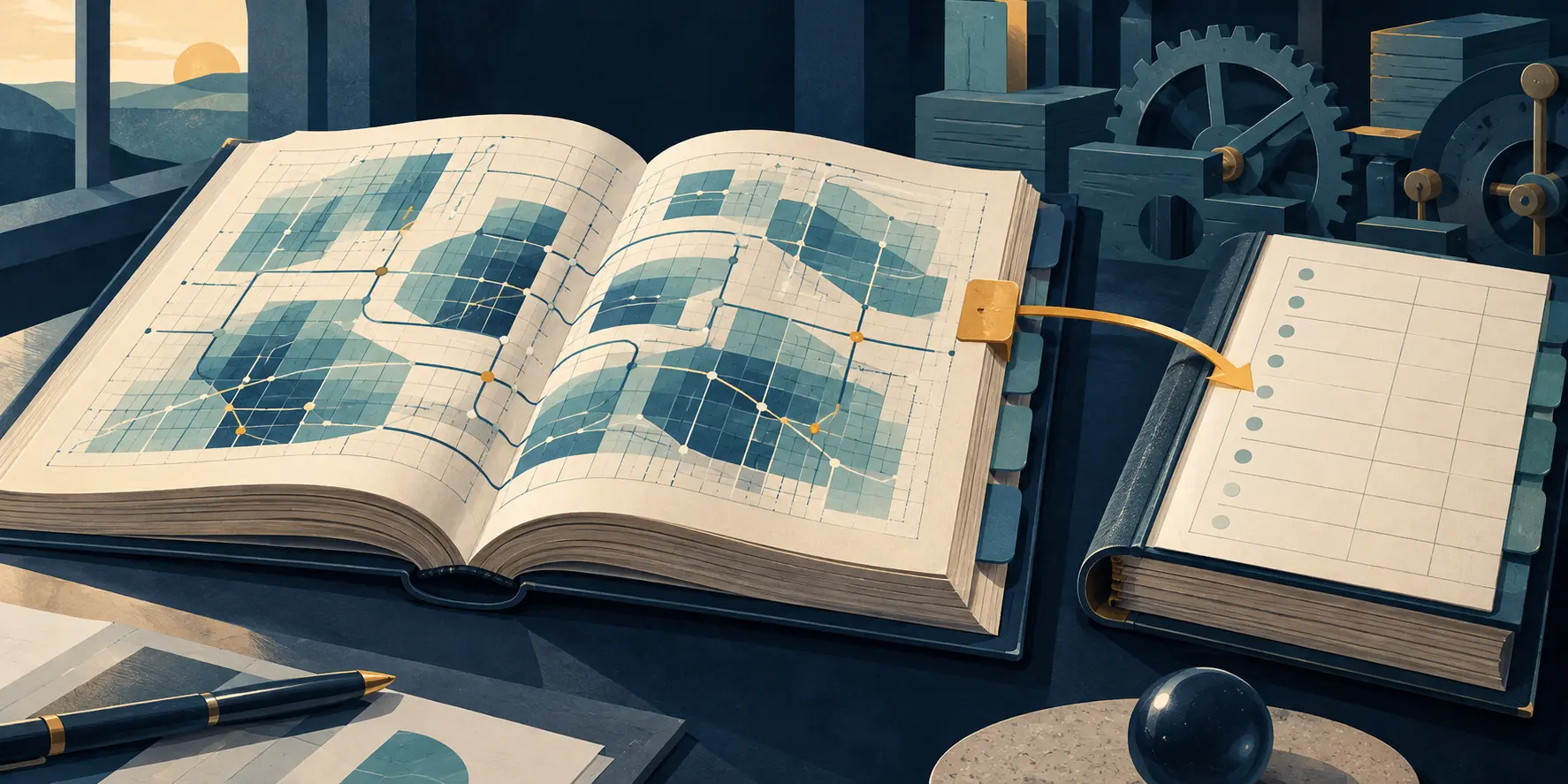
RIPE’s open proposal would give IPv6 policy an explicit route to audit and LIR-closure procedures already named in IPv4 policy and the member agreement. The new heading matters because a rule is easier to operate when the reader can find the machinery behind it.

History
NASA Got Useful Work from People Who Never Came Back
In the early Clickworkers experiment, one-time visitors supplied 37% of the work. A browser, a few crater-rim clicks and some careful checking let NASA keep the contribution after the contributor had left.

History
A Scientist Answered. Now Make It Understandable.
Argonne’s early Internet question service let the questioner send age information along with the puzzle. Connecting a classroom to an expert was one achievement. Getting an explanation back at the right height was another.
Story
RIPE NCC gave BGPsec a key API. Now the routers need to show up.
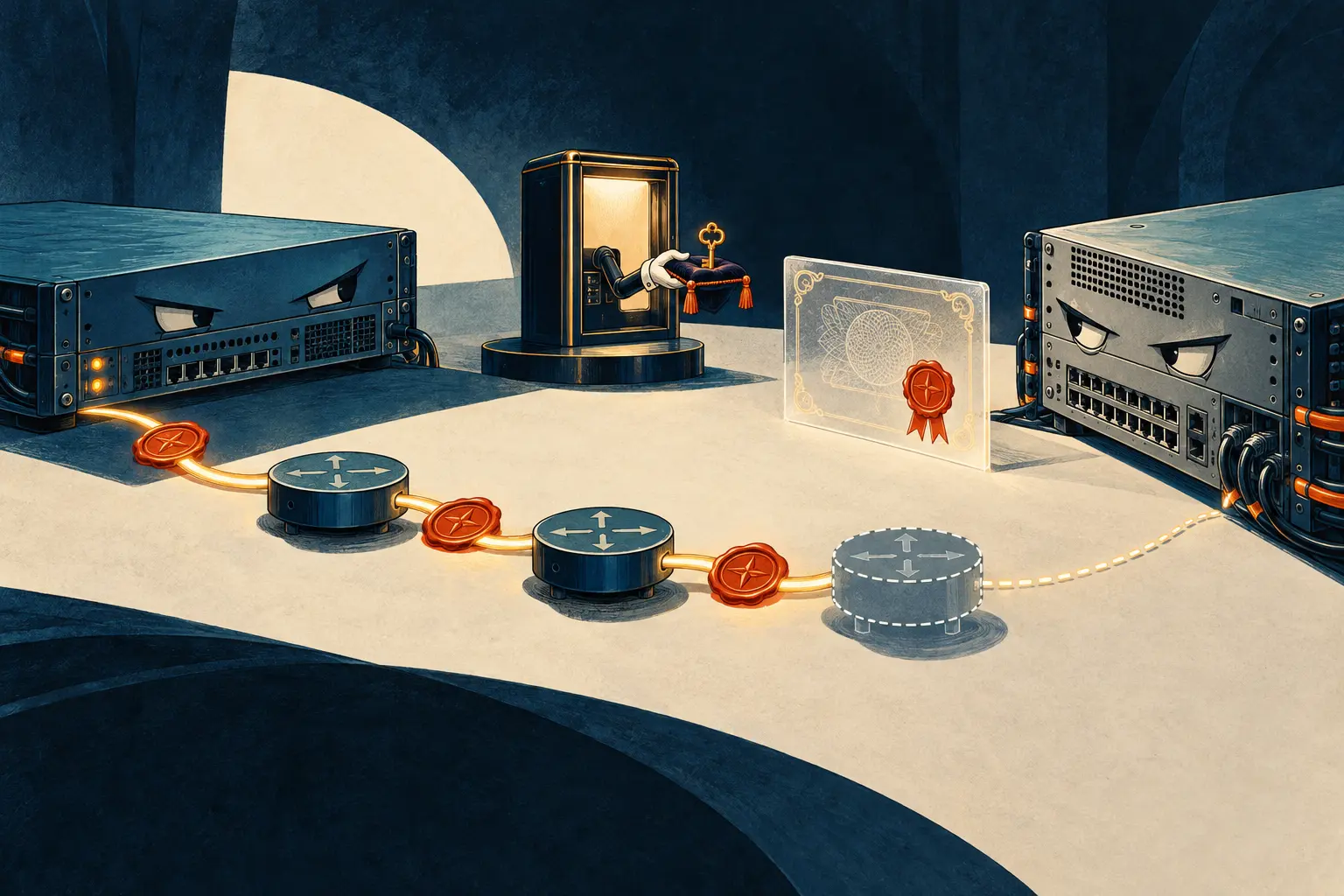
RIPE NCC has added an API route for creating BGPsec Router Key Certificates. That gives operators a cleaner way to authorize a router key; the harder work still sits in the routers, sessions and signatures that have to use it.

History
The FCC Wanted Your Opinion. And Your Phone Number.
In 1998, the FCC made it easier to submit comments over the Internet, then removed a requirement that made paper look unexpectedly attractive. The future of public participation had brought an extra box to fill in.

History
Four Million Patents Came Online. Bring Their Numbers.
In December 1999, USPTO brought a vast older patent collection onto the web. Finding a page and reading its words were still two different appointments.
History
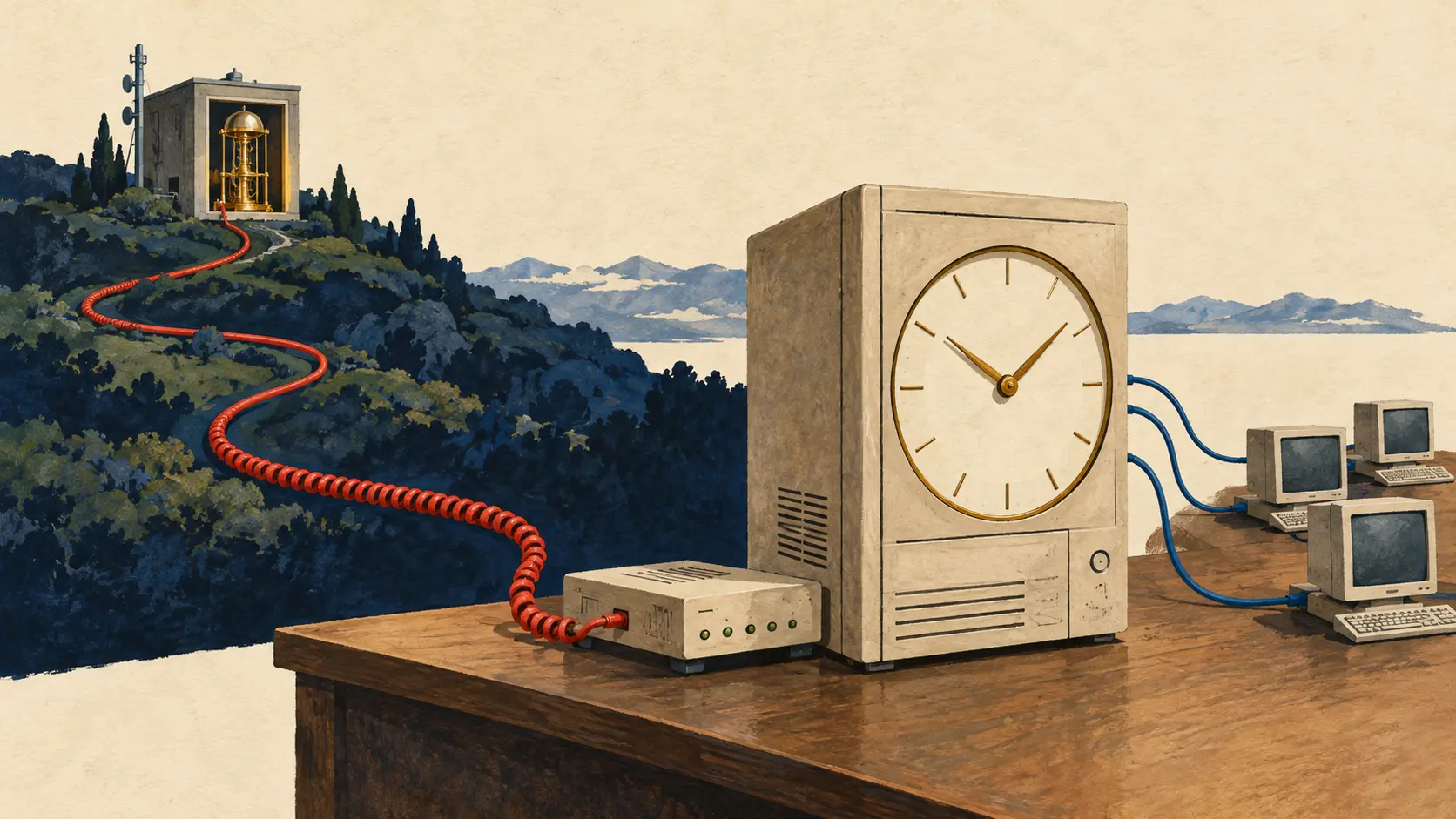
The Internet Clock Had to Phone Home
NIST put the time on the Internet in 1993. Behind the service, an ordinary telephone line gave its servers a recurring appointment with reality.

Story
APNIC’s IPv6 opening act is a /48. Prop-175 wants the sequel on the same application
APNIC’s current rules give an eligible new IPv6 Provider Independent applicant a /48 first, then send a request for more space through a second assessment. Prop-175 would let the registry hear a documented larger requirement at the first application, while keeping the existing…

Story
ARIN Deleted Five Words. 72 Transfer Recipients Skipped a New RSA
A transfer rule used to count back two agreement versions. ARIN removed that little counter. Six months later, it says 72 of 490 organizations completing IPv4 transfers under §§8.3 and 8.4 did not have to sign a fresh Registration Services Agreement.