
Primary Domain
Internet Infrastructure
Within the Primary Domain facet, Internet Infrastructure intelligence groups reporting by primary domain so readers can follow a focused area of internet infrastructure, governance, connectivity markets, or digital capital. The page brings together related articles, public evidence, institutions, companies, people, regional exposure, operating dependencies, and market context that may otherwise sit across separate category pages. It explains the domain, the likely actor class, the market or governance context, and the source material readers should use when comparing signals. Operators, analysts, and governance readers can see how the same domain appears across events, profiles, market shifts, public-source evidence, regional dependencies, and longer-cycle infrastructure decisions over time.

Academics
Remi Hendriks put an anycast node in Lagos. Nearby routes still went to Paris.
The server was closer; the Internet chose a longer path. Hendriks's test bed shows why a new point of presence cannot buy the local interconnection that BGP still needs.

IETF
The Link Looked Idle. Its Queue Filled Anyway.
An average utilization chart can stay calm while one egress queue fills in a short burst. A new IPFIX proposal would export how often that happens and how often a burst includes packet loss. The counts are useful only beside the queue, time window and local rule that declared an…

History
Wikipedia Had One Summer to Change Its License
Wikipedia's authors were scattered across years, languages and usernames. By 2008, their encyclopedia had a licensing problem no editor could fix by clicking Save: its GNU Free Documentation License did not work neatly with the Creative Commons license used by other free-content…

Leaders
Sebastian Becker says the customer list can become a route leak
An AS-SET looks like documentation until someone turns it into a BGP filter. Becker wants the operator to inspect that customer list before the session goes live, when a bad entry can still be corrected without a routing surprise.

History
The Library Took the Tweets’ Text. The Pictures Stayed Outside.
In 2010, the Library of Congress said it would save the stream of public tweets. The small print mattered: it would receive text, not the pictures, video or linked pages that often carried the rest of the post. Seven years later the Library pointed to that gap while ending its…
IETF
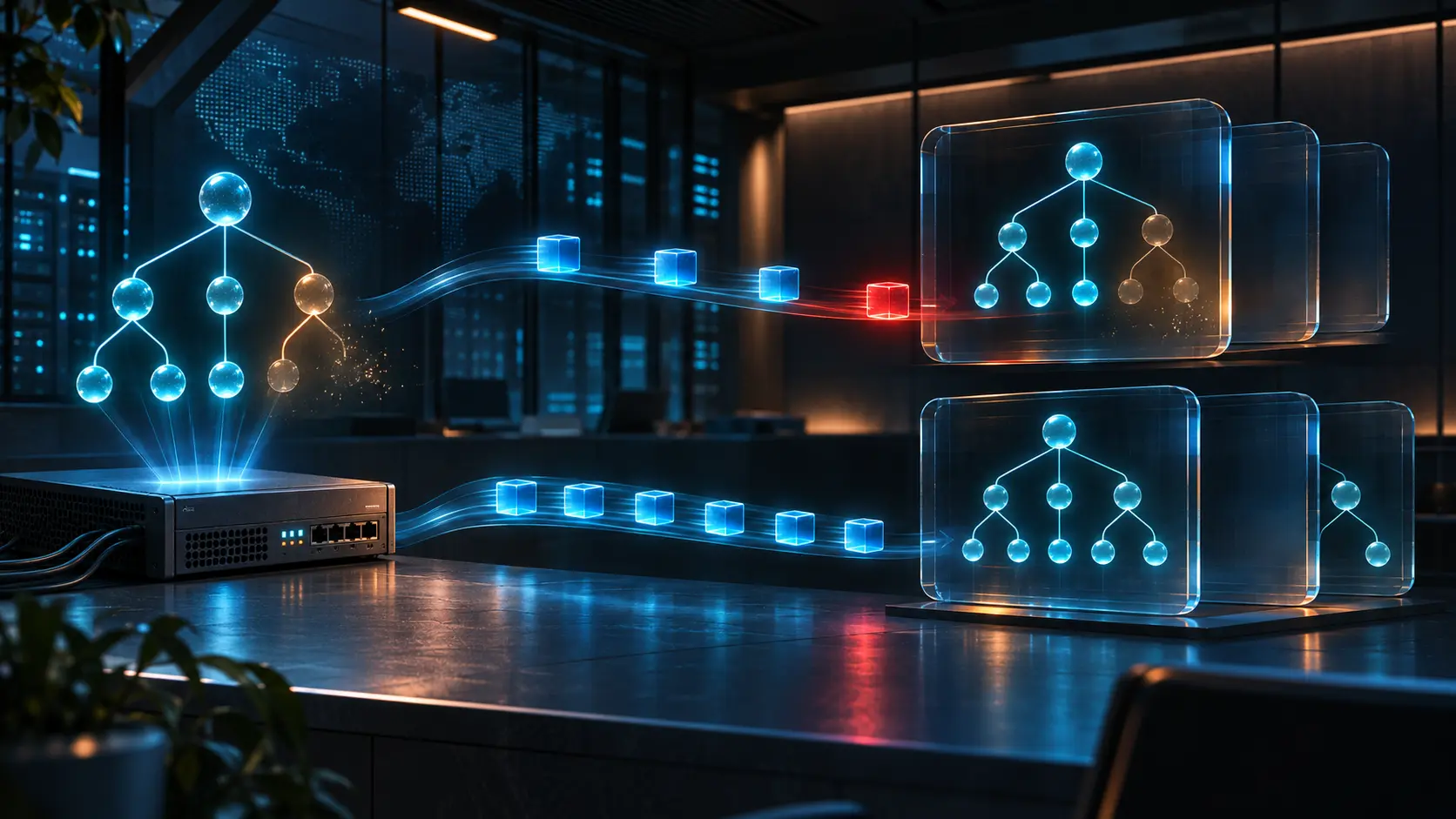
The Update Skipped a Field. The Inventory Kept It.
YANG-Push v2 revision 01 gives two very different meanings to a missing data node. In a change event, silence leaves the receiver's old value in place. In a completed periodic snapshot, absence can remove it. A collector that ignores the distinction can erase live state or…
IETF
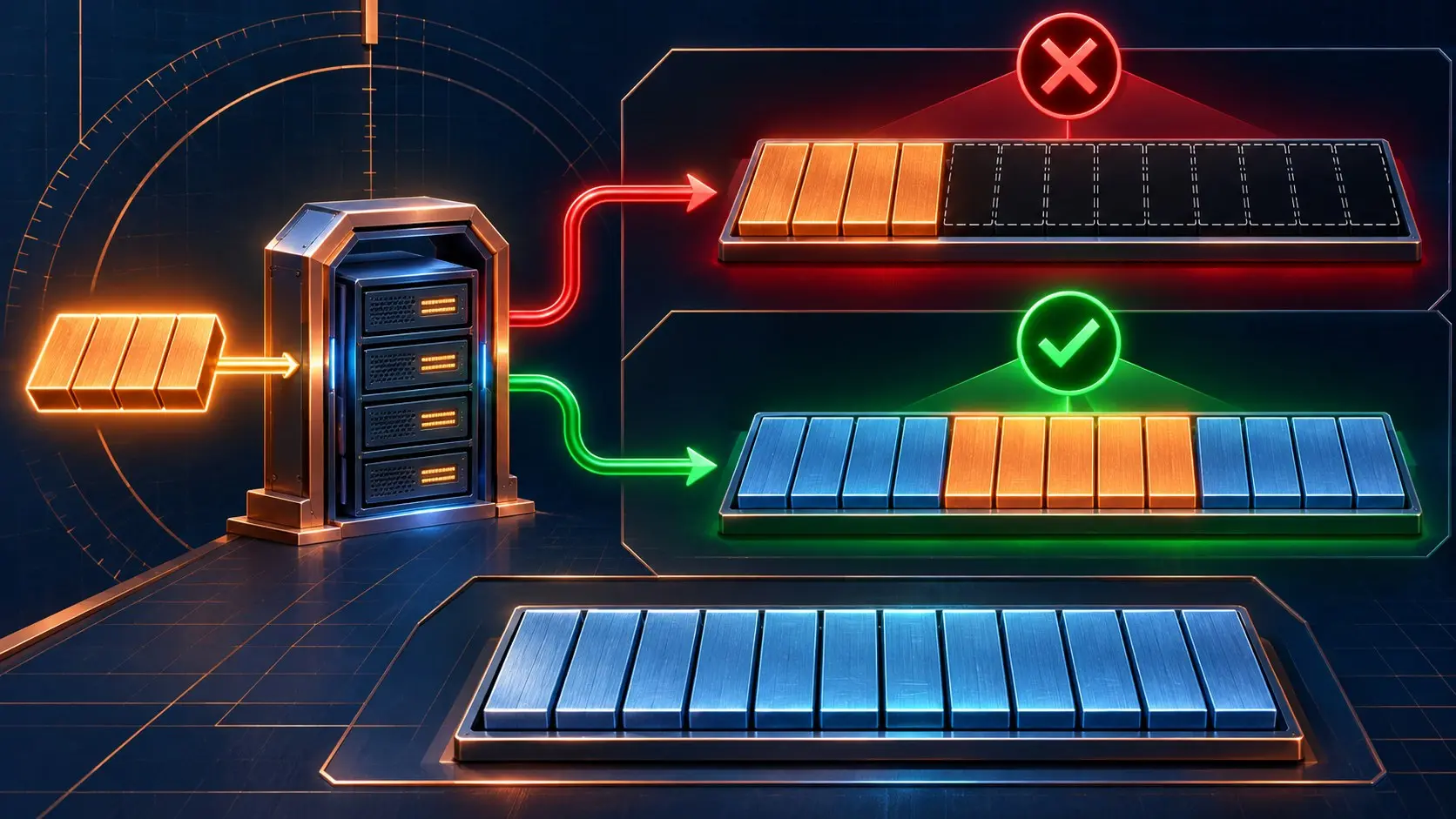
Four Bytes Came In. The Server Replaced the File.
A client wants to change four bytes in a twelve-byte file. It sends the fragment with a range saying where those bytes belong. A server that treats the range as a mere hint can replace the whole file with the fragment. The [IETF Byte Range PATCH…

Academics
Ebrima Jaw found the loudest BGP peers. The collectors pay their bill.
In thirteen years of route data, the top 5% of collector peers supplied more than half the updates. Jaw's harder question is why a shared archive must keep receiving yesterday's route as if it were news.

History
The Host That Never Took Mail Kept Everyone's Mail Waiting
In 1995, a machine devoted to DNS or time service might never accept email. A person could still send a message to an address at that machine. If no mail program answered, the sender's system had to treat the failure as temporary and try again. Days could pass before a confusing…

History
Google Sold the Download. Then It Told Buyers the Video Would Stop Playing.
In 2006, Google offered a video store with files people could buy and download. In 2007, it told those customers that purchases already on their computers would cease to play. The company reversed course after the objection landed: a card refund replaced store credit, and…

IETF
The Email Was Signed. The Mail App Put the Button There.
A flight update arrives with a familiar name, a plausible itinerary and a button to change the booking. The signature can establish who signed the message or its embedded data. The mail app still decides whether the button appears, what it does and whether displaying it sends the…

IETF
The Router Added Headers. The Counter Took Credit.
A new IETF SR Policy YANG revision counts bytes on both sides of encapsulation. The output side includes headers the router just added; the input side alone can identify traffic steered by a Binding SID. One dashboard subtraction could tell a very confident lie.

Leaders
Alastair Strachan counted the hands behind NOGs. Twenty-seven percent had two or fewer.
The audience wants operators, not sales slides. Someone still has to pay for the room. Strachan's RIPE NCC survey puts that decision in the hands of organising teams small enough to fit around one table.

History
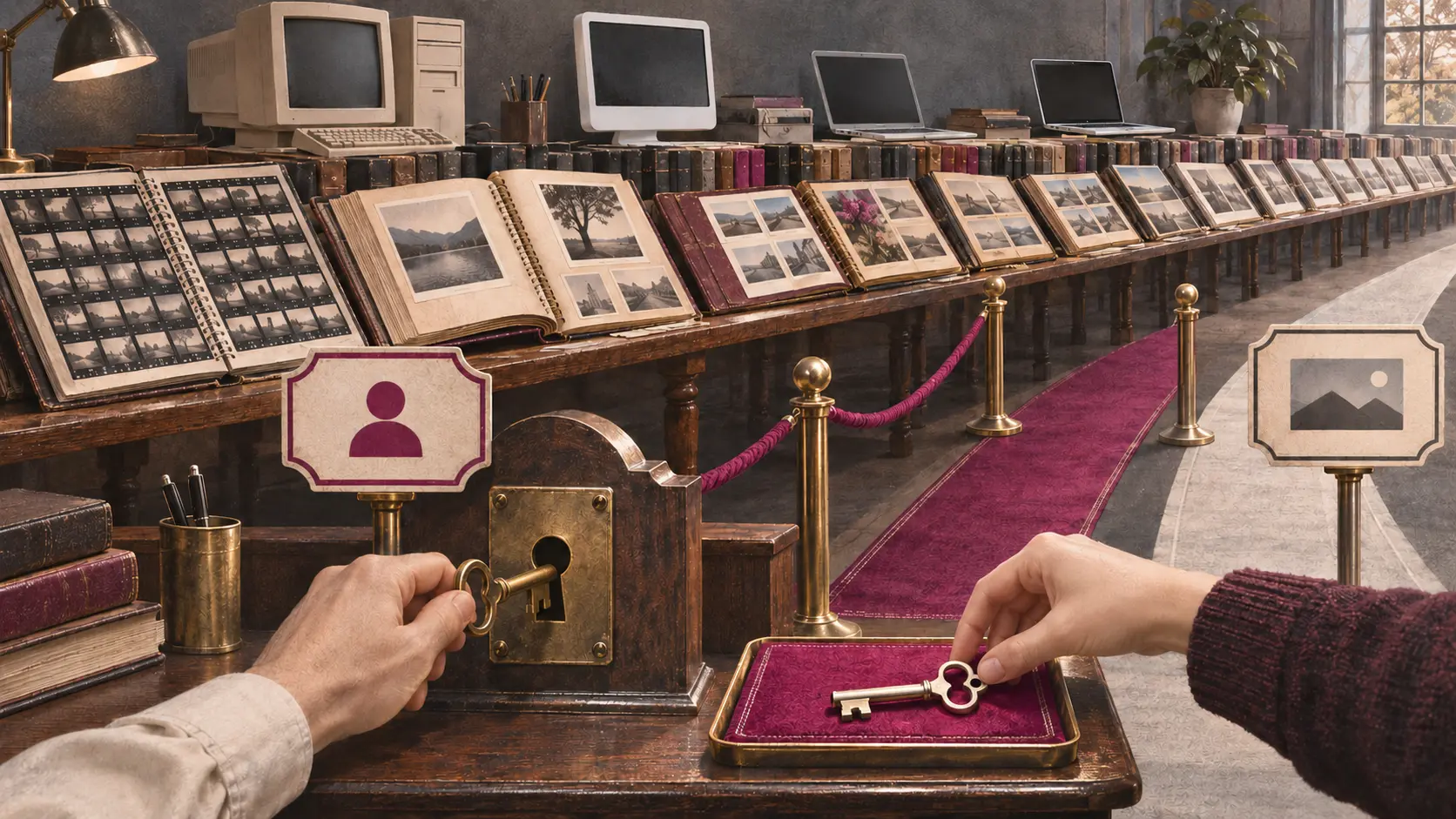
Flickr Kept Your Photo Address. Yahoo Took the Key to the Door.
In 2005, Flickr told its photographers they could keep their screen names and public photo addresses. The thing changing was the key: new users would sign in with a Yahoo ID, while old Flickr users could keep their email-and-password login for a while. By 2007 that exception was…
History
SmugMug Bought Flickr. Yahoo Still Held the Login.
The photographs kept their Flickr addresses when the service changed hands in 2018. Members still entered with Yahoo credentials. It took a separate login migration in 2019 to begin handing them a new key. Flickr's own notices show how a public archive, a corporate owner and the…

IETF
RADIUS Sent an Error. The Proxy Owns the Next Attempt.
A login request reaches a RADIUS proxy. The next hop returns an error. The proxy now has a decision to make: find another route or send a fresh error toward the access device. Passing the packet along unchanged would be cheaper, and wrong. A new IETF draft puts that small…
IETF
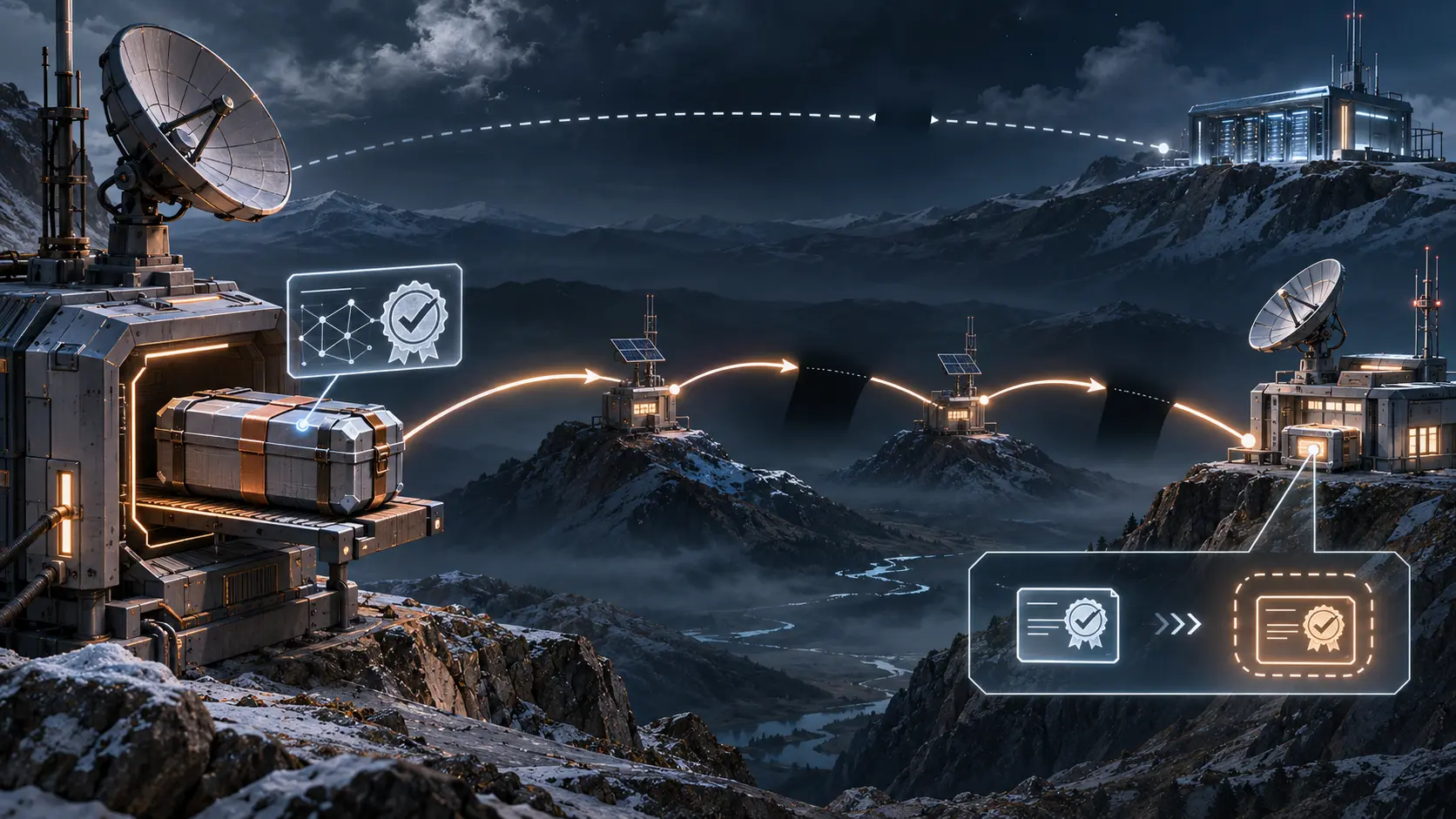
The Bundle Arrived. Its Revocation Server Did Not.
A signed message can cross a broken network while a certificate-status query cannot. A 2 November IETF revision puts that contradiction in the operator’s hands: choose a reachable OCSP responder, or move the online work toward short-lived certificate issuance.
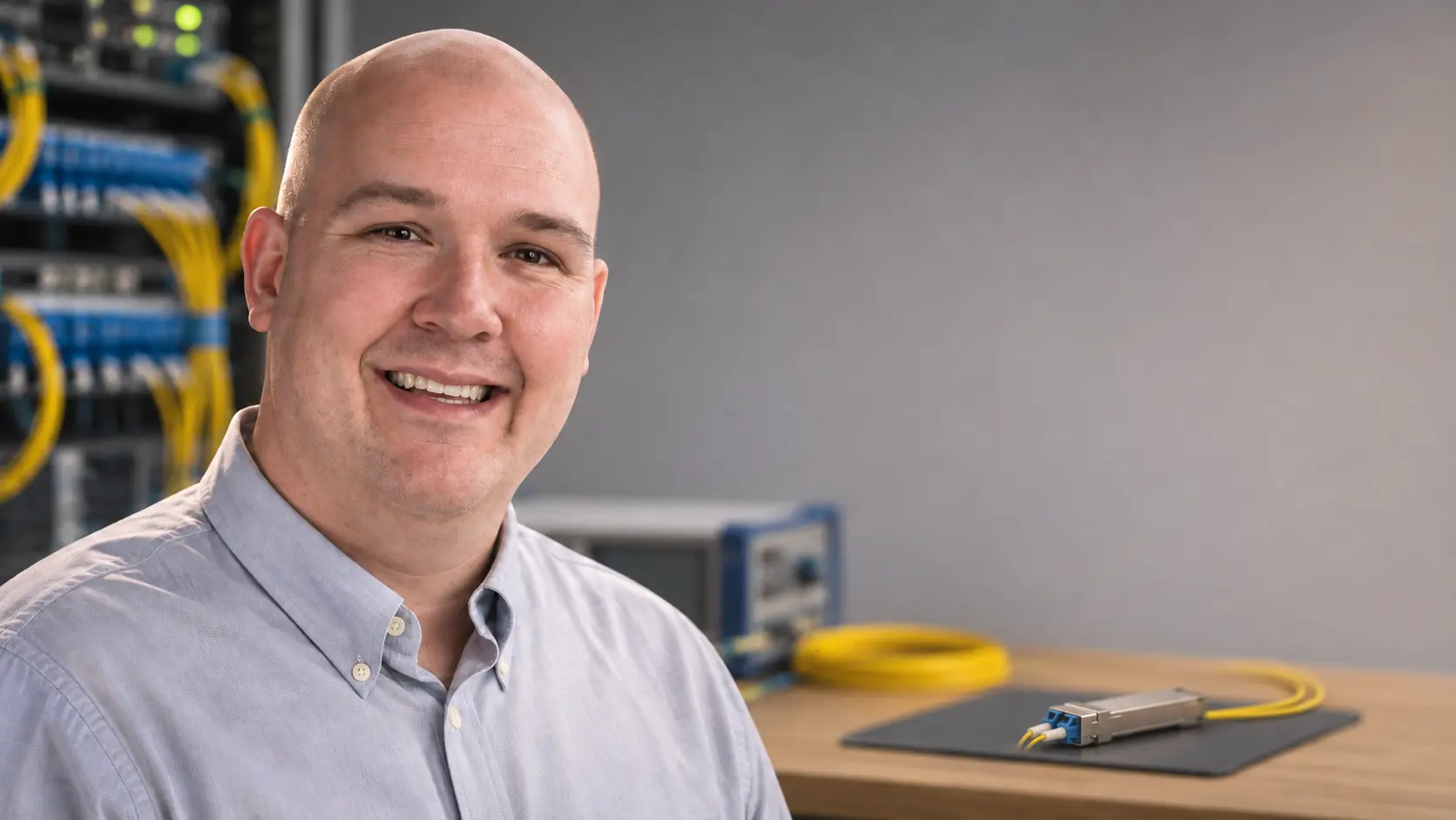
NANOG
Richard Steenbergen found a purchasing rule inside the optical port
A pluggable optic looks like a replaceable part. Steenbergen opened its management interface and found a small computer, a diagnostic instrument and, sometimes, a vendor's permission slip for buying the next one.

IETF
The Bootloader Has the Room. The Firmware Update Does Not.
A post-quantum signature can look affordable when a device is starting up and much dearer when it is still doing its job. An IETF draft headed for a 5 November review forces buyers to specify which moment their update system uses.

History
The XO Laptops Could Talk. The School Server Still Had to Buy the Internet.
One Laptop per Child put a radio in every child's machine and invited the machines to relay for one another. A classroom could become a network before a telecom carrier supplied a connection. Then the network reached the school gate. Internet access, shared storage, address…