Summary
- The 2 November IPFIX microburst draft proposes counts per egress queue and measurement window: all detected microburst events and the subset of events during which at least one congestion-related packet was lost.
- A local queue-occupancy condition decides what qualifies as a burst. The event-with-loss count counts events, not packets; the existing
droppedPacketDeltaCountis a separate packet measure.
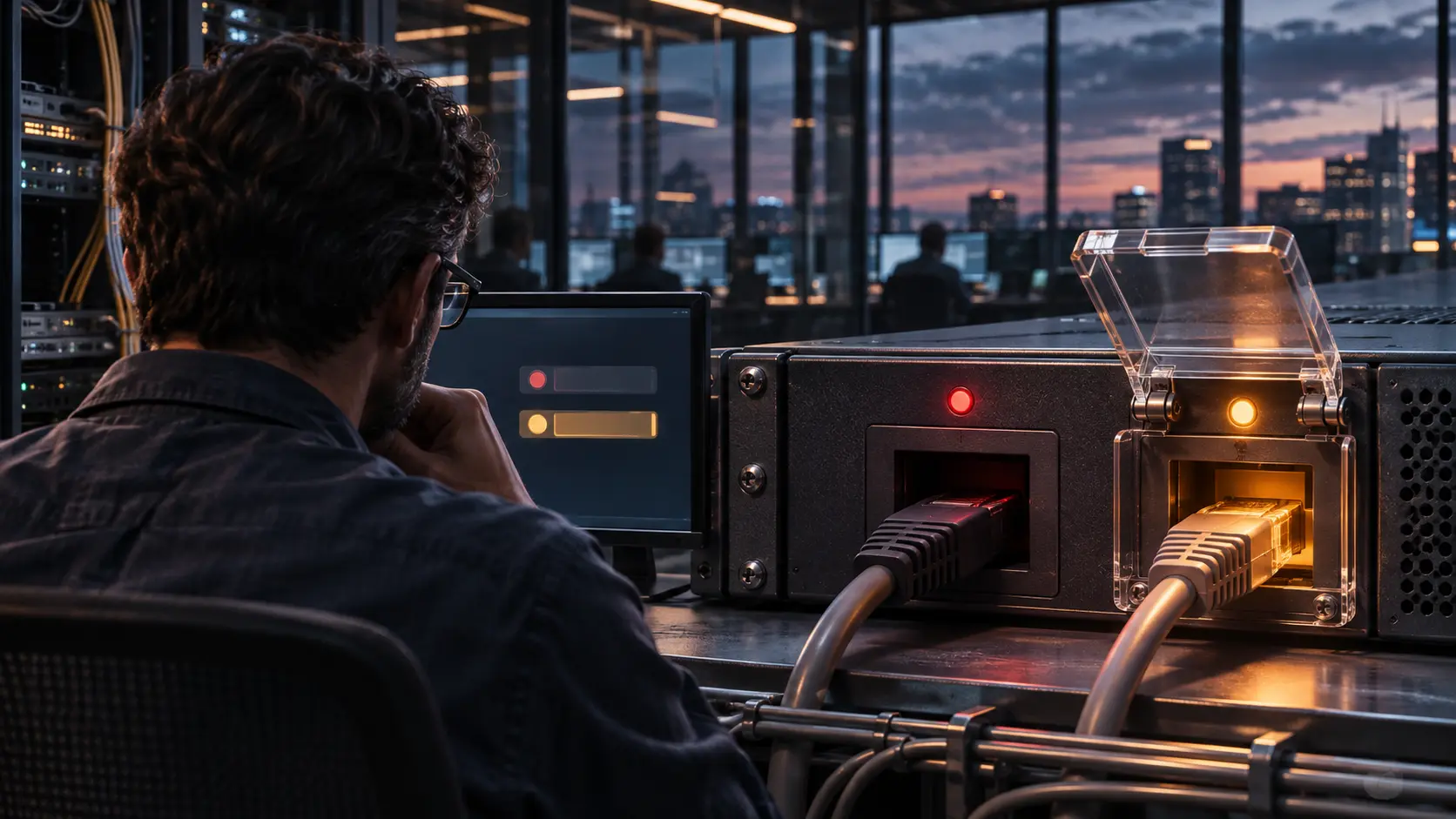
The link's monthly utilization report looks comfortable. A queue can still fill between two samples. Arriving traffic briefly outruns that queue's service rate, and the short collision is washed out by a longer average. The new draft asks IPFIX to carry a narrower receipt: what happened at which egress queue, over which window, and how many detected bursts included loss. The IETF record dates it to 2 November and lists it as an individual Internet-Draft.
The proposal identifies a monitoring instance through the Observation Domain ID in the IPFIX message header, observationPointId, egressInterface and a proposed device-local egressQueueId. Existing millisecond interval fields mark the beginning and end of the measurement window. Those coordinates matter: the average utilization of a whole interface cannot tell an operator whether one output queue was repeatedly pressed to its limit. RFC 7011 supplies the IPFIX message and observation-domain model, while the IANA registry already lists the reused interface, observation-point, packet-drop and interval fields.
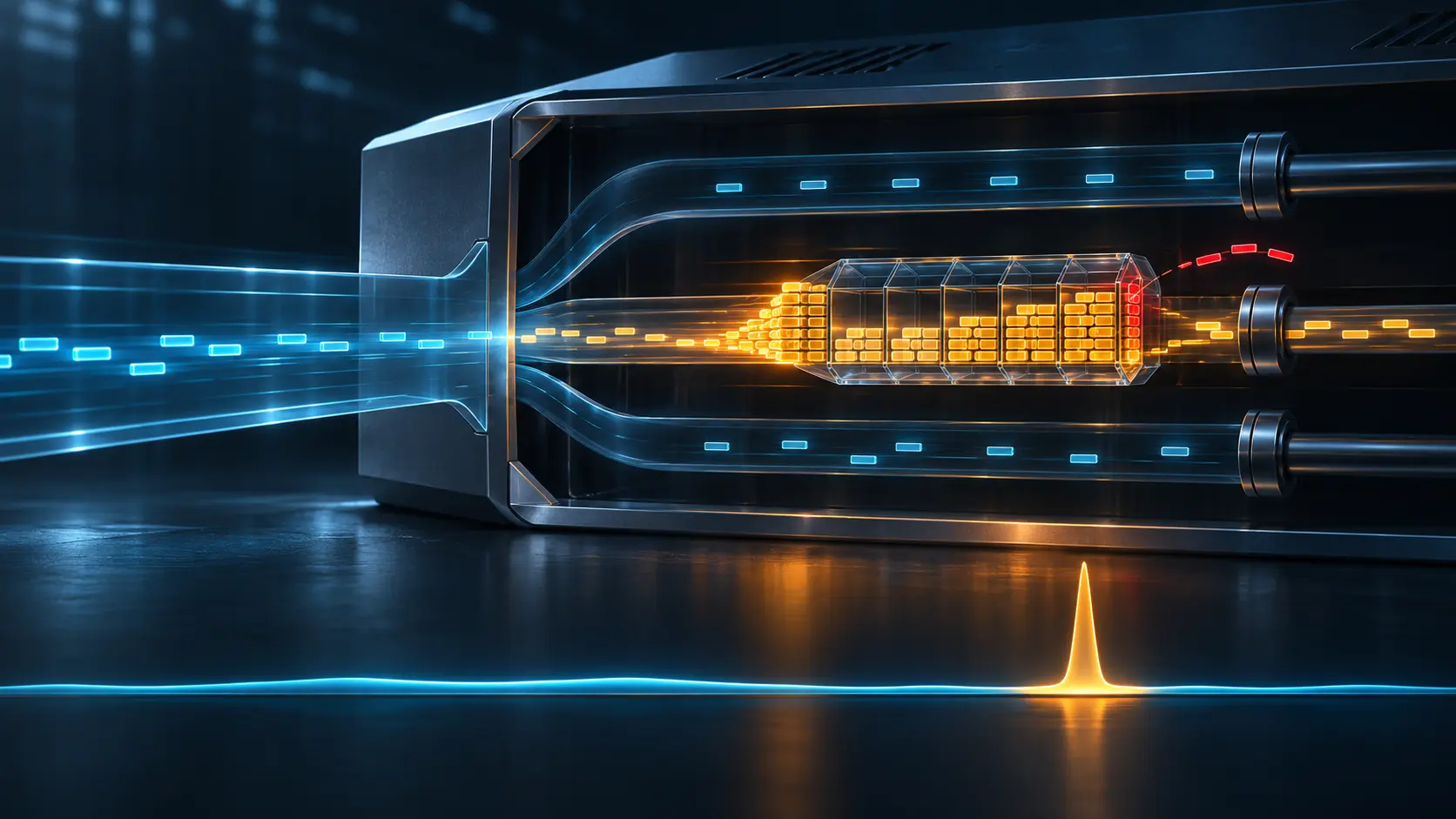
Two proposed new counters answer different questions. microburstEventDeltaCount counts bursts detected in the window. microburstLossEventDeltaCount counts bursts during which at least one congestion-related packet was lost. The second counter counts events with loss, regardless of how many packets disappeared in each one. The draft also reuses droppedPacketDeltaCount for a packet-drop count within the measurement window. Treating those three values as interchangeable would turn a queue alarm into an invented loss total.
The detector is where the apparently clean count gets its politics. The draft describes common rising and falling queue-occupancy thresholds, but sets no universal percentage, buffer model or algorithm. One device can mark a burst sooner than another even when both emit a valid IPFIX record. A management system comparing event totals across queues or vendors needs the configured threshold and actual buffer reference beside each record. Otherwise the busiest-looking queue may simply have the most sensitive alarm.
The proposal itself separates transient queue filling from packet loss: a microburst can fill a queue without dropping traffic. It also distinguishes management-plane aggregates for planning from instant reaction signals. Its Data/Option Template, IANA and security sections are still marked TBD. A named implementation trace with raw queue occupancy, detection settings, exported records and observed drops would show whether these fields support a capacity or QoS decision.
Member Briefing
Deeper Profile Context
Sign in with the right membership level to unlock the full briefing and source notes.
Only for Strategic Circle
Strategic Circle
Open to all readers. Unlock profile briefings after joining and signing in.
Join Strategic CircleOnly for Leadership Alliance
Leadership Alliance
For qualified IP-asset owners and management; sign in to unlock alliance briefings.
Join Leadership Alliance