
Summary
- Rai Way and EI Towers let a 30 June 2026 merger deadline pass, with valuation differences reported as the hurdle; the timetable had already been extended once earlier in June.
- Reuters describes EI Towers as a delisted Italian broadcast tower operator, and no document in the readable record discloses the contract duration, pricing mechanics, tenancy concentration or debt that would settle its economics.
The failure is dated in a way that matters. Reuters reported on 1 July 2026 that shareholders of Rai Way and EI Towers failed to reach a merger agreement by a 30 June 2026 deadline, with valuation differences cited as a significant hurdle in the negotiations (https://www.reuters.com/business/rai-way-ei-towers-shareholders-fail-reach-an-agreement-over-tv-tower-tie-up-2026-07-01/). That date was not a first attempt. A separate report states that after missed deadlines earlier in June 2026 the shareholders had already agreed to extend the talks before the 30 June date finally passed (https://www.msn.com/en-gb/money/economy/italy-s-rai-way-ei-towers-shareholders-extend-talks-over-tv-towers-tie-up/ar-AA25N1pW). A deadline that moves once is scheduling. A deadline that moves and then expires is evidence that the parties could not price the thing in front of them.
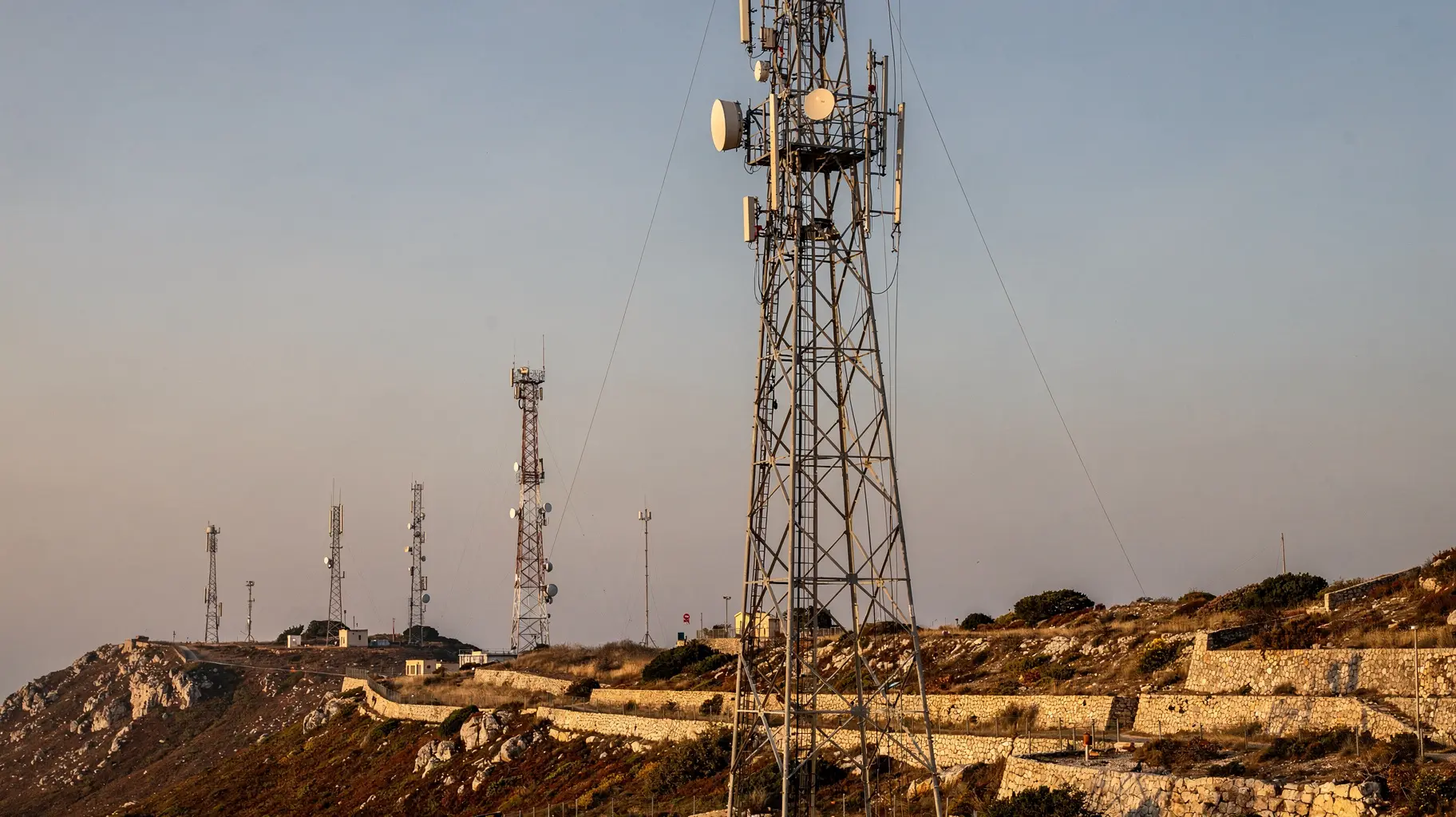
EI Towers appears in Reuters' company record as a delisted Italian broadcast tower operator in long-running merger discussions with Rai Way, and the 2018 report of its take-private describes it as owning and operating Italy's principal transmission network (https://www.reuters.com/company/ei-towers-spa-eit-mi-delisted/). That description is a characterisation of what the company does, not a measurement of what it earns.
What the buyout actually recorded
On 17 July 2018 Reuters reported in Italian that F2i and Mediaset would launch a tender offer on EI Towers, which Mediaset already held 40 per cent of (https://www.reuters.com/article/markets/currencies/f2i-e-mediaset-annunciano-opa-su-ei-towers-esborso-fino-a-161-mld-euro-idUSL8N1UD12K/). The headline embedded in that article's web address refers to an outlay of up to EUR 1.61 billion. The retained body text is truncated and does not itself carry the figure, so the amount belongs here as a reported headline, not as a verified transaction value — and either way it says nothing about what the company is worth in 2026, because no current shareholding, cash flow or debt figure is available.
What the 2018 record does establish is structural. A broadcaster that was already a 40 per cent holder moved to acquire the rest alongside an infrastructure fund. Eight years later the same company is negotiating a combination with the tower arm of the public broadcaster, and the public argument about price is being conducted by parties who are also each other's customers or suppliers in transmission.
The one operating variable named in public
Set against the valuation story, the only operating variable anyone has put on the record is contractual. A report dated 26 May 2026 states that RAI, the Italian public broadcaster and parent of Rai Way, was pressing EI Towers to secure extensions of its infrastructure contracts with broadcasters as a condition before finalising a merger with Rai Way (https://www.aol.com/articles/italys-rai-pushes-ei-towers-160324000.html).
Two readings are available, and the record supports only the first strongly. The documented constraint is price: valuation differences are the only explanation the reporting gives for the failure. The undocumented constraint is duration. These are not alternatives. A disagreement about price can be a disagreement about how durable the contracted cash flow is, and reported pressure for renewals suggests at least one party wanted the cash-flow question settled before the price question closed. Whether that pressure was diligence, a closing condition or a bargaining position is not disclosed anywhere in the material read here.
Why duration would decide the valuation
The mechanism that would make the contract layer decisive is a renewal cliff. A tower operator's revenue behaves like a bond only while duration, renewal probability, price protection, counterparty quality, tenancy spread and maintenance obligations are all visible at once. Where one customer or a small group sets the renewal terms, revenue recurs until the contract expires, is repriced or requires consent, and then steps down. The steel does not move; the payment does.
If that customer also sits on the transaction side, operating bargaining and shareholder bargaining become coupled, so the same firm can influence both the cash-flow forecast and the price.
The retained record does not establish that RAI or Rai Way is an anchor customer of EI Towers, does not quantify customer concentration, and does not identify which broadcasters the reported extensions concerned. That is the honest centre of this article rather than a footnote to it.
What was read, and what was not
No filed statutory accounts, tender offer document, bond prospectus, rating report or AGCOM decision naming the company was retrieved or read as text for this briefing, and no revenue, tenancy, contract term, covenant or leverage figure is available. What is established is narrower: a delisted operator, a 2018 buyout in which a broadcaster already held 40 per cent, two slipped deadlines in June 2026, a reported valuation gap, and a reported precondition about contract renewals. A directory record that tracks EI Towers inside the RIPE NCC service area is governance context and is not evidence of what the company sells or at what price (https://btw.media/en/directory/ei-towers-s-p-a-it).
Four documents would close the question. A filed accounts set naming revenue by customer and stating contract maturity would make duration measurable. An offer document or formal announcement giving price, consideration mix and conditions would show whether the gap was purely pricing. A bond prospectus or rating report giving leverage, covenant headroom and maturities would connect contract risk to the financing structure. An AGCOM decision imposing, reviewing or removing a site-access or broadcasting-network obligation would show whether pricing power is constrained by regulation rather than by contract.
The cheapest available signal is sequence. Signed broadcaster extensions followed by a revised price or exchange ratio would support contract certainty as the governing constraint. A revised price with no contract news would point to shareholder pricing, control premium or synergy allocation instead. Another extension announced with no terms and no revised economics would leave the question open, and silence would not show that contracts were immaterial.
Member Briefing
Deeper Profile Context
Sign in with the right membership level to unlock the full briefing and source notes.
Only for Strategic Circle
Strategic Circle
Open to all readers. Unlock profile briefings after joining and signing in.
Join Strategic CircleOnly for Leadership Alliance
Leadership Alliance
For qualified IP-asset owners and management; sign in to unlock alliance briefings.
Join Leadership Alliance