
Region
Europe Middle EAST
Europe Middle EAST regional intelligence explains how companies, people, policy moves, network operations, investment signals, data centre demand, telecom execution, and market constraints shape infrastructure delivery in the same geographic market or governance area. The page connects published coverage with evidence, regional actors, operating dependencies, market context, and customer or regulatory exposure that may otherwise sit across separate topic or company pages. Readers can compare who is active, which signals are backed by public evidence, how local execution risk connects to broader internet infrastructure strategy, and what changes may affect customers, partners, regulators, or capital planning. Readers can understand the geography, the relevant infrastructure sectors, the public evidence base, and the practical questions that make the regional page more useful than a short listing of articles.

Europe and Middle East National Telecom
The Price List Has a Referee. The Referee Cannot Set the Price
AGCOM has rejected FiberCop’s latest wholesale list without naming a price or writing a replacement. The regulator can judge the proposal; the next move belongs to the network owner.

Europe and Middle East National Telecom Trends
Britain’s Fibre Buyers Came to the Remedy Table Empty-Handed
The UK competition watchdog has put a ban on the menu for nexfibre’s proposed purchase of Substantial. The companies have until Tuesday’s consultation deadline to help make a different dish credible.

Europe and Middle East National Telecom Trends
Ofcom’s Last Borrowed Signalling Numbers Have Reached Checkout
The two special migration lanes for leased Global Titles closed on 22 October. A mobile signalling address now needs a holder with the right to lend it under the narrow rule, not another extension of the clock.

Europe and Middle East National Telecom Trends
Swiss Spectrum Bidders Can Plan to Share a Network. First, They Must Stop Talking
The future network may have shared steel and radios. During the auction, a chat about who will use which frequencies can turn an efficiency plan into a map of rival bids.

Europe and Middle East National Telecom Trends
Switzerland Will Share the Mast, but Not the Coverage Claim
A radio on somebody else's roof can serve the public. A radio in a customer's living room may only serve the furniture. Switzerland's spectrum auction has decided which one counts.

Europe and Middle East National Telecom Trends
Some lift alarms still need 2G. Britain’s exit plan asks users to find them
The UK has given mobile operators a timetable, trial rules and a quarterly reporting loop for retiring 2G. The people expected to spot many of the devices left behind may never have bought service from those operators.

History
Parliament Changed the Law. The Website Had a Queue.
Britain brought its legal texts together online in 2010. Behind the convenient address stood a less convenient job: finding every amendment, putting it in the right place and keeping up with Parliament's enthusiasm for producing more.

History
The Public Register Lost Its Coin Slot
In 2015, Companies House made more than 170 million digital records free to inspect. The useful part was what happened after the first question: people could keep looking, and software could join in.

Europe and Middle East Regional ISP
Cable Submarine de Canarias: an owner's name, and no operator behind it
Two public cable records from 2002 attach the same owner and the same supplier to a pair of short links between Las Caletillas and Piedra Santa. Everything a market needs in order to price that asset — who runs it, who paid for it, who sells the capacity — is missing from the…
Europe and Middle East Cloud Services
The slot says person, the pages say legal person: what the vpsFree.cz, z.s. record can establish
A published directory entry carries the Czech association vpsFree.cz, z.s. under a person heading, tags it global, and offers no address a reader can follow. The association's own pages, captured on 21 October 2026, name a legal person, a Prague address, a data box and an…

Europe and Middle East Cloud Services
One /24 for Twenty Years: What NVIDIA's Berlin Registry Footprint Actually Is
A German NVIDIA company appears in routing records as a single 256-address IPv4 block observed from June 2006 to October 2026. That is a real, dated footprint — and it is not a cloud region.

Europe and Middle East Cloud Services
Nebius holds six autonomous-system numbers; five of them announce address space
The group does not appear in the routing registry as one network. It appears as six: a Madrid label, a cloud label, a "PA10" label, a UK label, a New Jersey company name, and one number that is registered cleanly and announces nothing at all. Five of the six originate prefixes…

Story
RIPE's IPv6 proposal adds an LIR closure clause beside an existing procedure
A local Internet registry (LIR) can face two separate questions when it closes: what happens to its service agreement and how its number resources are handled. RIPE NCC’s new IPv6 proposal names both, while existing RIPE-858 sets out separate procedures without explaining how the…

Europe and Middle East Institutional
Seventeen Sites Is a Footprint, Not a Failure-Domain Count: LINX's Rebuilt London Fabric
Retained trade coverage from March 2026 describes the London Internet Exchange's secondary London platform as a seventeen-site fabric, replaced after nearly twenty-five years in service. Seventeen facilities bound one class of failure and leave another untouched. The record that…
Europe and Middle East National Telecom
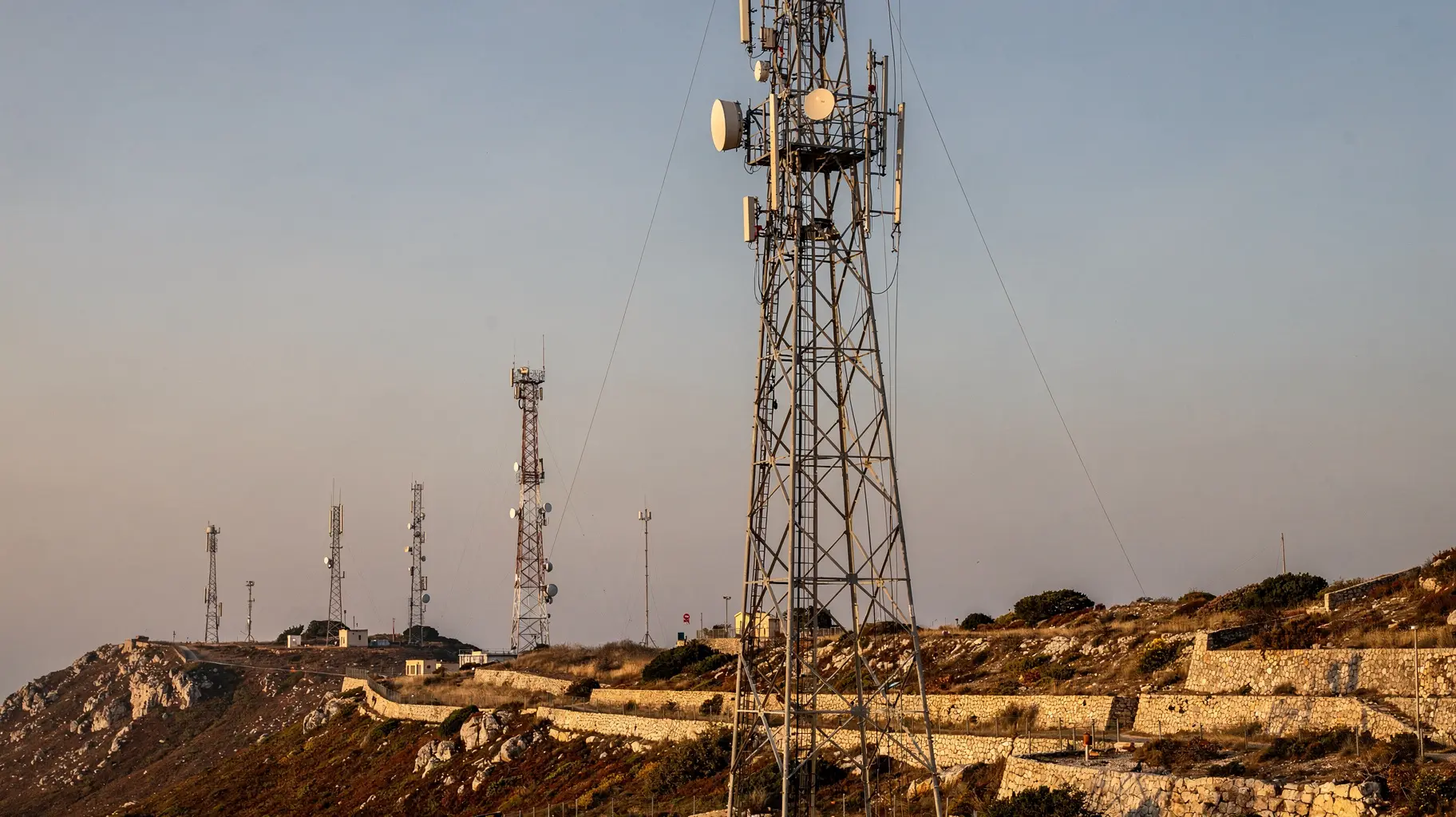
EI Towers: a price gap, an unmeasured contract, and a deadline that moved twice
The Rai Way–EI Towers combination missed its 30 June 2026 date after the owners had already moved the timetable once. The reported obstacle is valuation. The only operating variable anyone named in public was the length of the tower company's transmission contracts with…

Europe and Middle East Cloud Services
The Number Outlives the Name: AS57063 and the Register Record That Did Not Follow
A routing identifier, a registration code and a company name are three different kinds of fact, maintained by three different processes on three different clocks. On 18 October 2026 the first two still agreed with each other. The third had already moved.

Europe and Middle East National Telecom
Telefonica de Espana: public remedy, unreadable access price
Spain's competition and telecom regulator keeps a public file on the wholesale market where rivals buy the use of an incumbent's network. The file, the regulator's press page and the operator's own results page were all retrieved. None of them yielded a price, a volume or a…

Europe and Middle East Institutional
Alcatel Submarine Networks: a cleared owner, an unmeasured fleet
The French State's purchase of Nokia's subsea business is visible in an announcement and a competition record that resisted every attempt to read them as text on 18 October 2026. The supplier's ships, plants and order positions were not visible at all — and that asymmetry, not…
Europe and Middle East Institutional
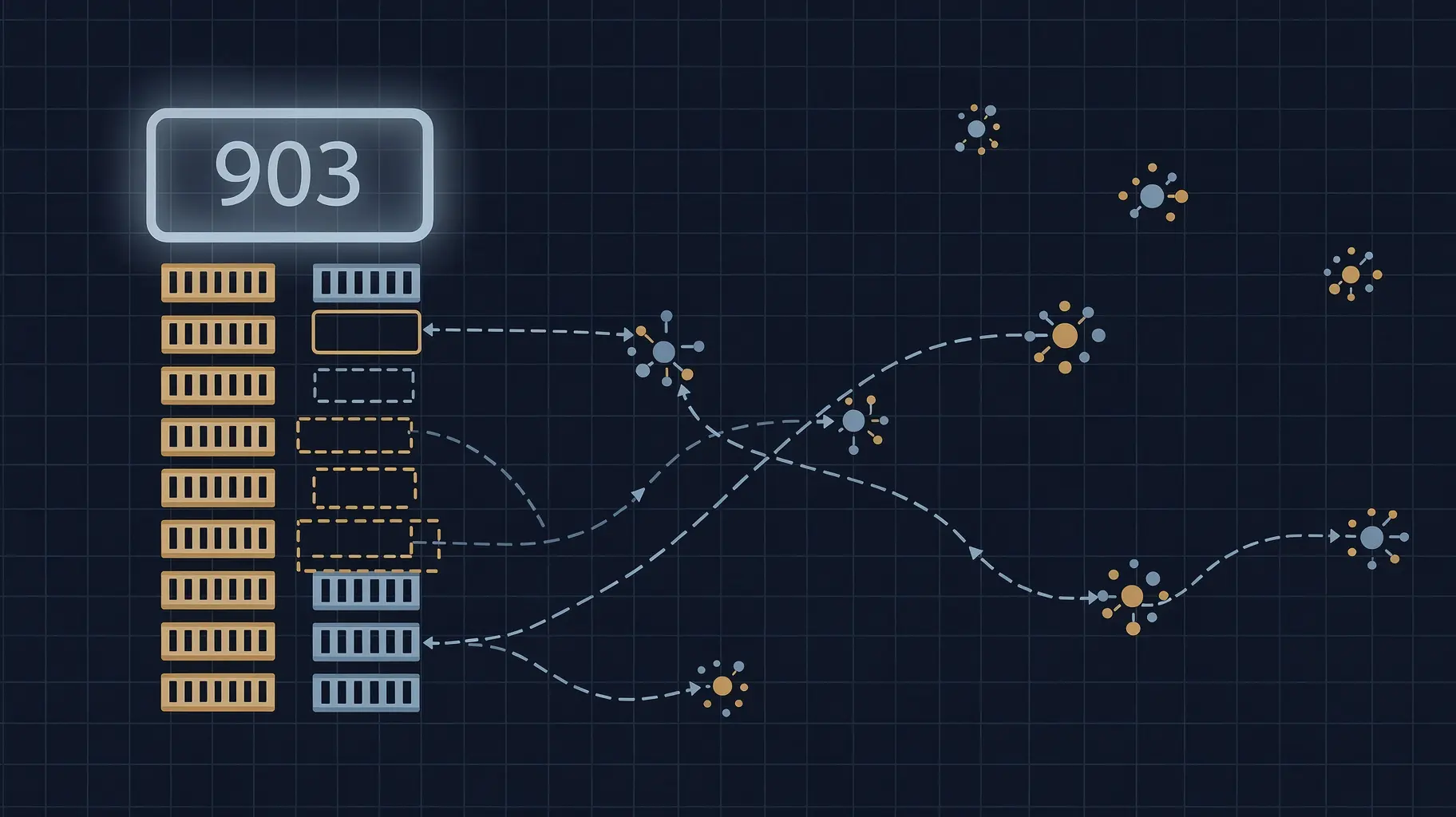
903 Connected Networks, Undefined: What AMS-IX's Headline Number Does Not Say
On 18 October 2026 the Amsterdam Internet Exchange displayed one number for its own size. The retained text around that number does not define what it counts — and in an interconnection market where the count is quoted in sales decks, procurement memos and site-selection…

Europe and Middle East Institutional Trends
Europol’s Report Finds EU Forensic Tool Testing Still Fragmented
A new Commission–Europol analysis points to incompatible formats and national validation practices. It recommends shared tools and testing, but does not establish an EU-wide test authority.