Summary
- A July 2010 usability report described a Wikimedia Commons upload page whose opening screen contained instructions and warnings, with the form below the fold.
- UploadWizard separated file transfer from public release, using temporary storage to support previews and metadata. Its route from prototype to default tool included further usability problems and a May 2011 interruption.
The visitor had a picture to give away. The page had reading to assign. Wikimedia Commons' old upload interface opened with so much instruction that none of its form fields were initially visible, according to a usability report dated 27 July 2010. Scroll far enough and the upload form eventually emerged from its own explanation.
The document, commissioned by Wikimedia Foundation, offers a particularly fine example of institutional helpfulness. A licensing instruction referred to a summary box. The form had no field labelled summary. Elsewhere, the source box contained wiki syntax while its help text suggested ordinary words. A willing contributor had acquired a small decoding job.
A place to put the unfinished picture
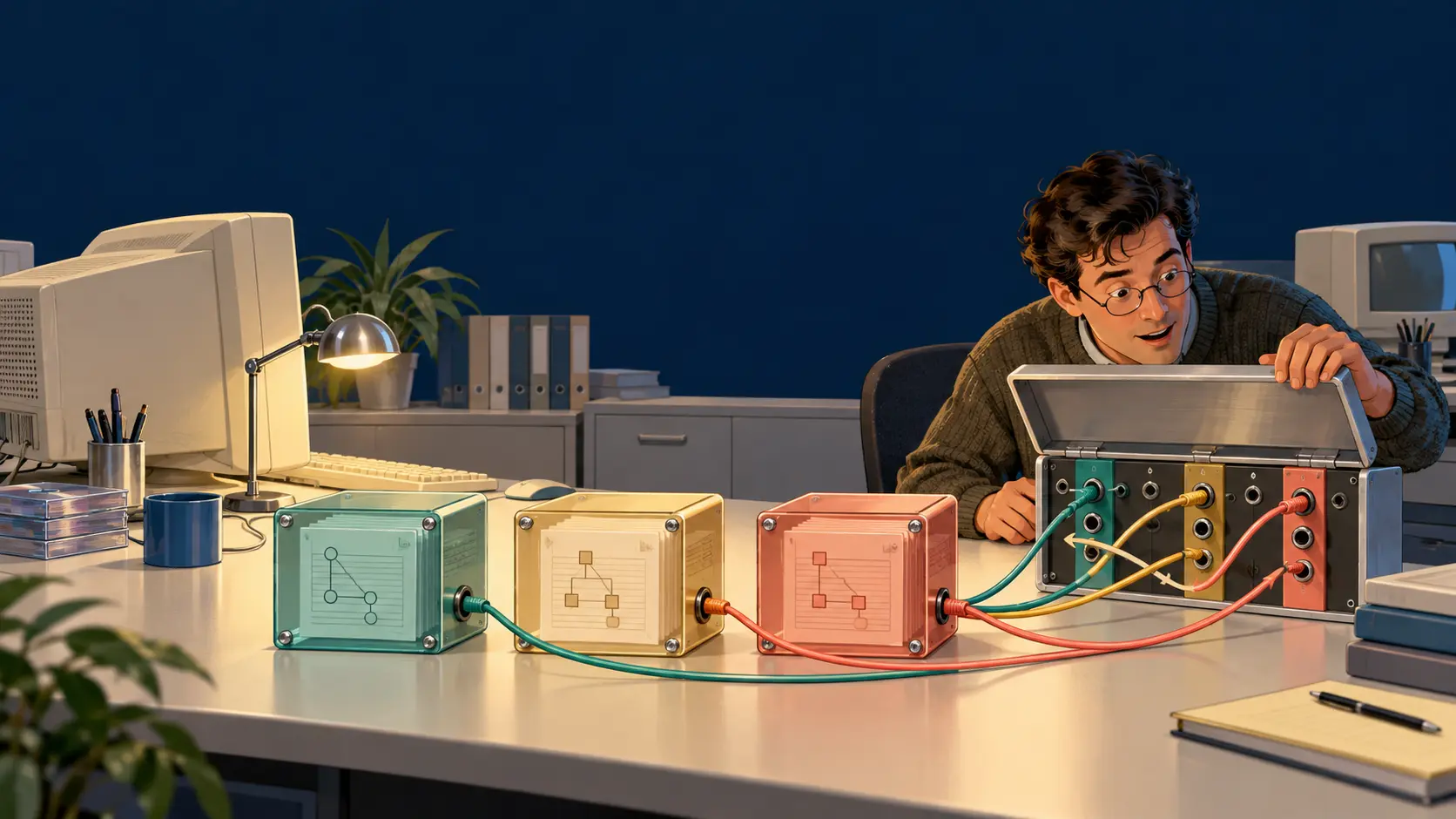
UploadWizard changed the sequence. Its design document describes sending the file to a temporary holding area before publishing it to the wiki. The service could then inspect the file, make a thumbnail and extract information such as a photograph's date. The contributor could review and change the information before release.
That waiting space mattered. The older interaction gathered a file and its accompanying page text into a submission that could publish almost immediately. Warnings had accumulated around that moment. The new design gave the system an intermediate state to manage, allowing the person at the screen to deal with related questions together.
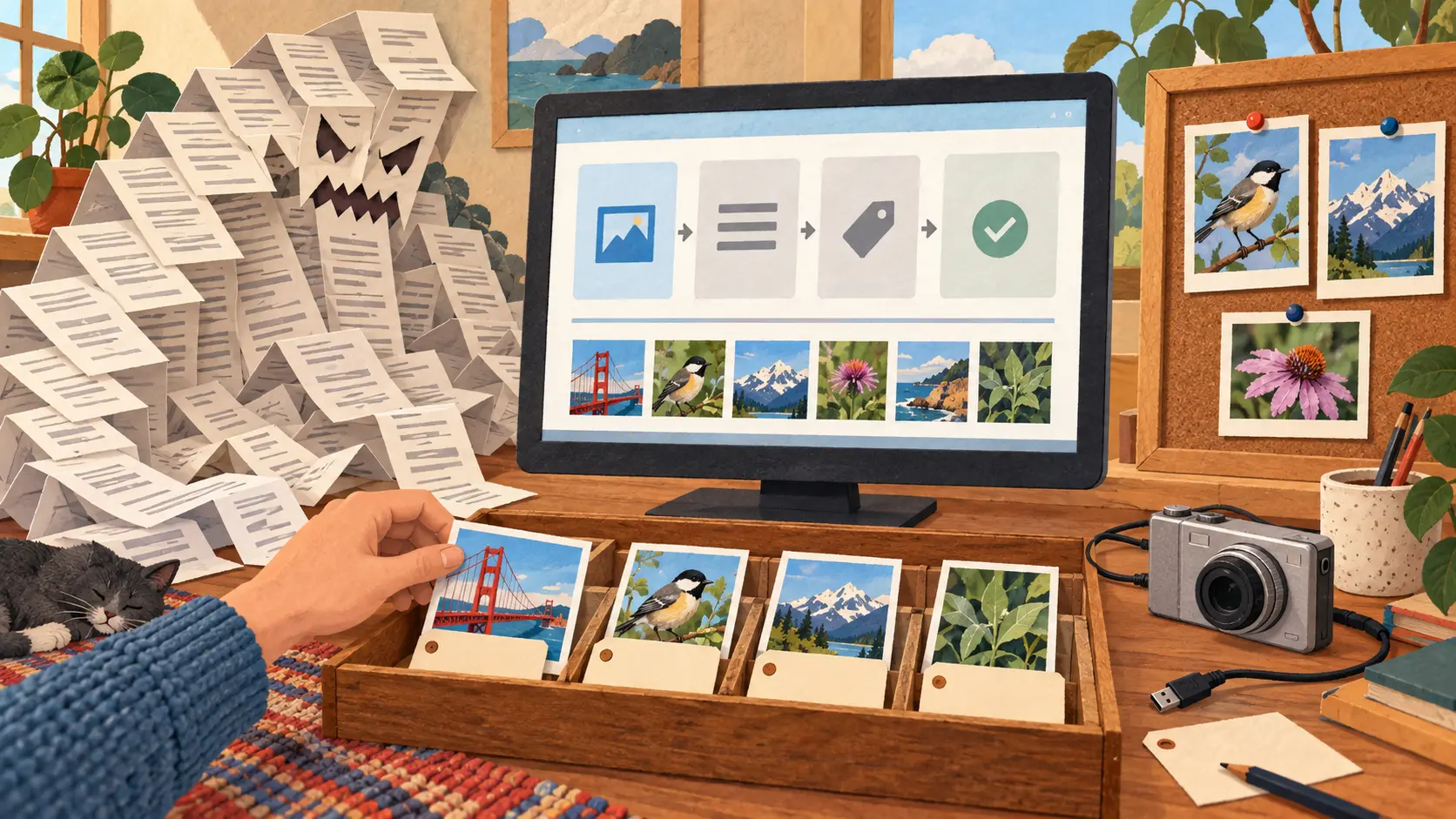
The prototype divided the work into uploading, rights, description and use. Test participants who had tried the old form preferred the new one. The final stage supplied code for putting the picture into a wiki page. A donated image had a destination beyond the reassuring announcement that its bytes had arrived.
There were still traps. Some testers failed to recognise the title field as the place to change a filename. In the prototype, the browser's back button returned them to the beginning and lost their work. People appreciated a suggested licence, while some missed the alternative-choice link. The report gave the designers specific jobs: make choices legible and protect the effort already spent.
The broader project also produced an illustrated licensing tutorial. The May 2011 launch post presented that comic alongside batches of up to ten files, thumbnails, automatic metadata and prompts to resolve filename conflicts. It kept the old form available. Ease of contribution was becoming a series of manageable actions.
A launch with an interruption
Public beta began on 30 November 2010. The wizard became the default on 9 May 2011, then was disabled shortly afterwards. The engineering archive says the problems were initially thought to involve ResourceLoader; it records re-enabling the tool on 17 May after investigation.
The project report left long-term participation gains for later measurement. What its documents establish is the practical redesign: the service took custody of an unfinished contribution and gave its owner time to complete it. Getting a photograph onto the internet turned out to require somewhere for it to wait.
Original records
Member Briefing
Deeper Profile Context
Sign in with the right membership level to unlock the full briefing and source notes.
Only for Strategic Circle
Strategic Circle
Open to all readers. Unlock profile briefings after joining and signing in.
Join Strategic CircleOnly for Leadership Alliance
Leadership Alliance
For qualified IP-asset owners and management; sign in to unlock alliance briefings.
Join Leadership Alliance