Summary
- Colt plans an additional 25 Tbps on its existing mountainside route in January 2027, then about 25 Tbps on the new Tohan Platinum Connect route in spring.
- The approximately 30% latency reduction applies to the shorter new route. The release gives no price, route-level investment, committed customer capacity or measurement method.
The calendar is part of the product
Fifty terabits per second sounds like one very large pipe. Colt’s announcement describes two additions on two dates, and customers buying long-haul capacity will care which pipe arrives first.
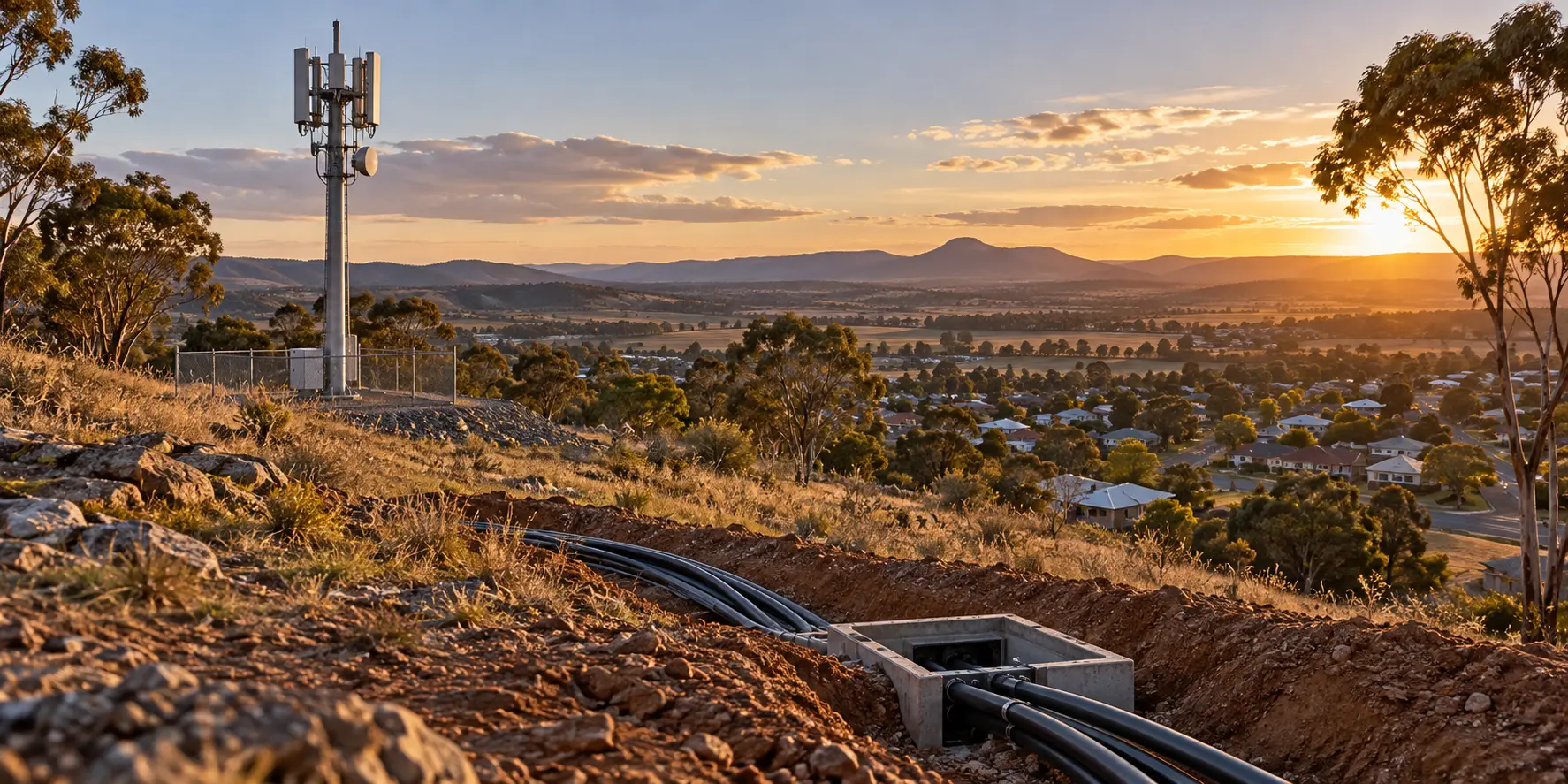
The first step is scheduled for January 2027: Colt plans to add 25 Tbps to the existing mountainside route between Tokyo and Osaka. The second is Tohan Platinum Connect, a third route over the more-than-500-kilometre corridor, planned for spring 2027 with initial capacity of about 25 Tbps. Colt says it will expand that route as customer demand grows. Put together, the two steps make the company’s approximately 50 Tbps figure.
The capacity addition and the speed claim travel on different tracks. Colt says Tohan follows a shorter fibre path than its existing coastal and inland routes and should cut latency by about 30%. The January expansion belongs to the mountainside route; Colt does not attach that latency reduction to it. The distinction is easy to lose in a headline that adds the two capacity figures and puts them beside the faster route.
That distinction is useful to buyers. A financial institution evaluating the spring route needs a service date, a performance test and the commercial terms for its own endpoints. A carrier or data-centre operator planning around January needs to know what the upgraded mountainside route will offer, where capacity is available and how it can be ordered. Capacity on a route is a supply figure; it is not a record of customer take-up.
Colt says financial institutions, other carriers and data-centre providers asked for lower-latency long-haul connectivity. The company places the route inside a three-year ¥15 billion West Japan investment plan announced in August 2023. It has not assigned a portion of that plan to Tohan, disclosed service prices or named committed capacity customers. The release gives no test endpoints or method behind the 30% estimate, either. Those are the numbers that would turn a construction announcement into a buyer’s business case.
The expansion sits inside a wider build. Colt says it plans 22 new points of presence west of Osaka, including city networks in Hiroshima and Okayama by the end of 2026 and Fukuoka by January 2027. That footprint can widen the set of locations the Tokyo–Osaka routes can serve. The release does not break out which planned sites will connect to each route or when each becomes orderable.
For now the announcement has a clear timetable and a split promise: one January capacity upgrade, one spring route launch, two 25 Tbps additions, and a 30% latency estimate attached to the new route. The commercial scorecard is still to come: service availability, measured latency on named endpoints, capacity sold and price. Headline arithmetic is neat. The customer order is where it has to earn its keep.
Sources
Member Briefing
Deeper Profile Context
Sign in with the right membership level to unlock the full briefing and source notes.
Only for Strategic Circle
Strategic Circle
Open to all readers. Unlock profile briefings after joining and signing in.
Join Strategic CircleOnly for Leadership Alliance
Leadership Alliance
For qualified IP-asset owners and management; sign in to unlock alliance briefings.
Join Leadership Alliance