- The proposal includes a four-storey building, electrical substation, cooling plant and backup diesel generation
- NSW lists KC1 at the SEARs stage; DCD reports potential investment of up to AU$1.8bn
The fact
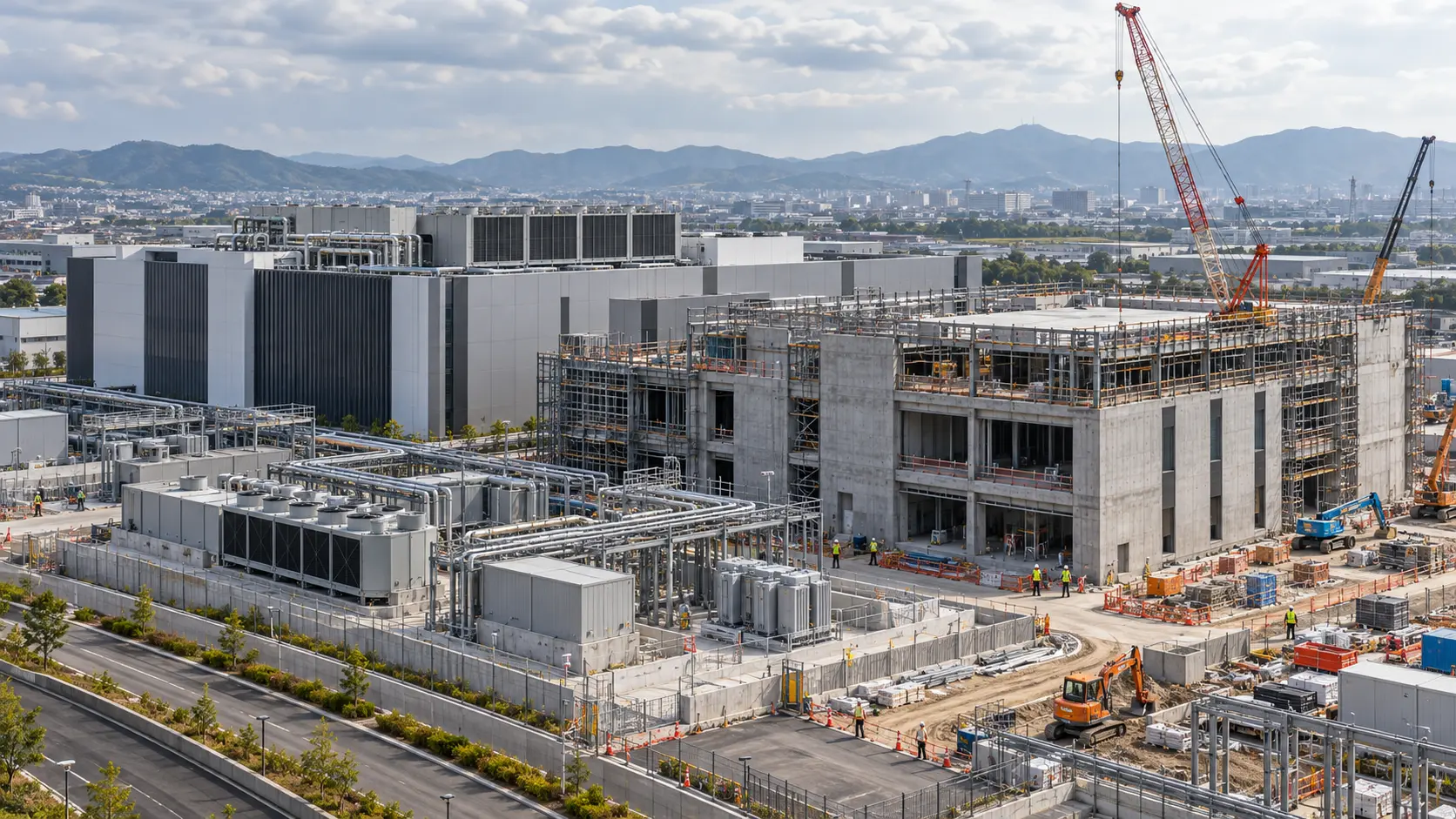
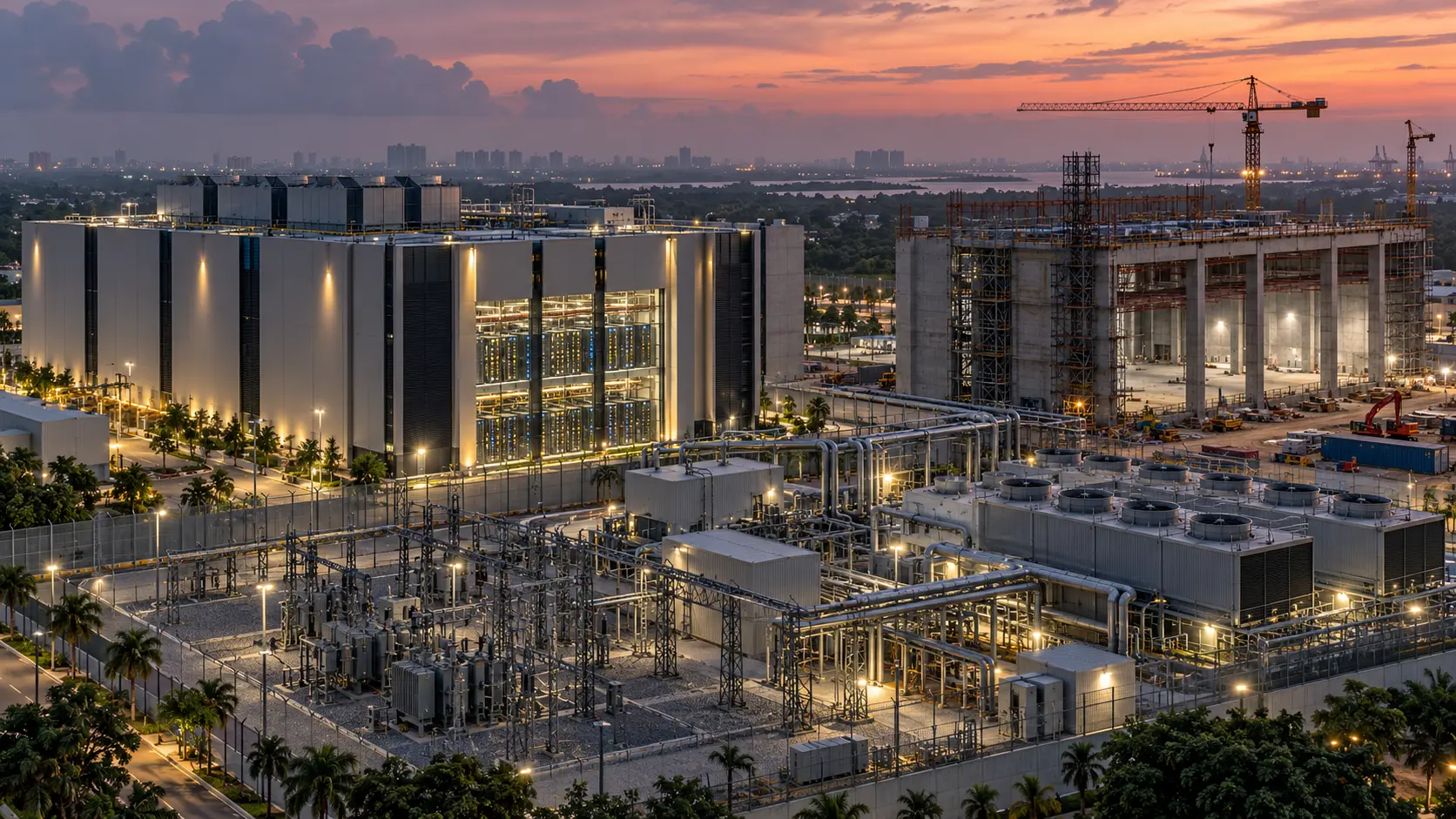
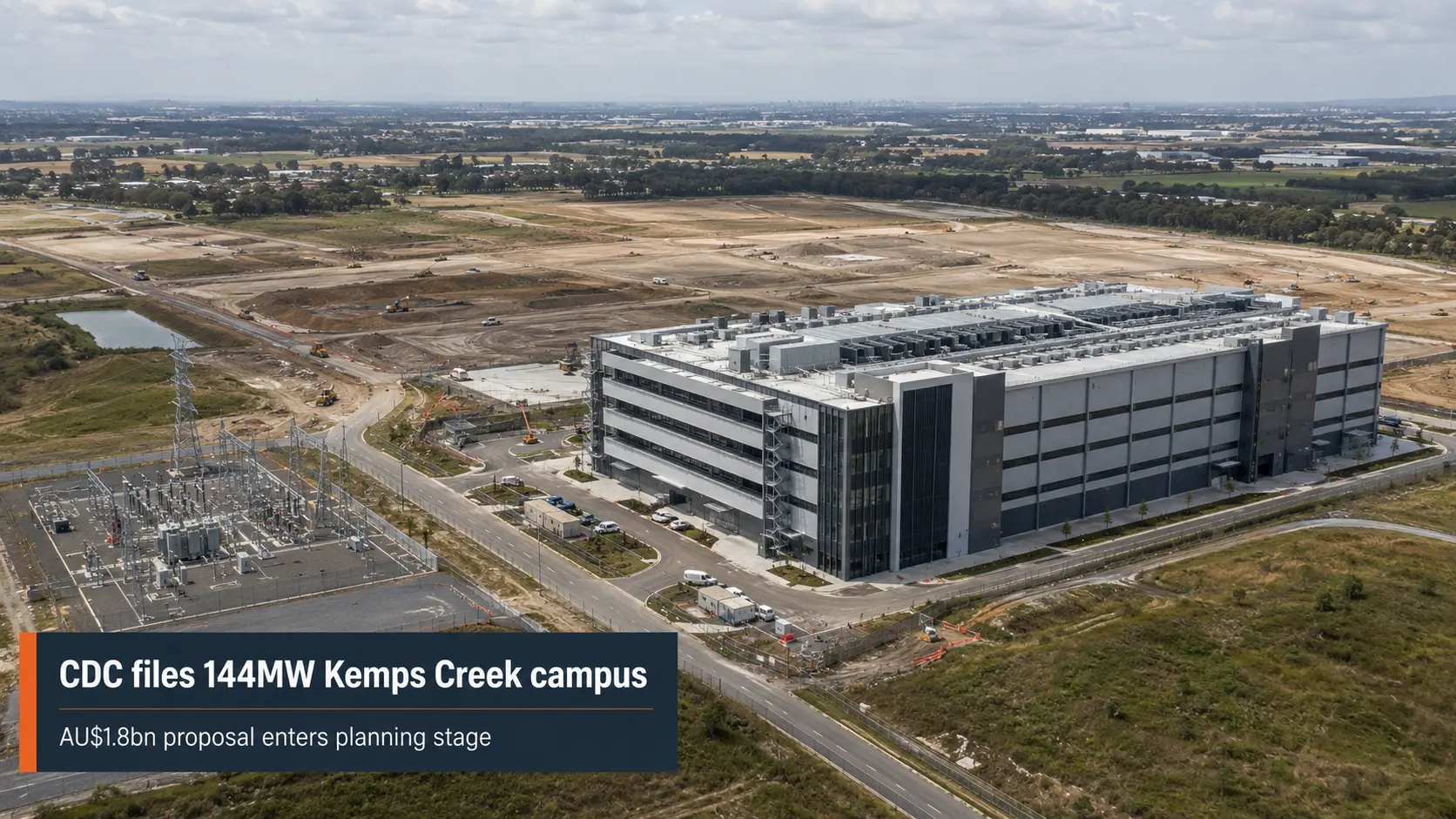
Australian data-centre operator CDC has lodged a request for Secretary's Environmental Assessment Requirements (SEARs) for KC1, a proposed data centre at 871–901 Mamre Road in Kemps Creek, western Sydney. The NSW Planning Portal describes a four-storey building with total power consumption of 144MW, together with an electrical substation, cooling plant, backup diesel generators and diesel storage, internal roads, and landscaping.
Data Center Dynamics reports that the site covers 88.4 hectares and the building would span about 34,000 square metres, with potential investment of up to AU$1.8bn. NSW currently lists KC1 at the SEARs stage. The next planning steps include preparation and exhibition of an environmental impact statement, followed by assessment and determination. No construction or commissioning date is shown in the public material reviewed.
The assessment
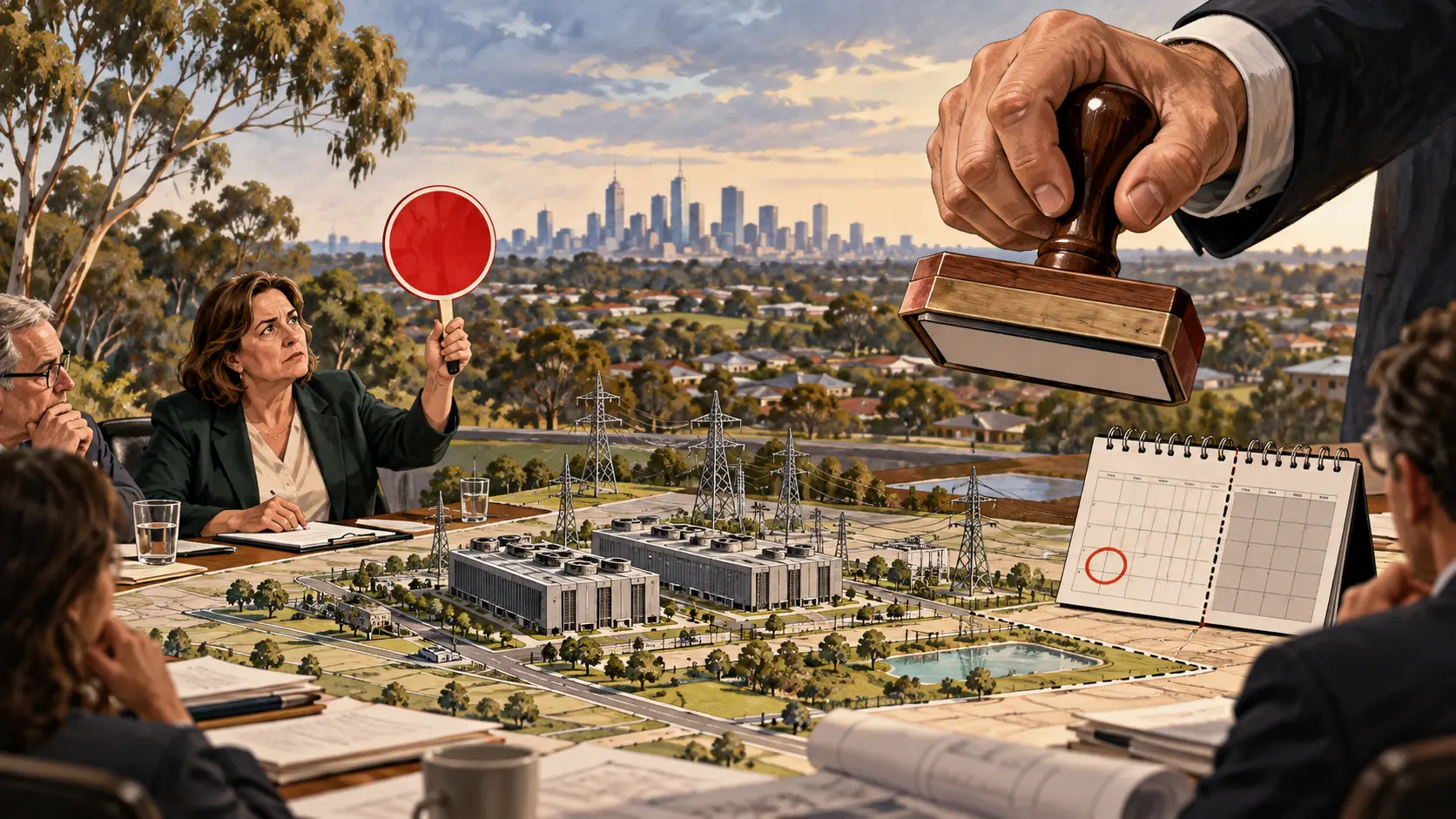
KC1 is now at the point where CDC has to match the planned 144MW load with a workable delivery sequence. That means aligning the grid connection, site substation, cooling systems, backup generation, and construction programme. The substation can form part of the site's electrical infrastructure, but it does not show when the network will be able to supply the full load.
The practical issue is timing. Grid works and building construction need to progress closely enough that completed space is not waiting for power, or power is available before the site is ready to use it. That sequence will also affect how much capacity CDC can bring online in the first phase. For BTW readers, the next useful evidence is not another capacity figure but a power-delivery timetable tied to construction and commissioning. That would show how CDC intends to turn the 144MW proposal into operating capacity.
What to watch
The next planning documents should clarify how CDC intends to supply and stage the site, including the grid connection, substation and cooling design. More important will be a planning decision and the first construction or commissioning date, which would indicate when any part of the proposed 144MW could realistically enter service.