
Strategic Circle Briefing
Join to unlock strategic briefings after signing in.
Join Strategic CircleGovernance / Case File
Some governance fights run for years and end up rewriting the rules for everyone. We follow them from the first filing to the final ruling, with the documents, the timeline and what is still at stake.

Latest Coverage
1,919 articles
CASE FILE
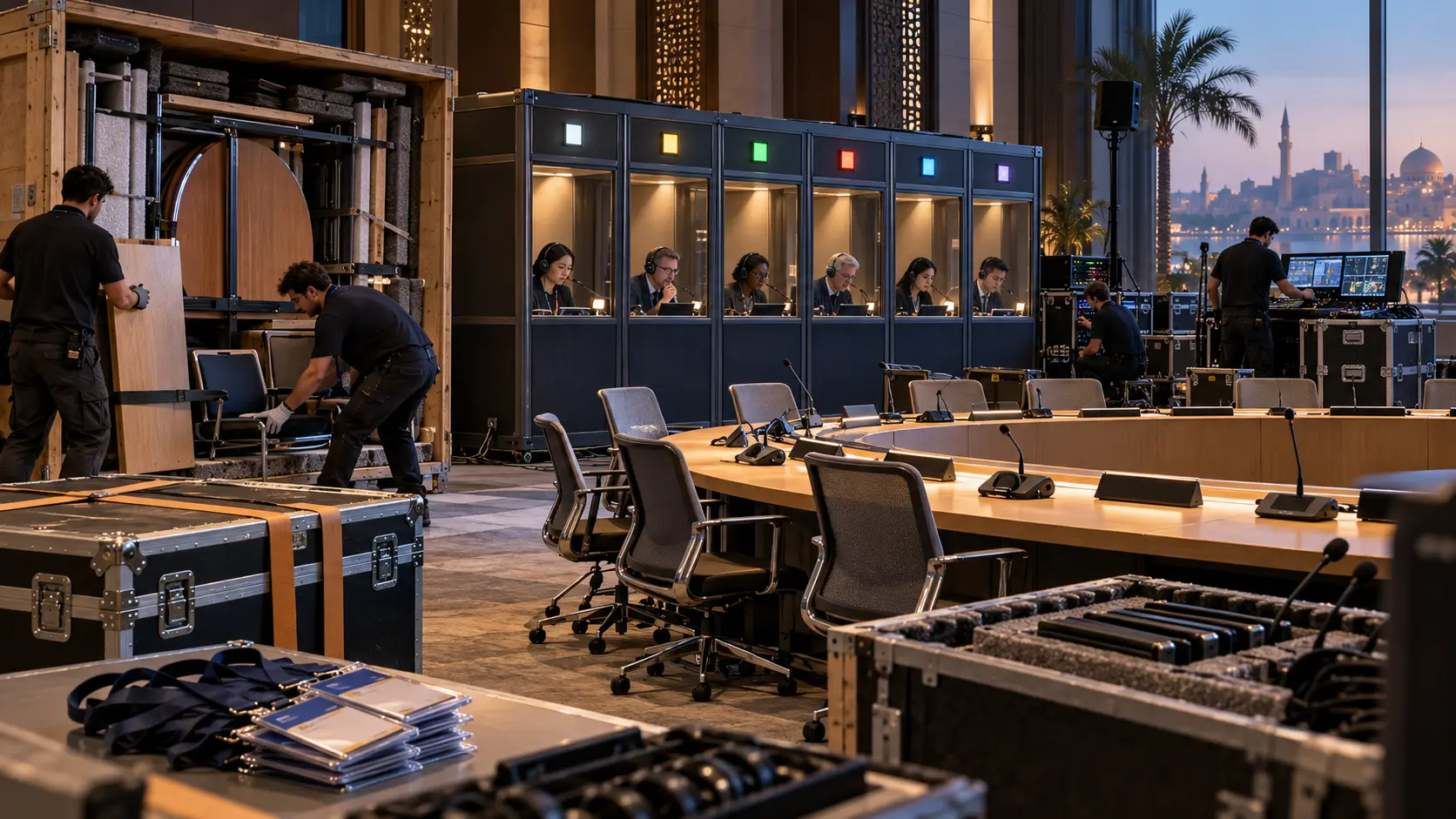
Arab States want the ITU to price conferences as events with different needs, use capable local equipment when it is cheaper, and rethink how interpretation travels. The six-language obligation stays in the room.

CASE FILE
An ITU proposal would let national telecom regulators diagnose their own skills and ask for help without landing on a global league table. The test is whether a private scorecard can steer public resources.

CASE FILE
Satellite plans move on launch calendars; their radio filings move through an overworked international office. A proposal for November asks the ITU to show the queue, explain missed deadlines and give administrators a useful date.

CASE FILE
A new conference proposal asks the radio regulator to study the actual orbital layers behind low-orbit satellite filings. The signals have a map; the spacecraft need one too.

CASE FILE
The ITU is already studying lunar frequencies. A new proposal from Beijing and Moscow asks its November conference to settle a bigger question: how every country gets a fair place in that queue.

CASE FILE
Australia, Japan, New Zealand and Tonga have asked the ITU to retire its recurring review mandate for international telecom rules. The expert group has delivered its report; agreement on what to do next remains absent.
CASE FILE
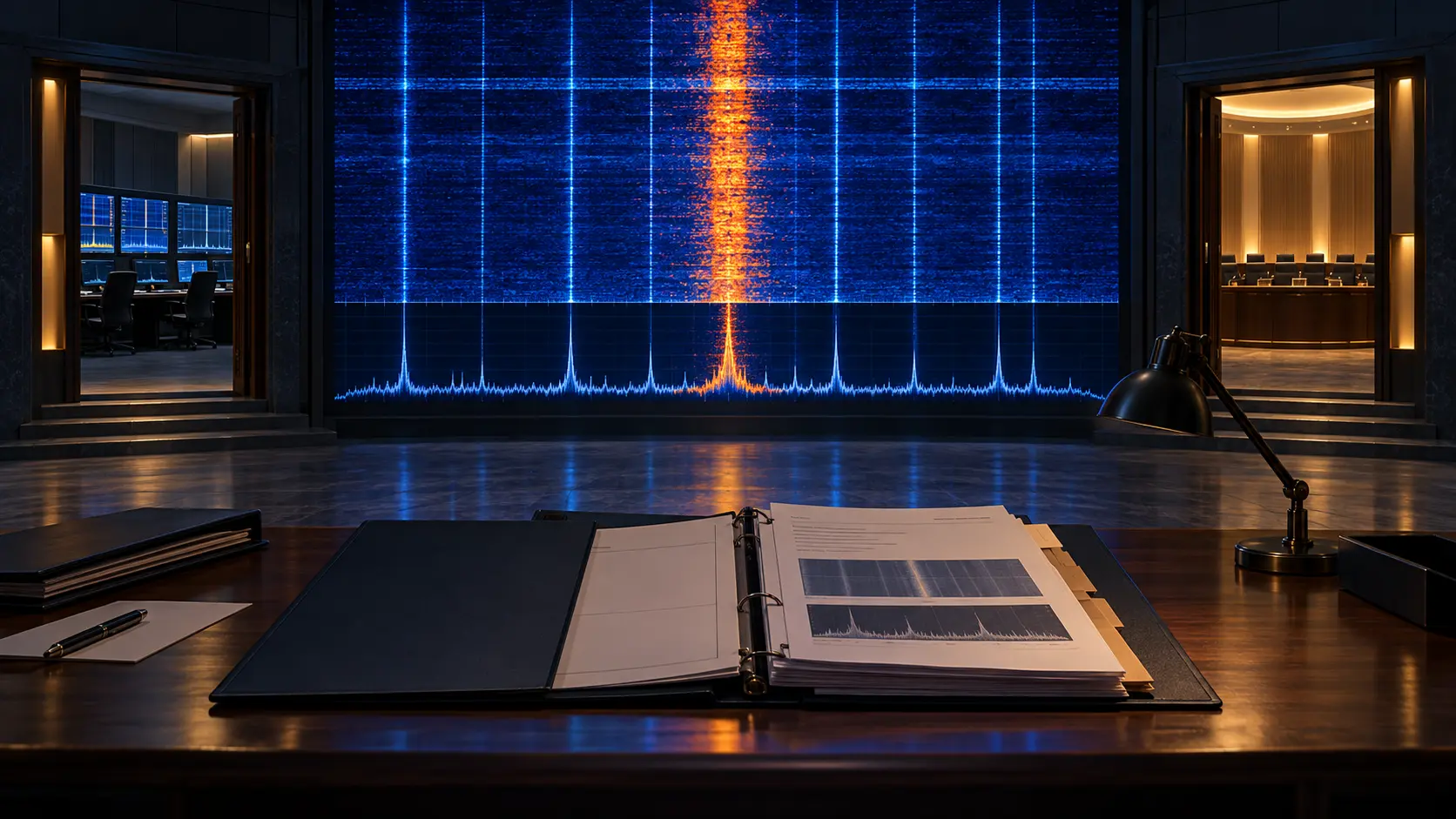
Persistent interference can survive reports, reminders and another board meeting. A 39-government ITU proposal would carry unresolved cases to the Council, with a record of what failed along the way.

CASE FILE
China, India and Viet Nam want the telecom agency’s AI resolution to cover safe applications, standards and the people who will run them. A conference slogan is about to meet a switchboard.

CASE FILE
Qatar wants the ITU’s old software-defined-networking brief to teach operators how to migrate through NFV and cloud-native systems. Its proposal spends more ink on workshops and legacy coexistence than on the buzzwords.

CASE FILE
A UAE draft would make the ITU treat cables, data centres, exchanges, cooling and power as one continuity problem. It also asks for regular reports built from voluntary accounts of what went wrong.

CASE FILE
Brazil, Kazakhstan and the Philippines want cable-repair coordination to have a front door. Their proposed ITU resolution names the offices that should promote it, while leaving the actual door for governments and operators to build.

CASE FILE
Europe has switched on a federation of research services. Its operators can count the nodes and the services; the binding framework for keeping them together is still moving through the room.

CASE FILE
Washington put the International Criminal Court on a sanctions list, then issued a license for its digital plumbing. Brussels has now told European operators to keep serving it. The small print decides which wires stay live.

CASE FILE
The EU's new Arctic strategy proposes a cable hub to spot trouble and help repairs. Its real test will come at the handoff: a warning from the seabed needs an authority, an operator and a vessel to move in the same direction.

CASE FILE
Canada's telecom regulator refused to reopen a former host's porting system for Ztar Mobile. A dissent found a smaller job left undone: prove who last used an unreassigned number before the clock runs out.

CASE FILE
Verizon’s earliest date to retire legacy phone lines has passed. The FCC stopped the application’s automatic approval before it took effect. In rural Virginia, counties are asking the question the calendar cannot answer: which household has a working replacement voice line?
CASE FILE
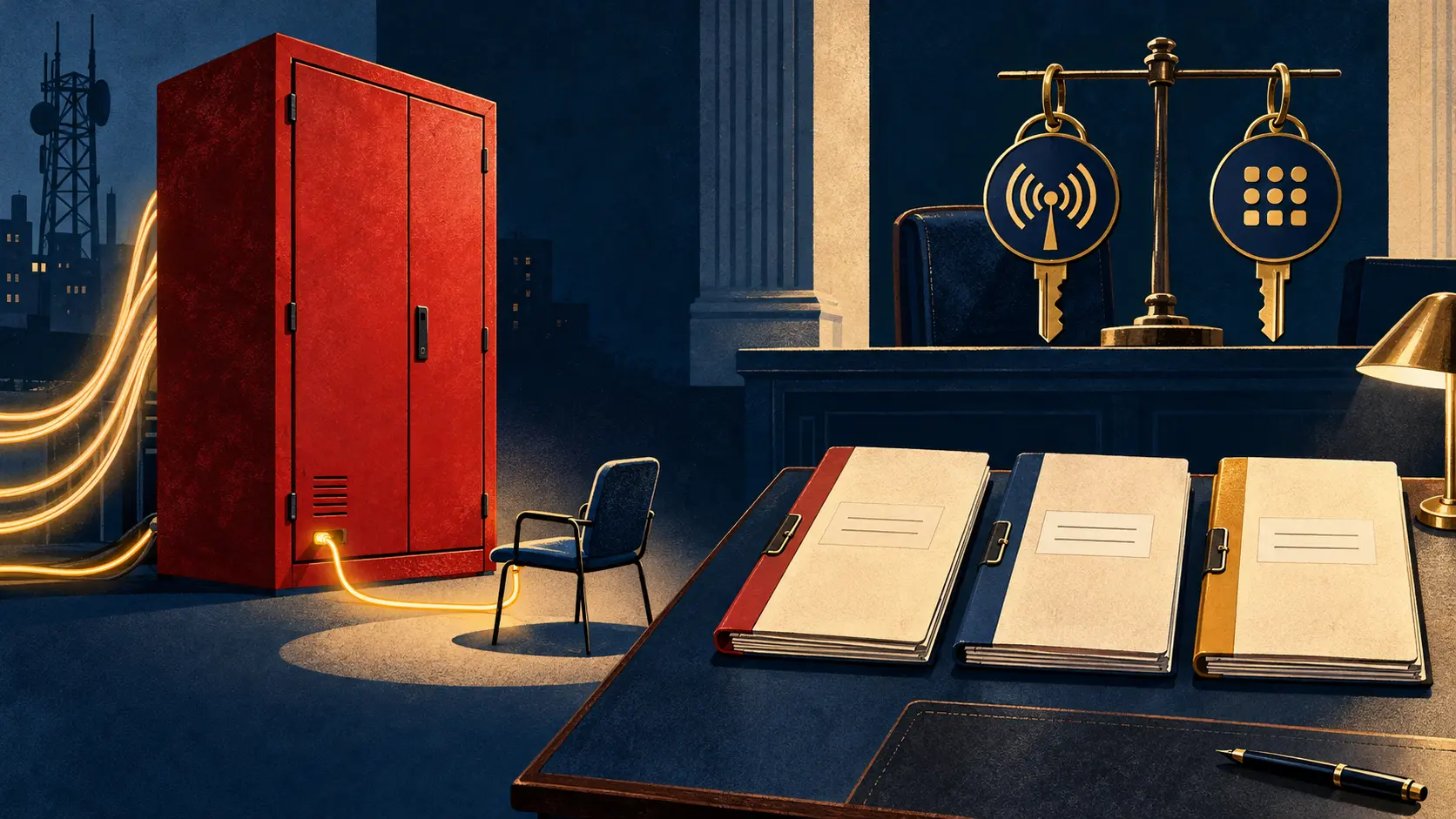
Orange, Bouygues Telecom and Iliad/Free have proposed taking different parts of Altice France’s business. France will examine three linked deals, and Arcep will separately rule on the radio frequencies and phone-number resources that make a network work. The cabinet is still…
CASE FILE
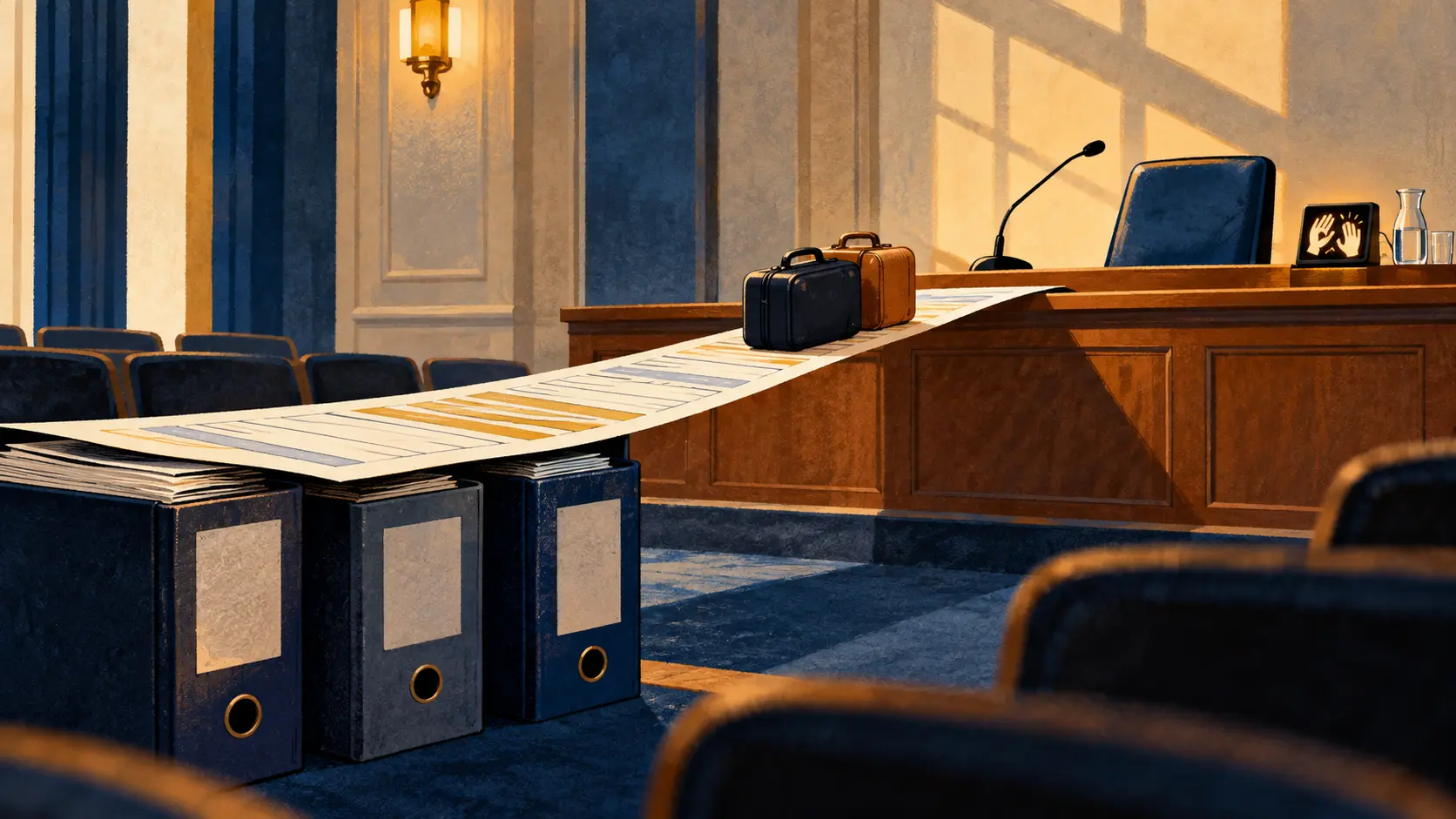
A seat at a telecom hearing has a travel bill. The CRTC ordered C$3,788 in advance costs for two Deaf Wireless Canada Consultative Committee representatives before its consumer-protection hearing begins. Three large carriers must pay it now.

CASE FILE
The Census Bureau had compared ten ways to protect future population statistics, heard user feedback and chosen a method for block-level counts. A year later, Commerce removed that method from the permitted menu. The decision chain now matters as much as the algorithm.

CASE FILE
GovS 005 now threads AI through the people who approve, fund, operate and retire government technology. The companion scorecard is still an internal self-assessment, and its change log says the latest update changed an email address.
Member Unlock
Login is required to unlock full profile briefings and deep-dive sections.
Join to unlock strategic briefings after signing in.
Join Strategic CircleFor IP-asset owners and leadership teams: alliance briefings, private reports and direct analyst support.
Join Leadership AllianceSession Map
Multi-year governance and legal crisis with implications for RIR accountability worldwide.
Open AFRINIC Saga