Summary
- In June 2025, the Census Bureau’s Data Stewardship Executive Policy committee selected formally private noise for 2030 block-level population counts and kept state totals exact.
- A June 2026 Commerce order barred noise infusion for statistical products. Census now plans a mid-2027 demonstration under a changed research agenda.
A census rule can survive a committee meeting and still lose to a higher desk. In June 2025, the Census Bureau’s Data Stewardship Executive Policy (DSEP) committee chose formally private noise for the 2030 Census’s block-level total-population counts. In June 2026, the Department of Commerce issued Administrative Order 216-26: noise infusion shall not be used for a statistical product. The Census Bureau’s August update says that order has shifted its 2030 research agenda. The first choice was technical and deliberate. The second was administrative and decisive.
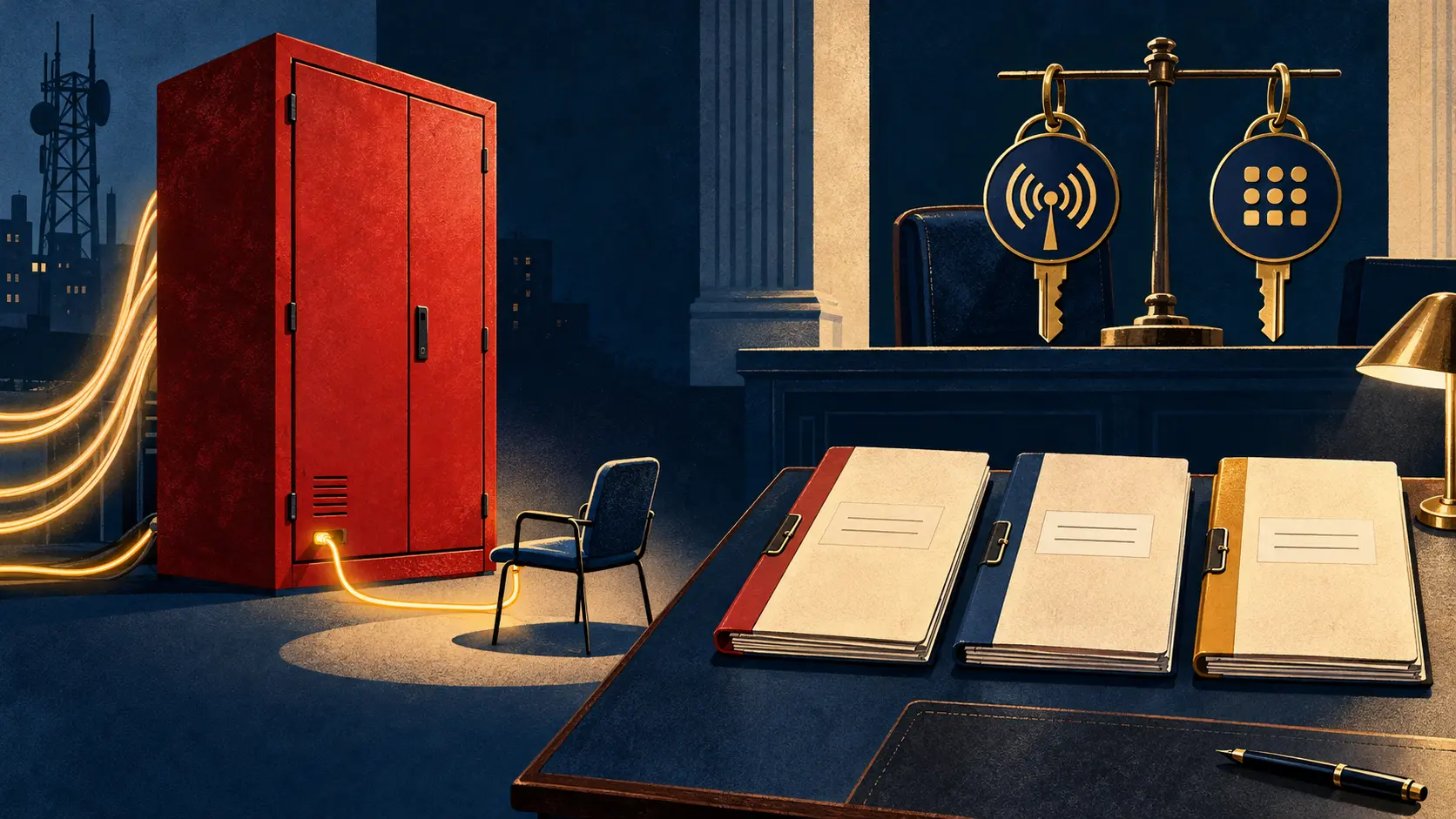
The 2025 process was built to compare options. Census staff assessed ten methods against seven principles, including meaningful measures of disclosure risk, accuracy, transparency and feasibility. The methods ranged from suppressing cells and rounding to swapping records, synthetic data and formally private noise. A Census Bureau working group concluded that formally private noise best met the principles for block-level population counts. DSEP then made two initial decisions: use noise at the block level, and publish state-level totals as enumerated.
The bureau left a long list of other choices for later, including accuracy targets, the algorithm and whether to preserve additional totals exactly.
That division made sense inside the original plan. Federal and local decision-makers need detailed statistics for district maps, services and funding. People who answer census questions expect the Bureau to protect their records. Those are both operating requirements. A privacy-loss budget and a map of protected geography connect them; the parameter settings decide how much detail survives in published cells. In 2025, Census said the work group had reviewed ten candidates and DSEP had selected the opening move. The 2025 plan set the 2028 dress rehearsal as the checkpoint for major system decisions, design and prototype.
Commerce’s order changed the constraint before that checkpoint. The Census Bureau’s director described the new hierarchy in August: coarsening is preferred; suppression is reserved for cases where coarsening is prohibited by law or would substantially damage accuracy or usability; noise infusion is out. The Bureau’s account groups record swapping and synthetic-data methods under noise infusion. The order applies to new statistical products from the Census Bureau and the Bureau of Economic Analysis. Published products such as the 2020 Census remain as released.
Existing internal microdata already carrying noise can support a new product when no additional noise is added.
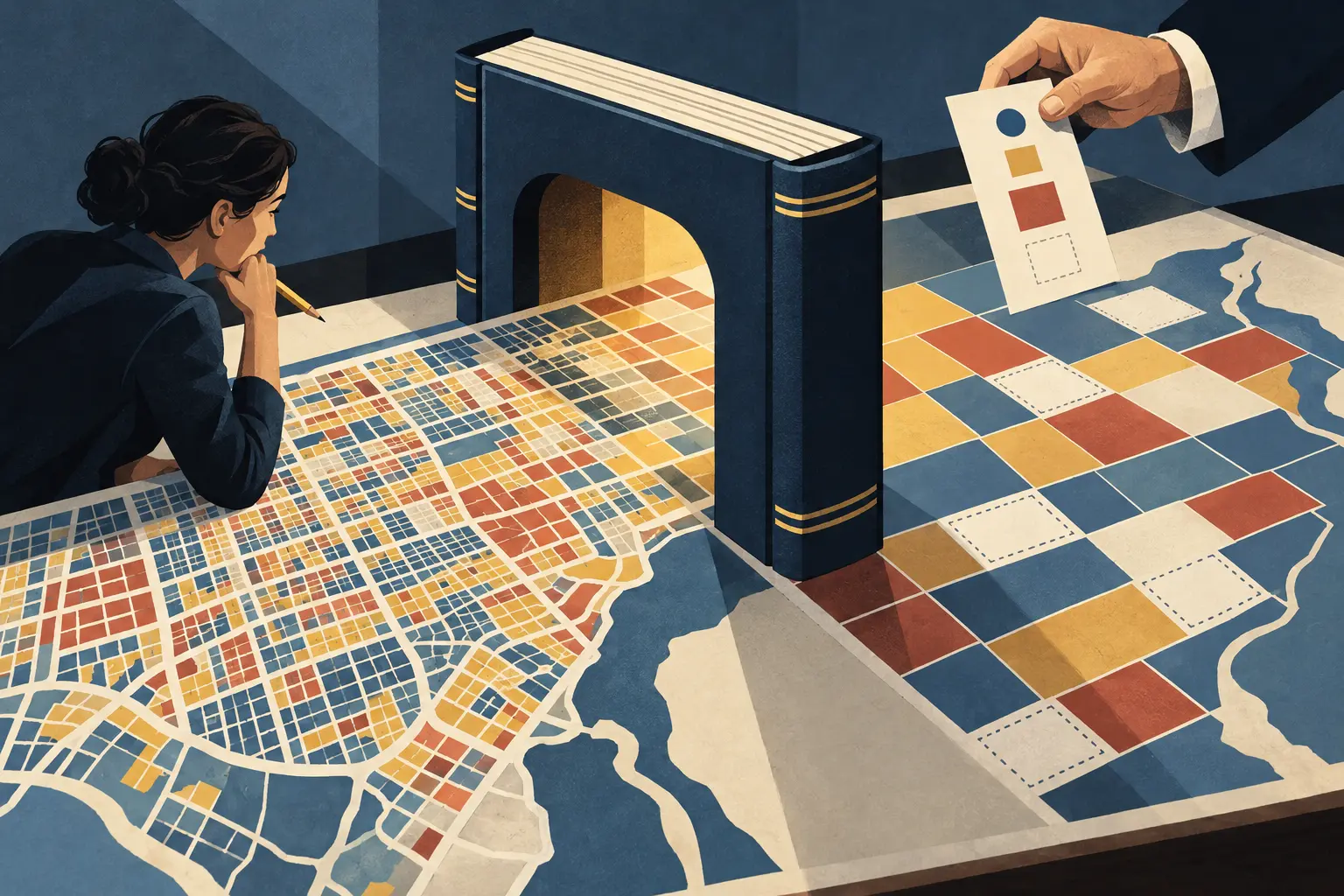
The change reaches beyond a technical team. Census says coarsening and suppression can reduce the amount and detail of published information, especially for small areas and population groups. Those are precisely the places where local governments and planners need to see a neighborhood-sized problem before it disappears into a county average. GAO describes census data as an input to apportionment, redistricting and billions of dollars in annual federal assistance. The operational test is what a local user can still see after the privacy rule is applied. That is the output planners act on.
The Bureau has a relevant precedent, but it belongs to the 2020 Census. After users reviewed April 2021 demonstration data, DSEP revised the optimized geographic spine and parameters to address tribal and off-spine accuracy, geographic and characteristic bias, and accuracy in race, ethnicity and housing statistics. The Census Bureau says DSEP approved those changes. For 2030, the Bureau now plans a mid-2027 public demonstration under the new rule. Users can test the choices that remain on the menu; the product-level criteria and accuracy results will show how much those choices preserve.
The clock has consequences. Under the original 2025 schedule, a mid-2027 demonstration would leave roughly a year before the 2028 dress rehearsal, the planned checkpoint for major design decisions. The Bureau still needs to specify how each product will handle small geographies, how much detail gets grouped or withheld, and how the results will be measured. A public test can expose a bad trade-off inside the methods the Department still allows. A clear, product-level decision record will show which losses were required by the order and which were choices made in implementation.
Sources
- Census Bureau: 2030 Census disclosure-avoidance research agenda and initial DSEP decisions
- Department of Commerce: DAO 216-26, Disclosure Avoidance for Statistical Products
- Census Bureau Director: new policy, product scope and mid-2027 demonstration plan
- Census Bureau: 2020 Census privacy parameters and response to demonstration-data feedback
- GAO: Coverage Errors and Challenges Inform 2030 Plans
Member Briefing
Deeper Profile Context
Sign in with the right membership level to unlock the full briefing and source notes.
Only for Strategic Circle
Strategic Circle
Open to all readers. Unlock profile briefings after joining and signing in.
Join Strategic CircleOnly for Leadership Alliance
Leadership Alliance
For qualified IP-asset owners and management; sign in to unlock alliance briefings.
Join Leadership Alliance