Summary
- The CRTC awarded the Deaf Wireless Canada Consultative Committee C$3,788 in interim costs for two representatives' travel, accommodation and meals at a public hearing scheduled to begin 30 November. Bell Canada and affiliates owe C$1,493.23, Rogers C$1,230.34 and TELUS C$1,064.43, payable forthwith.
- Thirteen interveners met the regulator's initial test for a significant interest in the case. A C$1,000 minimum per cost respondent and revenue-based allocation left three payers for this small advance. The committee must later account for its participation in a final-cost application.
The chair at a public hearing may be free. Getting a person into it is not. Canada's telecom regulator has ordered the travel money to move before its November hearing on consumer rules, giving a Deaf access group a chance to arrive without first lending the process C$3,788.
In Telecom Order 2026-277, dated 22 October, the Canadian Radio-television and Telecommunications Commission approved that amount for two representatives of the Deaf Wireless Canada Consultative Committee. It covers travel, accommodation and meals for a hearing due to start on 30 November in Gatineau. The committee told the regulator it had limited funds and could not comfortably carry the expense in advance. Rogers did not challenge the advance; it asked that Bell's affiliates be included when the bill was allocated.
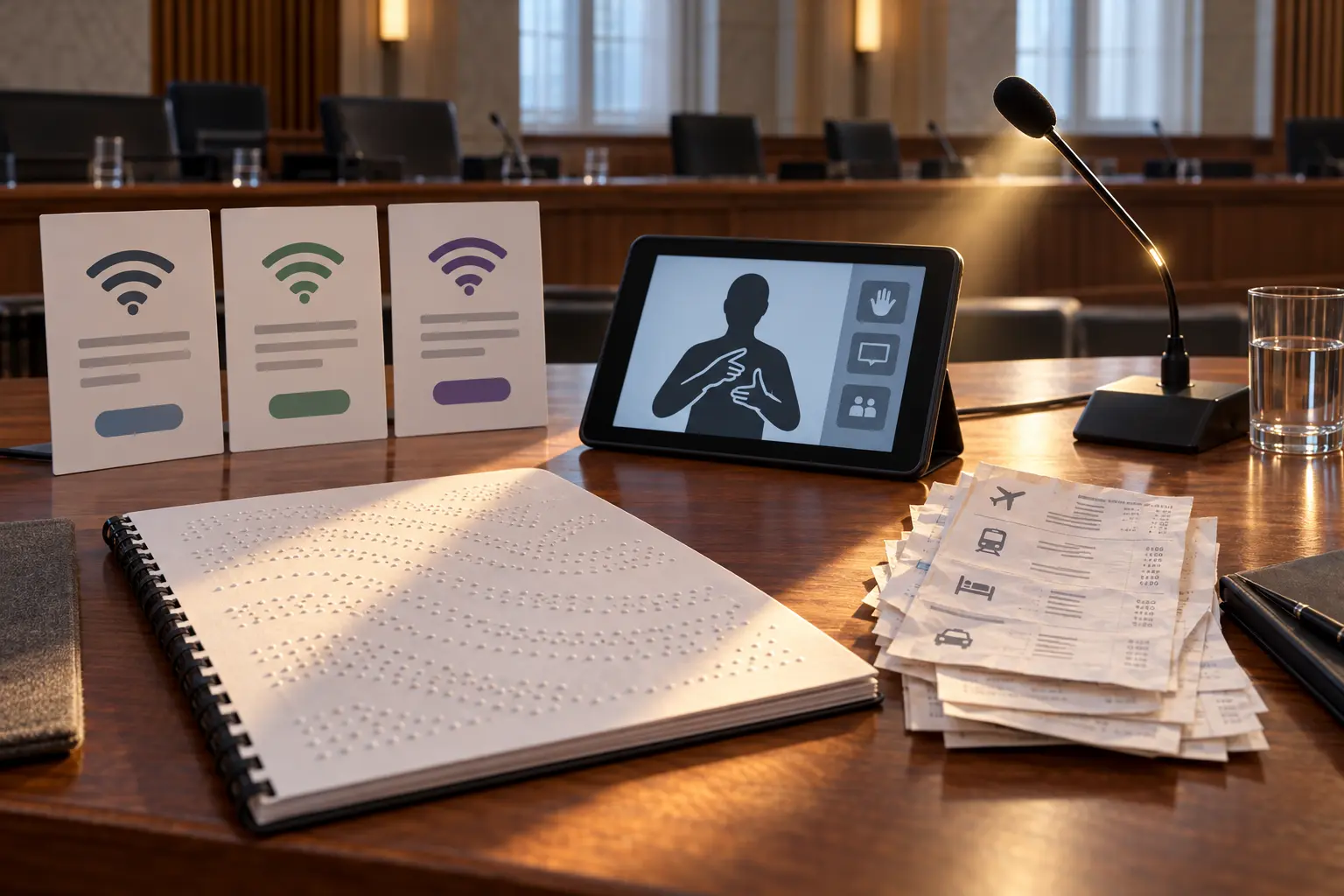
The underlying consultation asks whether four separate consumer codes for mobile, Internet, home phone and television should become one. The CRTC has made sign-language interpretations available and accepts video interventions in American Sign Language and Langue des signes québécoise. DWCC says it can bring the perspective of Deaf, Deaf-Blind and Hard-of-Hearing people to the discussion. That perspective matters before the wording of a common code is settled, when the regulator is still hearing how current protections work across services.
The payer calculation has its own small drama. The order names thirteen parties whose substantive interventions gave them a significant interest in the proceeding. The CRTC normally allocates costs by telecommunications operating revenue, but it also uses C$1,000 as a practical minimum bill per respondent. For this C$3,788 advance, those rules leave Bell Canada and its affiliates responsible for 39.42%, or C$1,493.23; Rogers for 32.48%, or C$1,230.34; and TELUS for 28.10%, or C$1,064.43. Bell is responsible for its affiliates' share and may work out the internal division. The three are directed to pay forthwith.
An advance is a deliberate timing choice. A final costs award can recognise work after it is done; that does little for a group unable to buy a ticket before the hearing. Here the CRTC found the committee met its interim-cost tests: relevant subscriber interests, help to the record, limited resources and a commitment to responsible participation. The committee must seek final costs within 30 days after the record closes, show how it helped, account for spending and explain any difference from the advance. The regulator can revisit who pays in the final order. The consumer-code questions themselves remain open for the hearing.
Sources
Member Briefing
Deeper Profile Context
Sign in with the right membership level to unlock the full briefing and source notes.
Only for Strategic Circle
Strategic Circle
Open to all readers. Unlock profile briefings after joining and signing in.
Join Strategic CircleOnly for Leadership Alliance
Leadership Alliance
For qualified IP-asset owners and management; sign in to unlock alliance briefings.
Join Leadership Alliance