Summary
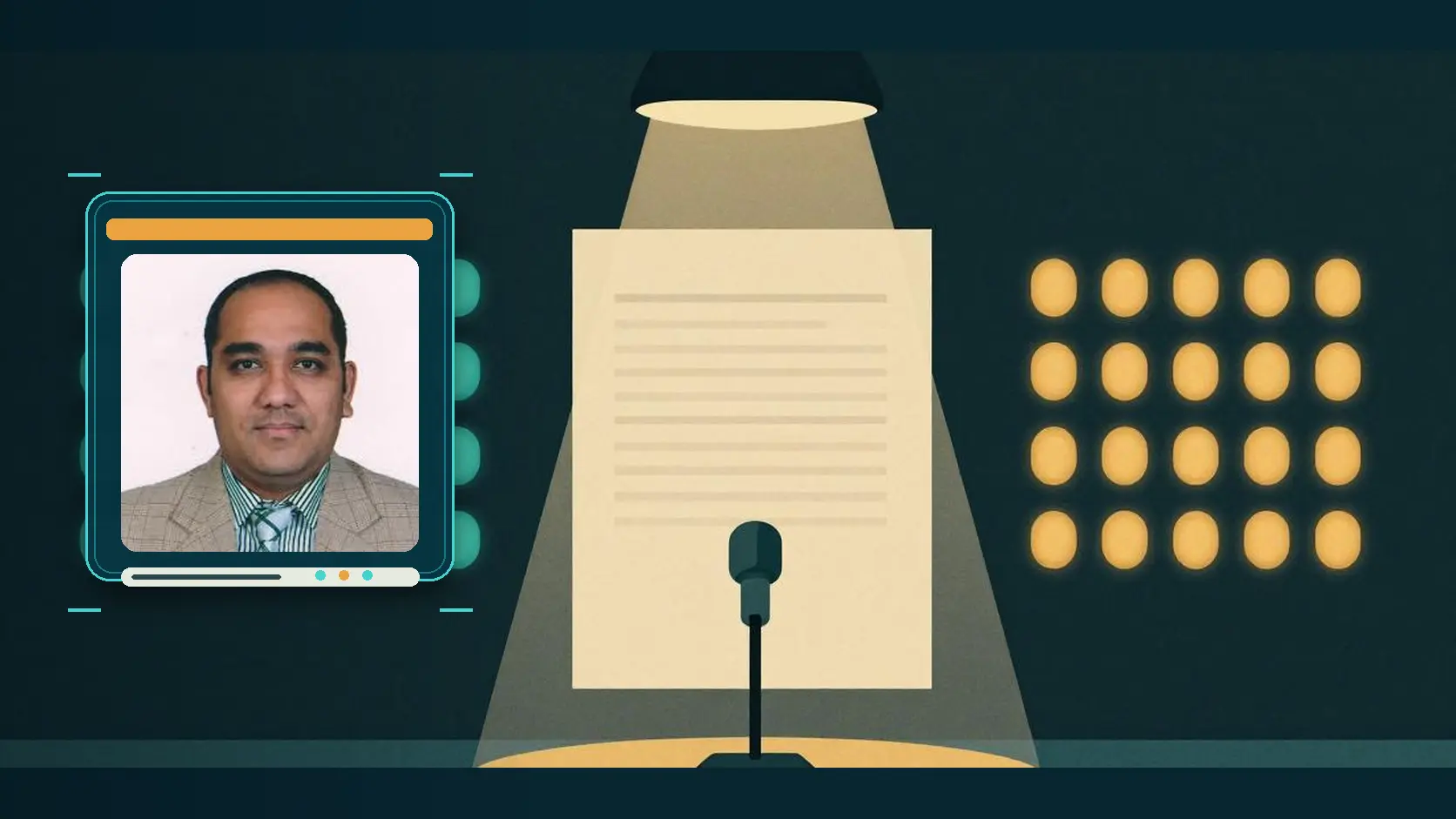
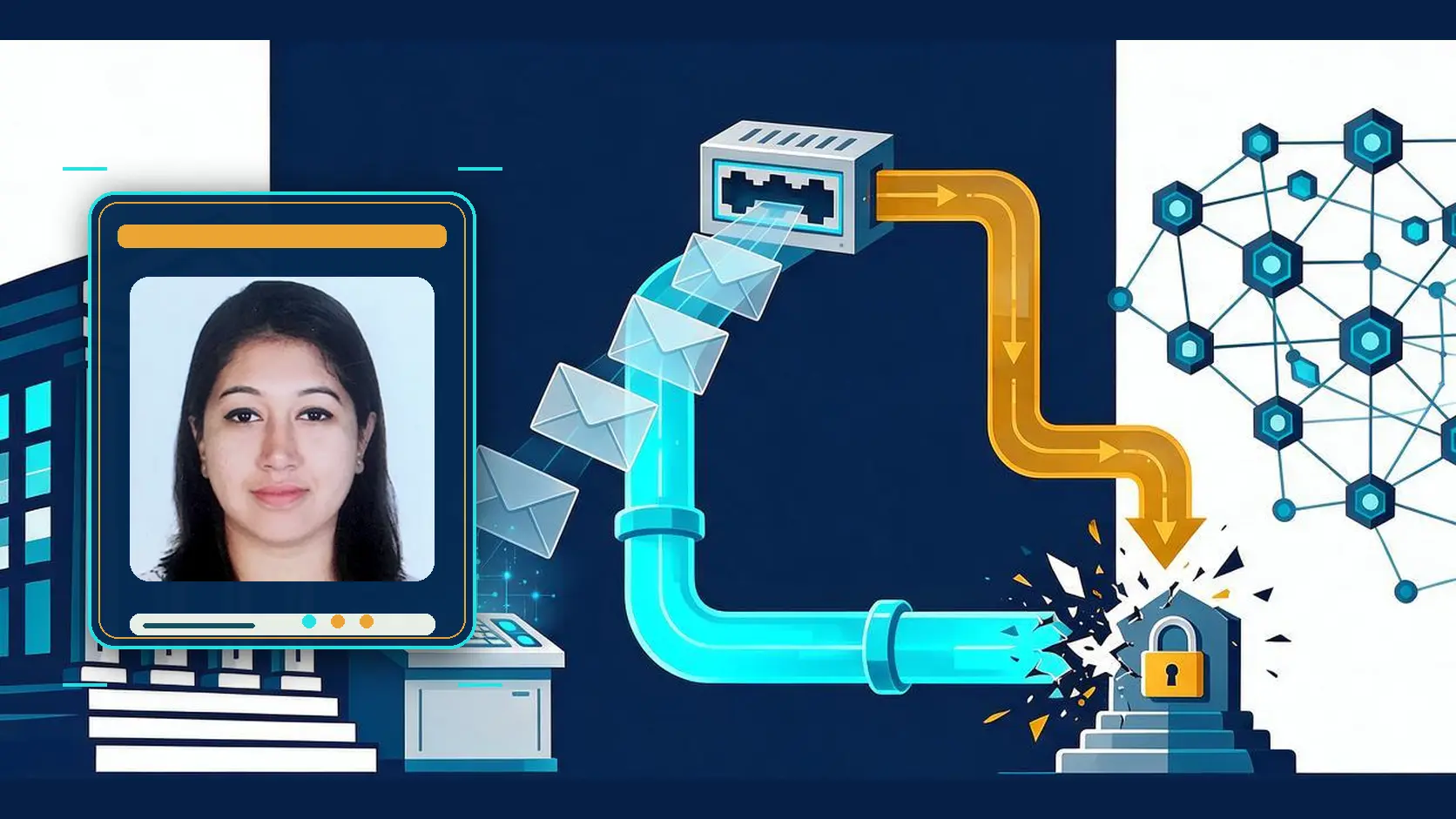
- APNIC’s profile identifies Shaila Sharmin as an APNIC Policy SIG Co-Chair and a Cyber Security Architect at Prime Bank PLC. Her route into policy began with ISP and WiMAX operations, then moved into an environment where reliability and trust carry direct service stakes.
- prop-171 proposed a reliable path from the registered abuse contact to the organization able to investigate a report. It left the operational test, minimum sub-allocation scope and verification method to later Secretariat guidance and gave APNIC no investigative or enforcement role.
- At APNIC 62, Sharmin introduced the proposal and later reported no consensus. The transcript exposes the unresolved question: existing validation can lock an upstream account when a downstream IRT fails, but a functioning mailbox does not show that an abuse report reached the network that can act.
Sharmin’s career makes the distinction harder to wave away. A bank cyber security architect does not measure trust by the existence of a contact field. Security operations care whether an alert has an owner, whether the handoff happened, what returned, and how far one failed dependency can spread. Her APNIC profile describes those same ideas as policy questions: reliability, resilience and trust.
The policy problem begins one layer below the contact. An APNIC account holder can hold and sub-allocate address space. The downstream party may operate the network that emits abusive traffic. The registered abuse or IRT contact may sit at the upstream holder, in a centralized function or with another intermediary. Email to that contact can succeed while the report never reaches anyone with authority to investigate the source addresses.
prop-171 version 1 tried to turn that distinction into policy. An upstream holder would have to ensure a reliable operational path from the registered contact to the party able to investigate and resolve the report. Direct downstream registration, a centralized forwarding function or another effective arrangement could satisfy the duty. The policy would not require public disclosure of every customer contact.
The restraint is sensible. Publishing every downstream identity creates a different privacy and security problem. APNIC should not become the investigator of an abuse claim or the judge of whether a provider responded well enough. The proposal explicitly disclaimed both roles.
The control test is still missing. What makes a forwarding arrangement reliable? Is a ticket acknowledgement enough? Does a response have to identify the correct address block? Who checks after a suspected misroute? Which downstream tiers count? The proposal says those answers would come through Secretariat guidance developed after adoption rather than fixing basic implementation criteria in the policy.
APNIC’s current policy record is not empty. APNIC-127 version 015 requires an IRT object for each resource record, says contacts must be monitored and abuse complaints answered promptly, and calls for validation periodically or every six months. Failure can restrict the account holder’s access to MyAPNIC after thirty days. That creates a strong enforcement consequence around a weakly observed part of the chain.
The APNIC 62 transcript put the scope problem on the record. Christopher Hawker described a transit provider with a downstream customer whose invalid IRT could lock the upstream account and interrupt work for unrelated customers. The author’s response was, in effect, that the upstream provider could cancel the customer’s contract. The Secretariat confirmed that failure of a delegated IRT can lock the account.
That is not merely an administrative inconvenience. The penalty for one broken downstream path can land on a different layer of the commercial relationship and on services outside the failed record. A bank security architect would recognize the pattern: a control fires, the alert reaches the wrong queue, and the organization responds by disabling more than the failed component.
Sharmin’s opening placed her in the facilitator role. She heard the room’s questions, asked the Secretariat for its assessment and treated the policy as unresolved. The later no-consensus finding was right. The proposal made the goal obvious; it did not make the evidence test implementable.
A narrow policy can now do that without building a surveillance system. It can define a privacy-preserving route receipt for the operator’s own use: address block, upstream holder, downstream responsibility class, forwarding method, last successful test, acknowledged handoff and outcome category. APNIC can require evidence of the arrangement without asking for customer identities or complaint content.
The PDP returns the next move to the mailing list. Sharmin’s professional experience points to the minimum useful question: does the operator know that a report reached the right network? A registry does not have to police abuse to demand evidence that its mandatory contact path reaches an accountable operator.
Sources: Shaila Sharmin profile; APNIC 62 schedule API; OPM2 transcript; APNIC 62 report; prop-171; prop-171 v001; APNIC-127; Policy Development Process.
Member Briefing
Read the full trend briefing
Members read the full briefing with the source notes behind every finding.
Strategic Circle
A daily briefing in your language, built from changes we have verified.
Join for USD 20/monthCancel anytime.
Members also get the full research library, a daily briefing on the networks they follow and the private forum.