Summary
- PayPal offered $5–$10 bonuses to qualified new users and to users who referred a qualified newcomer in late 1999 and early 2000. Its reported average promotional-bonus expense per newly acquired account fell from $6.30 in the quarter ended June 2000 to $0.14 in the quarter ended June 2001.
- Business-account recipients paid transaction fees; senders did not pay those merchant fees. International funding and withdrawals carried additional charges, so the apparently simple payment crossed several price boundaries.
A crowd with a receipt attached
PayPal's 2001 Form S-1 begins its growth story with 24 employees sending money to friends in October 1999. The filing reports 10,000 accounts by December, one million by mid-April 2000 and ten million by September 2001. These are registered accounts, not a headcount of people making regular payments. The company helped the invitation travel: qualified newcomers received $5–$10 credited to their accounts, and qualified referrers received another $5–$10.
That offer was a cost borne before any individual account necessarily generated revenue. PayPal disclosed $8.6 million spent on promotional bonuses and 1.4 million acquired accounts in the three months ended June 2000. It reported an average bonus expense of $6.30 per acquired account. In the corresponding quarter of 2001, it spent $0.2 million while acquiring 1.6 million accounts, an average of $0.14. The figure averages promotional-bonus expenditure across all newly acquired accounts; it is neither a fixed payment to every joiner nor a full measure of customer acquisition costs. PayPal also said it had tightened the qualification rules.
A lower average records a changed incentive scheme alongside a larger installed network.
The invoice landed on the receiving side
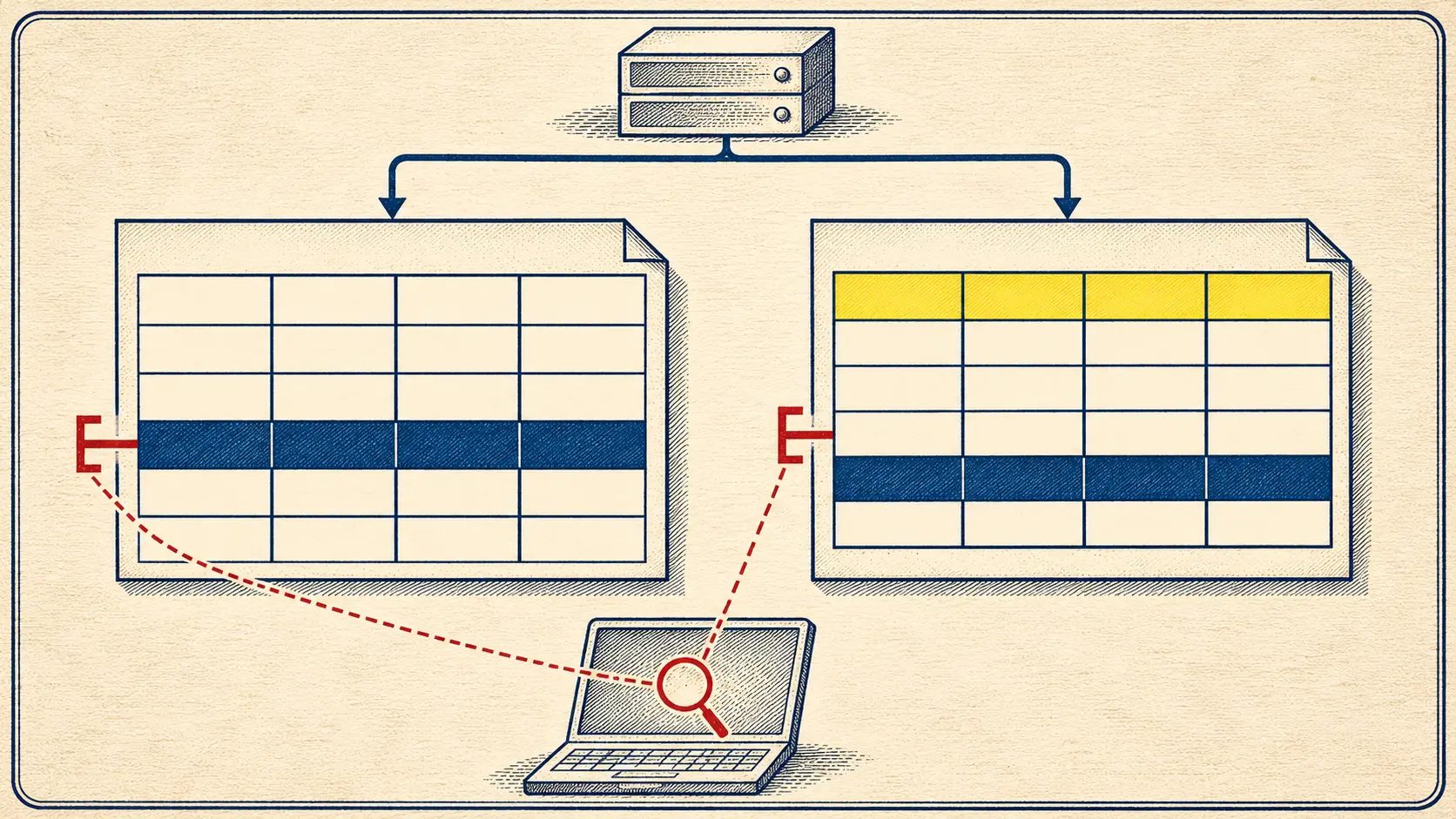
The same filing describes the paying customer with unusual precision. PayPal charged transaction fees on payments received by business accounts, including domestic and international business accounts, and automatically deducted the fee from the payment. It charged no transaction fee on payments received by personal accounts at that point. From 13 July 2001, a merchant receiving less than $1,000 a month on average faced 2.9% plus $0.30 per payment; at least $1,000 brought a 2.2% plus $0.30 rate. Higher-risk accounts faced 3.4%–3.9% plus $0.30.
The recipient absorbed the merchant charge at the moment money arrived; PayPal did not have to send a later invoice.
An international payment could cross another toll gate. For externally funded payments, international senders paid 2.6% plus $0.30, on top of any business-recipient fee. International recipients withdrawing to local banks faced a withdrawal fee and a currency-risk spread. In the first half of 2001, 8.7% of PayPal's payment volume involved an international sender or recipient, while international fees supplied 12.0% of revenue. Cross-border reach widened the network and gave PayPal more places to price the journey.
The mechanism was brutally tidy: spend to make invitations valuable, then collect from commercial recipients as the network became useful. PayPal reported the two sides in one registration statement. The early network bill was public; the merchant's later bill was embedded in each payment.
Sources
- PayPal, Inc., 2001 Form S-1, SEC, business, revenue and promotional-bonus discussions.
Member Briefing
Deeper Profile Context
Sign in with the right membership level to unlock the full briefing and source notes.
Only for Strategic Circle
Strategic Circle
Open to all readers. Unlock profile briefings after joining and signing in.
Join Strategic CircleOnly for Leadership Alliance
Leadership Alliance
For qualified IP-asset owners and management; sign in to unlock alliance briefings.
Join Leadership Alliance