Summary
- Ofcom has opened preliminary market engagement for experts who could prepare skilled-person reports under the Online Safety Act. Responses close on 29 October 2026; the exercise does not name an appointee or announce a report.
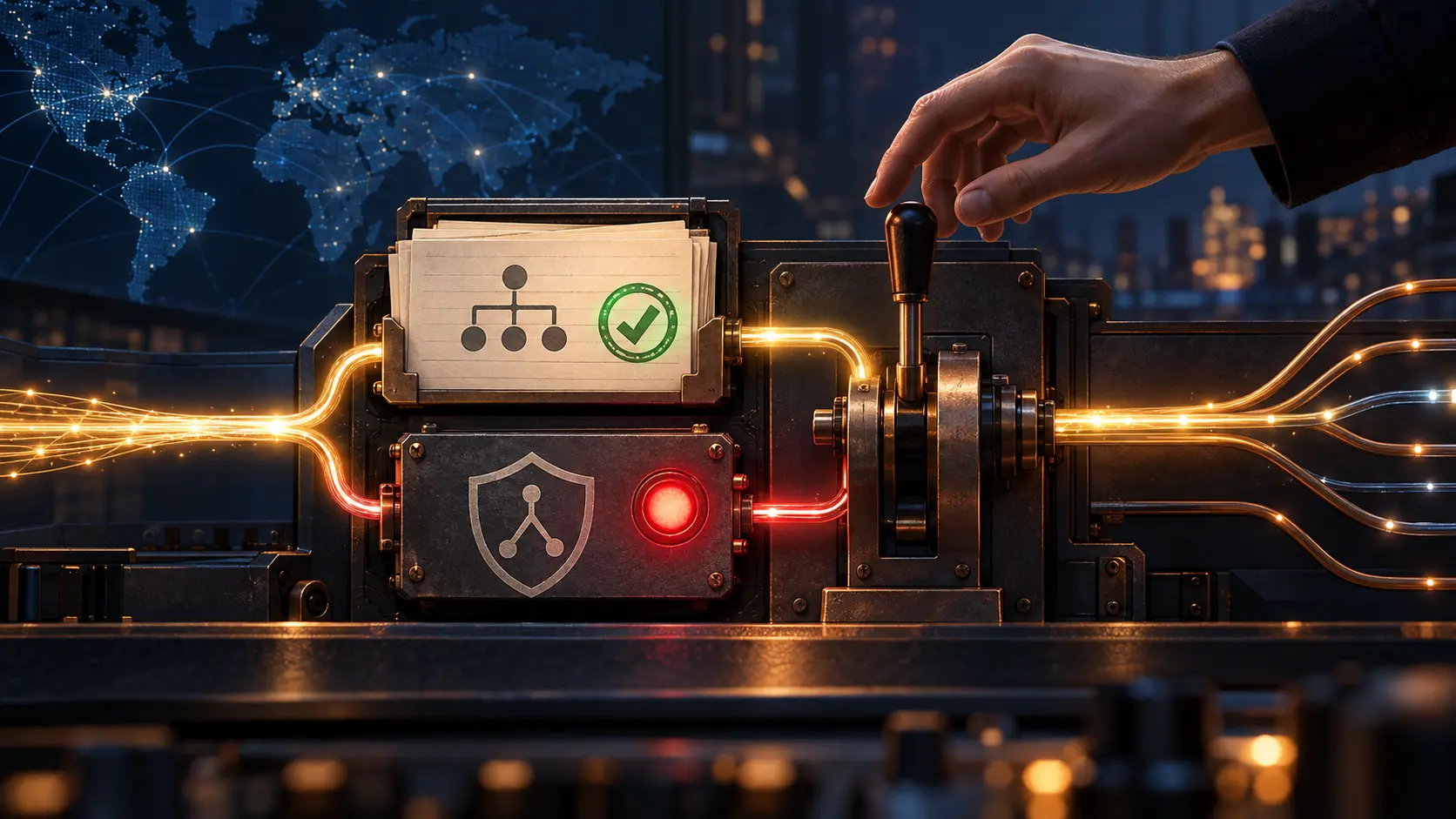
- Section 104 lets Ofcom appoint an expert or require a provider to appoint one subject to Ofcom’s nomination or approval. Ofcom sets the questions, while the regulated provider pays the expert directly. A technology notice under section 121 first requires an Ofcom-appointed report under section 122.
The bill arrives on the other side of the table
A regulator wants an independent view of a platform. Who hires the examiner? Who writes the questions? Who pays? The Online Safety Act’s section 104 answers these as three different questions. That is the interesting part. A platform might be ordered to appoint the expert, but Ofcom nominates or approves the person and fixes the matters the report will explore. If Ofcom appoints the expert itself, it still notifies the platform of the appointment and the inquiry. Either way, the platform pays the expert’s fees and expenses directly.
In its October industry bulletin, Ofcom asks technical, risk, regulatory and assurance specialists to answer a preliminary market-engagement questionnaire by 29 October. It wants to learn what expertise is available and how to arrange future reports. This is a search for capacity, before any named examiner or completed examination. The invoice has a statutory destination; the list of people who may earn it is still being assembled.
The statute gives the power a defined job. A report can help Ofcom identify or assess a possible failure to comply, or understand a risk of failure and how it might be mitigated. The current Information Powers Guidance says skilled-person reports should usually be used less often than ordinary information notices and reserved for more serious or complex cases. Ofcom looks for technical ability, independence or an absence of conflicts, and safeguards for confidential information. The word “independent” therefore has work to do: a buyer with an interest in the outcome is funding an inquiry whose questions it does not own.
A choice with a regulator’s hand on it
Section 104 has two appointment routes. Ofcom may pick the expert itself. Or it may tell the provider to appoint one, in which case Ofcom either names a candidate or approves the provider’s choice. Its guidance says a provider can consider cost when proposing someone, but Ofcom examines skills and conflicts. The regulator also specifies the report’s subject under either route and normally asks to see a draft and progress updates. The provider cannot buy its own answer merely by paying the invoice; Ofcom has kept the brief and the approval pen.
Payment still matters. The Act makes the provider liable for the expert’s remuneration and expenses and allows recovery through a court if it does not pay. That is a cost imposed on the examined service, including when Ofcom rather than the service appoints the examiner. For a smaller provider, the amount and scope of a technical inquiry could be a substantial operational event. For the regulator, the ability to commission specialist work without carrying the expert’s invoice changes the economics of investigation. The statute allocates those incentives openly.
The forthcoming choice of experts, conflict rules and fee arrangements will determine how they behave in practice.
The expert also has a route to evidence. Section 104 requires reasonable assistance from the provider, relevant present or former staff, and other internet-service providers. A report need not be trapped inside the examined company’s prepared presentation. Ofcom’s guidance says it will state the matters to be explored and may request a draft; that can sharpen the inquiry, but it also makes the regulator’s own instructions part of the record a reader should want to see.
The stricter fork before a technology notice
There is one appointment choice Ofcom cannot hand to the platform. Section 122 requires a report from an Ofcom-appointed skilled person before a section 121 notice concerning terrorism or child sexual exploitation and abuse content. The report is meant to help Ofcom decide whether to issue that notice and what it might require. Ofcom’s guidance repeats this mandatory route. An expert opinion is a prerequisite to that decision; the decision remains Ofcom’s.
That distinction is more consequential than a procurement form. The ordinary section 104 report can be commissioned through either appointment route. The technology-notice route insists on the regulator’s own appointee. In both, the service pays. The stronger the prospective intervention, the more firmly Parliament fixed the examiner’s selection on the regulator’s side of the desk.
For now, the public record consists of the statute, guidance and an invitation to potential experts. It does not identify a selected supplier or a particular platform report. The next useful records are the appointment method, the expert’s conflict checks, the scope, the fee arrangement and any resulting regulatory step. That is where a handsome phrase like “independent assessment” will acquire its actual meaning. Until then, the most accurate picture is simple: Ofcom controls the question; the platform funds the person sent to answer it.
Member Briefing
Deeper Profile Context
Sign in with the right membership level to unlock the full briefing and source notes.
Only for Strategic Circle
Strategic Circle
Open to all readers. Unlock profile briefings after joining and signing in.
Join Strategic CircleOnly for Leadership Alliance
Leadership Alliance
For qualified IP-asset owners and management; sign in to unlock alliance briefings.
Join Leadership Alliance