Summary
- The European Commission’s 2009 browser-choice deal depended on Windows Update detecting eligible European PCs with Internet Explorer as the default browser. Windows 7 SP1 arrived in 2011; the detection rule did not follow it.
- The Commission counted 15.3 million people who should have seen the screen from 17 May 2011 to 16 July 2012. Microsoft repaired the rule with about half a page of code. The Commission later imposed a €561 million fine.
A legal promise became an update rule
The Commission’s December 2009 FAQ described a choice screen for Windows XP, Vista and 7 users in the European Economic Area whose default browser was Internet Explorer. Windows Update would deliver a package presenting twelve browsers, with five visible first and the rest reached by scrolling. The list was to change every six months. Brussels had specified a choice at the user’s screen; Microsoft had to make its update machinery find the right computers.
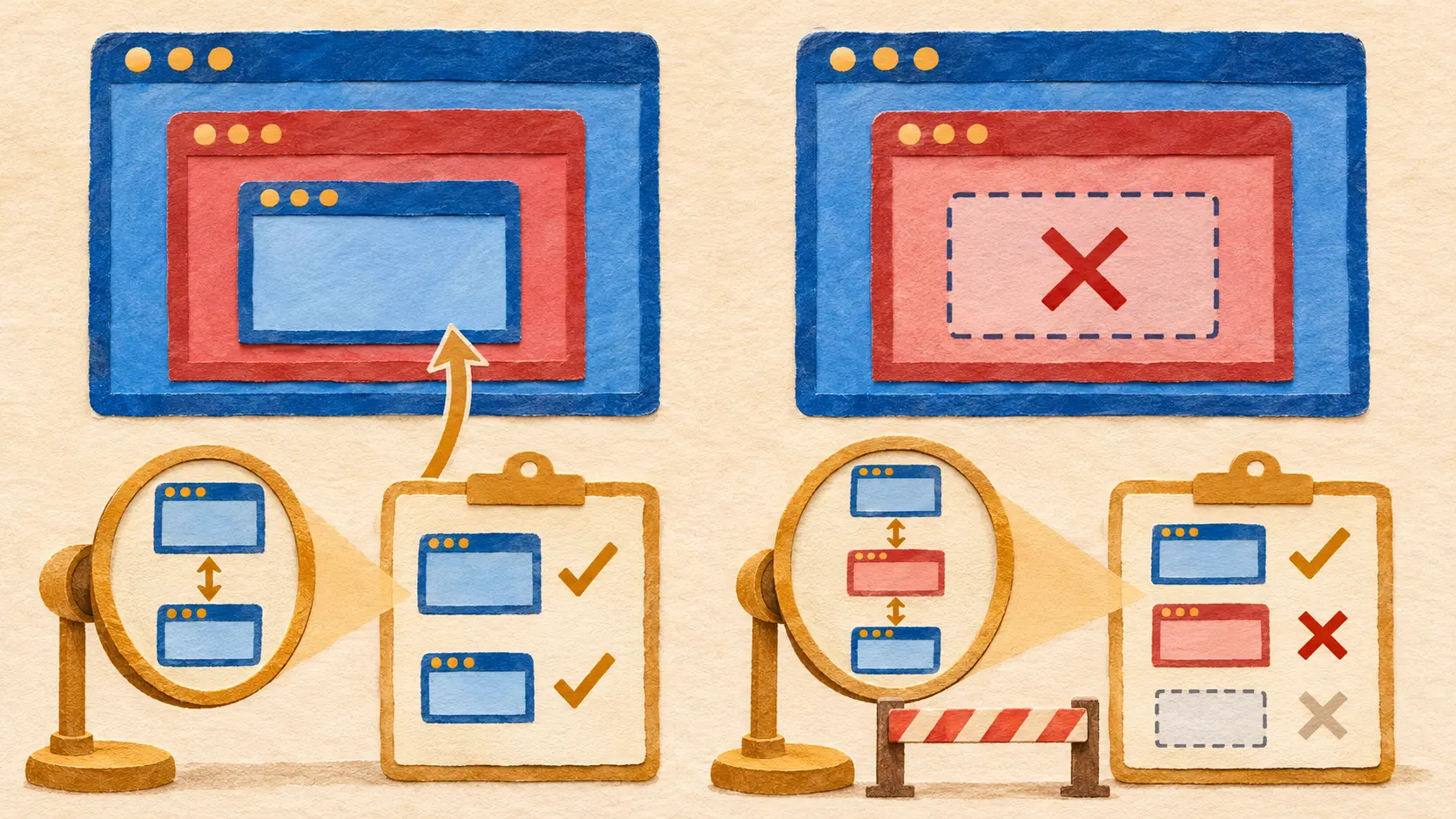
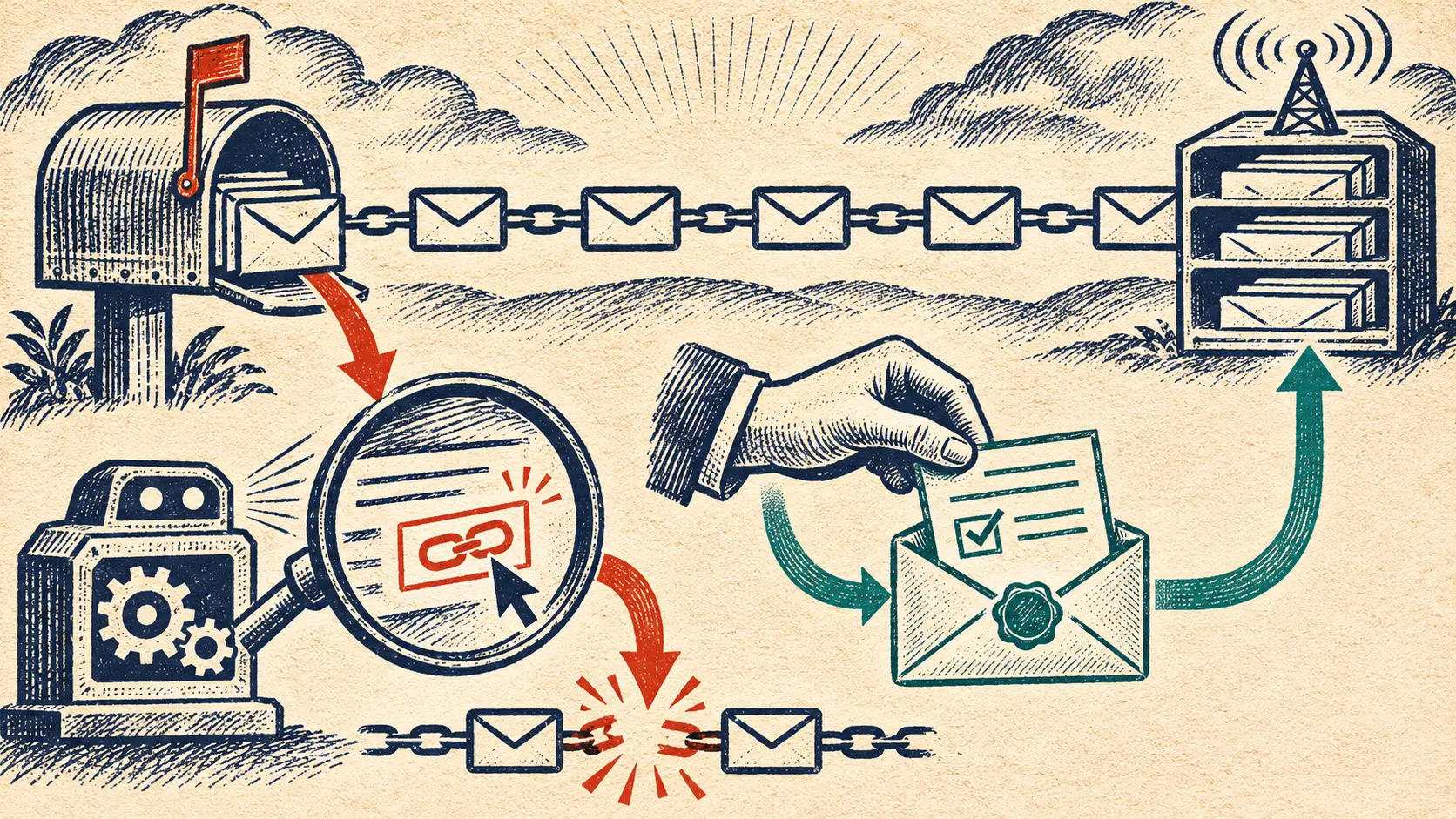
The Commission’s 2013 decision later split that machinery into two pieces. Detection code on Windows Update servers identified eligible PCs. A separate executable displayed the choice screen once the package arrived. Microsoft began distribution on 23 February 2010. Engineers had reminders to revisit detection when Windows service packs appeared. Those reminders mattered because a screen that exists in a package does nothing for a machine the server fails to select.
SP1 passed through the wrong branch
Windows 7 Service Pack 1 was released on 22 February 2011. According to the decision, the detection logic should then have been updated for SP1 machines in the EEA with IE as default. It was not. The record describes an especially human software mistake: an automated tool put the Choice Screen on a list of components supposedly included in SP1, although it was not in SP1. One engineer had flagged the item for consideration; the handoff to the engineer preparing the release failed. The server-side rule stayed behind while new PCs with SP1 reached buyers.
In December 2011 Microsoft’s compliance report still said distribution to the installed base had been completed. The decision says Microsoft later acknowledged that statement should have identified the missing SP1 users. It also corrected a reported cumulative installation total from 525,214,680 to approximately 471 million. A large count of delivered packages did not reveal the eligible class the rule had excluded.
Two counts, two populations
Microsoft’s July 2012 statement publicly described roughly 28 million Windows 7 SP1 PCs that had missed the software. It explained that Windows Update used detection logic, admitted the rule had not been revised for SP1, and said distribution of a fix began on 3 July. The larger PC count was about the missing package. The browser-choice obligation was narrower: a user needed to be in the EEA and have IE set as default.
The Commission’s final decision worked through that difference. It discussed roughly 30 million non-installations and accepted Microsoft’s estimate of 15.3 million affected users who should have seen the screen. It fixed the period of non-compliance at 17 May 2011 to 16 July 2012, fourteen months. The repair took about half a page of code and was essentially deployed by 16 July. On 6 March 2013 the Commission imposed a €561 million fine for failure to comply with the binding commitment.
The half page is the sting in the story, not a price per line. A legal decision, a choice screen, a reporting schedule and millions of successful installations all existed. The missing branch in Windows Update decided which users actually received the choice.
Member Briefing
Deeper Profile Context
Sign in with the right membership level to unlock the full briefing and source notes.
Only for Strategic Circle
Strategic Circle
Open to all readers. Unlock profile briefings after joining and signing in.
Join Strategic CircleOnly for Leadership Alliance
Leadership Alliance
For qualified IP-asset owners and management; sign in to unlock alliance briefings.
Join Leadership Alliance