
Intelligence
Latest Articles
Latest intelligence on infrastructure operators, policy decisions, market moves, and digital power shifts.

History
The Traceroute That Asked Every Hop to Write Back
Conventional traceroute makes the sender knock on the network’s doors one distance at a time. RFC 1393 proposed a more ambitious bargain: send one marked packet, and ask every router it crosses to mail back a report.

IETF
Ole Trøan and the Three Decisions NAT Used to Hide
A laptop has two globally usable IPv6 addresses, two routers and two DNS resolvers. Nothing is missing, yet the first packet can still fail: the chosen source may belong to one provider, the chosen door to another, and the chosen name answer to a third context. Ole Trøan’s…

CASE FILE
RMRP Can Sign Its AI Audit Log. It Still Cannot Count the Calls It Never Saw
A new model-routing draft turns silent omission into a signed assertion that can be challenged. That is a serious control improvement—but completeness still begins with a witness outside the router.

Leaders
Kanchana Kanchanasut and the Infrastructure Hidden Inside a First Connection
The celebrated moment in Kanchana Kanchanasut’s career is an early connection: an email link from the Asian Institute of Technology to colleagues outside Thailand. The more durable story is what had to come after that experiment—addressing, operating institutions, training and a…

CASE FILE
Two Institutions Share the Systems. Their Review Routes Remain Different
IRTF conduct rules and the IESG's access-restriction statement expose a governance problem hidden inside shared infrastructure: the reach of a technical intervention can exceed the forum that prompted it. The decision, its implementation and its review must remain separately…

History
The Packet That Asked Every Router to Stop and Look: IPv4 Router Alert
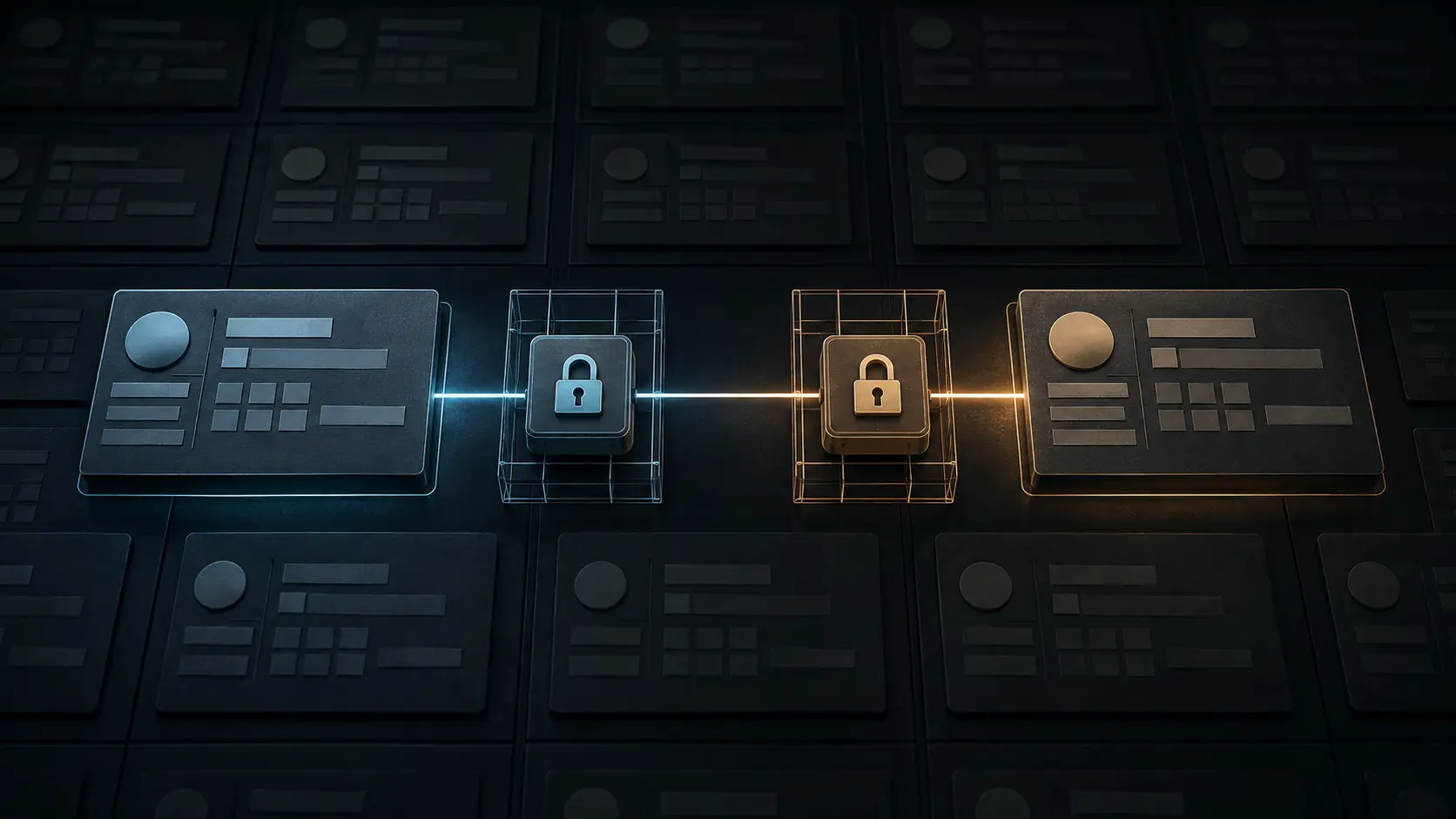
A packet can cross a router without being addressed to it. IPv4 Router Alert gave that passing packet a way to ask for exceptional attention—and thereby turned attention itself into a resource that networks had to defend.
Story
RIPE Database mnt-ref Authorises an Organisation Reference, Not Corporate Control
An accepted `org:` link in the RIPE Database has passed a meaningful authorisation test. That makes it evidence of an approved database reference—not a shortcut to proving ownership, group membership or control of the network behind the record.

IETF
Tim Chown and the Host List Hidden Inside an IPv6 Address Plan
IPv6 made blind enumeration uneconomic, but it did not abolish reconnaissance. Tim Chown’s work shows how addressing conventions and operational exhaust can turn an immense namespace into a succession of small, testable target lists—and why defenders face the same discovery…

History
The Four Bytes That Outlived Their Network: IPv4’s Stream Identifier
One IPv4 option was exactly four bytes long and carried a name from a network concept already slipping into history. Stream Identifier shows how a protocol field can stop doing useful work long before standards formally retire it.
History
The Prefix Looked Unused. The Appeal Could Not Prove It: RFC 1917
The return form in RFC 1917 was strikingly short. Send a message, identify a network prefix and ask that its registry contact become “reserved.” On paper, the address could move from an organisation back toward the common pool in a few lines. Yet the form said nothing about…

Story
APNIC’s NIR RDAP Redirect Finds a More-Specific Record, Not a Network Operator
A redirect from APNIC to an NIR-specific RDAP host is an evidence trail about where registration data is served. It can lead to a narrower record without proving who currently routes, owns or operates the network.

CASE FILE
PIM Flex-Algo Can Choose a Better Path. One Router's Local Policy Can Still Break the Tree
A multicast receiver may ask for a low-latency or high-bandwidth path instead of the ordinary shortest path. The difficult part is not encoding that wish; it is proving that every router which must build the tree gives the same three numbers the same meaning.

Story
LACNIC Made Merger Transfer Fees Equal. It Did Not Make the Payment Rules Equal
A price list can make two transactions look alike long before their obligations are alike. LACNIC has put merger, acquisition and name-change transfers on the same published fee bands as ordinary IPv4 transfers and has attached both to an annual inflation clock. Yet the public…

History
The Mailbox Accepted the Voice. It Could Still Forget the Message: RFC 1911
A voice mailbox could accept an Internet message, store its sound and still forget part of what made it an Internet message. RFC 1911 did not hide that cost. Its minimum profile joined telephone-keypad systems to MIME and ESMTP while exposing the distance between accepted bytes…
History
The Address Book a Packet Filled Along the Way: IPv4’s Record Route Option
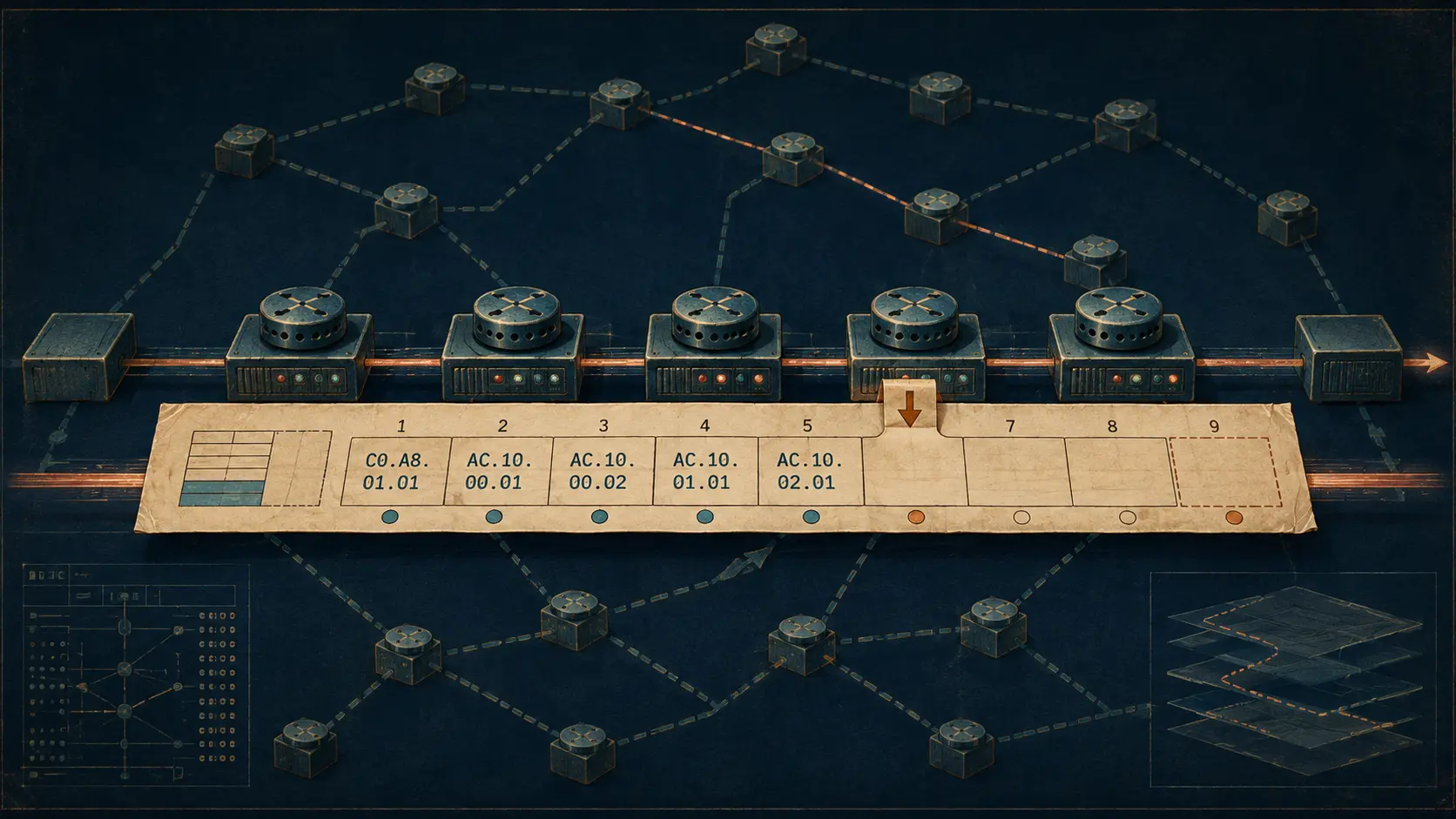
IPv4 once let a packet carry an empty address book. Routers could add their own addresses as it passed, turning forwarding into a voluntary act of testimony. The bytes were exact; the resulting story of the path was not.

IETF
Brian Haberman and the 40-Bit Global ID That Was Not an Allocation Receipt
A locally generated IPv6 prefix can be extraordinarily unlikely to collide with another one and still carry no guarantee. Brian Haberman’s work on RFC 4193 makes that distinction operational: probability reduces coordination cost, but only an inventory, a route decision and a…

CASE FILE
WebProof Tells AI Whom to Credit. A Durable Claim Is Still Not an Order
A new provenance draft contains a command aimed at the systems that read it. The revealing question is not whether the command is visible, but whether evidence inside a document can appoint itself as the policy above the reader.

Story
ARIN’s Whois Retirement Proposal Is a Protocol Transition, Not the End of Directory Data
Three dates in ARIN’s latest consultation can look like shutdown deadlines. They are not. The registry is asking how to retire three older access protocols in favour of RDAP, with separate dependencies and earliest dates for each path. The proposal changes how registration data…

History
The Clock a Packet Asked Routers to Sign: IPv4’s Internet Timestamp Option
IPv4 once gave a datagram a small ledger and asked machines along its path to write down the time. The Internet Timestamp option was precise about the writing procedure, but far less powerful as evidence than its name suggested. Its history shows how a cooperative diagnostic…

Global Institutional
Who can prove that ISC’s safeguards endure?
Internet Systems Consortium’s influence over internet infrastructure is visible in more than the software it maintains. It also appears in the processes around vulnerability disclosure, supported releases, root-server operations, monitoring and open development. Those processes…