Summary
- iSpot kept social activity separate from eight scores for knowledge of different organism groups; relevant reputation influenced the selection of a likely identification.
- Suggested names remained visible, and a better-supported identification could stop at a broader level when the photograph could not support a species name.
Five bird badges are a fine thing to have. A mushroom remains unimpressed. In iSpot's reputation system, knowledge earned by identifying birds stayed in the bird column. Fungi and lichens had their own account. Online authority came with a subject attached.
The Open University launched the mainly British iSpot site in June 2009. Its project team's 2015 study describes an arrangement built around an observation: upload a photograph, select a broad group, offer a name if you can, then let other people agree, suggest alternatives and explain. A South African sister site followed in June 2012. The interesting machinery sat between the picture and the name that rose to the top.
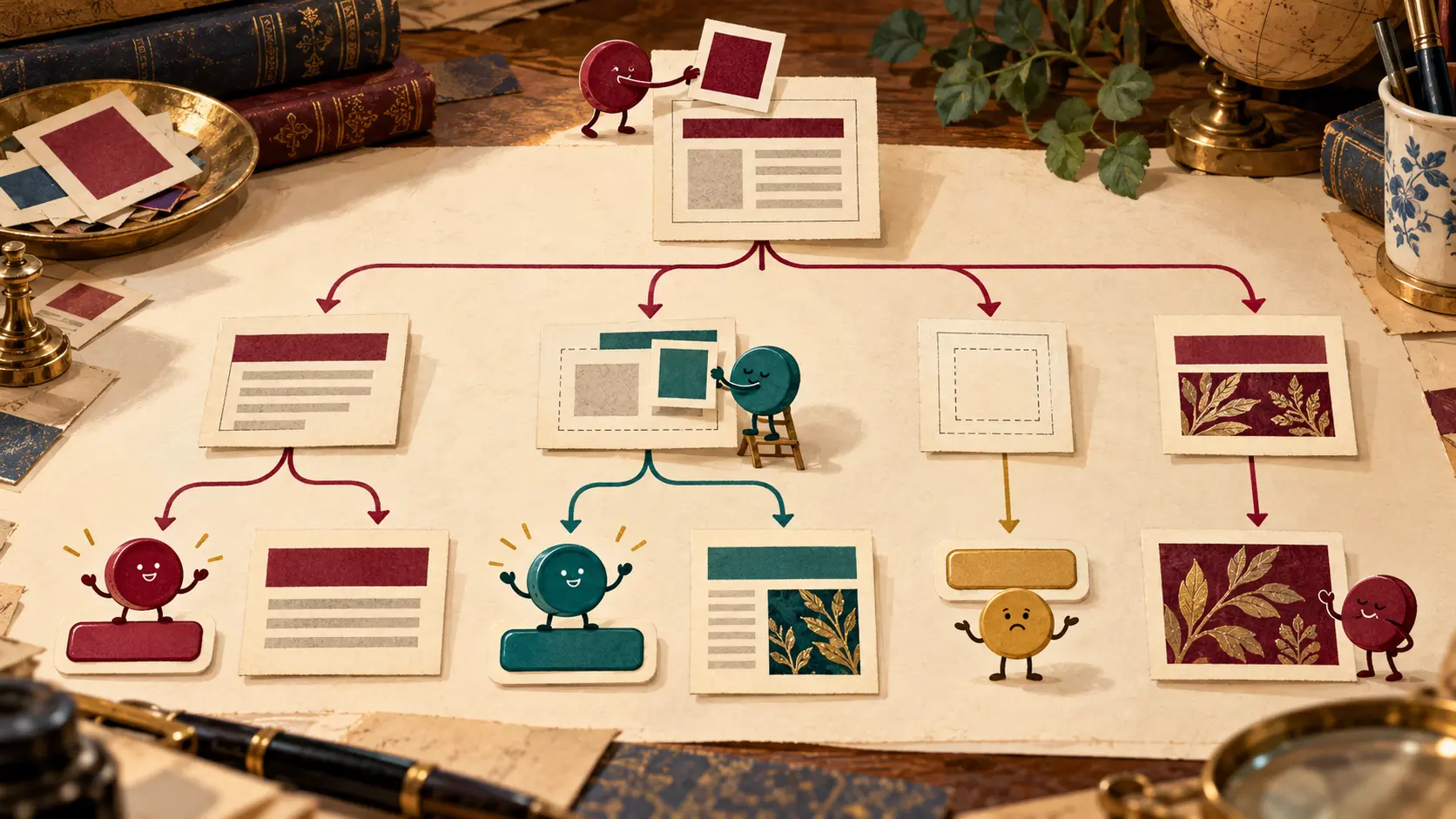
Each participant had nine reputation dimensions. One counted social activity, such as comments. Eight tracked identification in groups including birds, plants, invertebrates, and fungi and lichens. On a bird observation, the site displayed bird badges. The full collection lived on the participant's profile. A lively conversationalist could enjoy being lively without acquiring botanical authority by the paragraph.
For an identification, the system added the relevant reputation of the person proposing it and those agreeing. Sufficient weight cleared a preset threshold for a likely identification. Where competing names qualified, the higher total prevailed. Agreement from someone with a strong record in that group also helped the original identifier earn reputation. Social points took no part in choosing the name.
This depended on human decisions at the start. A small number of recognised experts received an initial reputation based on their knowledge outside the website. Participants could then build earned scores through their contributions. The system made room both for someone arriving with years of field experience and for someone learning to distinguish the creatures outside the kitchen window.
The explanation mattered as much as the badge. In Martin Harvey's June 2010 account for the National Biodiversity Network, people were encouraged to say why they favoured a species or group. The trail of suggested identifications stayed visible, much as several determination labels might accompany a museum specimen. The later study says proposers could not remove their earlier names. An argument could leave useful tracks.
Sometimes the useful move was to retreat from an impressively specific answer. The 2015 study examined 14,611 British observations with two names recorded in the UK Species Inventory. In 18% of those comparisons, the selected likely identification sat at a broader taxonomic level than the alternative. The authors interpreted this as exposing excessive precision in the proposed name.
One example concerned flies. In 11 cases, someone proposed Bibio marci, while the selected identification remained Bibio sp.: the evidence supported the genus, with the species unresolved. A shorter answer had done more careful work. The website could reward an identification that resisted supplying the last word.
The compartments were still broad. The researchers pointed out that beetles and starfish shared the invertebrate score, despite requiring quite different knowledge. Plant expertise also depended on where it had been acquired. Their proposed improvement was to make the source of a person's reputation easier to see. More detail about experience could be more useful than another row of badges.
iSpot put a field notebook into a social network, then gave the network some field discipline. Ask who knows this group, inspect how the name was reached, and keep the earlier attempts. The mushroom could remain awkward. At least the website knew which medals to ignore.
Member Briefing
Deeper Profile Context
Sign in with the right membership level to unlock the full briefing and source notes.
Only for Strategic Circle
Strategic Circle
Open to all readers. Unlock profile briefings after joining and signing in.
Join Strategic CircleOnly for Leadership Alliance
Leadership Alliance
For qualified IP-asset owners and management; sign in to unlock alliance briefings.
Join Leadership Alliance