
People who built the network
Researchers, engineers, operators, and community leaders whose choices shaped the internet's open architecture.
BTW Media Editorial Collection
The internet was not born as a finished system. It was built across decades by researchers, engineers, operators, institutions, and communities who chose openness, interoperability, and shared stewardship before the world knew what the network would become.
History of the Internet is BTW Media's editorial archive of the people, protocols, institutions, and turning points that shaped the global network.
Researchers, engineers, operators, and community leaders whose choices shaped the internet's open architecture.
TCP/IP, DNS, routing, email, the Web, number resources, and standards processes made global interoperability possible.
Interviews, profiles, and records preserve how the internet was imagined, governed, expanded, and defended.
This collection brings together interviews, profiles, source-backed reporting, and historical analysis about the builders and witnesses of the internet age.
This page follows how individual decisions, technical principles, public institutions, and regional communities became civilization-scale infrastructure.
For the people recorded here, this is a record of contribution. For readers, it is a map of how the internet became one of humanity's shared systems.
Series
From packet-switching theory to the World Wide Web, this map connects the people, protocol decisions, and governance transitions that shaped the global network.

1961
Leonard Kleinrock (1961): Published the earliest packet-switching and information-flow work that provided mathematical foundations for breaking messages into packets.
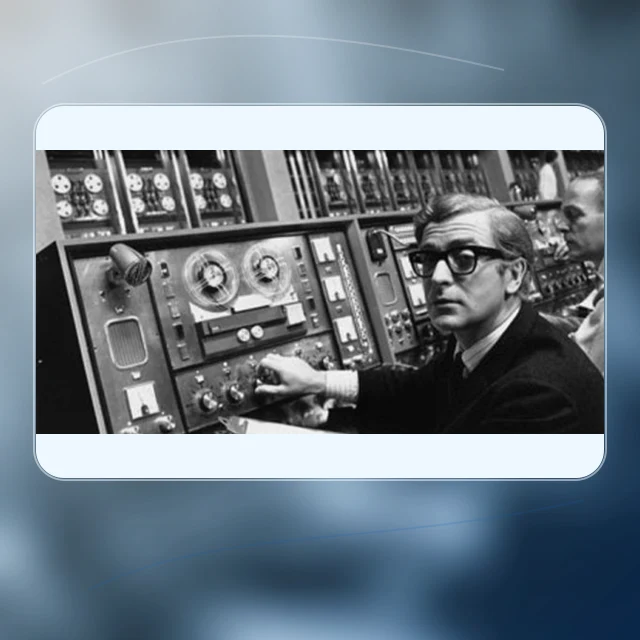
1962 / 1963
J.C.R. Licklider (1962 / 1963): Articulated the "Intergalactic Computer Network" vision that inspired ARPA's networking goals and the idea of a globally-connected computing commons.
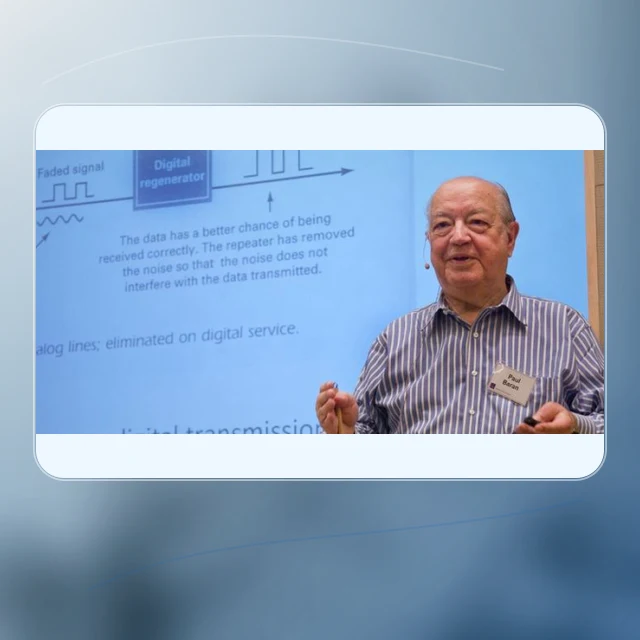
1964
Paul Baran (1964): RAND memorandum On Distributed Communications laid out distributed network designs intended to be survivable — a key conceptual precursor to later packet networks.
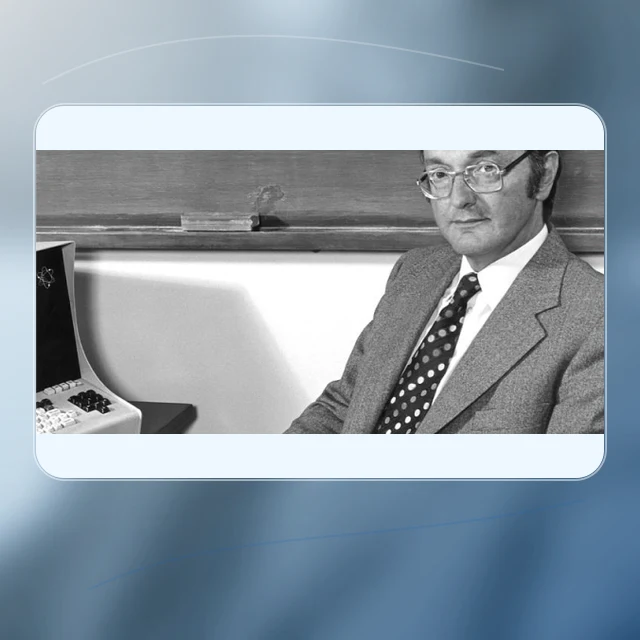
1965
Donald Davies (1965): Coined the term "packet" and advanced practical packet-switching architecture at the UK National Physical Laboratory.
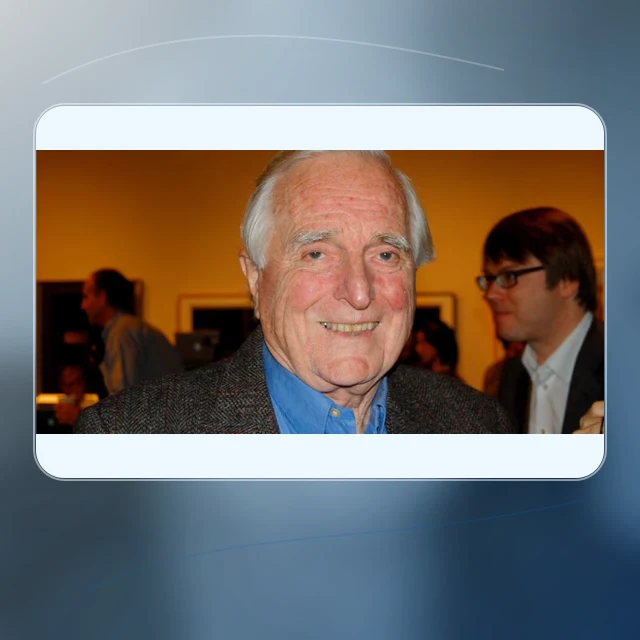
1968
Douglas Engelbart (1968): Demonstrated the oN-Line System (NLS) at the "Mother of All Demos" — showing hypertext, shared editing, the mouse and other interactive concepts that shaped future online tools.
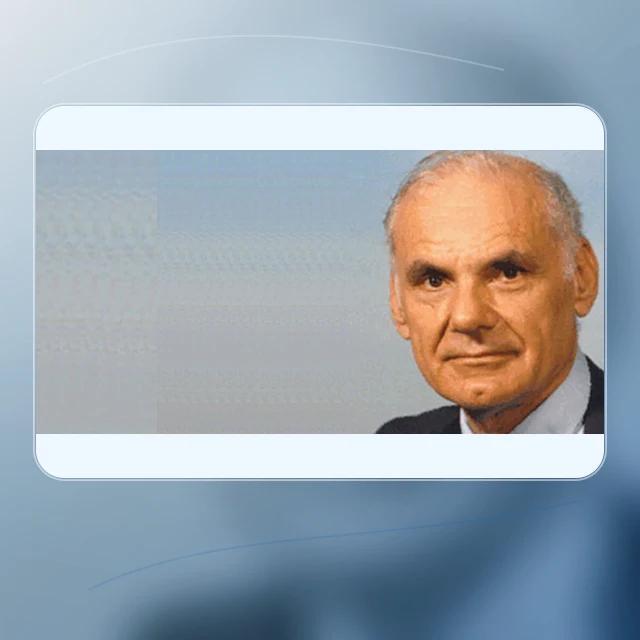
1969
Lawrence (Larry) Roberts (1969): As ARPA program manager he designed and led the ARPANET construction, turning packet-switching proposals into the first operational research network.
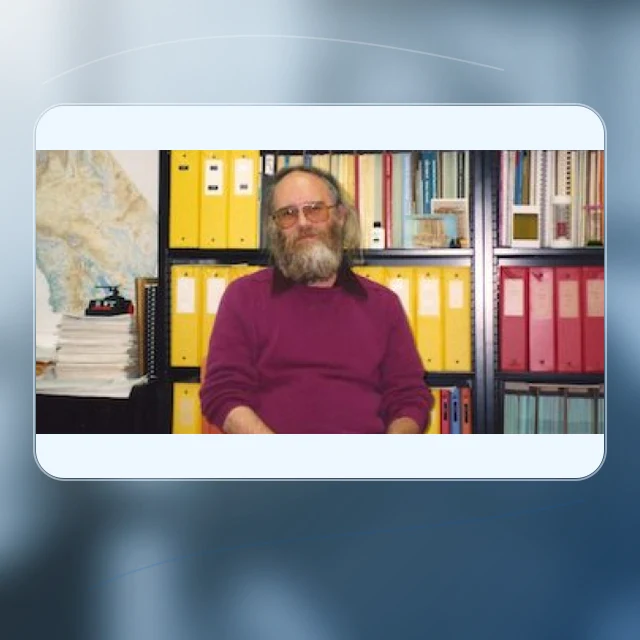
1969
Jon Postel (1969): Became central to the RFC series and began his long stewardship of protocol documentation and numbering — the Internet's numbering authority.
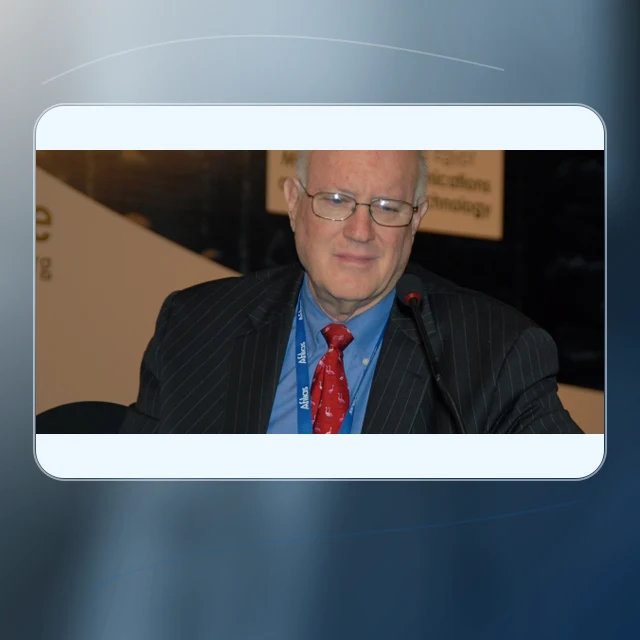
1969
Steve Crocker (1969): Instigated the ARPANET "Network Working Group" and created the Request for Comments (RFC) series — the primary open documentation mechanism for Internet protocols.
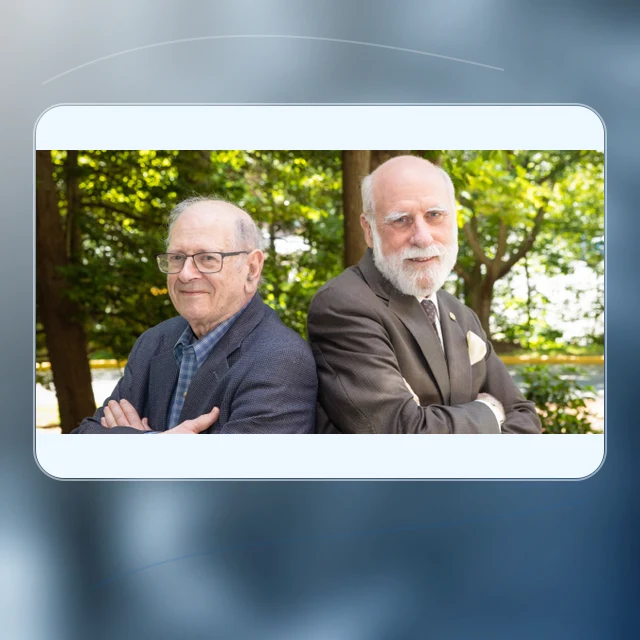
1972–1973
Vint Cerf & Bob Kahn (1972–1973): Co-designed the Transmission Control Protocol (TCP) and later TCP/IP, enabling communication across multiple networks — the birth of internetworking.
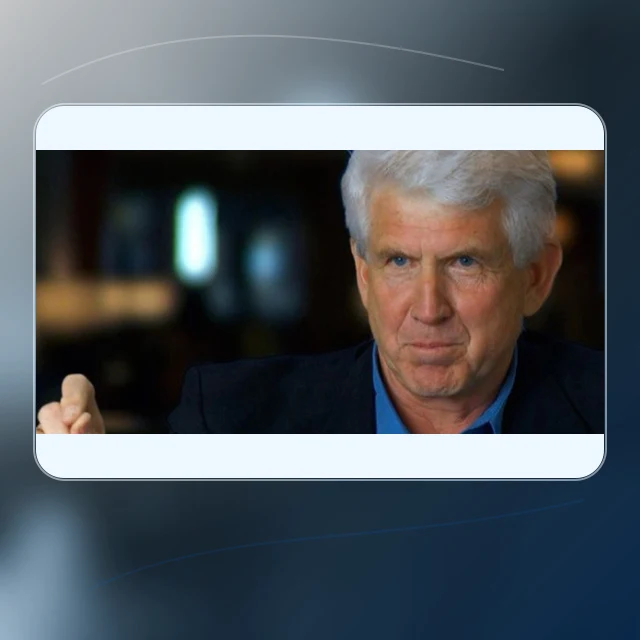
1973
Robert Metcalfe (1973): Invented Ethernet at Xerox PARC, making local networking fast and scalable for office and campus environments.
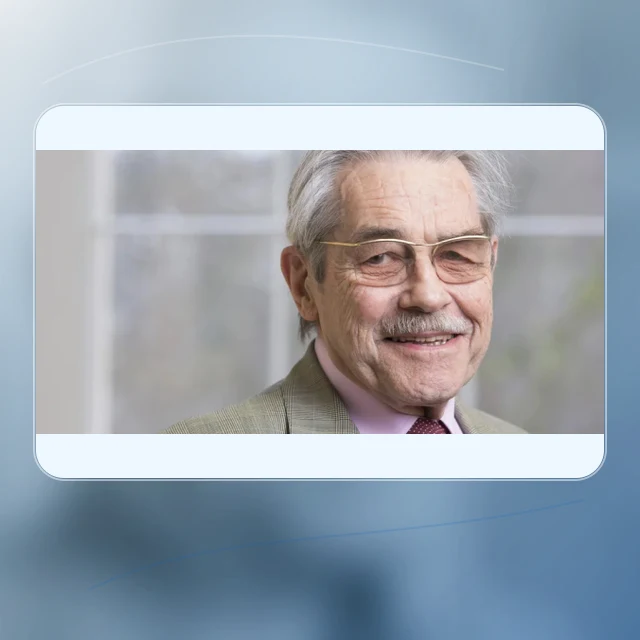
1973–1975
Louis Pouzin (1973–1975): Developed CYCLADES in France, a datagram-based packet network that directly influenced TCP/IP's design.
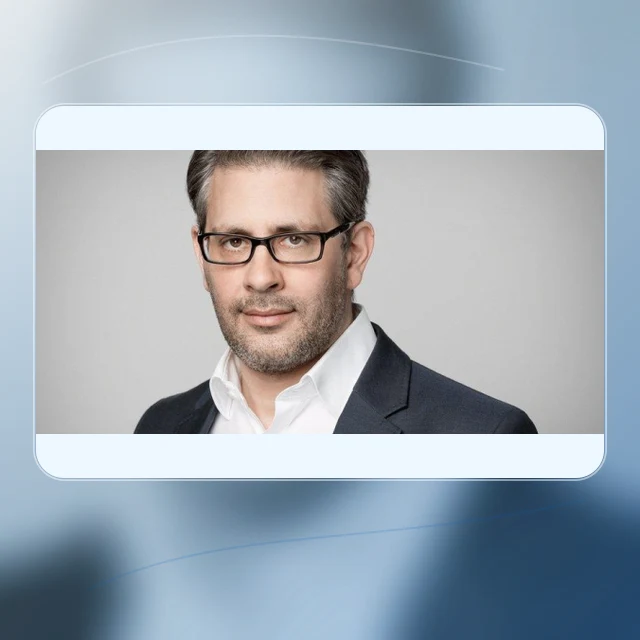
1973
Danny Cohen (1973): Pioneered early packet voice transmission and endianness concepts, key to interoperability in TCP/IP systems.
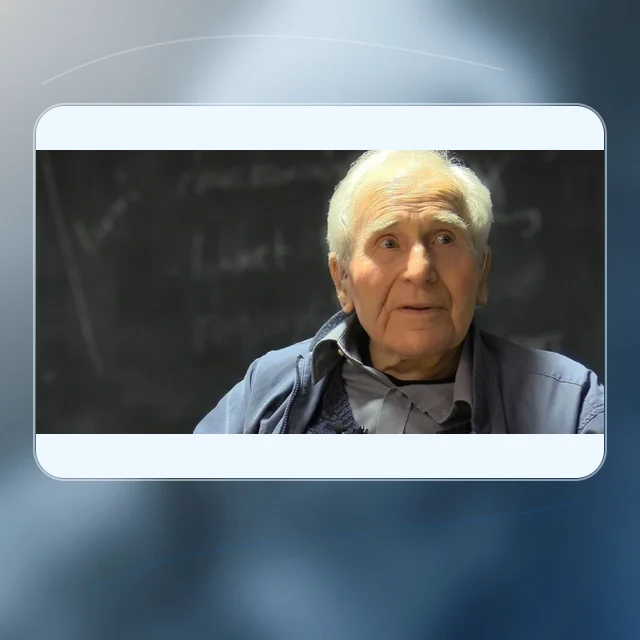
1975
Yngvar G. Lundh (1975): Promoted and implemented early packet networking in Scandinavia, connecting European research networks.
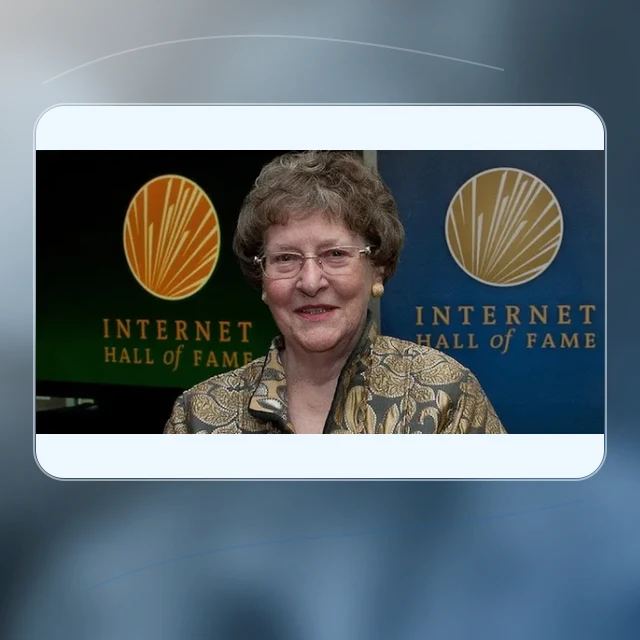
1976
Elizabeth "Jake" Feinler (1976): Managed the ARPANET Network Information Center (NIC) at SRI, maintaining the official host name directory before DNS.
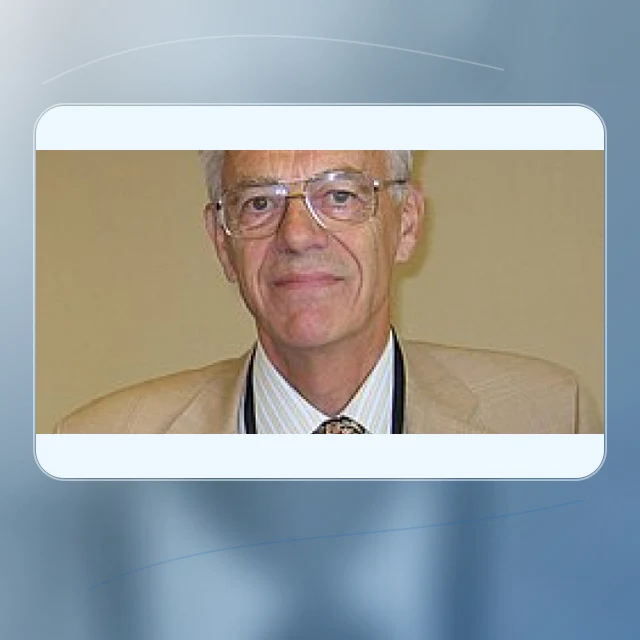
1977
Pål Spilling (1977): Helped establish early ARPANET links in Europe and co-authored the first Internet (TCP/IP) experiments between continents.
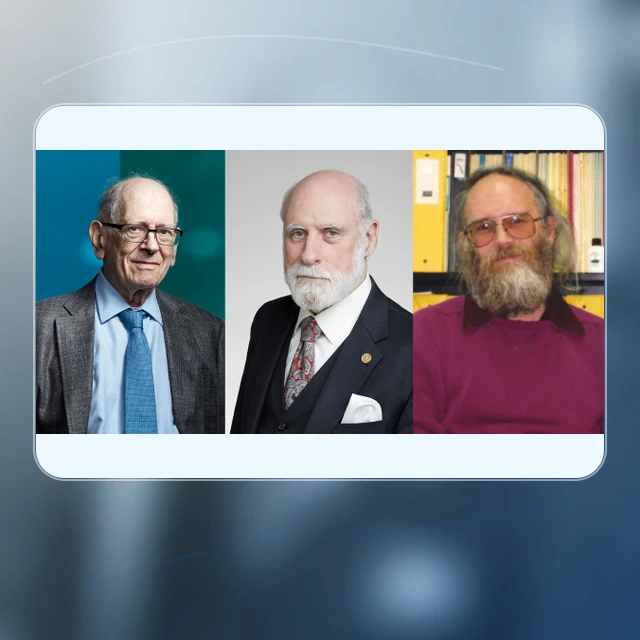
1977
Bob Kahn, Vint Cerf & Jon Postel (1977): Conducted the first three-network TCP/IP test (ARPANET, SATNET, PRNET), proving the architecture's viability.
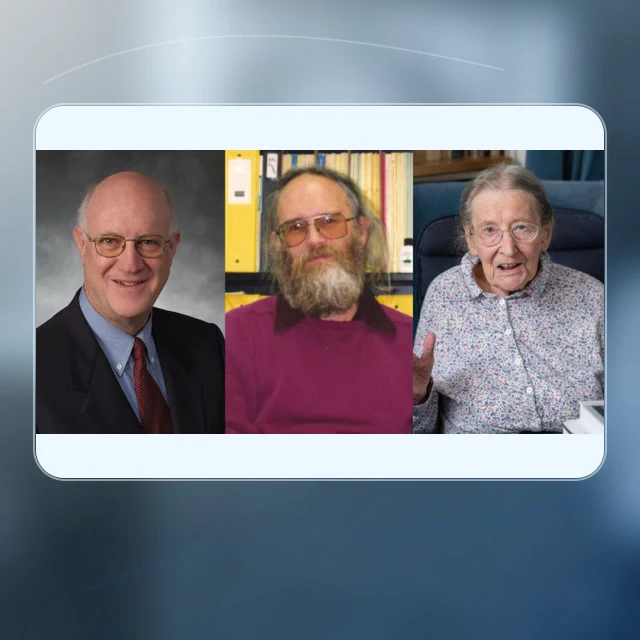
1978
Steve Crocker, Jon Postel & Joyce Reynolds (1978): Led early IETF-like protocol coordination and RFC series continuity — the core of today's open standards process.
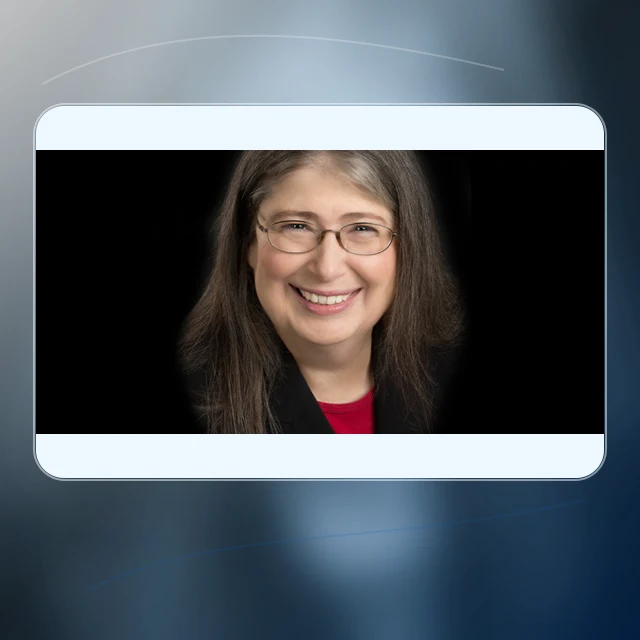
1979
Radia Perlman (1979): Developed early routing algorithms that evolved into the Spanning Tree Protocol (finalized 1985).

1981–1983
Paul Mockapetris (1981–1983): Invented the Domain Name System (DNS) to replace the central HOSTS.TXT file. Introduced hierarchical, distributed naming via RFC 882/883.
1981
Danny Cohen (1981): Published "On Holy Wars and a Plea for Peace," formalizing the concept of byte ordering ("endianness").
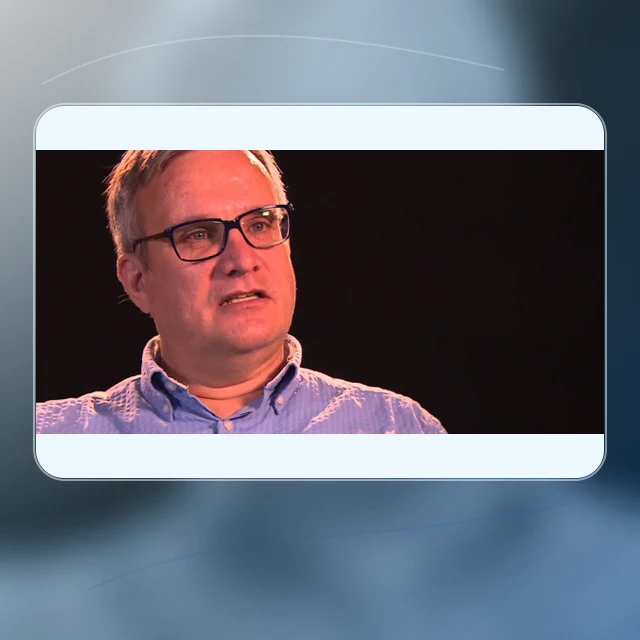
1982
Daniel Karrenberg (1982): Helped build EUnet, the first pan-European Internet Service Provider (ISP) and in 1989 was one of the founders of RIPE.
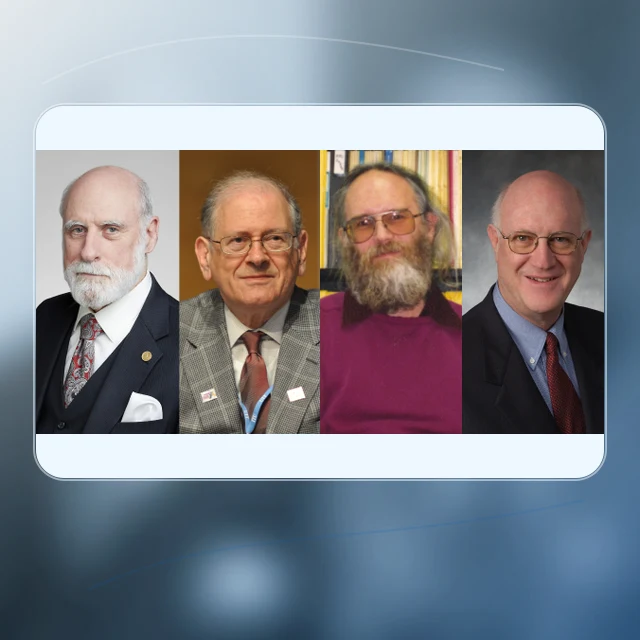
1982–1983
Vint Cerf, Bob Kahn, Jon Postel & Steve Crocker (1982–1983): Oversaw the January 1, 1983 "flag day" switchover from NCP to TCP/IP — the operational birth of the modern Internet.

1983–1984
Radia Perlman (1983–1984): Developed the Spanning Tree Protocol (STP), which made Ethernet networks reliable and loop-free.

1984
Mike Muuss (1984): Created ping, one of the simplest and most enduring diagnostic tools in networking.
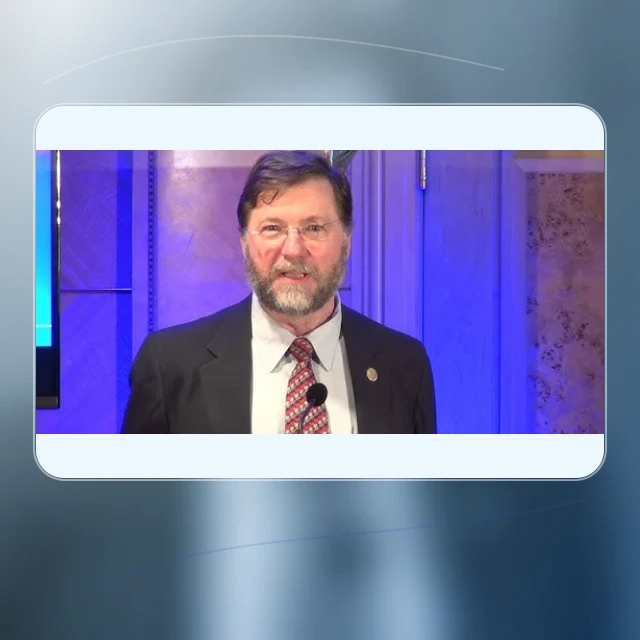
1984–1986
Eric Allman (1984–1986): Wrote Sendmail, the first general-purpose Internet email transport system, crucial for global email interoperability.
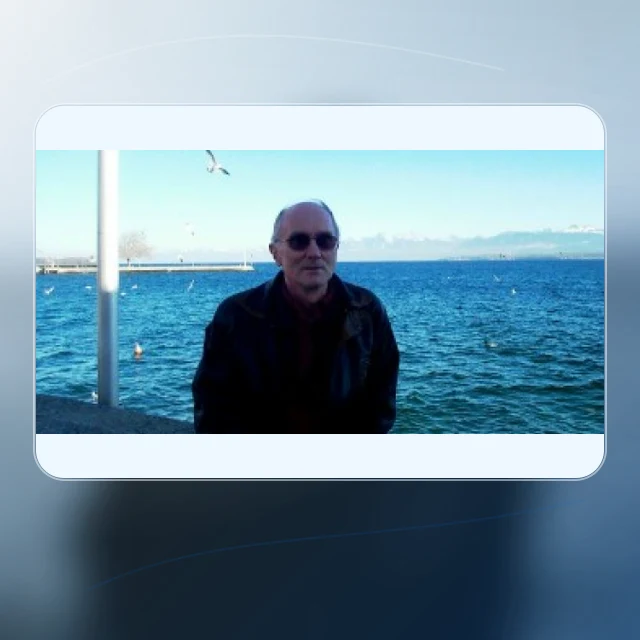
1985
Brian Carpenter (1985): Led development of key Internet standards and chaired IETF working groups, promoting IPv6 and architectural consistency.
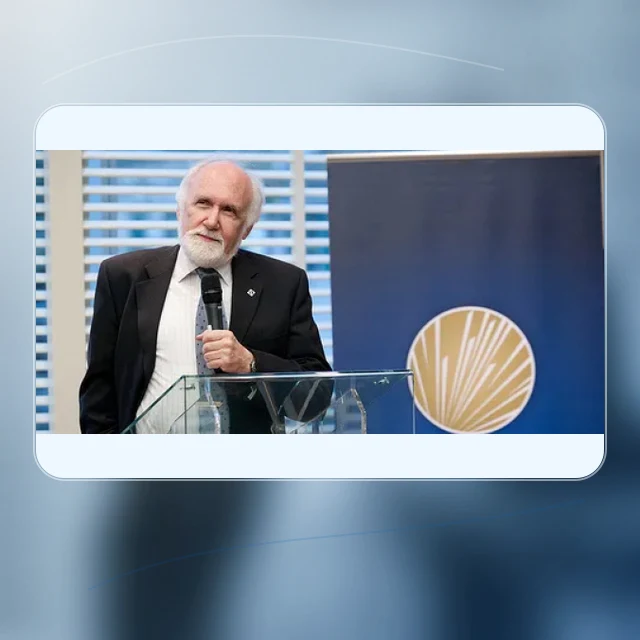
1986
John Klensin (1986): Significant early work on SMTP, FTP, and internationalization of Internet protocols.
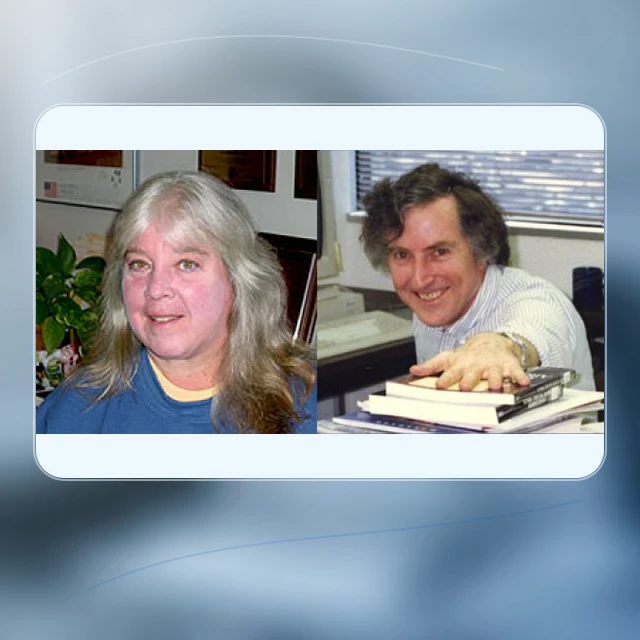
1987
Joyce K. Reynolds & Bob Braden (1987): Contributed to RFC editing, TCP/IP documentation, and Internet research group coordination.
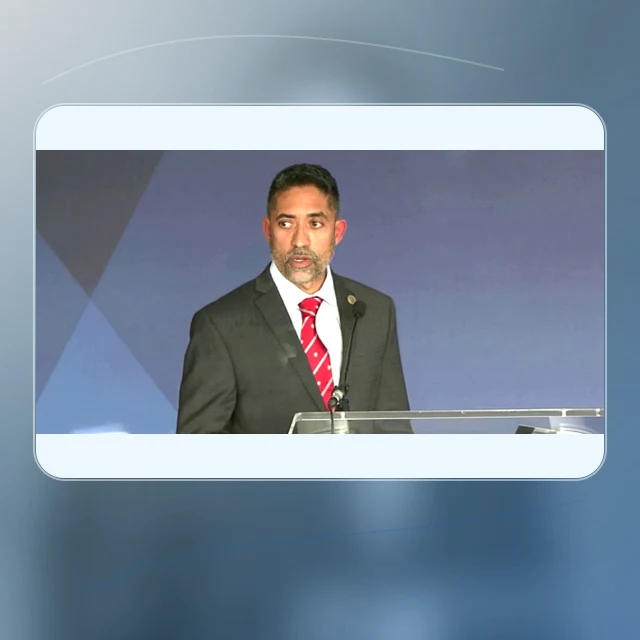
1989
Alan Emtage (1989): Developed Archie, the first Internet search engine, enabling users to find files across FTP servers.
1990 / 1991
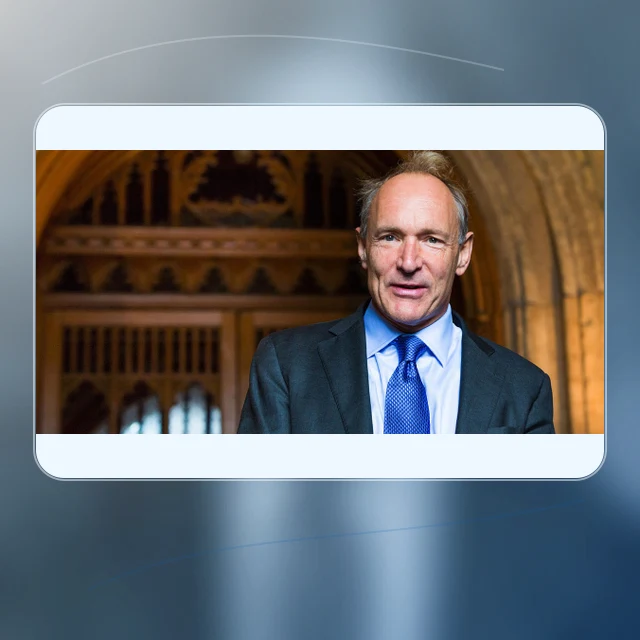
Tim Berners-Lee (1990 / 1991): Invented the World Wide Web at CERN — creating HTTP, HTML, and the first web server and browser, converting network infrastructure into a global publishing and information system.
1991
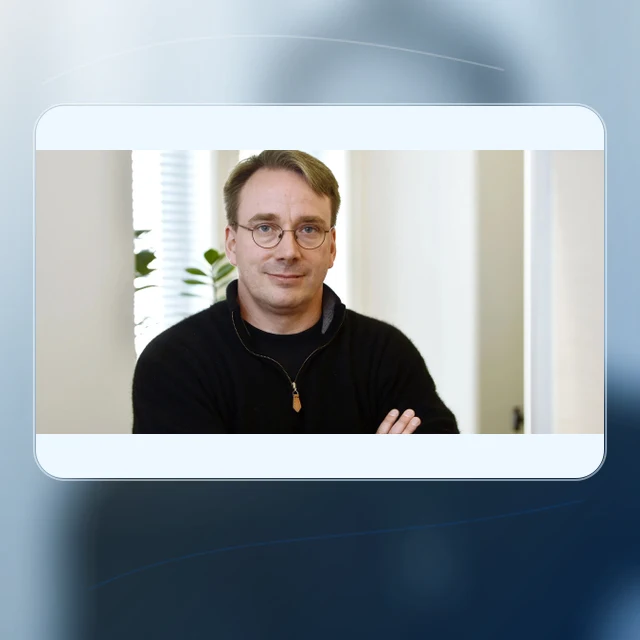
Linus Torvalds (1991): Created the Linux kernel, which became a cornerstone of Internet infrastructure, web servers, and open-source computing.

1991
Jianping Wu (1991): Led the development of CERNET, China's first academic Internet network, linking universities across the country.
1991
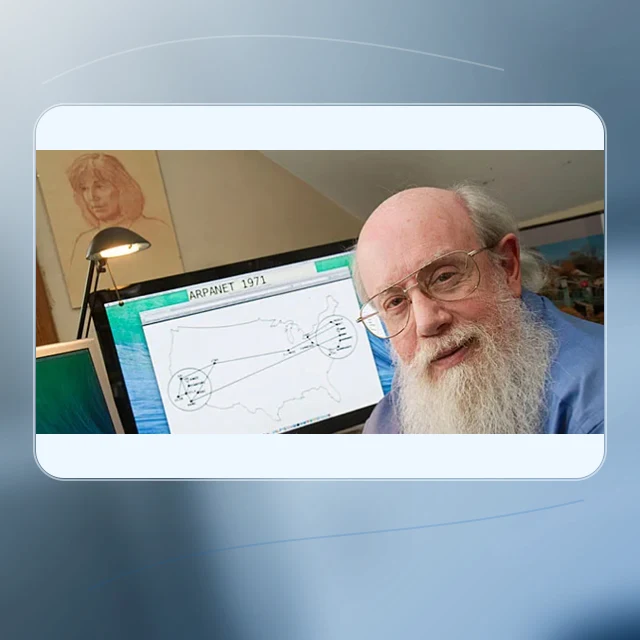
Scott Bradner (1991): Key figure in IETF standardization and Internet governance; helped define early Internet policy and protocol stewardship.
1992
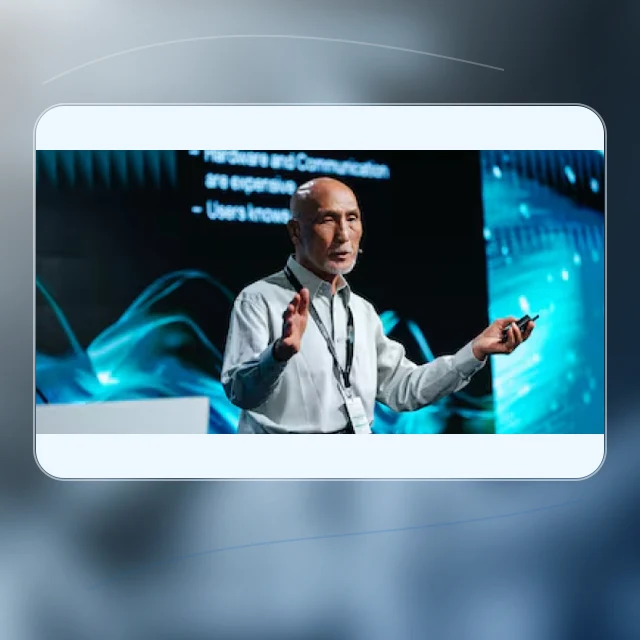
Kilnam Chon (1992): Built KREONET, the Korean Research Network, pioneering Internet connectivity in Asia.
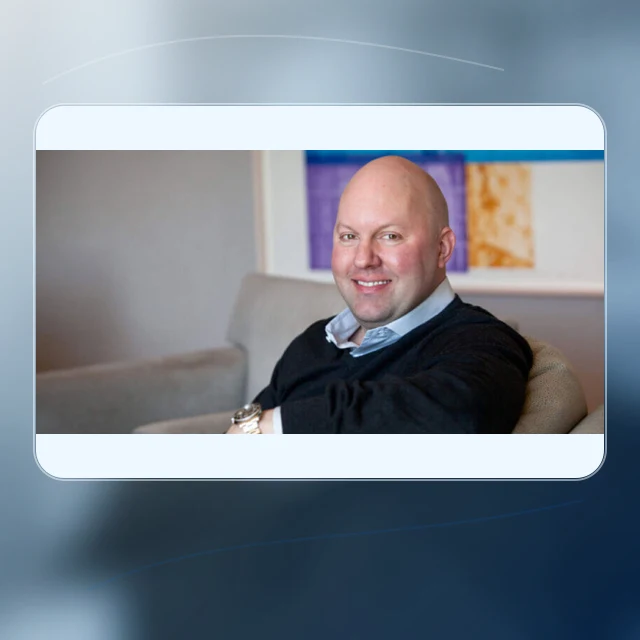
1993
Marc Andreessen (1993): Co-developed Mosaic, the first mainstream graphical web browser, which popularized the Web and inspired Netscape.
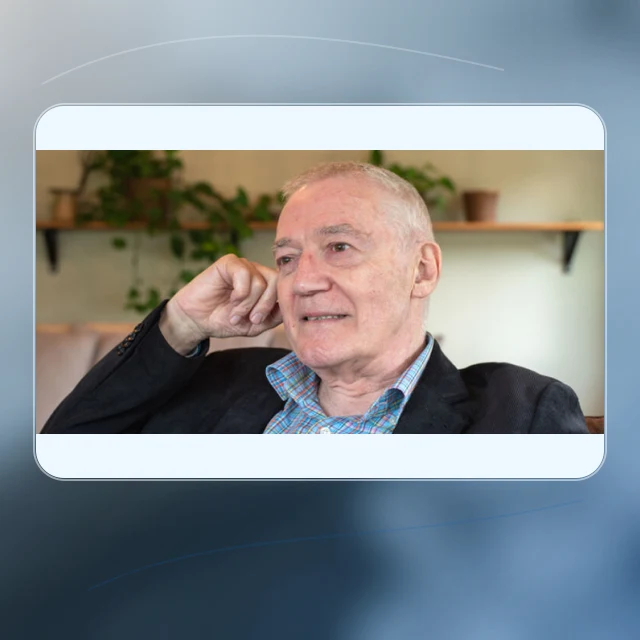
1993
Robert Cailliau (1993): Collaborated with Berners-Lee at CERN to promote and refine the World Wide Web and its first browser/server setup.
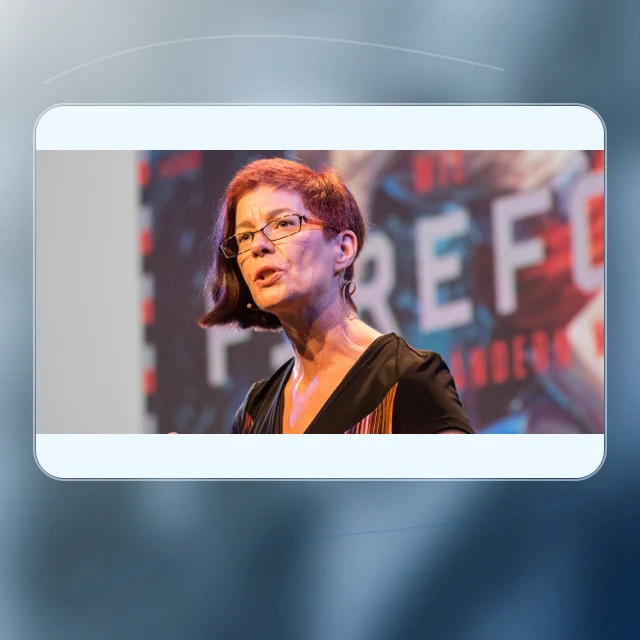
1994
Mitchell Baker (1994): Led the Mozilla project, defending open web standards and community-driven browser development.
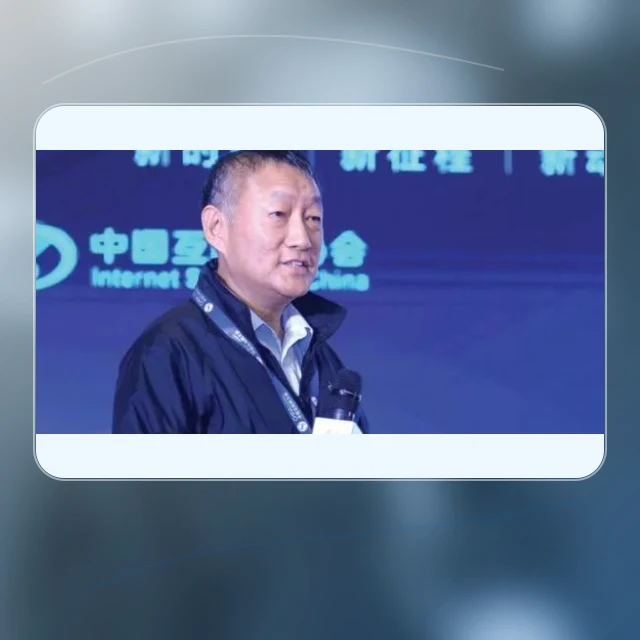
1994
Xing Li (1994): Architect of CERNET, China's first academic network (1994), and early IPv6 advocate for Asia-Pacific.
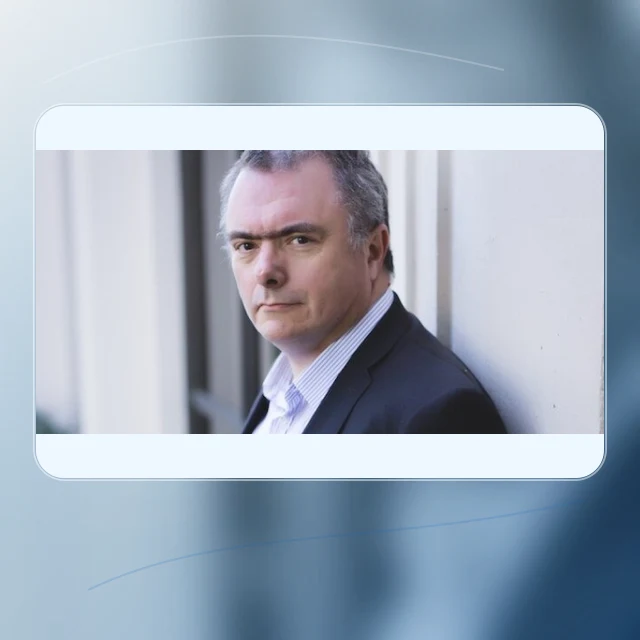
1995
Paul Vixie (1995): Principal developer of BIND, the most widely used DNS server software; improved DNS reliability and security.
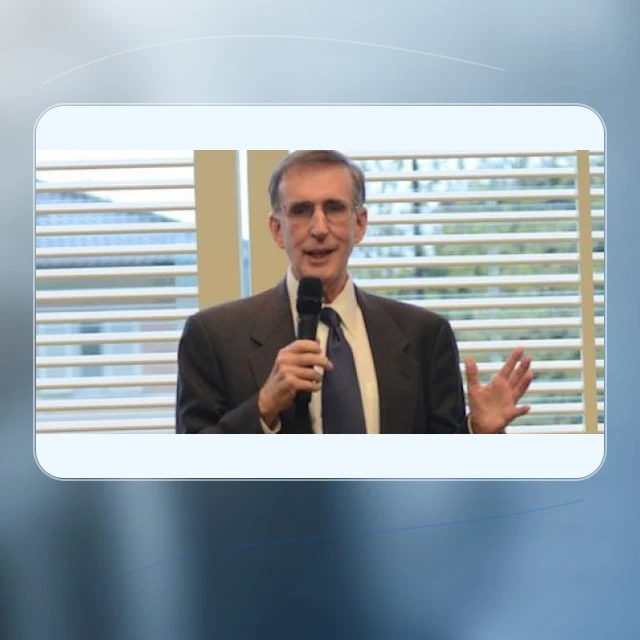
1996
Larry Landweber (1996): Created CSNET and helped connect over 25 countries to the early Internet, bridging academia and policy.
1997
Radia Perlman (1997): Authored Interconnections, formalizing network protocol design principles and influencing Internet routing education.
1998
Jon Postel (1998): Demonstrated control over the DNS root servers and led the IANA transition, symbolizing his lifelong role.
1998
Vint Cerf & Bob Kahn (1998): Helped found ICANN and promoted the institutional frameworks for managing Internet naming and numbering globally.
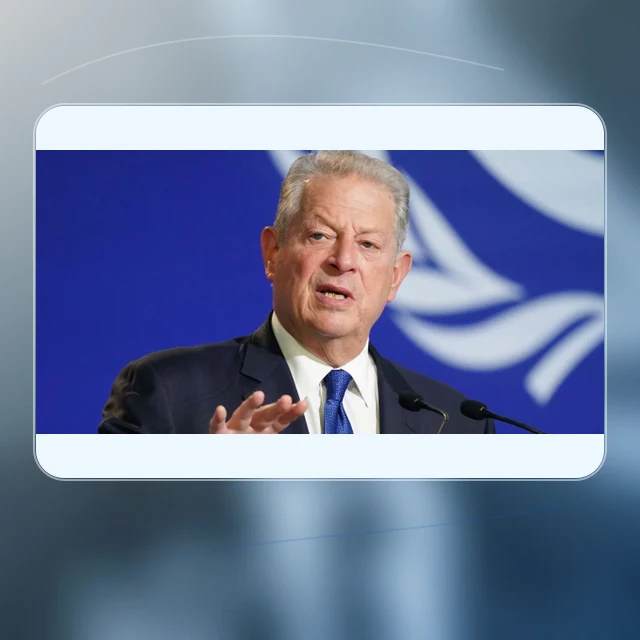
1999
Al Gore (1999): Sponsored the 1991 High Performance Computing and Communications Act, which funded Internet expansion — earning the nickname "the Information Superhighway."
Internet Milestones
A decade-by-decade guide to the experiments, protocols, standards, networks, and institutions that turned internetworking into shared global infrastructure.
1962-1965
Packet switching becomes a practical networking idea
Paul Baran and Donald Davies separately formalize packet-switched communication, giving later research networks a way to move data without relying on circuit-switched telephony.
Paul Baran, Donald Davies
RAND, National Physical Laboratory
1969
ARPANET sends its first message
The first host-to-host ARPANET message travels between UCLA and SRI, turning packet networking from research architecture into an operating experiment.
Leonard Kleinrock, Charley Kline, Bill Duvall
UCLA, SRI, ARPA
1971
Email becomes the first durable social application of the network
Ray Tomlinson adapts network mail between machines, making person-to-person communication one of the internet's earliest reasons to exist.
Ray Tomlinson
BBN, ARPANET
1974
TCP paper defines internetworking as an open architecture
Vint Cerf and Bob Kahn publish the TCP paper and give the network a protocol model for connecting heterogeneous networks into an internet.
Vint Cerf, Bob Kahn
DARPA
1977
Three-network TCP/IP test proves internetworking across media
Packet radio, satellite, and ARPANET paths carry traffic through a common protocol design, showing that an internet can survive different physical networks.
Vint Cerf, Jon Postel, Bob Kahn
DARPA research community
1983
TCP/IP flag day makes the modern internet operational
ARPANET hosts move from NCP to TCP/IP on January 1, 1983, making the protocol suite an operational foundation rather than a research proposal.
Vint Cerf, Bob Kahn, Jon Postel, Steve Crocker
DARPA, ARPANET community
1983-1984
DNS turns names into distributed internet infrastructure
Paul Mockapetris and the early naming community replace host tables with the Domain Name System, giving the expanding network a scalable naming layer.
Paul Mockapetris, Jon Postel
USC/ISI, IANA
1986
NSFNET expands academic networking into a backbone
The NSFNET programme links supercomputing centres and research institutions, creating a backbone that helps move the internet beyond its original defence research context.
National Science Foundation, regional academic networks
Late 1980s
Routing growth forces inter-domain coordination
As networks multiply, operators move toward scalable inter-domain routing practices that later make BGP and routing security central to internet operations.
Network operators and routing researchers
IETF, operator community
1989 / 1990
Archie makes distributed network resources discoverable
Alan Emtage creates Archie, showing that the internet also needs discovery systems, not only transport and addressing.
Alan Emtage
McGill University
1989 / 1991
The World Wide Web opens the internet to publishing and navigation
Tim Berners-Lee proposes and implements HTTP, HTML, URLs, and early browser/server software, turning the network into a global information space.
Tim Berners-Lee, Robert Cailliau
CERN
1992
Regional number coordination takes institutional form
Regional internet growth creates the need for durable address allocation institutions, with APNIC emerging in the Asia-Pacific coordination context.
Regional operators and registry builders
APNIC, RIR community
1993
El Salvador joins the global internet story
Local builders connect national academic and technical communities into the global network, showing how internet history is made outside the original centres of research funding.
Lito Ibarra
El Salvador internet community
1998
ICANN is formed to coordinate global identifiers
ICANN becomes the institutional home for DNS and identifier coordination debates, moving internet governance into a more formal multi-stakeholder structure.
Jon Postel, Vint Cerf, global governance community
ICANN, IANA community
1998
IPv6 is specified in RFC 2460
The IETF publishes RFC 2460, preserving the internet's ability to scale addressing beyond IPv4 exhaustion and making protocol stewardship a generational task.
Brian Carpenter, IETF IPv6 community
IETF
1986 / 1992
Latin American academic networks become regional infrastructure
Builders in Chile, Venezuela, Argentina, and neighbouring communities turn research connectivity into lasting regional internet capacity.
Florencio Utreras, Ermanno Pietrosemoli, Olga Cavalli
Latin American academic and governance communities
2000s
African technical communities expand capacity and participation
Training, software communities, and advocacy broaden who can build, operate, and govern internet infrastructure.
Dorcas Muthoni
African technology and internet communities
2000s
Operational analysis becomes part of internet stewardship
Routing, addressing, measurement, and security analysis become essential to explaining where the global network is resilient and where it is fragile.
Geoff Huston
APNIC Labs, operator community
2016
IANA stewardship transition completes
The transition marks a major governance shift from US government oversight toward the global multi-stakeholder community.
ICANN, IANA community, global internet governance community
2010s / 2020s
Routing security becomes a core public-interest issue
RPKI, MANRS, and operator coordination make routing security part of the internet's institutional memory and daily operational discipline.
Routing security researchers and operators
IETF, RIRs, operator community
2024
Internet history becomes a source-backed archive
Measurement archives, oral histories, and editorial collections make internet history itself a field of stewardship for the next generation.
Jim Cowie and internet history researchers
Internet History Initiative
Published Records
Published interviews, profiles, and historical reporting from BTW Media's History of the Internet collection.

In October 1996, RFC 2014 gave long-horizon Internet research a durable home beside the IETF. Its boundary mattered: a research result could travel toward standardization, but the research group did not acquire extra authority over that decision.
Read Record
The South Pole’s Scheduled Data Route: TDRS-1 and the 1998 Internet Link
At 90° south, Internet access depended on a spacecraft whose orbit was changing. In 1997, National Science Foundation (NSF) and NASA turned that geometry into a route through White Sands Complex, separating everyday IP traffic from the larger scientific files that researchers needed to bring home.
Read Record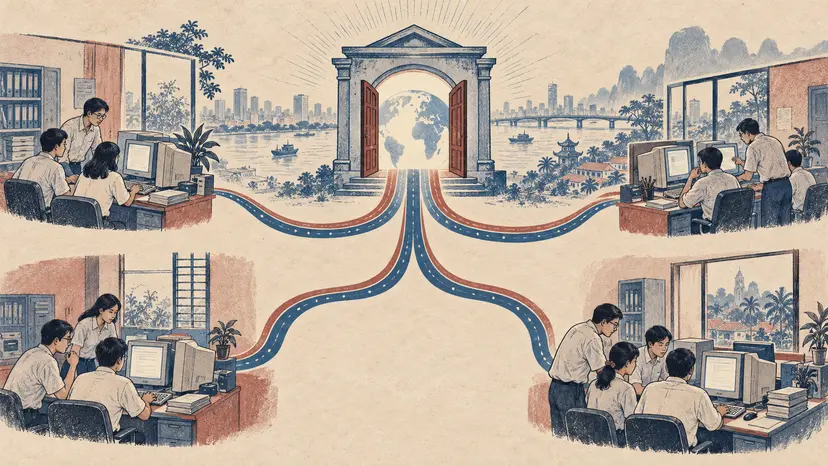
Vietnam’s Internet opening is often dated to a single day, 19 November 1997. The more revealing event was a division of authority: four licensed service providers could reach users, while one licensed access provider connected those providers to the international Internet. The law made that boundary visible before the public milestone made it famous.
Read Record
Portugal’s 1991 RCCN project did more than put IP on an international line. Its engineers found that routine dynamic-routing updates nearly consumed the bandwidth of public X.25, then chose static routes for a network whose shape was already close to a star.
Read Record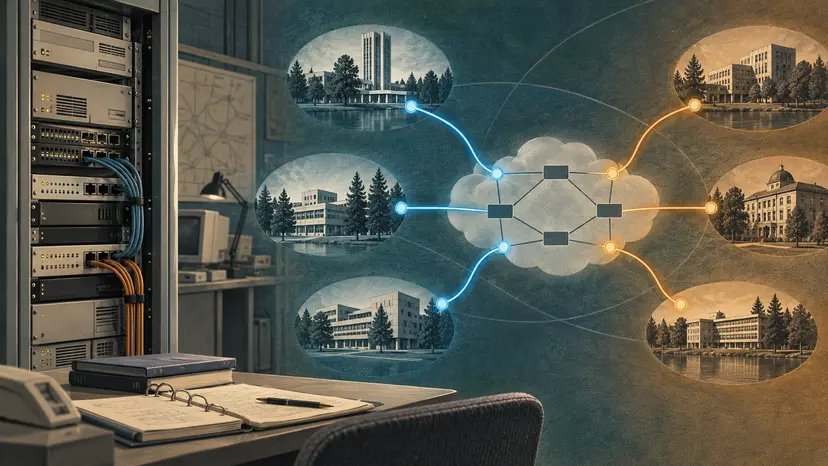
For Finnish universities, the Internet did not arrive by erasing every network already in use. FUNET’s 1992 move to Frame Relay belonged to a longer engineering transition; a 1994 account still lists both TCP/IP and DECnet on the research backbone. The record shows a multiprotocol service taking shape, not a single protocol replacing the rest overnight.
Read Record
A line in NECTEC’s history says political unrest in May 1992 brought a surge in email use and Usenet circulation between Thailand and the wider world. The record gives no traffic count. What it preserves is a small but revealing sign of what people asked an academic network to carry when events became urgent.
Read Record
The Access Point Was Ready; Colombia Still Needed the Circuit, 1993–94
By 1993, participants recalled that a U.S. Internet access point for Latin America was available, but Colombia still lacked the costly communications circuit needed to use it as a service. The later connection did not arrive as one clean flag day: an attempt failed, public histories chose different dates, and InterRed’s operating role took time to settle. The story is about financing the path between a reachable point and a usable network.
Read Record
The Internet Put 1900 on the Wire: RFC 868’s Time Limit, 1983
A machine could ask another host for one number and receive a date it could compare with its own clock. In 1983, RFC 868 made that exchange deliberately small: seconds counted from 1900, carried in 32 bits, with a horizon the document itself placed in 2036.
Read Record
Japan’s first commercial exchange was announced with an unusual promise: reliability would be built into a company, a customer service and a second site, while the experimental network it followed would remain a partner. JPIX’s founding shows how the Internet’s shared infrastructure acquired a payer and an operating institution.
Read Record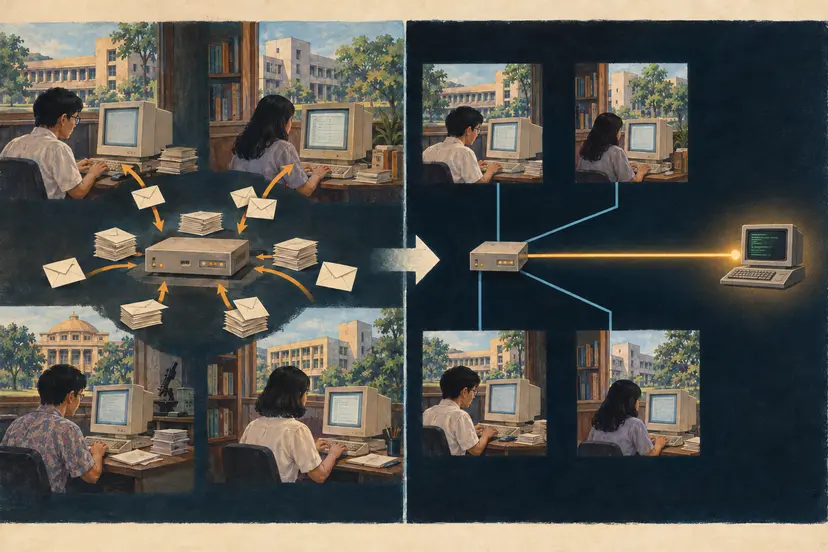
The Gateway Was a Consortium: PHNET’s 64 Kbps Link, 1994
PHNET did not begin as one campus plugged into a line. Its record describes two stages: UUCP mail relayed through an Australian university, then a 64 Kbps route to the United States shared by a Philippine institutional consortium.
Read Record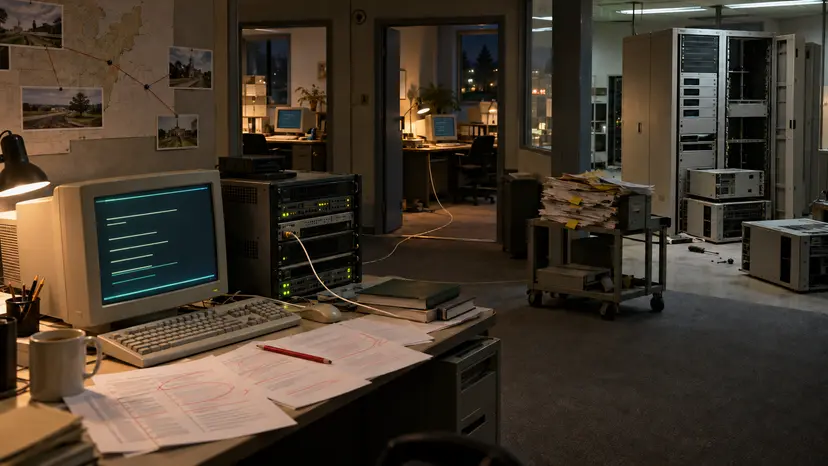
The Patch List Became a Server: Apache’s First Year, 1995
Apache’s first year turned fixes made by separate webmasters into a tested public release, then replaced patch aggregation with a modular redesign. The change shows how shared maintenance can coordinate independent operators without making announcement itself the measure of adoption.
Read Record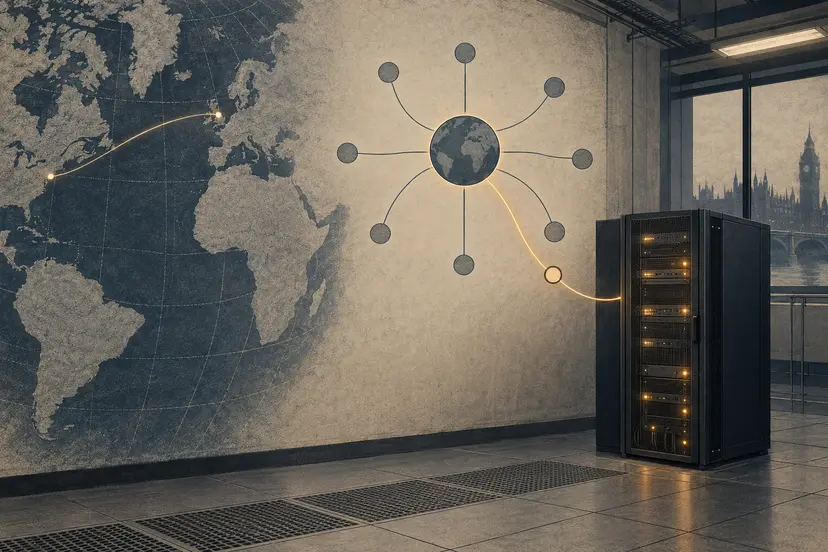
On 19 May 1997, one experimental root server left its temporary home at Network Solutions and was placed at the London Internet Exchange. The change added a new operating location for K-root and a new operator, RIPE NCC. The accompanying record still pointed to the same unique public DNS root; it did not announce a new root zone, a British naming authority, or the anycast network that K-root would adopt years later.
Read Record
In late 1996, a commercial provider in Gaborone reported a full 64K Internet link, while the SADC Secretariat still used a 9,600-baud UUCP mail route to Pretoria and was planning Internet access. The records show two operating choices in one place, not one shared network.
Read Record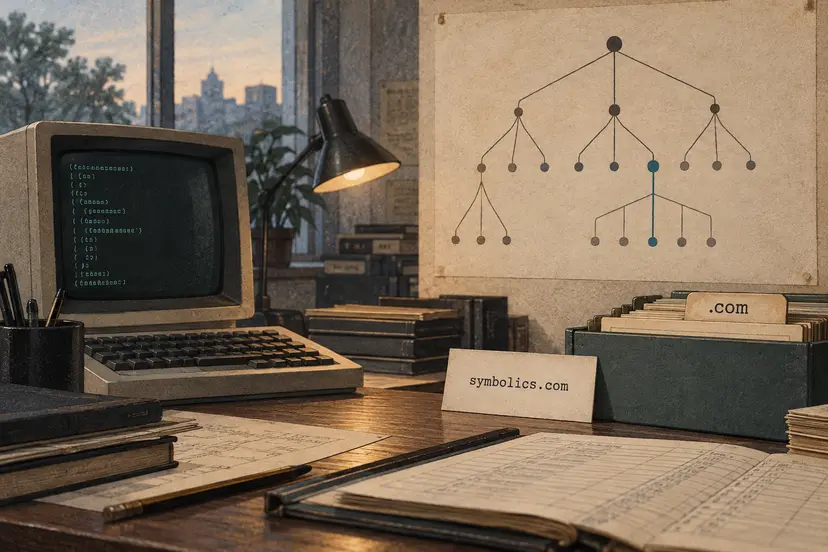
On 15 March 1985, Symbolics.com entered a namespace still being organized for network administration. The significance of that first `.com` is easier to see when it is separated from the website and commerce stories later attached to it: the record named a company inside a category, years before the Web made a domain look like a storefront.
Read Record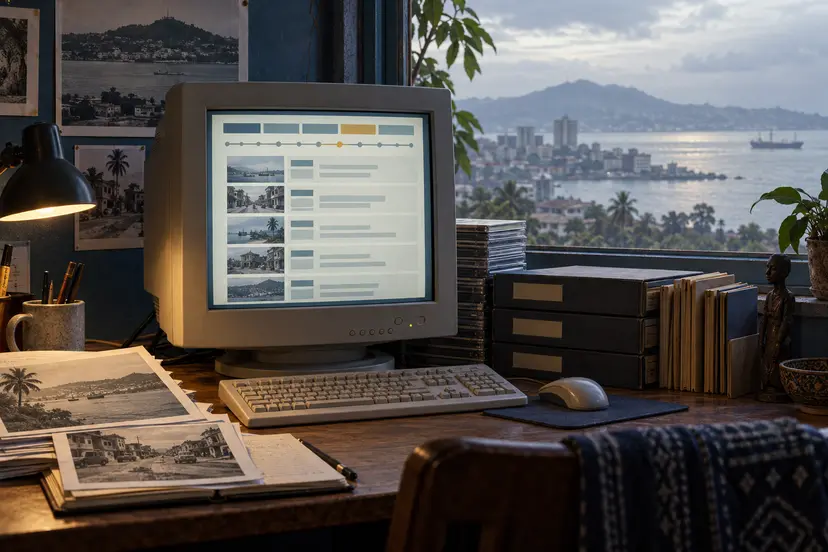
When conflict reports disappeared in wire-service queues or sat behind subscriber feeds, Sierra Leone Web gave them a different afterlife: dated pages that readers could find again. Its history is less a story of a country coming online than of a small web publication turning publication into retrieval. The archive preserved a trace of what was reported; it could not make every report complete, independently verified, or reachable to every person in Sierra Leone.
Read Record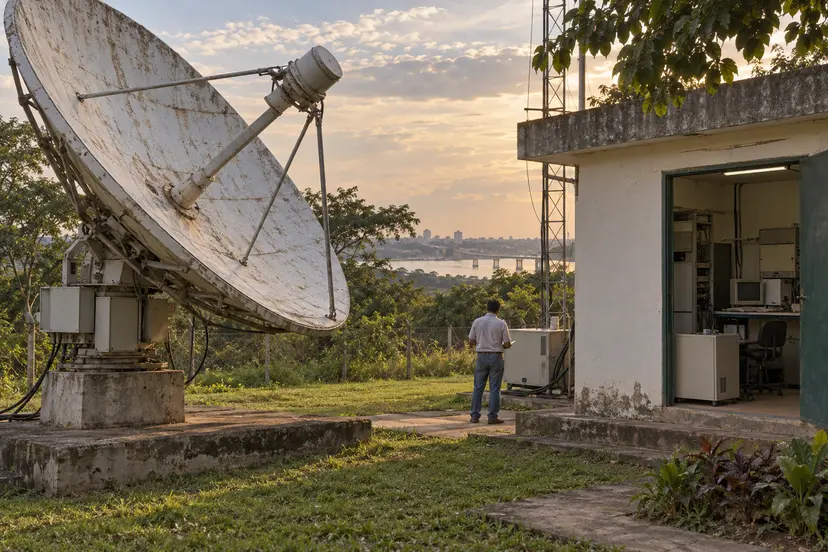
A satellite earth station, a recurring international circuit and an upstream Internet port came from different budgets. That division explains how a university project in Paraguay crossed the gap between scheduled email and an interactive Internet connection.
Read Record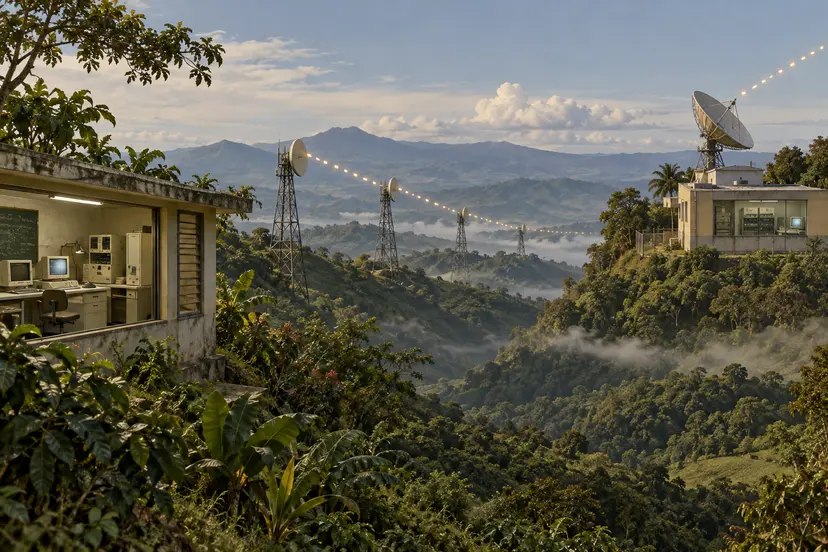
Before Nicaragua had its own direct international Internet exit, its academic network could reach the wider Internet by crossing a neighboring country. A decades-old analog microwave path carried the regional link; Costa Rica’s satellite gateway supplied the route outward.
Read Record
A fault in a single switching neighborhood left the ARPANET’s control messages repeating three six-bit sequence numbers—8, 40 and 44. Their ordering rule made each one look newer than another, and a routing process consumed the buffers needed to keep links alive.
Read Record
A November 1995 network message already listed Senegal Contact at refer.sn. A later history describes a Dakar server carrying IP over X.25, months before SONATEL’s permanent national link. The records mark different kinds of “online” and cannot tell us who successfully reached the page.
Read Record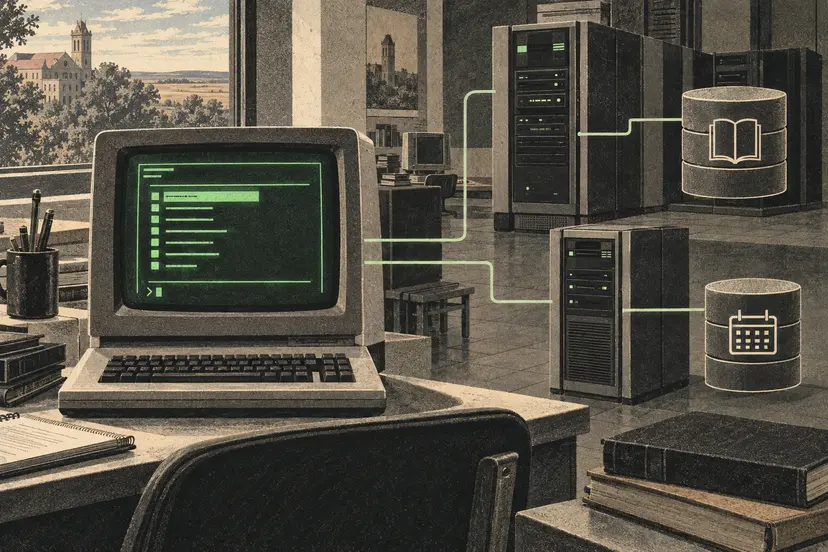
In 1992, Lynx could take a reader from a campus information menu into a library login or a live events database. That small jump reveals a broader early-Internet idea: a link could be a doorway into software and services already running elsewhere.
Read Record