Summary
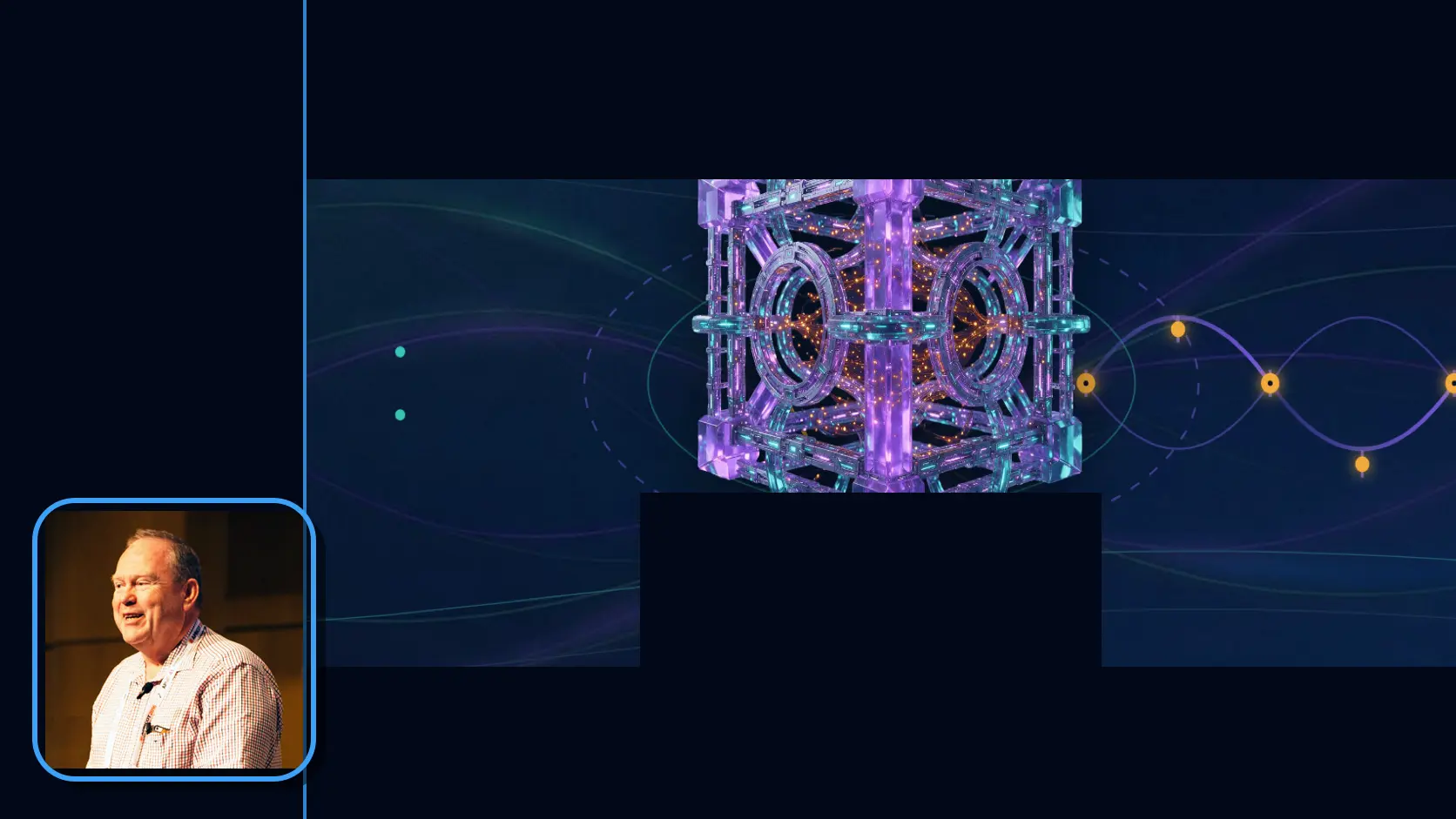
- Geoff Huston, APNIC Chief Scientist, compares ECDSA P-256 with ML-DSA-44. The DNSSEC signature grows from 65 to 2,420 bytes.
- His worked example turns a 191-byte response that fits two UDP packets into a 2,551-byte response, a truncation and a ten-packet TCP transaction.
- APNIC Labs measured 36 billion queries from 245 million users. 75.2% advertised EDNS buffers below the 1,500-byte boundary; 60% sent DO-bit queries, while 48% sat behind validating or validating-then-fallback resolution.
Huston’s numbers separate the cryptography from the network bill. ECDSA P-256 uses a 32-byte public key, 32-byte private key and 65-byte signature. The compared ML-DSA-44 draft specifies 1,312, 2,560 and 2,420 bytes. A DNSSEC answer carries that signature, so the ordinary response is where the new cost appears.
The packet path is blunt. UDP carries the smaller query and answer. The post-quantum answer exceeds the path’s usable DNS payload, returns a truncation signal and sends the resolver into TCP. Connection setup, query, response and close replace a two-packet exchange with ten. That is a real latency and connection-state change.
It is not a universal DNS multiplier. Resolver caches absorb repeated answers. APNIC Labs used unique names to force signature retrieval and reveal the miss path. Its 36-billion-query sample shows query behaviour and resolver capability, not every response an authoritative server will send.
The EDNS distribution also reduces the alarm. A 1,410-byte advertised buffer fits beneath a 1,500-byte IP packet after headers. The remaining 24.8% may repeat a large RFC 6891 default that the path cannot carry. The server’s own ceiling still decides whether an answer stays in UDP or is truncated; the registry does not need to rely on unreliable IP fragmentation.
DNSSEC signalling filters the population again. DO asks for DNSSEC records, not validation. CD asks a resolver to skip validation, while AD reports that a recursive resolver validated the answer. The APNIC Labs dashboard showed 40% behind validators and another 8.5% behind environments that retry after a validation failure. Yet 60% of users sent DO, leaving about twelve points where the bit appeared without evidence of corresponding validation.
Huston is coauthor of a working draft that would make non-validating resolvers clear DO and cache the answer together with the DO state used to obtain it. A later query needing signatures would trigger a new fetch. It can save unnecessary signatures, but adds cache dimensions and traffic. The draft calls itself the best idea ever or the worst idea ever.
The useful forecast is a product: signed zones × signed-answer cache misses × DO queries × truncation × PQC adoption. Buffer surveys, cache hit rates, authoritative server limits and TCP connection counts supply the missing factors. Huston’s fivefold packet count describes a path after those factors line up; it is not a forecast that the entire DNS becomes five times larger.
That distinction is the article’s value. Post-quantum DNSSEC changes the security profile at a measurable transport cost. Operators need both rows in the ledger: the larger signature and the frequency with which the resolver actually carries it. Huston gives the first row a sharp number. The second row belongs to each deployed cache and zone.
Sources: APNIC analysis; Geoff Huston profile; APNIC Labs DNSSEC data; RFC 6891; ML-DSA draft; No DO for you.
Member Briefing
Read the full trend briefing
Members read the full briefing with the source notes behind every finding.
Strategic Circle
A daily briefing in your language, built from changes we have verified.
Join for USD 20/monthCancel anytime.
Members also get the full research library, a daily briefing on the networks they follow and the private forum.