Summary
- LACNIC Chief Services Officer Alfredo Verderosa and Registry Services Specialist Julio Buiza report that organizations which contacted LACNIC and began proving their right to use legacy IPv4 account for 29% of the region’s legacy IPv4 space and 13% of holders.
- That split gives the contacted group an average address footprint about 2.23 times the all-holder average. LACNIC has not published the prefix-size distribution, so its update cannot show whether the missing 71% of space sits with a few giant nonparticipants or a long tail of small and dormant holders.
- The three relationship choices also create a service boundary. Public WHOIS/RDAP contact data is free; rDNS, RPKI, sub-assignments, IRR and geofeeds sit behind an annual resource-management fee, while full membership remains the third route.
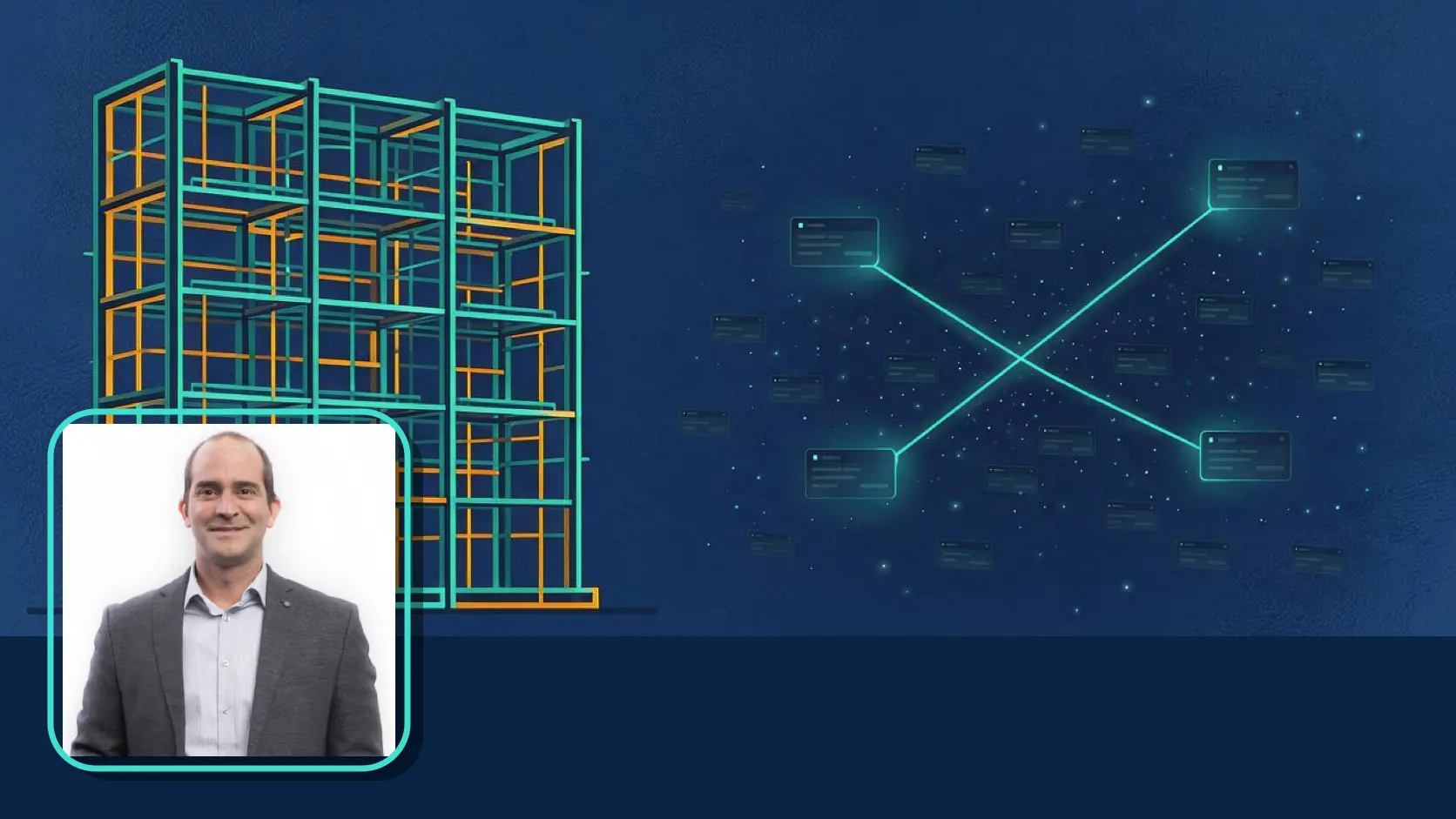
Verderosa has run LACNIC’s Chief Services Officer role since 2015. His 16 November update with Buiza carries the authority of the desk that will process each legacy claim. It also carries the weakness of a campaign measured in two aggregate shares. The registry can say that progress exists. It cannot yet say who represents the unfinished part.
The holder pool is defined tightly. LACNIC calls legacy resources IP blocks and ASNs assigned by InterNIC/IANA before 28 December 1997 and never brought into a LACNIC membership agreement. Many of those holders have little routine contact with the registry. Some may not know that the June 2026 call exists. LACNIC wants the broader technical community to spread the message.
The deadline has teeth. A holder must start the official contact process by 16 December 2026 to begin proving its right to use the resources. If it neither contacts LACNIC nor justifies that right, LACNIC says it may stop providing registration services. The clock is therefore attached to a concrete consequence, not a survey.
The progress numbers are more interesting than the headline. Thirteen percent of holders have entered the process and they cover twenty-nine percent of the address space. Divide the address share by the holder share and the contacted entity holds an average of 2.23 times the legacy IPv4 footprint of the average holder across the full population. The contacted cohort is, on average, visibly larger.
That result is neither a scandal nor a victory by itself. Large network operators are easier to identify, more likely to have a public campus, more likely to use rDNS or routing services and more likely to have dealt with a registry before. A campaign that starts with the people you can find will naturally find big footprints first. LACNIC’s community appeal makes the same point from the other side: the unknowns may be small, quiet or unaware.
The public update still leaves the strategic question blank. Are the remaining 71% of addresses concentrated in a short list of large holders, or spread across thousands of organizations with a few addresses each? The answer changes the work. A concentrated remainder can be closed with a handful of executive escalations. A long tail requires schools, local ISPs, old enterprises, municipal networks and dormant legal entities to discover an administrative process they have ignored for decades.
The Managing Legacy Resources route turns the claim into a relationship decision after the right to use is shown. The first option keeps contact information current in MiLACNIC and public WHOIS/RDAP at no charge; the addresses remain legacy resources. The second keeps that public information and adds rDNS, RPKI, sub-assignments, IRR and geofeeds for an annual fee based on the total legacy IPv4 held. Billing begins in 2027 and rises with the same inflation index used for member fees. Membership is the third route, with standard member rights, benefits and obligations.
That menu is cleaner than a single mandatory fee, but it is not a flat service plane. A holder that needs only a visible contact record can remain on the free path. An operator that depends on reverse DNS, routing-origin authorization, routing policy objects or public geofeed information has to choose the paid service line or membership. The boundary between “legacy status preserved” and “legacy operations fully supported” now has a price tag.
The registry has not published demand for those services, the number of contracts expected, the fee schedule or the service-choice mix. It also has not published completion counts. The 29% and 13% figures therefore record entry into the process, not finished title checks or final relationships.
The official profiles identify the people behind the campaign as service operators: Verderosa above the service portfolio since 2015, Buiza inside Registry Services since 2023. Their next report should match that operational role. Publish the entity count, a table by legacy-prefix size, completion status, the three-option choice and the service packages selected. That would show whether the campaign has reached the large blocks, the small holders, or both.
The 29/13 score is useful because it breaks the flattering aggregate in half. It proves that large footprints are already answering. It also says that 87% of the organizations and 71% of the address space remain outside the measured cohort. The deadline will decide whether LACNIC’s outreach is a representative census or a successful conversation with the people who were easy to find.
Sources: LACNIC progress update; Managing Legacy Resources; Alfredo Verderosa profile; Julio Buiza profile.
Member Briefing
Read the full trend briefing
Members read the full briefing with the source notes behind every finding.
Strategic Circle
A daily briefing in your language, built from changes we have verified.
Join for USD 20/monthCancel anytime.
Members also get the full research library, a daily briefing on the networks they follow and the private forum.