
Region
Europe Middle EAST
Europe Middle EAST regional intelligence explains how companies, people, policy moves, network operations, investment signals, data centre demand, telecom execution, and market constraints shape infrastructure delivery in the same geographic market or governance area. The page connects published coverage with evidence, regional actors, operating dependencies, market context, and customer or regulatory exposure that may otherwise sit across separate topic or company pages. Readers can compare who is active, which signals are backed by public evidence, how local execution risk connects to broader internet infrastructure strategy, and what changes may affect customers, partners, regulators, or capital planning. Readers can understand the geography, the relevant infrastructure sectors, the public evidence base, and the practical questions that make the regional page more useful than a short listing of articles.
Europe and Middle East Institutional
DE-CIX prints 4,600 networks and never says what it counted
The group traffic record is the honest one: 32.10 Tbit/s across its exchanges, measured at a single instant and printed as a single instant. The group network count is a different entity altogether — a floor at every printing, resting on a noun the company's own directory never…
Europe and Middle East Datacenter Trends
Europe averaged numbers its data centres were allowed to skip
The European Union's data-centre census is written to the digit at the doorway — installed information technology power demand of at least 500 kW — and counts an entity it defines in a different regulation entirely. In its first reporting period a facility was permitted to omit…
CASE FILE
The repeaters come from Greenwich, and the census comes in threes
On 27 June 2024 Nokia agreed to sell Alcatel Submarine Networks to the French State at an enterprise value of EUR 350 million, keeping a fifth of the company and a board seat for a transition of unstated length. What completed on 31 December 2024 was not a cable fleet with a…

Number Resource Society
RIPE NCC prints its IPv4 queue and not its speed
On 25 November 2019, at 15:35 UTC+1, the registry handed out the last /22 in its general IPv4 pool. Everything it has given a member since then has come in queue order, from address space the registry recovers — one /24, once, and only to a member that has never held one before.…
Europe and Middle East Institutional
FICIX prices the port to the euro and leaves the fee unit blank
Three fabrics its own engineers say are not interconnected, five switches, one price list valid for every site — and a single 100 € monthly service fee whose unit no published document states.
Europe and Middle East Datacenter
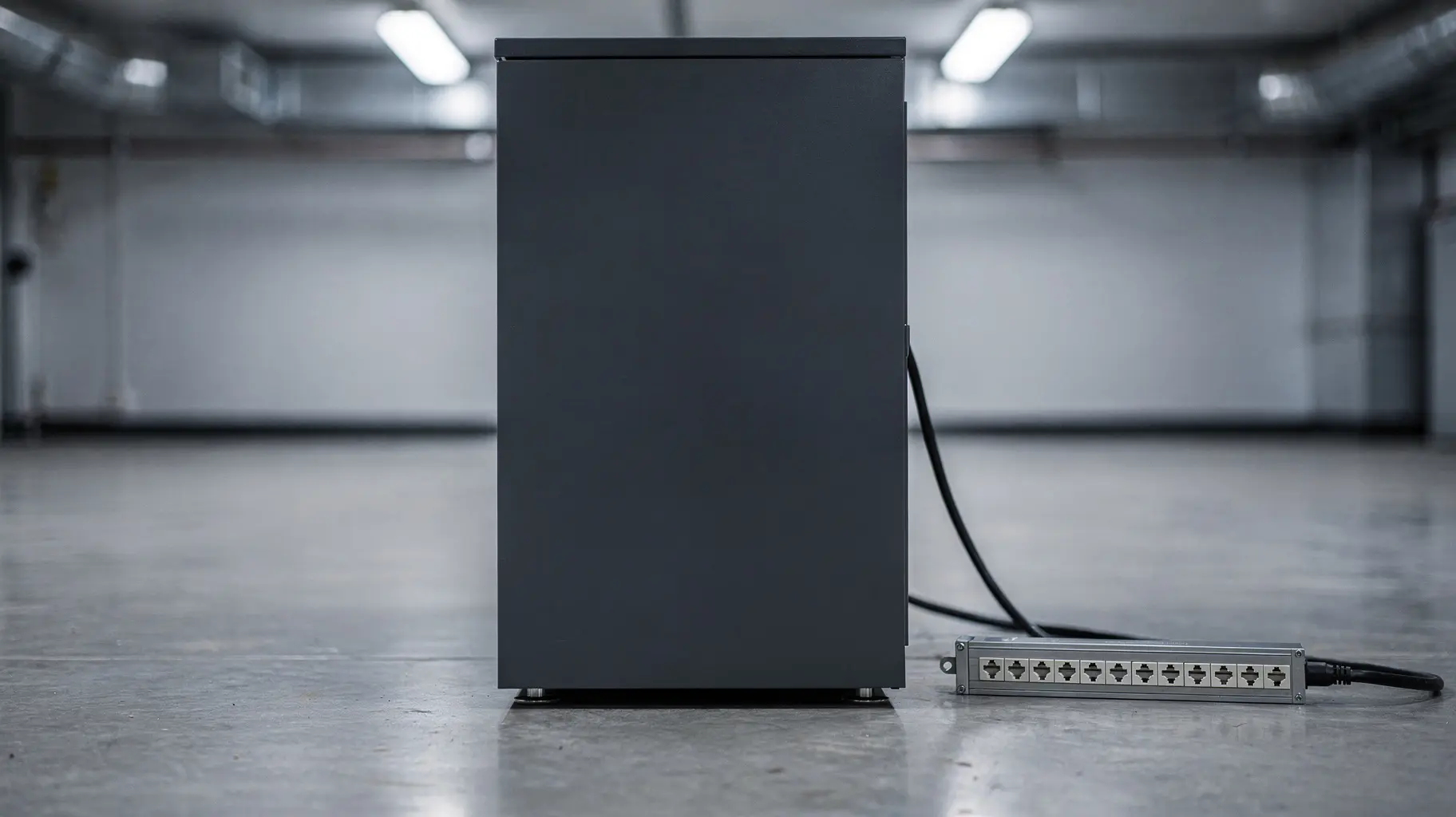
The Word Starts at 300 Kilowatts. The Operator Prints a Socket.
A German statute made "data centre" a word with a number inside it, and the number is one only the operator can supply. A town-owned hosting company in Lower Franconia publishes the socket in a rented cabinet and says nothing about the building behind it. That gap is the…

Europe and Middle East Cloud Services
Hetzner's €0.50 address has a 26-day month
Hetzner prints the same Primary IPv4 twice: €0.0008 an hour and €0.50 a month. Divide one by the other and the monthly figure arrives after 625 hours — 26 days and an hour, shorter than February. The sentence that limits what a Hetzner bill can reach is written about the server.…
Europe and Middle East Cloud Services
Three Microsofts, one /15, and no document that joins them
Three Microsofts, one /15, and no document that joins them intelligence summary explains the development, the public evidence available to readers, the organisations involved, the regional context, market exposure, and the infrastructure consequences that may follow. The Europe…

Europe and Middle East Institutional
One letter, 93 sites, more than 70 nodes: the root system's counting problem
Netnod has operated i.root-servers.net since 2000. Ask how many root servers that comes to, and the documents answer in three units — letter, site, node — that were never built to convert into one another.

Europe and Middle East National Telecom
The Register Moved in November. The Addresses Moved in December.
Vodafone GmbH's entry in the RIPE NCC member directory still sits behind a web address that reads kabeldeutschland. Its legacy cable network still prints a Berlin contact point that belongs to a company name the register retired years ago. And at a single Düsseldorf address, two…
Europe and Middle East Institutional
Twenty-four pairs at 26 Tbps make 624 exactly. The cable has 28.
Alcatel Submarine Networks put a per-pair capacity, a pair count and a system total inside a single press release on 16 October 2025. Multiply the first two and the third falls out exactly. Then read the next sentence: the system described in that release carries four more pairs…

Europe and Middle East National Telecom
Two ledgers, one missed engineer, no joining row
The engineer does not arrive. In the United Kingdom that failure starts two clocks, opens two ledgers and ends in two payments — £56 to a communications provider on one product, if it asks in writing within ten working days, and £32.31 to the household without anyone asking at…

Europe and Middle East National Telecom
stc's 9.9% of Telefónica Has Worn Four Different Bodies
One number, announced once and filed four times. Between September 2023 and February 2025 the Saudi operator's Spanish position was economic exposure, then a ministerial permission, then delivered shares — and since the delivery it has been a put/call over the whole thing.

CASE FILE
Nineteen owners, two at the cap, and no share needed to connect
The Milan Internet Exchange is a company, not a club. Its owners are nineteen companies whose holdings the statute caps at 15 per cent of capital, and the test for a network that wants a port asks for legal authorisations, an independent internet connection and a public AS…
Europe and Middle East Datacenter Trends
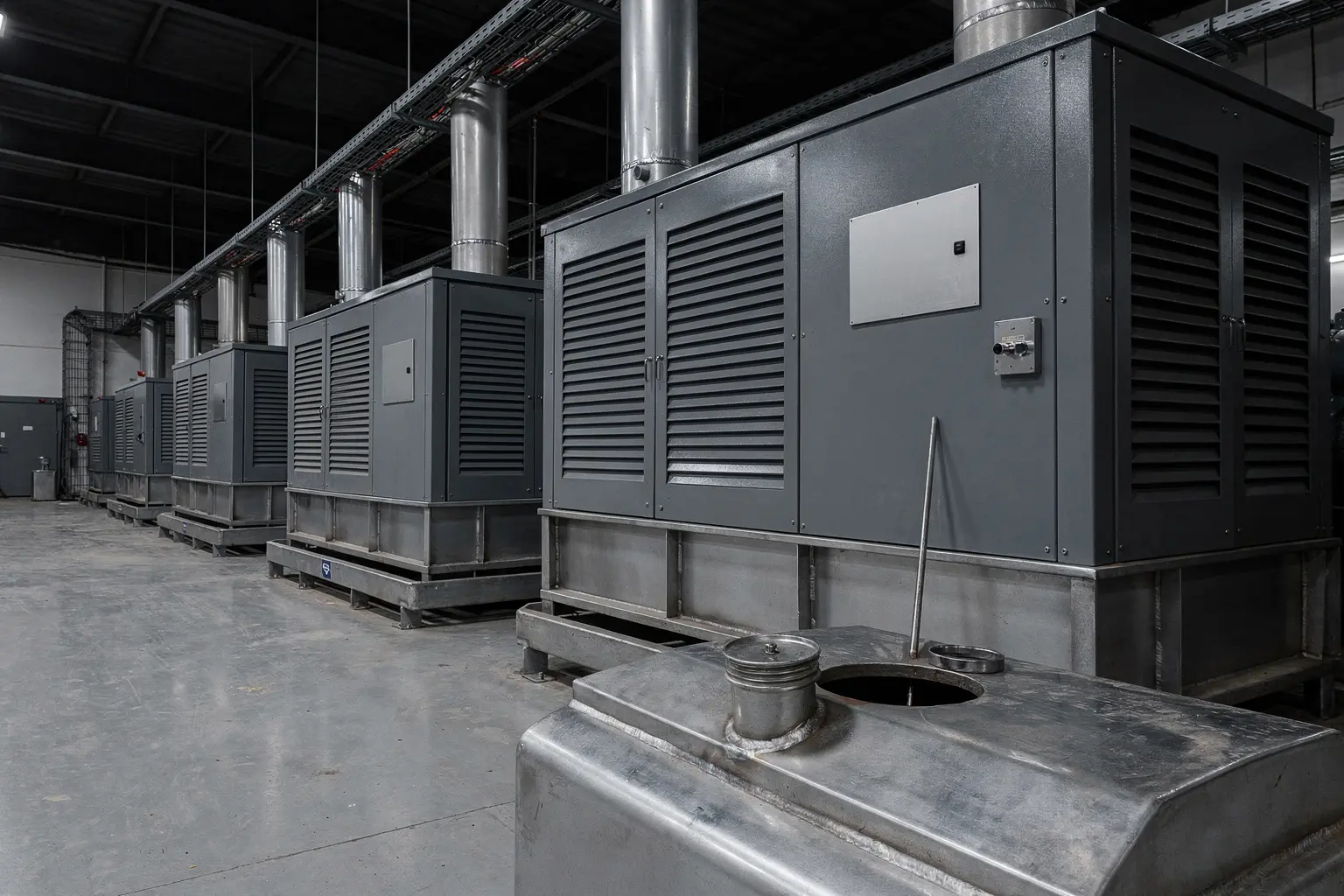
Two hundred hours a year, forty-eight hours of fuel
Ireland's environmental regulator licensed a Microsoft data-centre campus with ninety-five diesel generators, and the permit counts the hours they may burn. The hours they can actually run on the fuel they hold sit in the applicant's own report, qualified to 75 percent of…

Europe and Middle East Regional ISP
CityFibre Prints the Homes Passed. Its Debt Test Counts the Homes Connected.
A fibre builder sells one number to the market and lives with another. CityFibre's audited accounts put premises passed, premises available to order and consumer connections in a single table on a single date, and then leave the ratio between them to whoever bothers to divide.…
Europe and Middle East Institutional
A Year of Freeze, No Clock on the Judgment
A .de domain is transferable by default. The exception is a single entry in the registry's contract, and the clause that creates it asks for credibility, not proof. DENIC can stop a name from changing hands for a year before any court has said who is right.

Europe and Middle East Institutional
SwissIX sells the same port twice, and only one of them votes
Two lines on SwissIX's fee page are the same price for the same hardware: CHF 400 a year, one 1G BGP port, the 1G service included. One line is sold to a member of the association, the other to a entity who is not one. The only difference the page prints between them is the seat…

Europe and Middle East Institutional
72 hours for the regulator, no number at all for the people whose data leaked
Europe's breach-notification rules are almost always described as one duty with a deadline. They are two limbs, kept apart on purpose, and only one of them carries a number. The French enforcement record shows what that separation produces.
CASE FILE
The port costs £70 a month. The register of members is not published.
London Internet Exchange publishes the document that decides who may join, what a member must keep doing once in, and what a port costs to the pound. On 19 November 2026 the register all of those instruments point at answered with a cookie banner.