
Primary Domain
Internet Infrastructure
Within the Primary Domain facet, Internet Infrastructure intelligence groups reporting by primary domain so readers can follow a focused area of internet infrastructure, governance, connectivity markets, or digital capital. The page brings together related articles, public evidence, institutions, companies, people, regional exposure, operating dependencies, and market context that may otherwise sit across separate category pages. It explains the domain, the likely actor class, the market or governance context, and the source material readers should use when comparing signals. Operators, analysts, and governance readers can see how the same domain appears across events, profiles, market shifts, public-source evidence, regional dependencies, and longer-cycle infrastructure decisions over time.

History
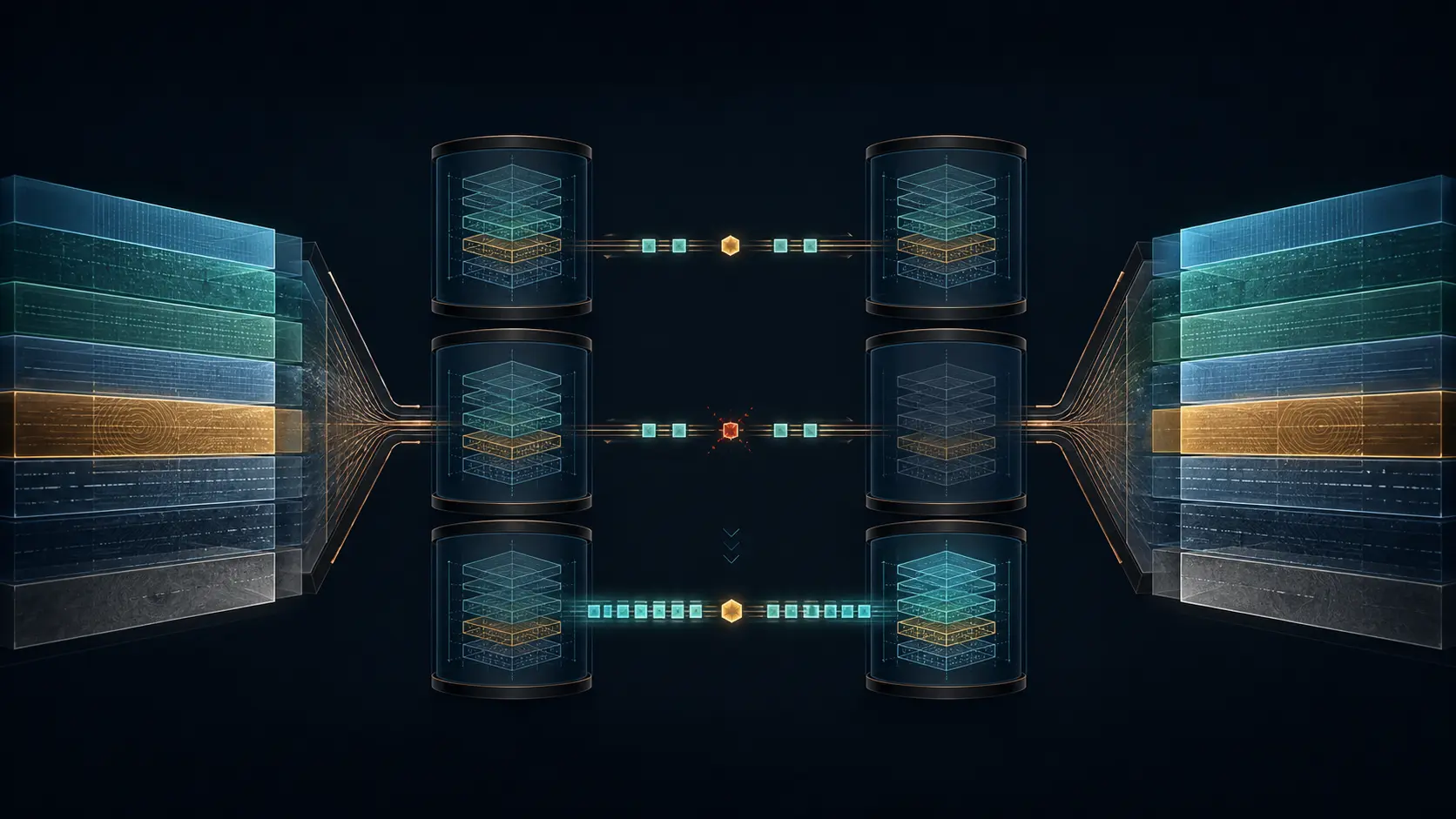
The Name the Connection Could Not Carry: Why HTTP Needed Host
TCP reached an address and HTTP named a path, but a shared server still lacked the site name the user chose. HTTP/1.1 made that authority explicit in `Host`.
History
The Header That Disappeared Between Packets
RFC 1144 made a 40-byte TCP/IP header nearly vanish on slow serial links by letting adjacent endpoints remember shared state and send only changes.

History
The Line That Looked Like the End in SMTP
SMTP ended unknown-length mail with a one-period line. Dot stuffing made that sentinel reversible; CHUNKING later moved the boundary to exact octet counts.

History
Permission Was Not Acceptance: Why HTTP Added 100 Continue
HTTP 100 Continue let a server reject from headers before a large body crossed the network, while keeping interim permission separate from final acceptance.

History
The Silence That Wasn't a Failure: Why TCP Keepalive Stayed Optional
An established TCP connection can say nothing for hours and still be correct. Keepalive was the attempt to question that silence without pretending to understand it: send a probe likely to provoke an ACK, collect bounded evidence, and leave the application responsible for…

History
Who Opened TCP's Window Too Soon? The Cost of Immediate Permission
An early TCP receiver could publish every byte of newly freed capacity, and a sender could consume each offer at once. That openness looked exact and cooperative. Repeated quickly, it made the connection spend most of its effort on tiny packets. The historical repair assigned…
Global Institutional
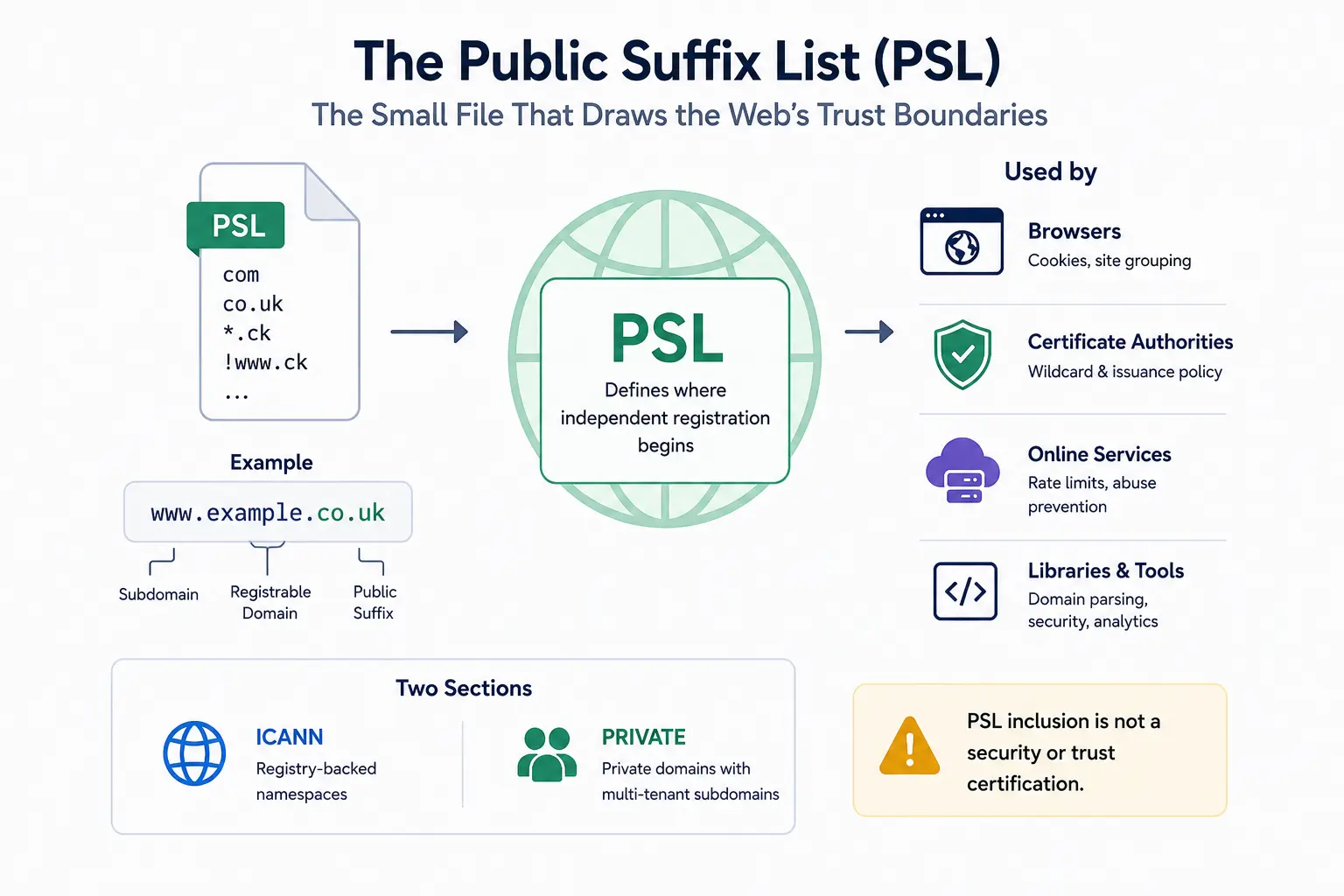
Public Suffix List: The File That Draws Web Trust Boundaries
DNS can show that shop.example.co.uk sits beneath co.uk; it cannot tell a browser where independent registration begins. The Public Suffix List supplies that missing policy map. A volunteer-maintained text file now informs cookies, site grouping, certificates and service limits…

History
The Window Update That Could Vanish: Why TCP Learned to Persist at Zero
A TCP receiver can say “send nothing” and remain healthy. The harder problem begins when it later says “continue” in an ACK that may disappear. TCP's persist mechanism turned that fragile permission into a recoverable conversation, while leaving the application—not a transport…

History
The Verdict UDP Withheld: Who Owned the Risk Behind Zero?
In UDP, zero was not a favourable checksum result. It was a notice that the sender had withheld the verdict. The history from IPv4 to IPv6 is therefore about more than arithmetic: it asks who may remove shared evidence, and when the party saving the work must also own the…

History
When Both Ends Called at Once: Why TCP Simultaneous Open Was Not a Collision
The familiar TCP handshake casts one endpoint as caller and the other as listener. TCP's original design was less hierarchical. If two processes called each other at once, their SYNs could cross, both stacks could change role without asking a coordinator, and one connection would…

History
The Price of Tolerance: How Receiver Leniency Turned Bugs into Protocol Law
The Internet's most famous rule for imperfect software began as a way to keep unlike implementations talking. Its receiver absorbed ambiguity so the network could start. Kept forever, the same bargain hid defects, made quirks contractual and charged every future implementation…

History
The Pointer That Was Never Out of Band: How TCP Urgent Split from Its Own Stream
TCP offered applications a way to interrupt ordinary processing without creating another connection. The wire carried one ordered stream and a pointer into it; decades of software turned that boundary into a mythical side channel, then made the myth too widespread simply to…

History
The Message the Internet Learned to Ignore: Why ICMP Source Quench Lost Its Authority
The early Internet allowed an overloaded gateway to send a separate command telling a distant source to slow down. Three decades of operational evidence reversed that bargain: congestion still required feedback, but a bare ICMP order no longer deserved the power to change a…

History
The Sum That Had Two Zeros: How the Internet Checksum Bounded Error, Not Trust
The Internet checksum made damaged packets easier to reject by making a deliberately small claim. Its strangest corner case—two representations of zero—shows why even cheap evidence must preserve an exact boundary.

History
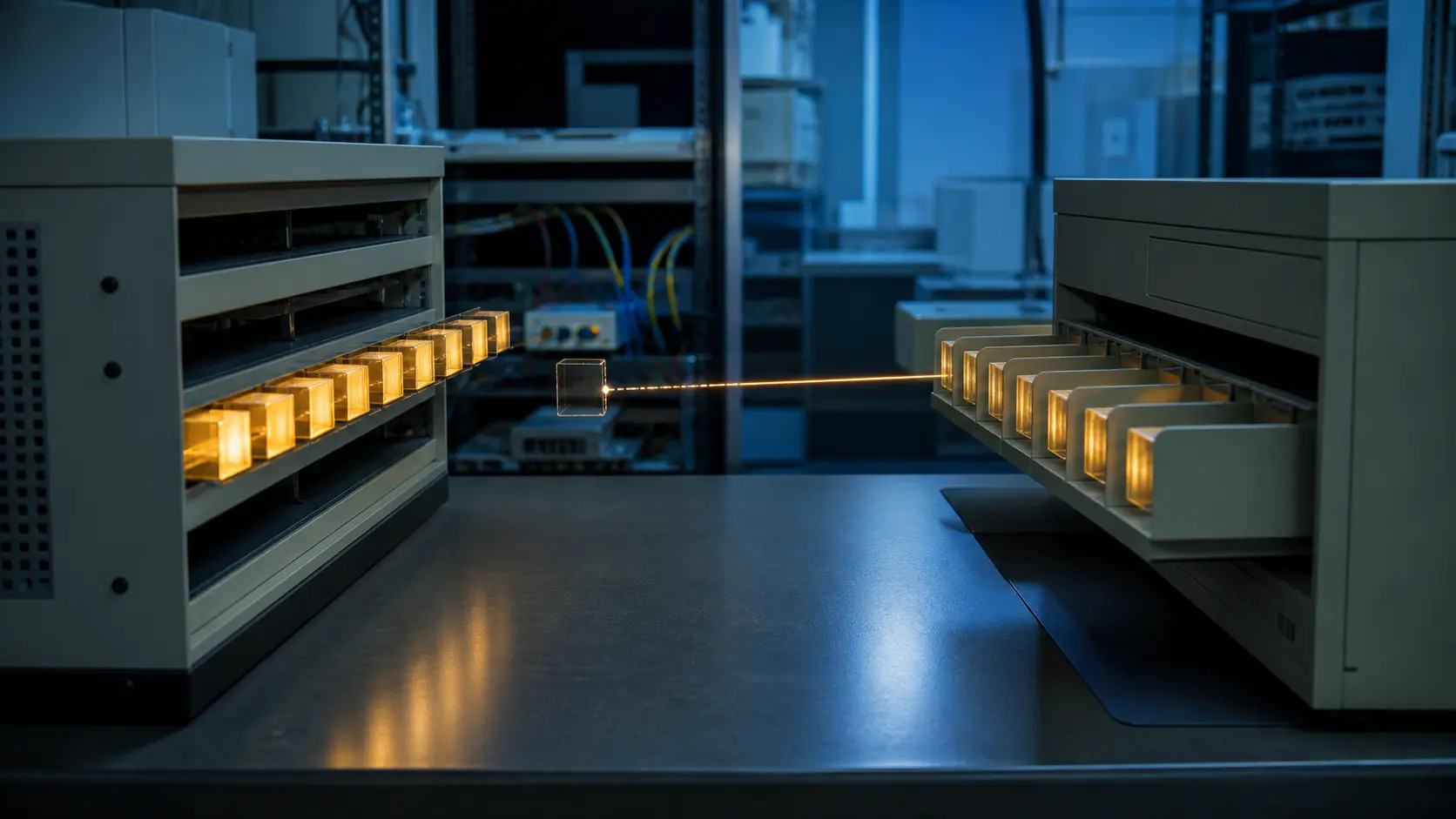
The Report the Sender Could Not Trust: Why TCP SACK Remained Advice
A TCP sender may keep a byte range in memory even after the receiver has explicitly reported it. That apparent distrust is the safeguard at the centre of selective acknowledgment: a precise observation can guide recovery without becoming a final receipt or a command.
History
The Acknowledgment That Learned to Point: How TCP SACK Made Loss Visible
TCP's original acknowledgment could certify an unbroken prefix of a byte stream, but it could not describe the islands waiting beyond the first gap. Selective acknowledgment added a small map of those islands while leaving the sender—not the receiver—in charge of repair.

History
The Router That Pointed Sideways: How ICMP Redirect Stayed Local
ICMP Redirect let a gateway reveal a better local next hop without becoming a routing authority. Its power ended at the host that had just used it.

History
The Number That Became Newer After Zero: How DNS Ordered Versions Without a Clock
At the edge of a 32-bit counter, DNS asks operators to accept an apparent impossibility: zero may be newer than 4,294,967,295. That rule let independent name servers agree on version order without sharing a clock, but only inside a deliberately bounded window.

History
The Zone That Knocked: How DNS NOTIFY and IXFR Cut Staleness
DNS once made every secondary wait before learning its authority was stale. In 1996, NOTIFY delivered the knock and IXFR carried only the edit.
History
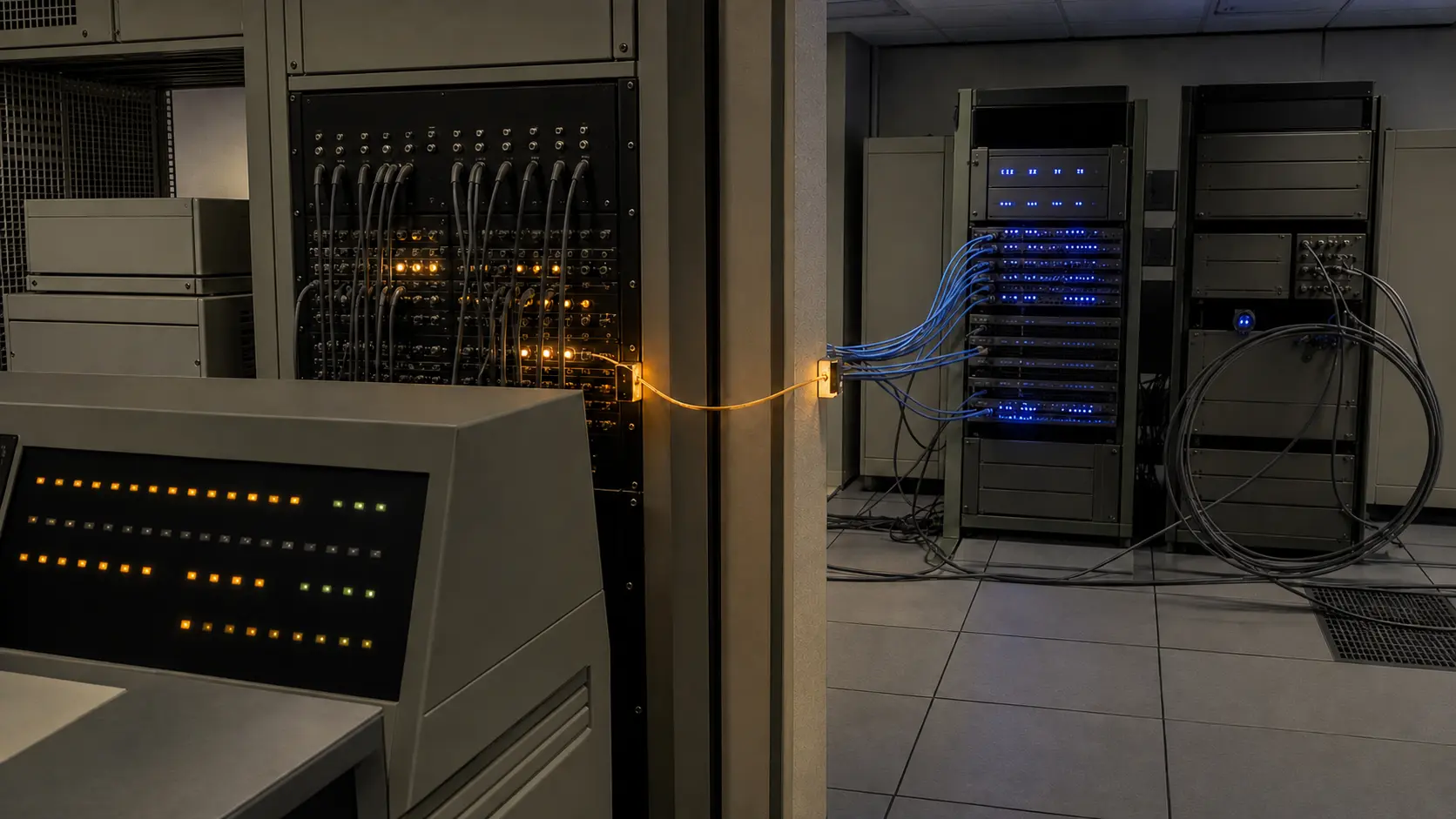
The Address You Needed DNS to Find: How Glue Broke the Delegation Loop
A DNS referral can name the server that knows the answer and still leave a resolver unable to reach it. Glue was the small, deliberately non-authoritative exception that let the resolver cross that gap without giving the parent zone control over the child's facts.