
Primary Domain
Internet Infrastructure
Within the Primary Domain facet, Internet Infrastructure intelligence groups reporting by primary domain so readers can follow a focused area of internet infrastructure, governance, connectivity markets, or digital capital. The page brings together related articles, public evidence, institutions, companies, people, regional exposure, operating dependencies, and market context that may otherwise sit across separate category pages. It explains the domain, the likely actor class, the market or governance context, and the source material readers should use when comparing signals. Operators, analysts, and governance readers can see how the same domain appears across events, profiles, market shifts, public-source evidence, regional dependencies, and longer-cycle infrastructure decisions over time.

History
The Voice File’s Boldest Claim: That Sound Wasn’t There
In 1986, a voice recording needed a passport to travel between unlike computers. One field on that passport made a peculiar promise: a marked button tone was guaranteed absent. An unmarked tone might be present—or nobody knew. Silence had a bit; uncertainty had one too.

History
The Internet Offered Six Passwords. The Seed Held the Vote.
In 1986, an Internet host could ask another machine for six pronounceable passwords and let a human choose one. The menu was charming. The machinery behind it had a harder job: keep the random seed from making the same charming choices again.
History
The File Arrived. Four Bits Stayed Home.
A file can reach the other computer without bringing all of itself. In 1984, one proposed transfer protocol offered three perfectly respectable ways to ship a page from a 36-bit machine. One carried text, one carried bytes, and one carried every bit. The difference was hiding in…

History
One Letter, Forty Bytes of Luggage
The 1984 personal computer could afford a modem. It could even afford a place on the Internet. What it could not afford, at 1200 baud, was the paperwork following every keystroke. RFC 914 counted the bytes, then offered three ways to make the luggage lighter. Each moved the…

History
The Spreadsheet Came by Email. The What-If Came With It.
In 1984, researchers were designing mail that could carry a spreadsheet as more than a picture of neat little boxes. Send the model along with the numbers, they argued, and the recipient could change an assumption and watch the conclusion move. The ambitious part was inside the…
History
The Server Asked What Screen You Brought. The Screen Had Three Answers.
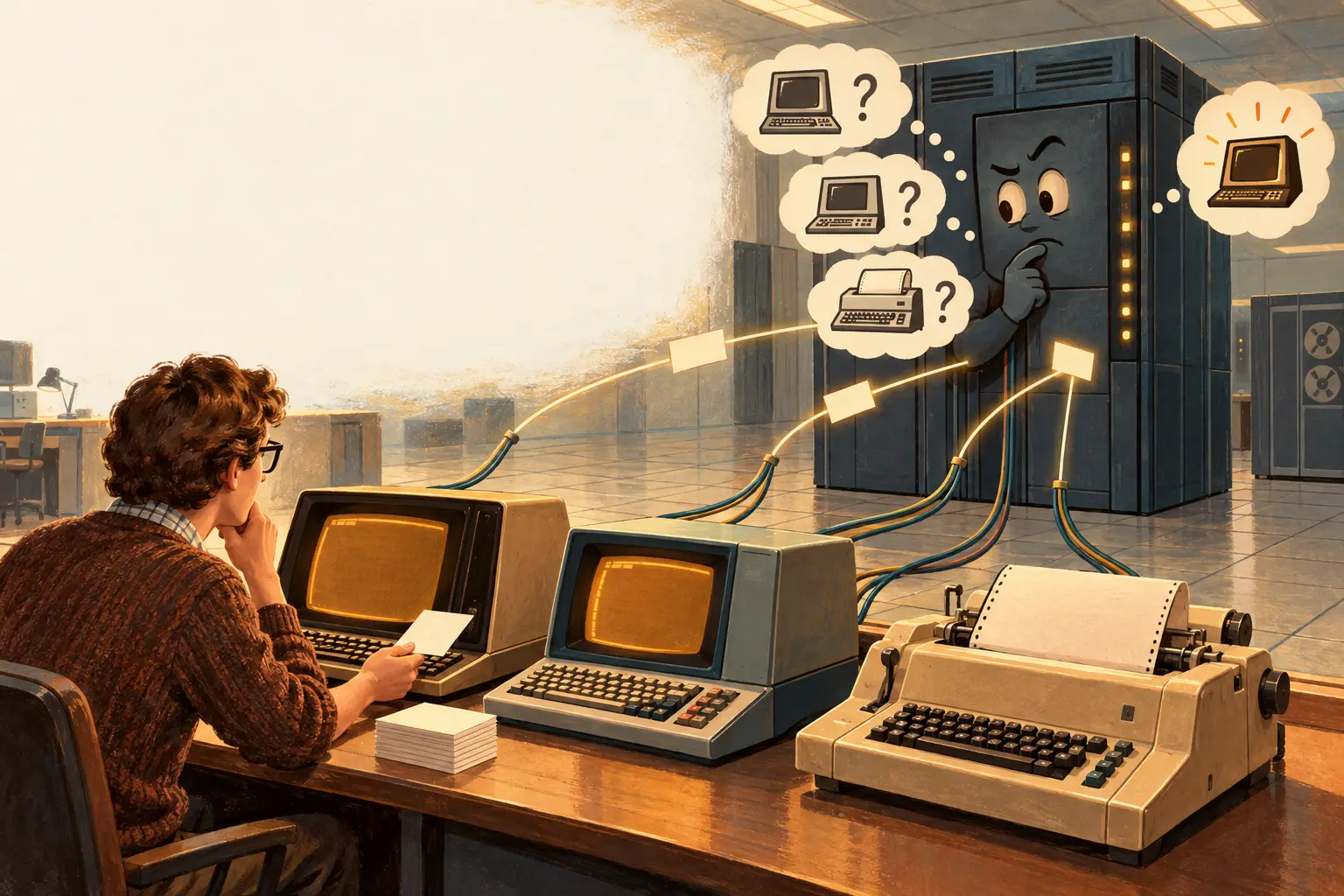
In 1983, a remote computer could talk to a terminal while remaining blissfully ignorant of its screen. Telnet had a common dialect for that. If the host wanted a cursor to move like a cursor, though, it needed the machine's name—and sometimes its second or third name too.
History
The Host Table Said SMTP. The Socket Said No.
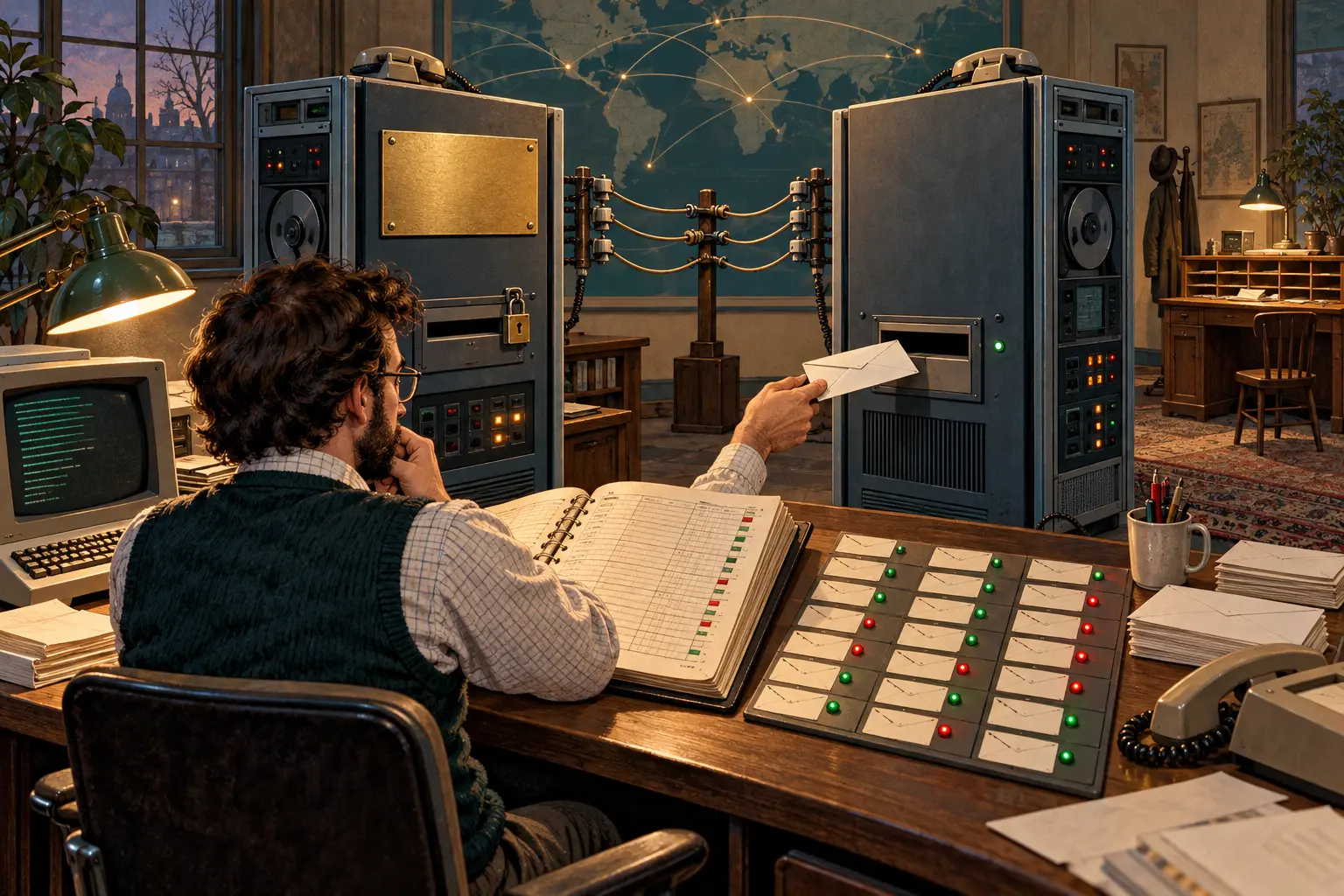
In 1983, the Internet's host table listed machines that claimed to speak SMTP. D. Smallberg called them from two networks and found 49 advertised mail servers that opened neither connection. Fifty-one machines made no such claim yet opened a connection anyway. The table was a…

Story
APRICOT's January deadline may arrive after the stage is full
APNIC's blog announced the 2027 call on 27 October. Its final date is 25 January, but the programme committee fills speaking slots as proposals arrive. The calendar gives a deadline; it does not hold a chair.

History
The Whole Internet, Down by the Clock
In 2004, AnalogX put an Internet performance reading in the Windows system tray. The more interesting move was giving the person staring at it a way to test the network from home.

Story
The Route Cut Latency in Half. Throughput Went the Other Way.
At RIPE 93, Petya Vasileva showed why a new path is only half the incident report: the WLCG/OSG mesh joins route changes to delay, loss and throughput before a NOC decides what actually broke.

History
The Server Rejected Your Typo. Your Keyboard Kept Talking.
In 1983, a TELNET server could reject a command while the user's next keystrokes were already waiting in buffers across the connection. Those innocent characters might become the next bad command. RFC 860 gave the two ends a way to mark the point where old type-ahead ended and…

History
Your Formula Is Unavailable. Try Another Letter.
In 1998, the website that became MathWorld made groups of entries disappear according to their first letters. A printed book had acquired a very odd sales assistant.

Story
ARIN’s RPKI Guest List Grew 27%. One in Seven Hosted Accounts Still Has No ROA.
ARIN counted 9,673 organizations in its RPKI service by 30 September. Its own update puts the real adoption question one click later: about one in seven Hosted RPKI organizations had not created a single Route Origin Authorization. The account is open. The route is still waiting…
History
The Periodic Table Got a Makeover. The Errors Came Along.
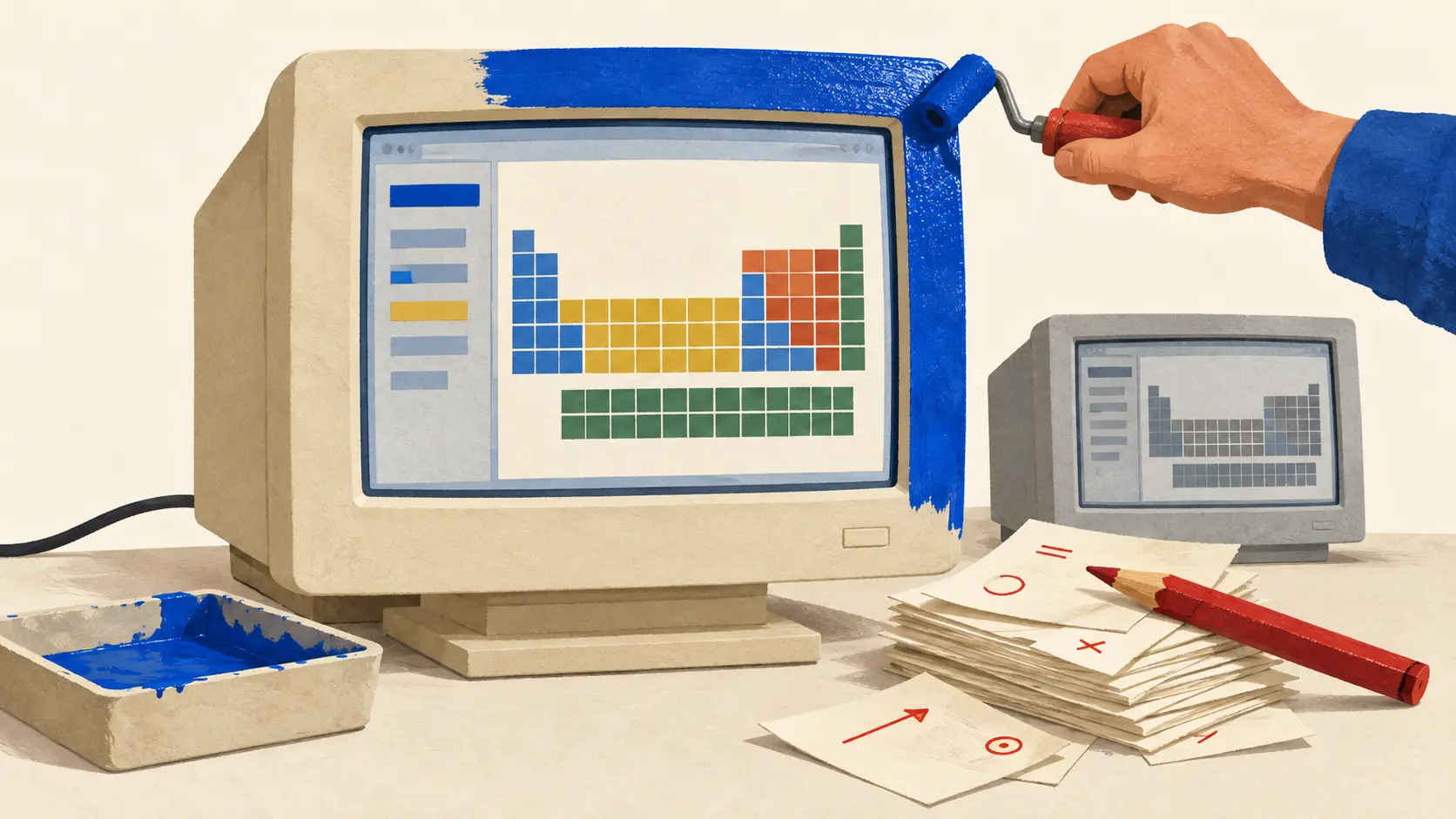
WebElements' January 1997 beta offered a smarter web interface and an unusually candid release note: the reported chemistry mistakes were still waiting for their turn.
History
One Slow Message Held the Whole Host Hostage
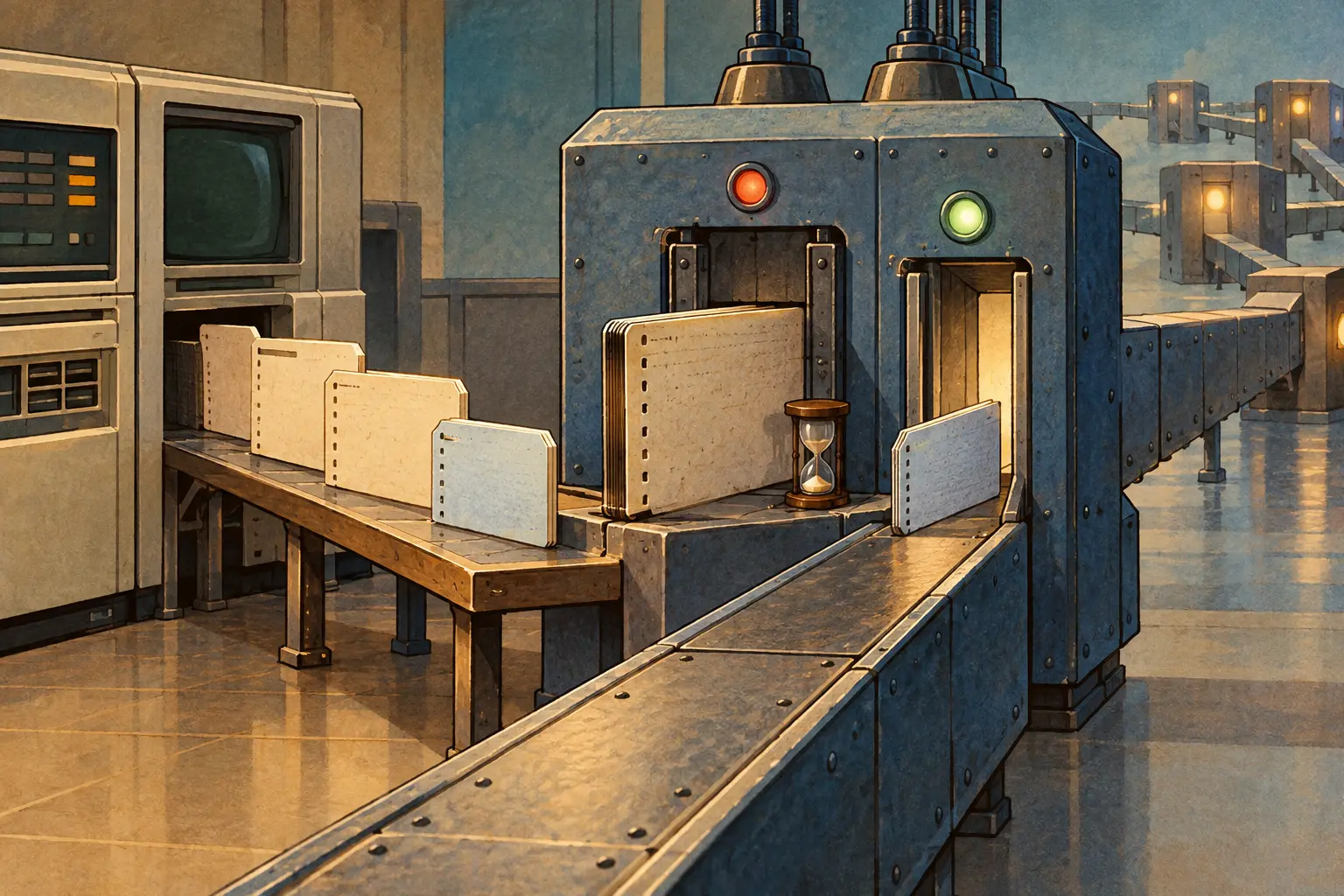
The ARPANET could make a computer wait as long as fifteen seconds after offering one difficult message to its IMP. Every other message from that computer waited at the same closed window. In 1983, RFC 852 proposed a two-second exit—with a bill for the host's software to pay in…
History
Washington Stamped the Message. The Internet Filed a Copy.
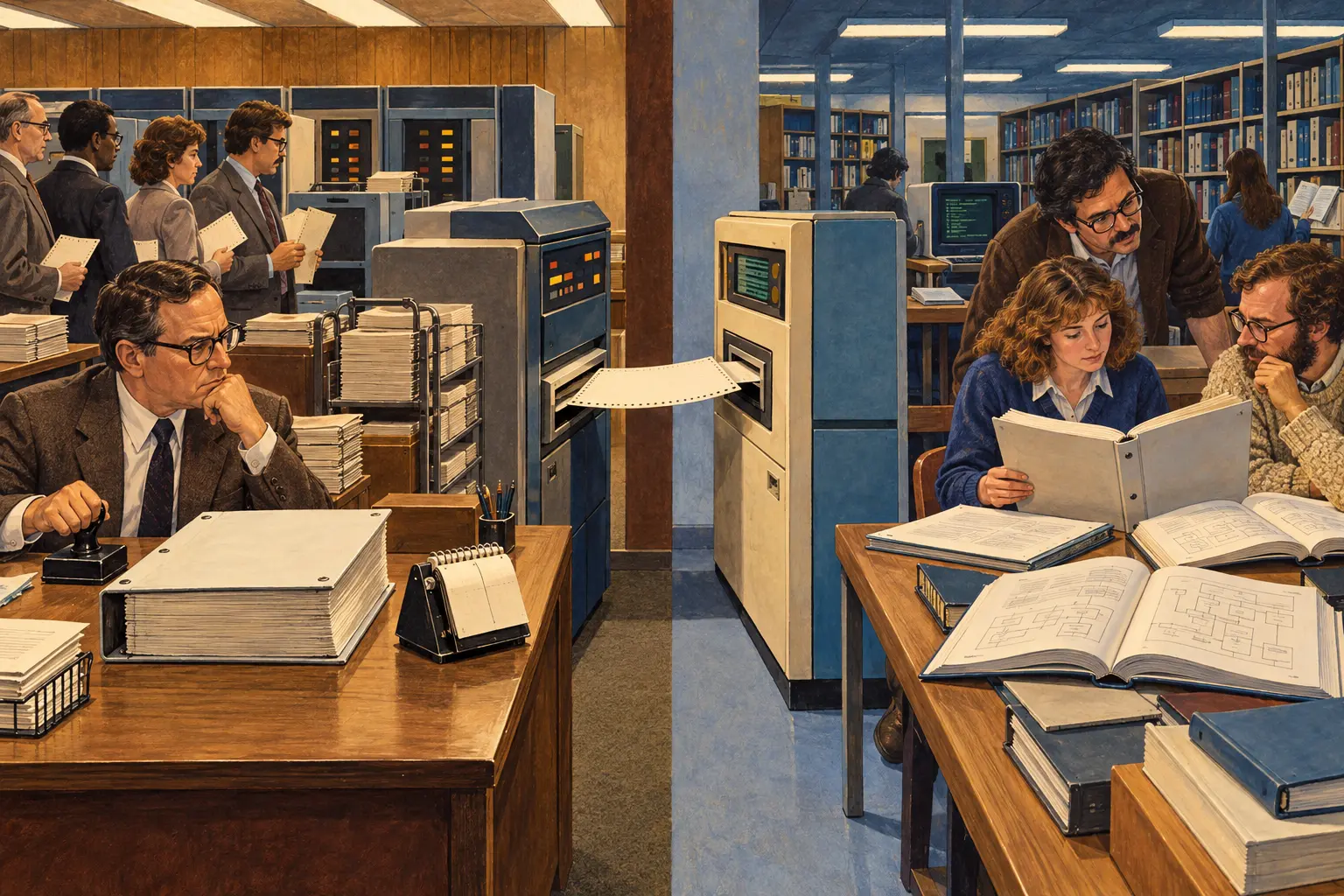
The same 1983 document sat on two desks. On one, it told covered federal buyers when their message systems had to exchange a common format. On the other, it arrived as RFC 841 for researchers to read. The stamp travelled through the archive; the procurement authority stayed at…

History
Even Your Mailbox Needed a Holiday
Postcrossing sent strangers' postcards around the world. Then it had to teach its website that the person at the other end might be at the beach.

History
The Fax Machine Hung Up on the Internet
UCL's experimental fax could talk to a computer that looked like a telephone line. Then the network slowed down. The machine took the pause personally, quit halfway through the page, and forced the engineers to put a disk between each impatient machine and the slower journey.

Story
A Routing Oracle Went Two Decades Without Tests. RIPE NCC Finally Gave It Some.
RISwhois has answered routing questions in WHOIS clothing since 2003. Its new successor adds the maintenance habit the old service lacked: a test suite, a Rust implementation and data refreshes every hour.
History
The Internet Put a Second Floor on the Right Side of @
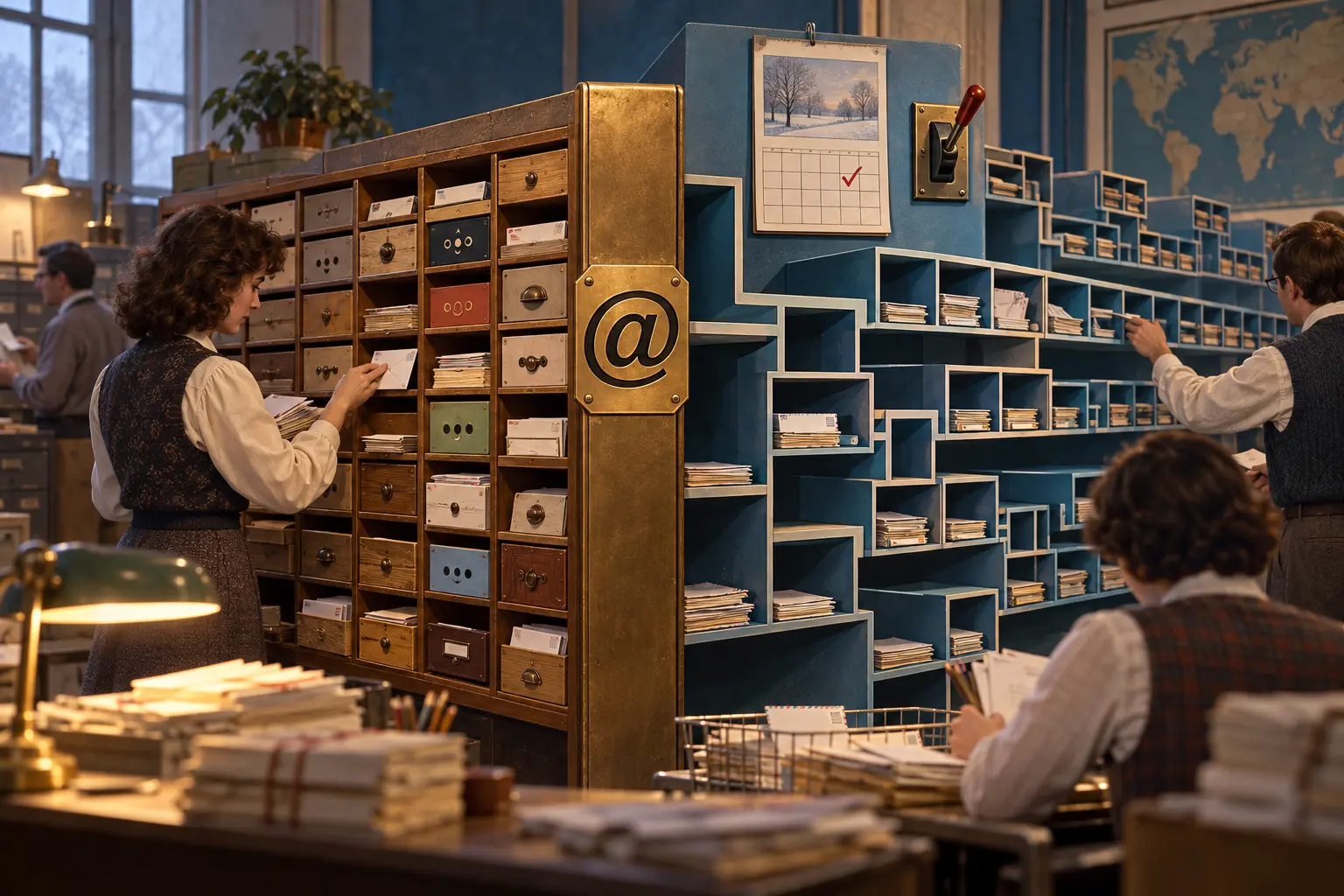
The left side of a mail address was already somebody else's house. In January 1982, engineers considering a bigger Internet decided to build the new rooms to the right of `@`, then had to work out when the mail carriers could safely use the new address.