
Content Type
Briefing
Within the Content Type facet, Briefing intelligence gathers BTW.MEDIA articles that share the same editorial format, helping readers compare briefings, profiles, risk notes, market analysis, and event coverage without mixing different kinds of evidence. The page explains how this content type frames internet infrastructure events, company movements, governance decisions, operational signals, and public evidence across the site. Readers can compare which actors or infrastructure systems appear most often, how source quality changes interpretation, and whether the material is a durable profile, a time-sensitive event, a strategic market signal, or a governance development. The result is a useful search page for operators, investors, customers, analysts, and policy stakeholders who need to understand the consequence, timing, and evidence behind similar article formats.
Asia-Pacific National Telecom Trends
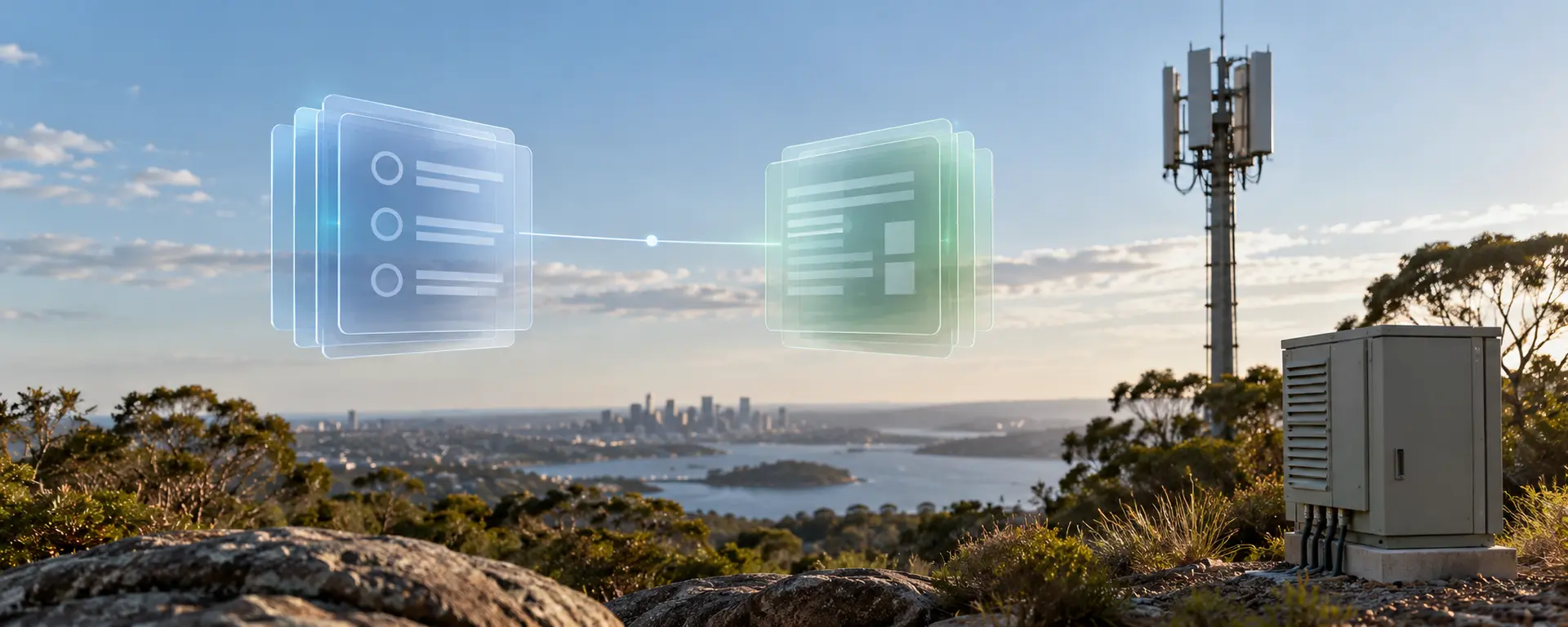
ACCC wants to see the bill behind the broadband deal
A plan's advertised price is only part of the story. Australia's proposed telecom reporting rule would connect it to individual service records—and let the regulator follow changes without asking for customers' names.

Leaders
Olga Cavalli's Seats Were Never the Question — the Rule Layer Was
A first-person statement from 2010 records two governance affiliations. The instruments that would tell us what either seat could decide are a set of annexes and a page that would not load — and that asymmetry is the story.

Europe and Middle East Cloud Services Trends
A Yandex.Cloud stream stopped. The customer still received familiar bots.
Cloudflare's account of the October outage contains two very different losses: search crawlers stopped arriving, while a suspicious stream changed hosting networks. Following the requests reveals what the traffic charts alone cannot.

Asia-Pacific National Telecom
Vodafone Idea needs a better network before the bigger bills arrive
Customers are returning and network orders are in. The harder part is paying for the recovery while spectrum instalments climb. A funding announcement alone cannot tell us whether that timetable works.

IETF
When monitoring becomes another burden on the network
Network managers do not always need another complete download. Two workstreams now share a December submission target: improving YANG-Push and making large lists easier to retrieve in pieces.

ICANN
ICANN moved the meeting. The public still cannot see the spending limit.
The destination changed from Muscat to Bali; the dates stayed put. The decision explains who approved the move, but leaves two different bills difficult to compare: ICANN's contracts and entities' journeys.

Africa National Telecom Trends
KaliteNet can test your connection. Choosing the next one takes more.
Mauritius now has a public broadband-testing platform and a date for annual reports. The useful question is how a result on one phone becomes advice that another household can trust.
CASE FILE
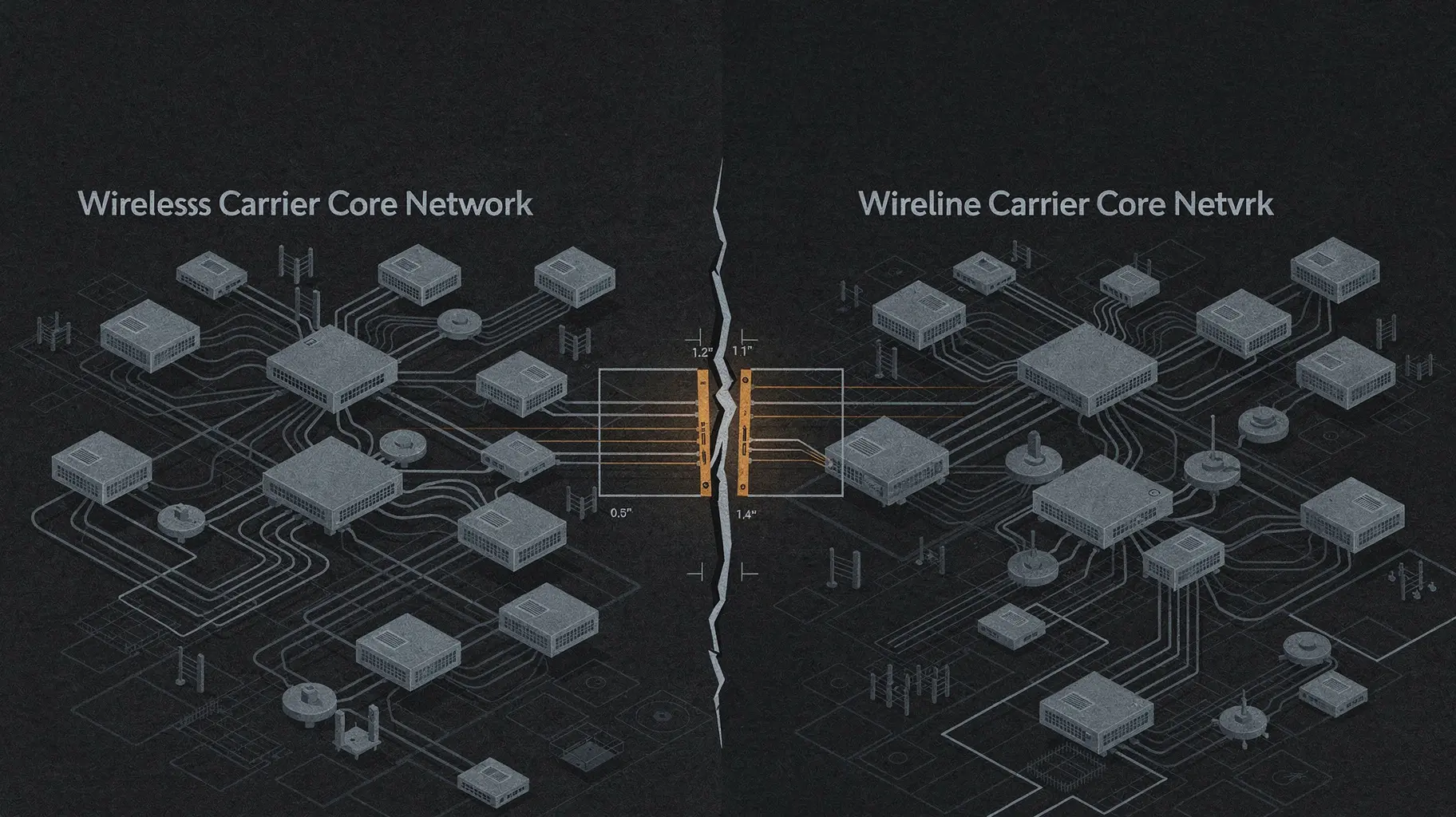
Rogers has a four-hour outage test to show. What did it prove?
A July 2026 filing changes the story of Rogers' recovery from its national outage. There is a dated exercise, and a reported success. The harder question lies inside the parts of the report the public can read.
North America National Telecom Trends
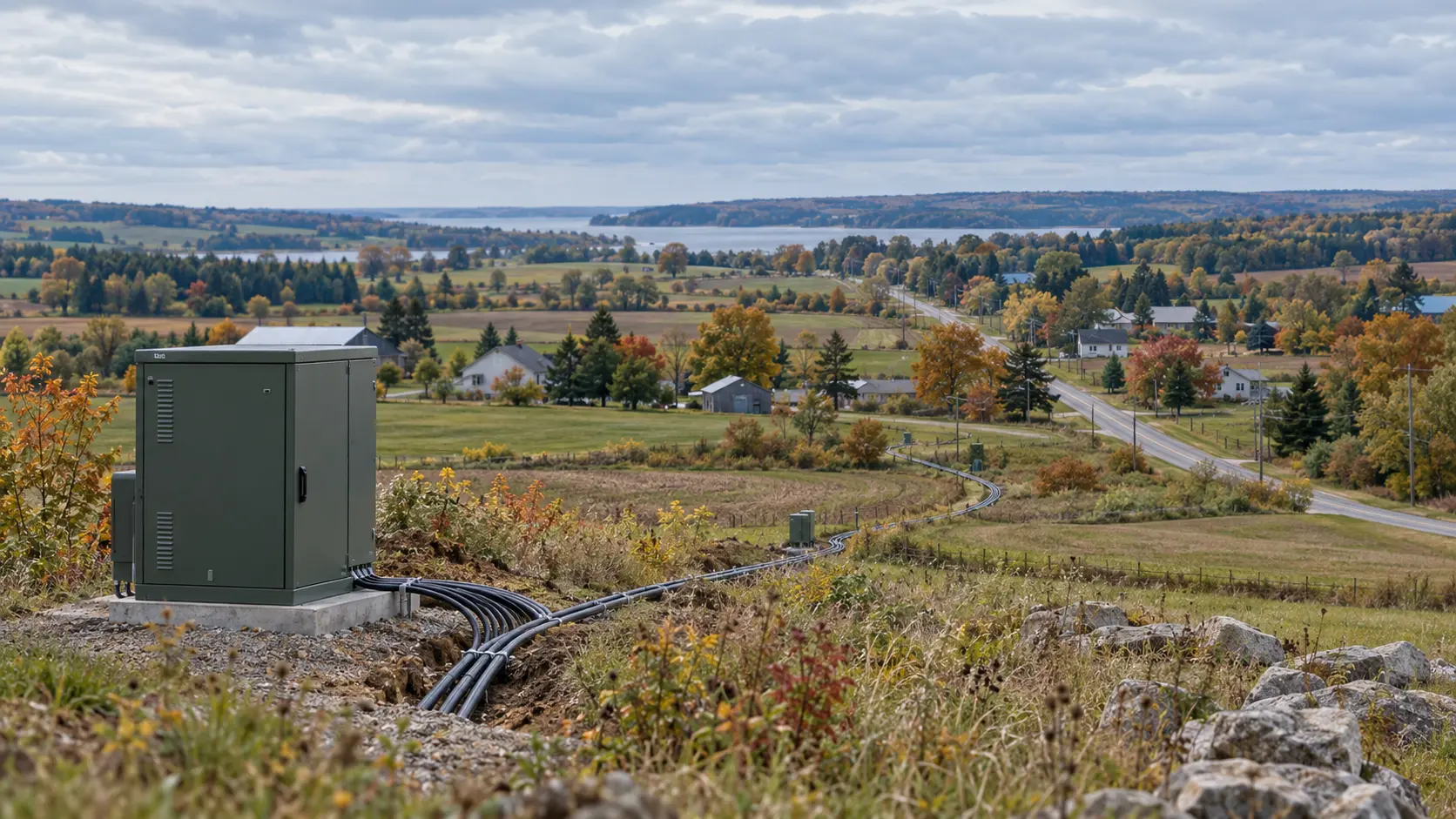
SWIFT built the fibre. Who gets to sell a service over it?
Thousands of interconnection points and a public stake in the infrastructure sound like a recipe for competition. A Canadian ruling shows why the ingredients still need putting together.

Africa National Telecom Trends
Congo's digital plan has approval. What happens after the meeting?
The steering committee can help ministries work together. Its next challenge is less photogenic: turning agreed tasks into services people can actually use.

CASE FILE
When one commissioner can speak for the SEC
An empty seat and a commissioner barred from one case are different problems. A new SEC rule brings them closer together—and a petition asks who will be able to check the result.

Europe and Middle East National Telecom Trends
Europe's telecom passport leaves someone else to read the rulebooks
A telecom operator could receive its European passport in a week and still lack the spectrum needed to serve a customer. The proposal's value depends on whether that quick reply makes the remaining work clearer.

Asia-Pacific Datacenter
HKIX has the traffic. Does it have the connection you need?
A busy exchange is reassuring. But its traffic graph cannot tell a network buyer whether the right counterpart is reachable on the right terms.

CASE FILE
The company wants a faster vote. Its shareholders may need the time
Getting a deal approved sooner is an attractive promise. The SEC's proposed shorter timetable raises a less comfortable question: can the people expected to vote finish their preparations just as quickly?
Latin America and Caribbean National Telecom Trends
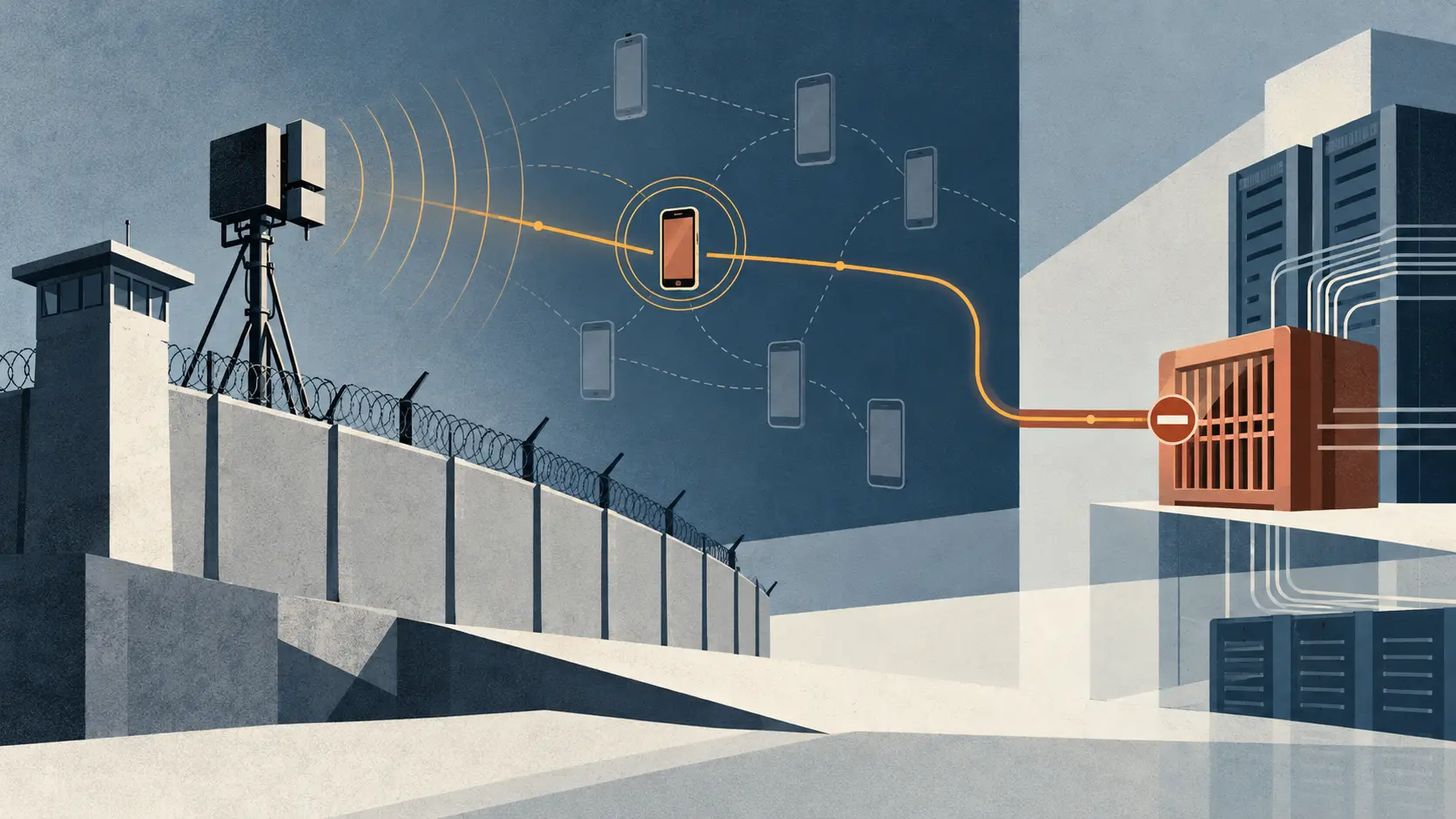
Brazil can cut a prison phone's mobile access before officers seize it
Rio's first operation under a new administrative procedure produced an official tally of 143 blocked devices. The next question is what happens between identifying a handset, restricting it and correcting a mistake.

Asia-Pacific National Telecom Trends
Indonesia's public mobile network needs a successor, not just an end date
Calling a network temporary is easy. Deciding when its users can safely move on is harder. Indonesia's mobile-broadband draft puts that question into its red-zone rules: a carrier must match or improve coverage, availability and quality before state provision ends. The existing…

Story
AFRINIC needs a host. The host needs to know how many days.
Nine meeting rooms, a large plenary hall, several connectivity sponsors: AFRINIC is quite specific about what hosting entails. Yet its invitation describes a six-day stand-alone meeting and gives it a three-day date window. That is a small gap on a webpage and a consequential one…

CASE FILE
The conviction went. Then the FCA ban followed.
The £6.5 million penalty was never imposed. The restriction on Christian Bittar's working life stayed for eight years. Now that has gone too, as the FCA withdraws four bans after the convictions behind them were overturned.

Asia-Pacific Datacenter Trends
A cooling failure can stop a payment. Singapore wants the responsibility pinned down.
Two power thresholds and a cloud-revenue test underpin Singapore's new infrastructure regime. The harder question is who can fix the systems when they fail.

Asia-Pacific National Telecom Trends
TRAI's spam rules: an identity check is not a clean slate
India's September framework gives a sender a way to challenge a spam label. It also says that passing an identity check need not erase an instance from the enforcement history. The distinction matters well beyond the warning on a phone.