
Content Type
Briefing
Within the Content Type facet, Briefing intelligence gathers BTW.MEDIA articles that share the same editorial format, helping readers compare briefings, profiles, risk notes, market analysis, and event coverage without mixing different kinds of evidence. The page explains how this content type frames internet infrastructure events, company movements, governance decisions, operational signals, and public evidence across the site. Readers can compare which actors or infrastructure systems appear most often, how source quality changes interpretation, and whether the material is a durable profile, a time-sensitive event, a strategic market signal, or a governance development. The result is a useful search page for operators, investors, customers, analysts, and policy stakeholders who need to understand the consequence, timing, and evidence behind similar article formats.

Story
AFRINIC needs a host. The host needs to know how many days.
Nine meeting rooms, a large plenary hall, several connectivity sponsors: AFRINIC is quite specific about what hosting entails. Yet its invitation describes a six-day stand-alone meeting and gives it a three-day date window. That is a small gap on a webpage and a consequential one…

CASE FILE
The conviction went. Then the FCA ban followed.
The £6.5 million penalty was never imposed. The restriction on Christian Bittar's working life stayed for eight years. Now that has gone too, as the FCA withdraws four bans after the convictions behind them were overturned.

Asia-Pacific Datacenter Trends
A cooling failure can stop a payment. Singapore wants the responsibility pinned down.
Two power thresholds and a cloud-revenue test underpin Singapore's new infrastructure regime. The harder question is who can fix the systems when they fail.

Asia-Pacific National Telecom Trends
TRAI's spam rules: an identity check is not a clean slate
India's September framework gives a sender a way to challenge a spam label. It also says that passing an identity check need not erase an instance from the enforcement history. The distinction matters well beyond the warning on a phone.
Africa National Telecom Trends
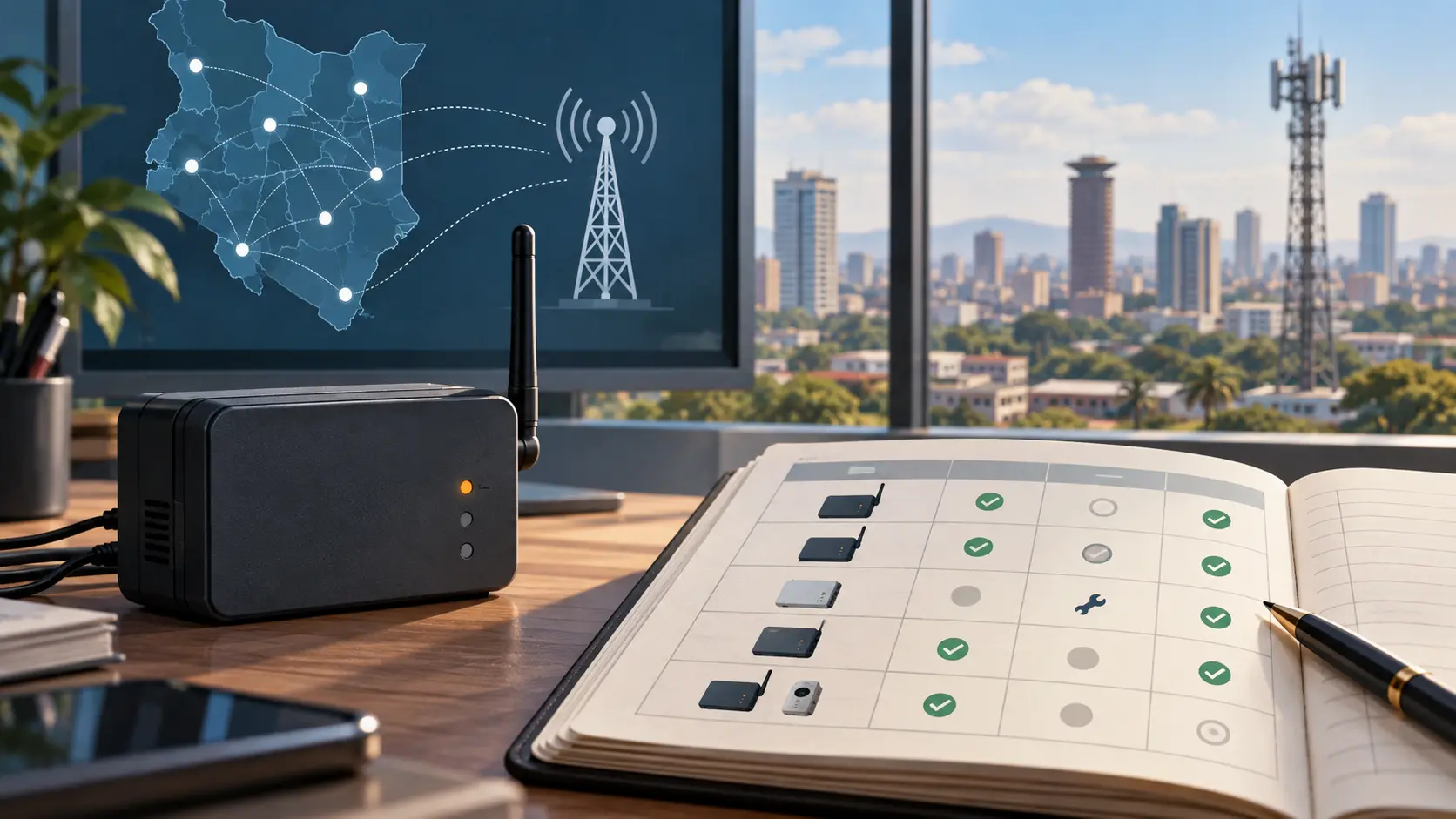
Kenya's alarm-fee proposal: why the sixth unit matters
A proposed annual rate of KES 680 sounds easy to budget for. But a five-unit billing rule would make the move from five alarms to six considerably more expensive than the headline suggests.

CASE FILE
Moving clouds is easier when the permissions come too
The CMA sees progress on cheaper cloud exits. Its next problem is less visible: moving an application without changing what its users are allowed to do.
Latin America and Caribbean National Telecom Trends
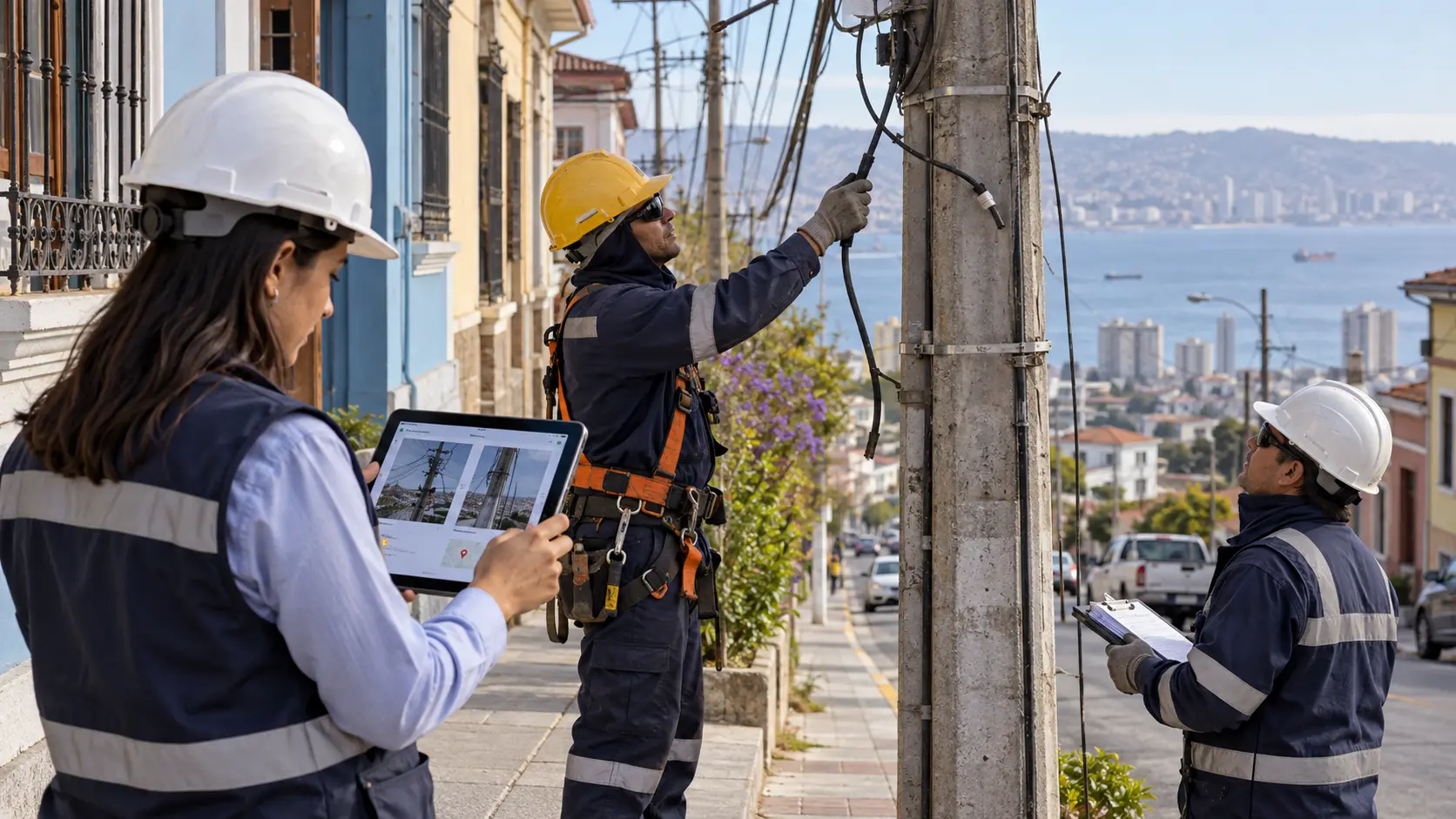
In Chile's cable clean-up, silence can sign off the work
A municipality has 30 days to answer a handover request before acceptance is presumed. That keeps the paperwork moving. It does not tell a resident what happened at the pole.

ICANN
The .org sale stopped at the operating contract
The proposed sale of the .org operator raised a question for everyone relying on its promises: who could make a new owner keep them? The answer led to a contract, not just a buyer.

Africa National Telecom Trends
Smile's old licences have a new buyer in mind. What about users?
Smile Telecoms SA says it has provided no commercial services since receiving its licences around 2009. A proposed transfer to Sporic Solutions puts a more useful question than customer handover on the table: can those rights become a service people can buy?

Latin America and Caribbean National Telecom Trends
ECTEL can change the spectrum bill. What about yours?
For an operator, cheaper access to airwaves could make a network investment more attractive. For a household, the question is simpler: will the connection work better, and will the bill hurt less?
North America Datacenter
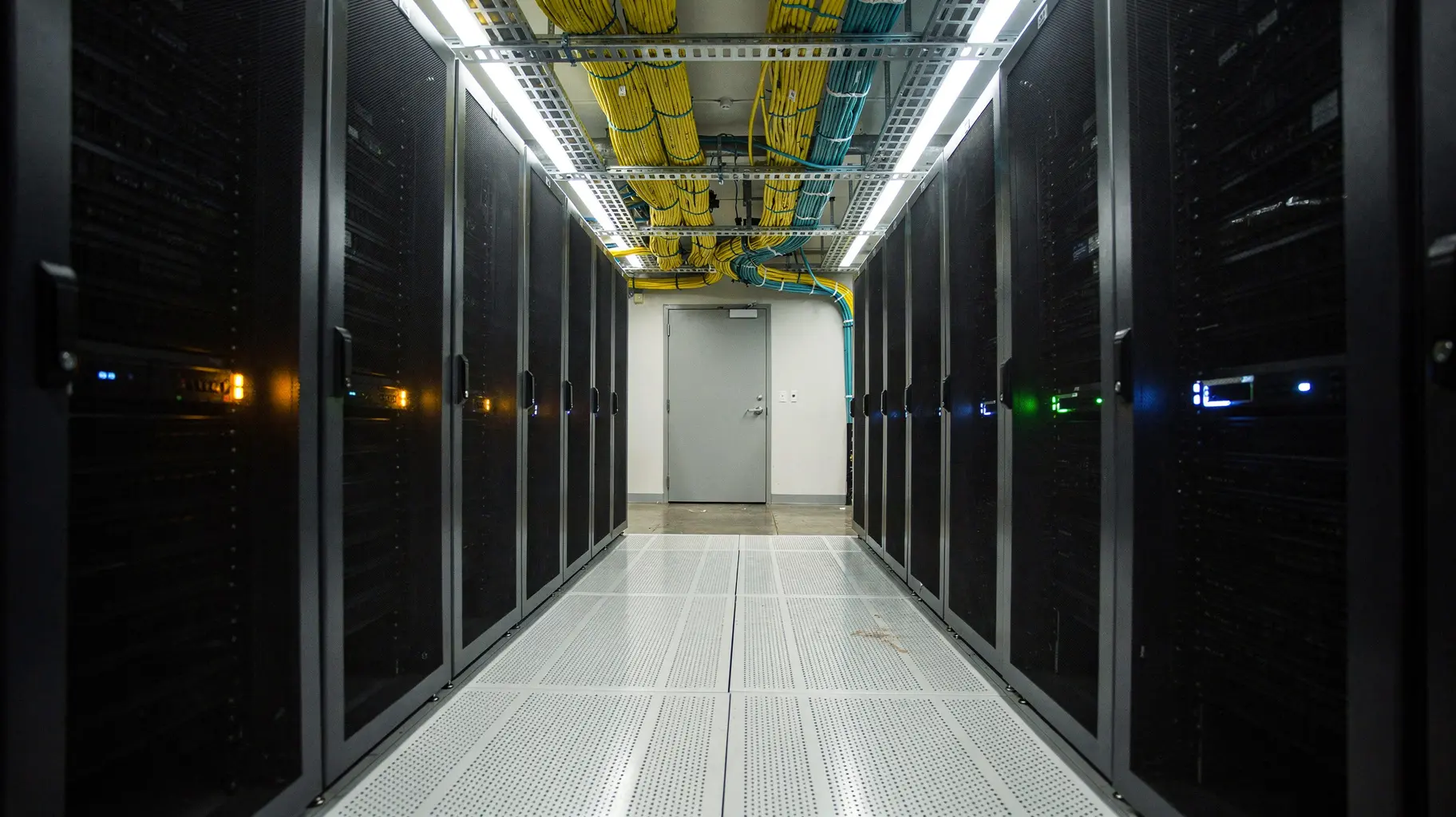
In Hawaii, the internet also needs a way to stay home
Undersea cables connect Hawaii to distant markets. HIX has a less spectacular job: helping nearby institutions reach one another without an unnecessary ocean crossing.

Creators
Archie made finding a file easier. Keeping it running was another job.
Alan Emtage's overnight shortcut became an early internet search service. Its commercial story is less mysterious than it sounds: the people searching and the people paying were not necessarily the same.

North America National Telecom Trends
Who pays when Ottawa orders telecom equipment out of a network?
An investment can lose its usefulness before the equipment wears out. Canada's new cyber law gives that risk a political dimension—and does not promise the operator a cheque.

Africa National Telecom Trends
A telecom tower's last day may not belong to its owner
Taking down a tower can save its owner money and leave another provider needing a replacement. Liberia's draft asks how to let an operator leave without treating a working connection as someone else's problem.

North America National Telecom Trends
Mexico’s industrial spectrum auction is really a market for capacity
Mexico is offering spectrum in 72 industrial regions, but the concession is for a provider to sell network capacity to productive users. That distinction makes the tender’s real test less about how many megahertz are offered than whether regional lots let independent providers…

Leaders
The title and the filing: what AIS Business does not record about Benny Lim
One readable page, four unreadable ones, and a job title that BTW's directory carries but no company document this check could open confirms. That is the whole of the public record behind a role that sounds considerably more consequential than anything the record supports.

Africa National Telecom Trends
NuRAN can erect a tower in days. Getting it there takes months
The company's African contracts run into the thousands. Its next expansion depends on the much smaller numbers that pay for equipment, power and time.

ICANN
For ICANN, stopping the abuse does not always close the case
A registrar may deal with one domain and still face months of scrutiny. ICANN's follow-up asks whether the process behind that response has improved.

Story
Why RIPE NCC's 15-month cushion needs more than a calculator
Its reserve covers 9.8 months of budgeted operating costs. Getting from that figure to a longer period without income depends on when fees arrive, what spending stops and assumptions that a balance sheet cannot settle.

Africa National Telecom Trends
Keeping your number should not mean chasing three companies
Mauritius wants mobile customers to take their number to a new network. Its proposed sole portability provider would make that choice possible; the difficult part is deciding who must put things right when the networks disagree.