Summary
- No10's November 2006 petition system allowed up to two emails to all the signers of a petition, making direct replies affordable at a new scale.
- Public rejection records exposed admission decisions, while the 2007 parliamentary report found that human moderation could delay publication.
A petition delivered to a famous front door makes an excellent photograph. Answering everyone whose name appears on it is less photogenic and considerably more expensive. When No10 put petitions online on 14 November 2006, the quieter innovation sat on the return journey: the government could write back to the people who had signed.
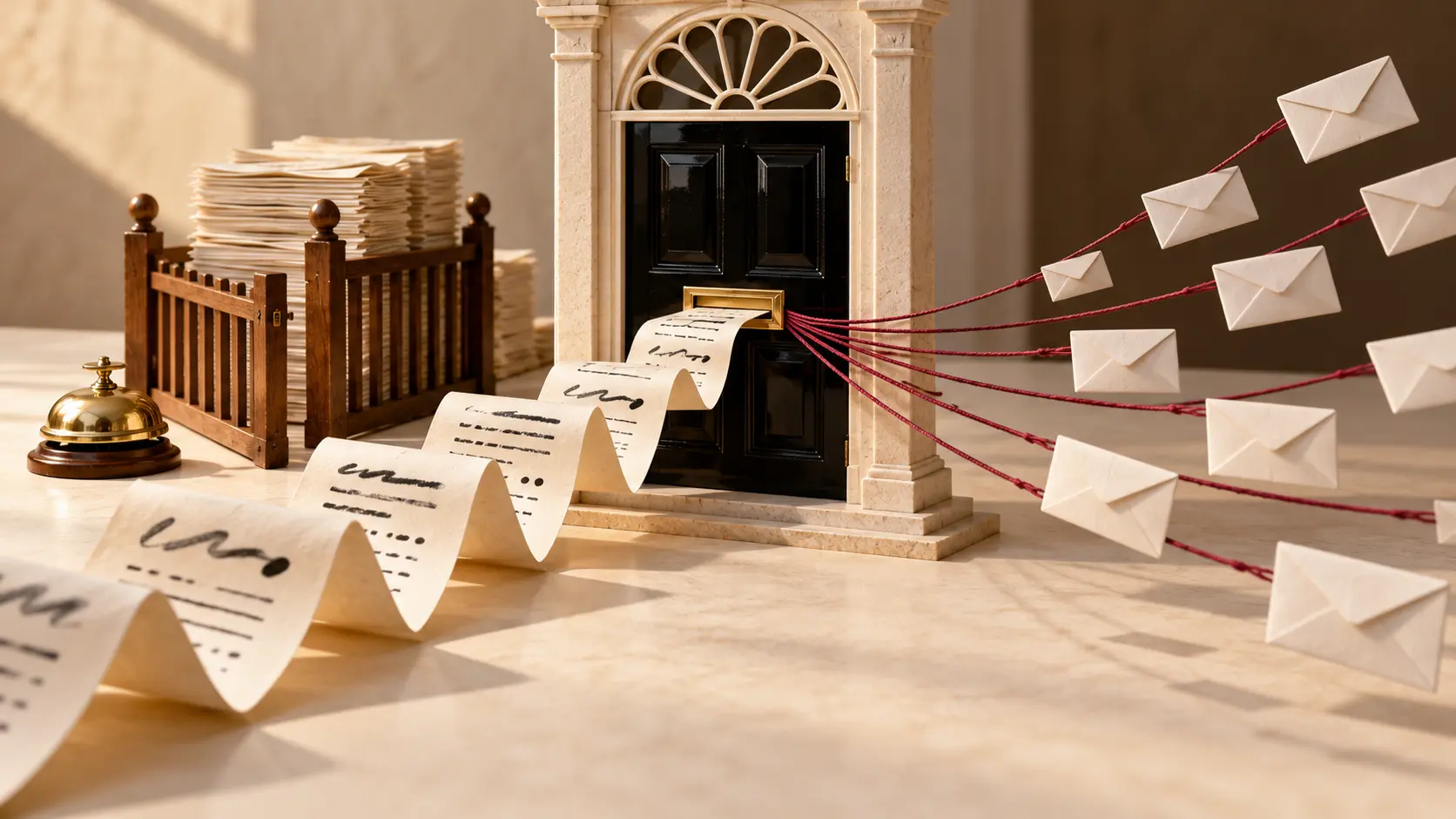
That was one of the original aims, according to mySociety's January 2007 evidence to the House of Commons Procedure Committee. The developer said the cost of postal mailshots had previously made direct replies rare. Its system allowed No10 to send a maximum of two emails to all the signers of a particular petition. An objection arrived with a usable route back to its supporters.
The crowd soon supplied a large example. A petition opposing vehicle tracking and road pricing closed on 20 February 2007 with 1,810,687 signatures, recorded in a footnote to the committee's report. The website had made the Prime Minister's own address a gathering place for opposition to a government proposal. The host had acquired both a very public complaint and a very substantial mailing audience.
The return channel was used. The Department for Transport Annual Report 2007, on printed page 73, records that the Prime Minister replied directly in February to almost 1.8 million people who had signed. It describes a response explaining the government's position and further work on local schemes. The signature total and the report's rounded account of recipients measure different parts of the exchange.
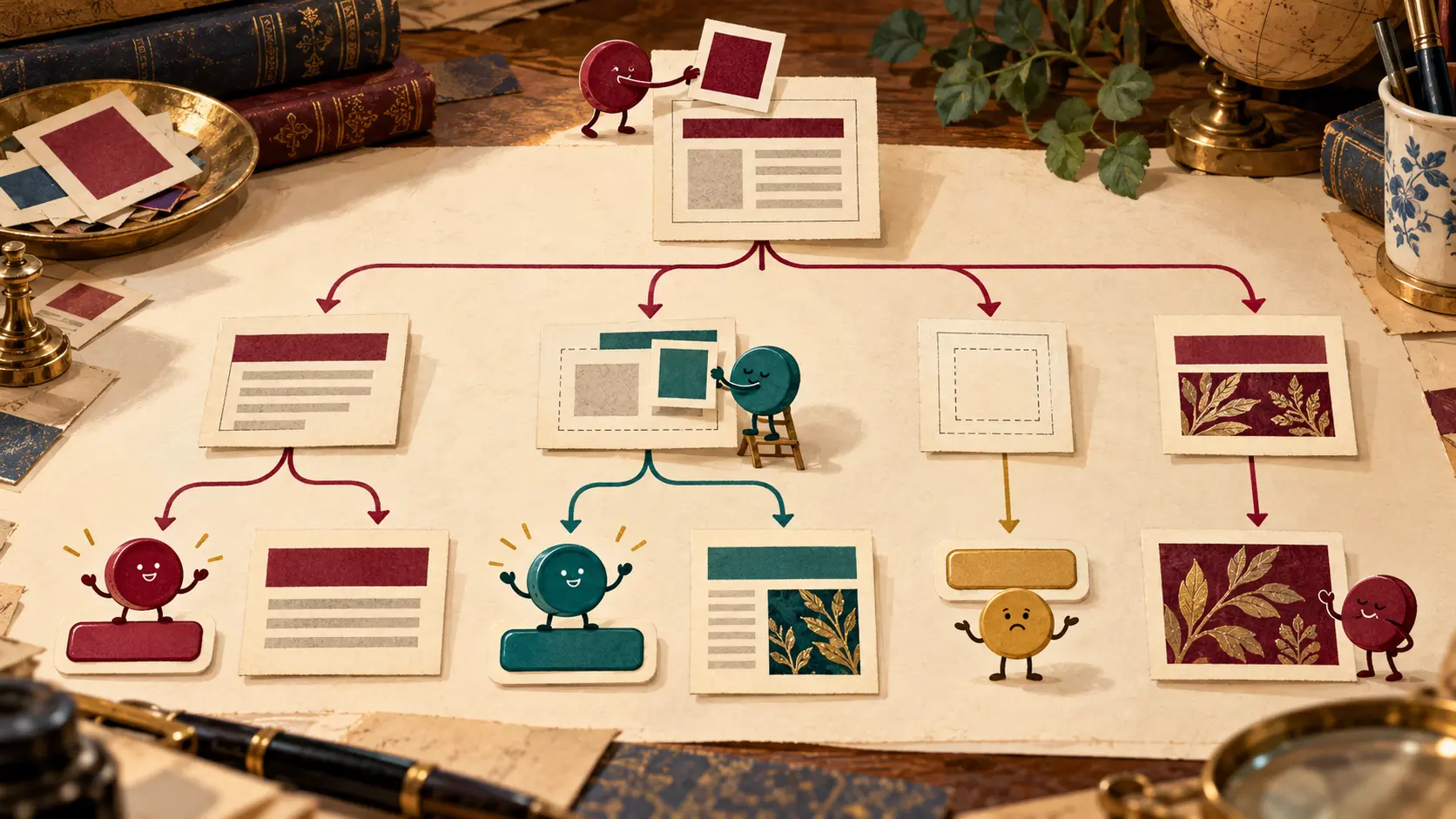
Before a petition could gather supporters, somebody had to let it through. The division of work was explicit in mySociety's evidence. The developer maintained the technology and handled technical support emails. No10 decided which petitions to accept or reject, which features to add and how to answer questions about publication. A person asking why a petition was still waiting needed the office responsible for admission.
mySociety had required one particularly useful feature before taking the job: rejected petitions had to appear on a public rejection page. No10 agreed. The refusal itself became something a user could find, and the developer recommended tying refusals to specific categories. The digital wastepaper basket had a window.
It also had a queue. The committee reported that demand exceeded expectations and strained the system. Moderating petitions was time-consuming and demanding, producing substantial waits between submission and appearance. The service had launched as a beta; rules, layout and structure changed as it operated. More people could reach the front door than the staff could immediately admit.
Users brought practical complaints of their own. mySociety recorded requests for easier searching and signing, fewer duplicate petitions and a way to register opposition to a petition. These were requests directed at the service. Each asked the people running it to shape how attention would collect.
Parliament also wanted to know where the reply went institutionally. The committee said that a Prime Minister announcing a policy change or new initiative in a petition response should also inform Parliament, for example through a written statement. Email had shortened the journey to the signers. The public record still needed its own delivery address.
Member Briefing
Deeper Profile Context
Sign in with the right membership level to unlock the full briefing and source notes.
Only for Strategic Circle
Strategic Circle
Open to all readers. Unlock profile briefings after joining and signing in.
Join Strategic CircleOnly for Leadership Alliance
Leadership Alliance
For qualified IP-asset owners and management; sign in to unlock alliance briefings.
Join Leadership Alliance