
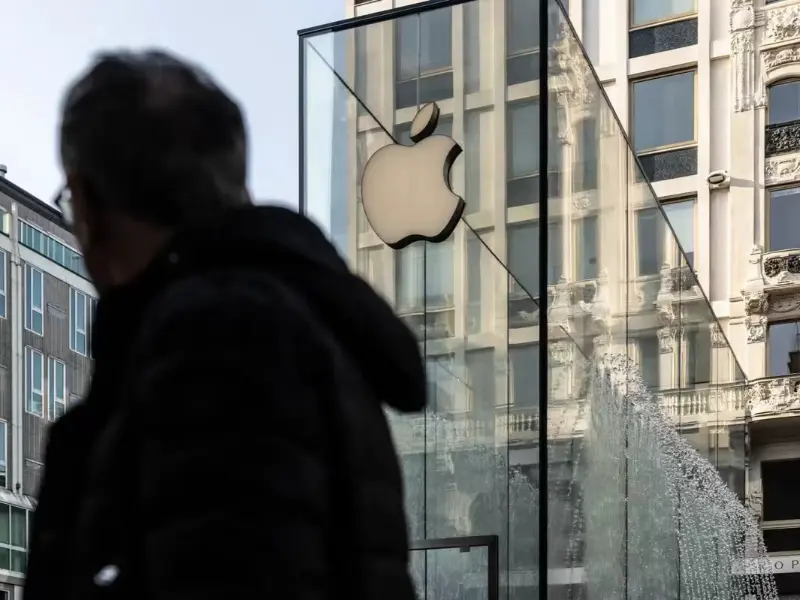
Apple loses bid to throw out UK lawsuit over App Store fees is a public record based on article evidence, entity context, event links, and relationship context.
A judge rejected Apple’s bid to dismiss a lawsuit worth nearly $1 billion, forcing the company to face allegations of unfair commission fees imposed on over 1,500 UK-based developers. Spearheaded by Sean Ennis, the lawsuit contends that Apple abused its dominant market position, seeking damages and highlighting regulatory scrutiny in the US and Europe over its fee structure. Despite Apple’s argument that UK developers must have been charged through the UK App Store to claim, the judge ruled in favor of the plaintiffs, setting the stage for further legal proceedings.
Apple ‘s attempt to dismiss a lawsuit valued at nearly $1 billion was denied on Friday by a judge, who ruled that it must confront accusations of imposing unfair commission fees on over 1,500 UK-based developers for app and content purchases. Spearheaded by Sean Ennis, a competition law professor and economist, the case was filed at London’s Competition Appeal Tribunal (CAT) last year, alleging that Apple imposed commissions of up to 30% unfairly. Also read: How did the internet start? Also read: Should dead children be given an AI ‘afterlife’?
Apple faces increasing regulatory scrutiny Ennis’ legal team argues that Apple abused its dominant market position in app distribution on iPhones and other devices, seeking damages. While Apple contends that 85% of developers on its App Store pay no commission, it faces increasing regulatory scrutiny in the US and Europe over its fee structure. The European Union’s new regulations require Apple to permit users to download apps from alternative sources, while in the US, changes were made to the App Store following a legal dispute with Epic Games, the developer of “ Fortnite “.
Apple’s lawyer, Daniel Piccinin, argued in January that UK developers cannot claim unless charged through the UK App Store, but Judge Andrew Lenon rejected this assertion, stating that Ennis’ legal team had a realistic chance of proving that Apple’s overcharging of UK-based developers on non-UK storefront transactions constituted actionable conduct in the UK. Apple is facing a separate case Additionally, Apple is facing a separate case involving allegedly defective iPhone batteries on behalf of approximately 24 million iPhone users, which was certified last year. Both cases are being contested by Apple, with trials not anticipated until 2025.
Member Briefing
Deeper Trend Context
Sign in with the right membership level to unlock the full briefing and source notes.
Only for Strategic Circle
Strategic Circle
Open to all readers. Unlock trend briefings after joining and signing in.
Join Strategic CircleOnly for Leadership Alliance
Leadership Alliance
For operators, investors, and policy teams that need relationship evidence, failure paths, and source notes. Sign in to unlock.
Join Leadership AllianceSnapshot
Category
Europe and Middle East Institutional TrendsApple loses bid to throw out UK lawsuit over App Store fees is covered for governance relevance.
Region
Europe & Middle EastSignal Focus
GovernanceContent Type
EventPrimary Domain
MarketTopic
GovernanceImpact
MediumConfidence
Good confidence (80%)Confidence score guide
Published reporting