

- Colocation is a service where businesses rent space in a data center for their servers and hardware.
- It offers enhanced reliability, scalability, and cost-efficiency for organizations looking to manage IT infrastructure effectively.
Businesses need robust and scalable IT infrastructure to support their operations. Colocation, also known as “colo,” provides a solution by allowing companies to rent space, power, cooling, and network connectivity in third-party data centers for their servers and hardware.
By using colocation services, organizations can focus on their core business activities while ensuring their IT infrastructure is secure, reliable, and optimized. This approach is especially beneficial for businesses that require flexibility and the ability to scale without investing heavily in building or maintaining their own data centers.
In an era where downtime can significantly impact revenue and reputation, colocation ensures businesses remain operational with minimal interruptions. The increasing digitization of industries has made it imperative for businesses to adopt solutions like colocation to manage their growing IT needs effectively. Colocation also provides businesses with peace of mind, knowing their critical infrastructure is housed in state-of-the-art facilities designed to withstand cyber and physical threats.
Also read: What is Retail Colocation? A guide to shared data services
How does colocation work?
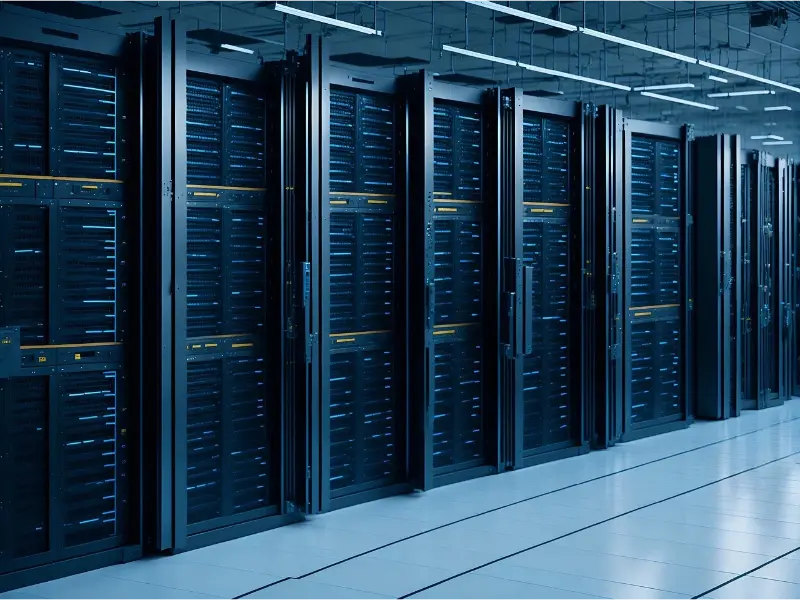
Colocation facilities, also called data centers, provide the physical space and environment needed to house servers and IT equipment. Businesses bring their hardware to the data center, while the colocation provider handles infrastructure needs such as:
- Power and cooling: Reliable energy supplies and temperature-controlled environments to ensure optimal performance.
- Network connectivity: Access to high-speed internet and redundant connections for continuous uptime.
- Physical security: 24/7 surveillance, biometric access controls, and fire suppression systems to safeguard hardware.
Once set up, businesses retain control over their equipment, managing and maintaining it remotely or on-site, while the data center ensures uninterrupted services.
Colocation facilities are designed to handle equipment of various sizes and capacities. Small businesses may rent rack space, while larger organizations may require entire cages or private suites. The flexibility of these options makes colocation suitable for organizations of all sizes.
These facilities are strategically located in areas with stable power grids and robust connectivity to provide optimal performance. Many colocation providers also offer remote hands services, allowing businesses to request physical tasks like server reboots or hardware upgrades without needing on-site personnel. Advanced monitoring tools are often provided by colocation centers, enabling businesses to track power usage, temperature, and other critical metrics in real-time.
Additionally, many colocation providers offer add-on services such as managed IT support, backup solutions, and disaster recovery to complement their core offerings. These services reduce the burden on in-house IT teams and provide peace of mind in the event of a system failure or cyberattack.
Also read: Insights into choosing the right colocation provider
Also read: What is server colocation and why is it important for businesses?
Benefits of colocation
1. Cost-effectiveness
Building and maintaining an in-house data center is expensive. Colocation offers a cost-efficient alternative, as businesses share resources like power, cooling, and security with other tenants. Instead of bearing the costs of maintaining HVAC systems or hiring security personnel, businesses can rely on colocation providers who specialize in these services. This shared resource model enables even small businesses to access enterprise-grade infrastructure at a fraction of the cost.
2. Scalability
Colocation services are designed to grow with your business. Whether you need additional space, bandwidth, or power, scaling is simple and efficient. As businesses grow, they can easily add more server racks or upgrade their bandwidth without relocating or overhauling their infrastructure. This flexibility allows organizations to respond quickly to changing market demands or unexpected surges in user activity.
3. Reliability and uptime
Colocation providers offer high levels of uptime, often exceeding 99.99%, thanks to redundant power supplies, advanced cooling systems, and reliable network connectivity. Colocation providers often have redundant systems in place, such as multiple power sources and backup generators, to ensure uninterrupted service. This high level of reliability is crucial for industries like finance and healthcare, where downtime can have serious consequences.
4. Enhanced security
Modern data centers are equipped with state-of-the-art physical and digital security measures, ensuring that client data is protected at all times.
A significant advantage of colocation is its ability to support hybrid IT environments. Businesses can seamlessly integrate colocation with public or private cloud solutions, creating a flexible infrastructure that meets diverse operational needs. Hybrid IT enables organizations to manage sensitive workloads on dedicated hardware while leveraging cloud services for scalability and cost savings.
In addition to physical security, many providers also implement advanced cybersecurity measures, such as firewalls and DDoS protection, to safeguard client data. Some colocation centers even offer compliance certifications for industries with strict regulatory requirements, further enhancing their appeal.
Quote:
Sarah Johnson, a data center consultant at GreenTech Solutions
Colocation services allow businesses to access enterprise-grade infrastructure without the upfront investment of building their own data centers.
Also read: What is colocation trading? Speed up the financial markets
Also read: Why choose a colocation data centre? Exploring the benefits
Colocation vs. Cloud hosting: Key differences
1. Ownership and control
- Colocation: Businesses own their hardware and have full control over its configuration.
- Cloud hosting: Hardware is managed and owned by the cloud provider, and users access resources virtually.
2. Cost structure
- Colocation: Fixed costs for space, power, and connectivity.
- Cloud hosting: Pay-as-you-go model, which can be costlier for high-performance needs.
3. Customization
- Colocation: Allows greater flexibility in hardware and software configurations.
- Cloud hosting: Limited customization options due to shared infrastructure.
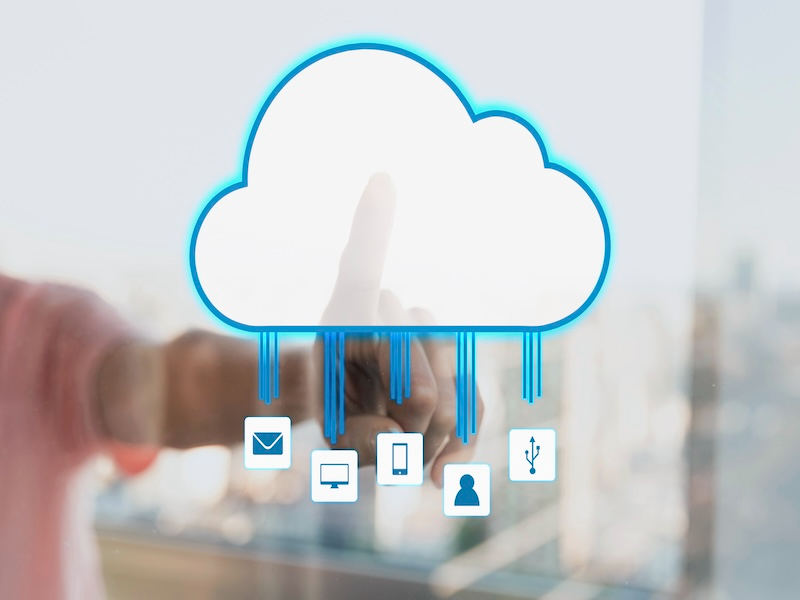
While cloud hosting offers convenience and scalability, colocation is often preferred by industries that require higher levels of compliance, performance, or control. For example, financial institutions and healthcare providers often choose colocation to meet strict regulatory requirements and ensure data sovereignty. While cloud hosting excels in flexibility and quick deployment, colocation offers unparalleled control over physical assets, making it ideal for businesses with specific hardware needs.
Hybrid setups, where businesses use both colocation and cloud hosting, are becoming increasingly common as organizations seek the best of both worlds. Unlike the cloud, colocation allows businesses to avoid vendor lock-in, offering greater freedom to switch providers or adjust configurations as needed.”
Also read: What are colocation services?
Industries that benefit from colocation
1. Financial services
Financial institutions use colocation to ensure low-latency connections for real-time trading and secure storage of sensitive data.
The speed and reliability offered by colocation are critical for high-frequency trading, where even a millisecond delay can result in significant losses. Financial institutions also benefit from the robust security measures provided by colocation facilities, ensuring sensitive client data remains protected.
2. Healthcare
Healthcare organizations leverage colocation for compliance with data protection regulations like HIPAA, ensuring patient data is secure.
With the rise of telemedicine, healthcare providers rely on colocation to support the secure and efficient exchange of patient data. Colocation facilities help healthcare organizations meet stringent data retention requirements while ensuring accessibility for authorized personnel.
3. E-commerce
Online retailers benefit from colocation’s reliability and scalability, which are essential for managing high traffic during peak seasons.
For e-commerce businesses, colocation ensures websites remain responsive and accessible during peak shopping seasons, such as Black Friday and Cyber Monday. The ability to scale quickly makes colocation an ideal choice for online retailers experiencing fluctuating traffic volumes.
4. Gaming
The gaming industry requires fast and stable connections, making colocation an ideal choice for hosting servers.
Another emerging use case for colocation is the Internet of Things (IoT). As IoT devices generate massive amounts of data, businesses rely on colocation facilities to process and store this data efficiently. Colocation data centers near IoT deployment areas reduce latency, enabling real-time decision-making and improved device performance.
For industries handling sensitive data or requiring low latency, colocation remains a reliable solution.
Mark Trent, CTO at BrightWave Technologies
Also read: Colocation facilities: The heart of efficient data centre operations
Challenges of colocation
- Initial hardware costs
Businesses must purchase and maintain their hardware, which can require significant upfront investment. - Dependency on the provider
Service disruptions at the colocation facility can impact business operations, making it crucial to choose a reliable provider. - Geographical limitations
Locating data centers close to the business’s operational base is essential to minimize latency. - Management responsibility
While the colocation provider handles infrastructure, businesses are responsible for managing and maintaining their equipment.
To mitigate potential challenges, businesses should conduct thorough due diligence when selecting a colocation provider. Key factors to consider include the provider’s uptime history, security certifications, and the scalability of their services. Building a strong partnership with a reliable provider can help businesses maximize the benefits of colocation while minimizing risks.
Businesses may also face logistical challenges, such as transporting hardware to the colocation facility, especially if it is located far from their operational base. Training in-house IT teams to manage colocated equipment remotely can be an additional hurdle for some organizations. To mitigate risks, businesses should consider signing Service Level Agreements (SLAs) with colocation providers to clearly define responsibilities and expectations.

Also read: Discovering colocation: The secure haven for your business data
Future trends in colocation
1. Green data centers
Sustainability is a growing focus. Providers are incorporating renewable energy and energy-efficient cooling systems to minimize environmental impact.
Many colocation providers are investing in renewable energy sources, such as wind and solar, to power their facilities sustainably. Energy-efficient cooling systems, like liquid cooling and free-air cooling, are becoming standard features in modern colocation centers.
2. Edge computing
Colocation providers are expanding their services to support edge computing, enabling faster data processing closer to the source.
By placing servers closer to end-users, edge computing reduces latency, making it ideal for applications like autonomous vehicles and smart cities. Colocation providers are strategically establishing edge data centers in urban and suburban areas to support this growing demand.
3. Hybrid IT solutions
The combination of colocation and cloud services is becoming increasingly popular, offering flexibility and performance optimization.
4. AI integration
Artificial intelligence is being used to optimize data center operations, such as predicting maintenance needs and managing power consumption.
As the demand for AI-driven applications grows, colocation providers are investing in high-performance computing (HPC) infrastructure. HPC solutions within colocation facilities cater to industries like research, financial modeling, and autonomous vehicles, where advanced computing power is essential.
AI-powered monitoring tools are enabling colocation providers to predict hardware failures before they occur, minimizing downtime for clients. These tools also help optimize energy usage, reducing operational costs and environmental impact for both providers and clients.
Colocation has emerged as a vital solution for businesses seeking to optimize their IT infrastructure. By offering cost-effective, scalable, and secure environments, colocation facilities allow organizations to focus on their core operations while ensuring high performance and reliability.
As industries evolve, colocation continues to adapt, integrating with modern technologies like edge computing, hybrid IT, and AI-driven solutions. By investing in colocation services, businesses can future-proof their IT operations and stay competitive in a rapidly changing digital landscape.
Colocation is a service where businesses rent space in a third-party data center to house their servers and IT equipment.
Colocation involves businesses owning their hardware, while cloud hosting provides virtualized resources managed by the provider.
Costs typically include renting space, power, cooling, and network connectivity. Businesses must also cover hardware costs.
Colocation allows businesses to easily scale their IT infrastructure by adding more space, power, or bandwidth as needed.
Yes, modern colocation facilities are equipped with advanced physical and digital security measures to protect client hardware and data.