
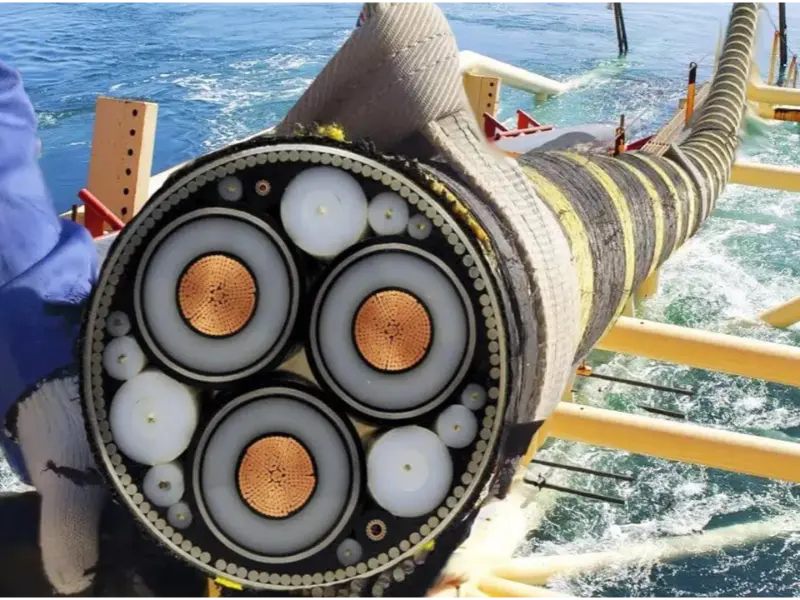
- Undersea cables are made of fibre optics, steel wires, insulation, and protective layers to endure the deep ocean environment.
- The outer layer of undersea cables shields them from environmental damage, while the core enables efficient data transmission.
Undersea cables, or submarine cables, are a critical part of global communication infrastructure. They are responsible for transmitting data across oceans, supporting internet connections, phone calls, and television broadcasts. These cables are designed to endure the harsh underwater environment, and their construction involves sophisticated materials and advanced engineering techniques. So, what exactly are undersea cables made of? Let’s dive into the different components that make these cables strong and reliable.
Also read: Is the internet connected by undersea cables?
Also read: Who owns undersea cables?
Core structure of undersea cables
The core of an undersea cable is the section that contains the most essential components for data transmission. The core typically consists of fibre optic strands, which are responsible for transmitting data across long distances. These fibre optic cables are made from either glass or plastic, with glass being the most commonly used material due to its superior data-carrying capacity.
Fibre optic strands are very thin, about the width of a human hair, and they are bundled together within the cable. These strands carry light signals, which are able to travel at high speeds and with very little signal loss over long distances. This makes fibre optics the preferred choice for undersea cables, as they allow the transmission of large amounts of data across the globe without major degradation.
Fibre optic strands
Fibre optic strands are at the heart of the undersea cable’s function. Each strand is made of ultra-pure glass or plastic that enables the efficient transmission of data through light signals. These fibres are designed to carry data over vast distances, making them ideal for use in undersea cables.
Glass fibres are favoured for their ability to transmit large volumes of data quickly and with minimal loss. This is especially important for long-distance communication, where maintaining signal integrity is critical. While plastic fibres are used in some applications, glass is the dominant material for high-performance undersea cables due to its ability to carry data at the speeds needed for modern global communication.
The structure of fibre optics allows the cables to support high-bandwidth transmission, enabling everything from video streaming to real-time communication. This ensures that undersea cables can support the growing demands of the digital age, where large amounts of data are transferred every second.
Strengthening layers
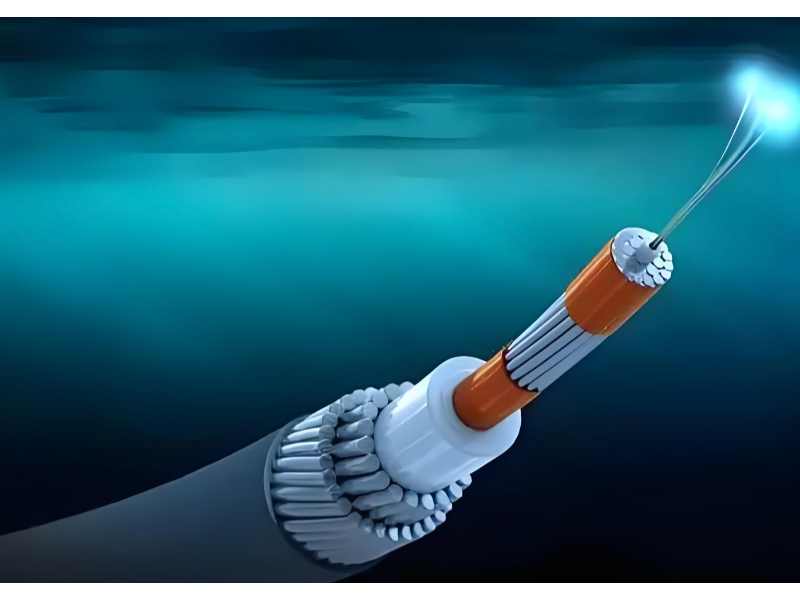
Undersea cables must be reinforced to withstand the immense pressure of the deep ocean and to prevent damage from external factors. For this purpose, cables are constructed with multiple layers of protective materials. The most common material used for reinforcing undersea cables is steel wire, due to its strength and durability.
Steel wires provide the necessary strength to protect the sensitive fibre optic strands from being crushed by the weight of the water or impacted by external forces like ships or fishing gear. The steel layers also protect the cables from physical wear, such as abrasion from contact with the ocean floor.
In some cases, synthetic materials such as Kevlar or aramid yarns are used as additional strengthening layers. These materials are known for their high tensile strength, which helps the cables resist breakage and maintain their structural integrity over time. By adding these reinforcement layers, undersea cables are made resilient enough to survive the harsh conditions of the ocean.
Insulating layers
To ensure the safe and effective transmission of data, undersea cables are designed with insulating layers that prevent electrical interference and short circuits. These layers are typically made from durable materials such as polyethylene, which is known for its ability to provide a strong barrier against external electrical interference.
The insulating layers also help protect the fibre optic strands from the harsh ocean environment. These layers prevent water from penetrating the cable and potentially damaging the internal fibres. Since the ocean water is salty and can cause corrosion over time, it is essential to have high-quality insulation to preserve the longevity and functionality of the cables.
The insulation is designed to keep the signals stable and ensure that they can travel long distances without degradation. This makes the insulating materials one of the most important elements of undersea cable construction.
Also read: Damaged Internet subsea cables are being repaired in Red Sea
Also read: Taiwan reports China-linked ship damaged key submarine cable
Protective outer layer
The outermost layer of an undersea cable is its primary protection against the ocean environment. This layer is typically made from polyethylene or similar materials that are resistant to water, abrasion, and other environmental hazards. The outer layer prevents external elements such as rocks, sharp entities, and fishing nets from damaging the cable and compromising its functionality.
The outer layer is designed to withstand significant physical stress, including abrasion from the ocean floor and damage from natural events like storms. In addition to physical protection, this layer also helps prevent marine life from attacking the cables. Some marine species have been known to cause damage to the cables, so the outer coating is designed to make the cable less vulnerable to such attacks.
In deep ocean areas, the outer layer helps protect the cable from external elements while it is laid across the seabed. The polyethylene coating also serves as an additional barrier against moisture, ensuring that the fibre optic strands inside remain safe and dry over the long term.
Cable burial and protection techniques
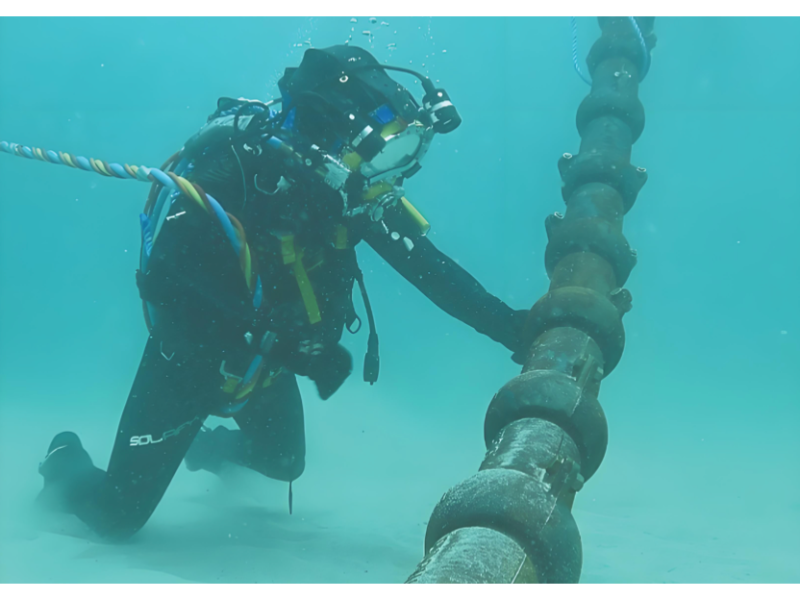
To offer additional protection, some undersea cables are buried beneath the ocean floor. Cable burial is typically used in areas with high traffic or where the risk of external damage is high. By burying the cables, they are less exposed to potential physical damage, such as damage from ships’ anchors or fishing gear.
Specialised equipment, including remotely operated vehicles (ROVs) and cable-laying ships, is used to bury the cables beneath the seabed. These machines dig trenches on the ocean floor and place the cables inside, ensuring that they are adequately protected from external threats.
In areas with strong ocean currents, cables may also be laid on the seafloor, relying on their durable outer layer to shield them from damage. Whether buried or laid exposed, undersea cables are designed to withstand environmental challenges.
Environmental considerations in cable materials
As the need for undersea cables grows, so does the importance of considering the environmental impact of their materials. Manufacturers of undersea cables are increasingly focused on creating sustainable cables that are eco-friendly and less damaging to the environment.
Biodegradable coatings are being developed to reduce the impact of old cables when they are decommissioned. This is especially important in areas where cables are retired and no longer in use. Recycling and responsible disposal of old cables are essential to reducing waste and preserving marine ecosystems.
Moreover, advancements in sustainable materials are helping to make the production of undersea cables more eco-conscious. As technology continues to advance, the materials used in cable construction will evolve, helping to balance performance with sustainability.
The importance of undersea cables
Undersea cables are a cornerstone of modern communication. They connect continents, enabling everything from business transactions to streaming services. Without these cables, communication would rely heavily on satellite systems, which are much slower, less reliable, and more expensive.
These cables are crucial for the global economy, allowing data to be transmitted quickly and reliably between countries. They are responsible for a wide range of essential services, from cloud storage to international phone calls. The role of undersea cables in our interconnected world cannot be overstated.