
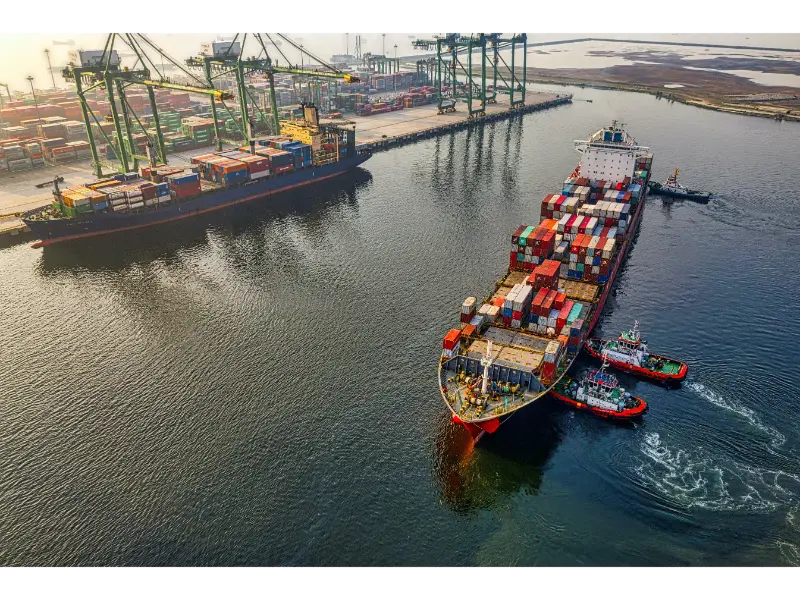
- Investigators suspect a Chinese commercial ship deliberately dragged its anchor to damage undersea internet cables in the Baltic Sea. The ship, transporting Russian fertiliser, may have acted under Russian intelligence orders, although the Chinese government is not implicated.
- The incident highlights growing concerns about the vulnerability of critical infrastructure, as NATO officials face jurisdictional challenges in accessing the ship and crew.
What happened
A Chinese commercial ship, Yi Peng 3, is under scrutiny for allegedly cutting two undersea data cables in the Baltic Sea. Investigators believe the ship intentionally dragged its anchor, causing extensive damage to internet links between Sweden, Lithuania, Finland, and Germany. The ship was transporting Russian fertiliser from Russia at the time, sparking speculation that the incident was orchestrated by Russian intelligence.
Also read: Will Trump and Musk carve a new path for U.S. IT infrastructure?
Also read: Tech Mahindra and AWS join forces to bring AI to telecom networks
While investigators have ruled out direct involvement by the Chinese government, the incident adds to a series of suspected attacks on European critical infrastructure. Germany and Sweden are leading the investigation, deploying drones to assess damage on the seabed. However, progress is slow, as NATO states lack legal authority to force the ship into their ports. Diplomats are now negotiating with the ship’s owner for access to the vessel and its crew.
This is not an isolated case. Since Russia’s invasion of Ukraine, European officials have frequently pointed to the Kremlin as a potential culprit behind similar disruptions, though direct accusations remain rare due to the difficulty of proving sabotage and fears of escalating tensions.
Why this is important
Undersea cables form the backbone of global internet connectivity, transmitting data that fuels economies and connects societies. Damage to these systems can have widespread consequences, from regional communication blackouts to economic disruptions.
The incident also underscores the vulnerabilities of critical infrastructure in an increasingly tense geopolitical landscape. Accusations involving Russian intelligence suggest a potential pattern of targeting Europe’s digital and physical networks. While NATO nations have bolstered surveillance, the complex legal and jurisdictional challenges of such investigations hinder swift responses to potential sabotage.
This situation also highlights the delicate balance European states must maintain in their relationships with China and Russia. While investigators have avoided implicating Beijing, the ship’s role raises concerns about how global shipping routes and commercial vessels can be used to serve state interests in covert operations.
As technology and geopolitics become more intertwined, safeguarding undersea cables and other infrastructure must remain a priority for Europe and its allies. Any further attacks could strain diplomatic relations and amplify existing tensions between Russia, China, and the West.