Summary
- Tripod already gave members a working tool for making free personal homepages in 1998. The pages were built and maintained on Tripod's site, where members could attach them to interest-based community pods.
- Lycos's acquisition also included a different bet: an advanced Home Page Building product designed for licensing to other companies. At the purchase date, it had no completed prototype and had not entered beta testing.
- The filings place free hosting inside an advertising-led network while keeping Tripod-specific ad returns and the advanced builder's eventual outside customers out of sight.
The free room had a landlord
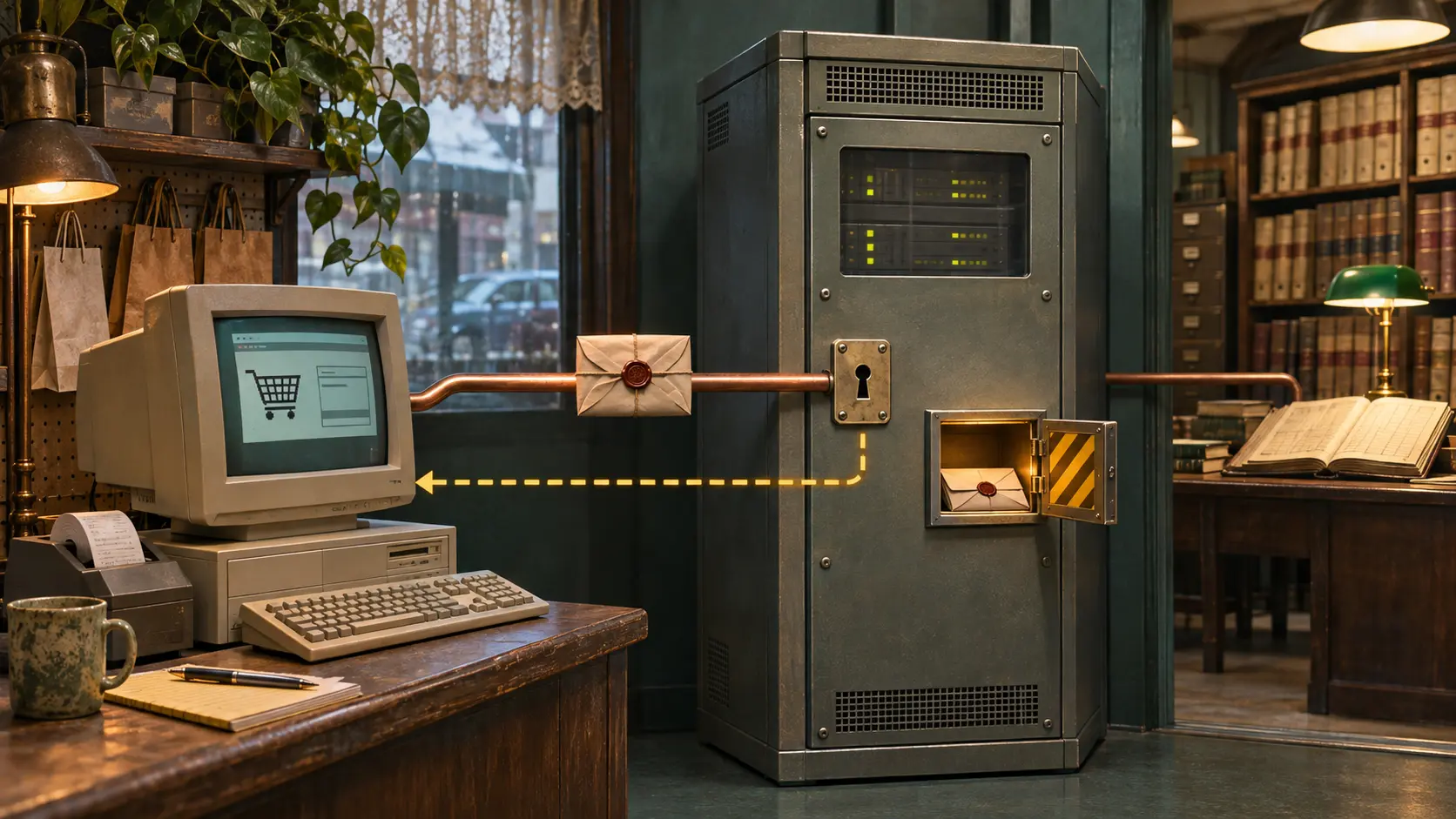
A member could make a Tripod homepage without buying a server or learning HTML. That was the consumer offer Lycos acquired in February 1998. The page might feel personal; its builder, storage and delivery were operated by somebody else. Tripod maintained the pages on its own site and placed them inside a set of interest-based community areas. The arrangement put a great deal of expressive space in users' hands and the machinery of publishing in the host's.
Lycos's 1998 annual filing with the SEC describes an existing proprietary Homepage Builder, free personal pages and more than 140 Tripod community pods. Members linked their pages to pods that combined user work with material from Tripod's editorial staff. The company had a working publishing service, a way to organise its output and a reason for members to come back to the same address. The filing says Tripod derived revenue mainly from advertising, sponsorships and electronic commerce.
This is where the word free did its commercial work. Lycos could give away the disk space and building tools while selling access to the audience that those pages and communities gathered. Its filing describes banner advertisements, sponsorships and several kinds of ad contracts across the Lycos network. It also describes reports to advertisers counting impressions and clicks. Those are Lycos network practices; the filing does not give a separate ledger showing the ads on every Tripod member page or the return from each page. The sound conclusion is that free personal publishing sat inside a host whose principal business was selling attention, not that each author's page earned a fixed advertising sum.
Lycos bought an operating service in a stock-for-stock transaction. The 1998 filing values the purchase at approximately $61.5 million. A 1999 annual filing later reports approximately $61.4 million in total consideration. The small difference is between two company filings at different times, not a license to substitute a more memorable acquisition headline. What matters to this history is the split between what Tripod was already selling as a service and what Lycos hoped to package next.
A second builder was still on the bench
The 1999 filing makes that split unusually explicit. Tripod and another Lycos service supplied free disk space and online tools; a simple personal page could be created in minutes. A user without programming skills could add images, sound, video and a guestbook. That was the live consumer product described to investors.
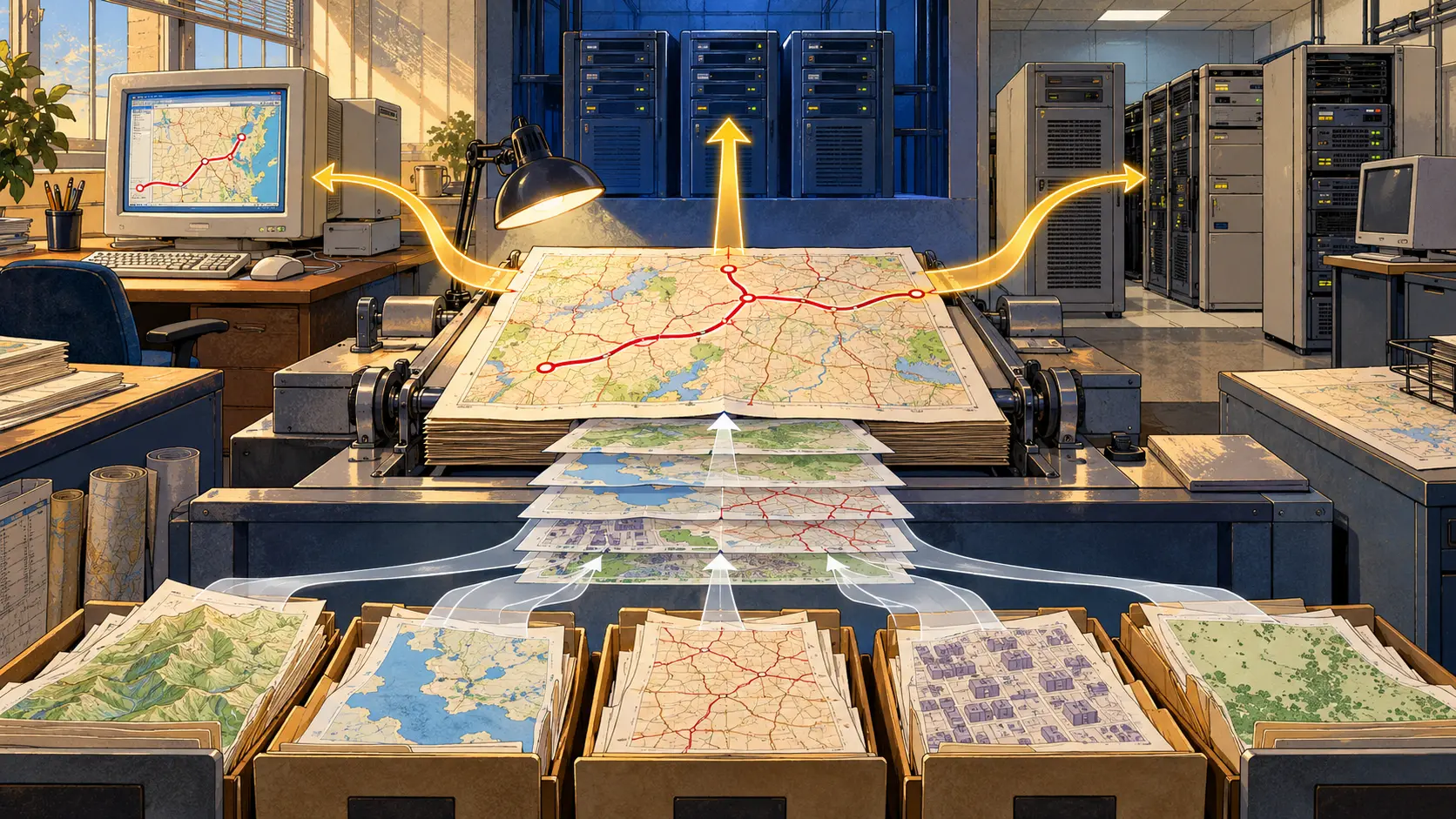
Separately, the filing identifies an advanced Home Page Building system under development when Lycos acquired Tripod. Its goal was a licensable community-building product for other companies, with software to build and manage their own sites. It was designed to go beyond simple pages: templates and plug-ins would let a user add interactive elements without changing the core builder. That was a proposed product architecture, not a list of features that every 1998 Tripod member could already use.
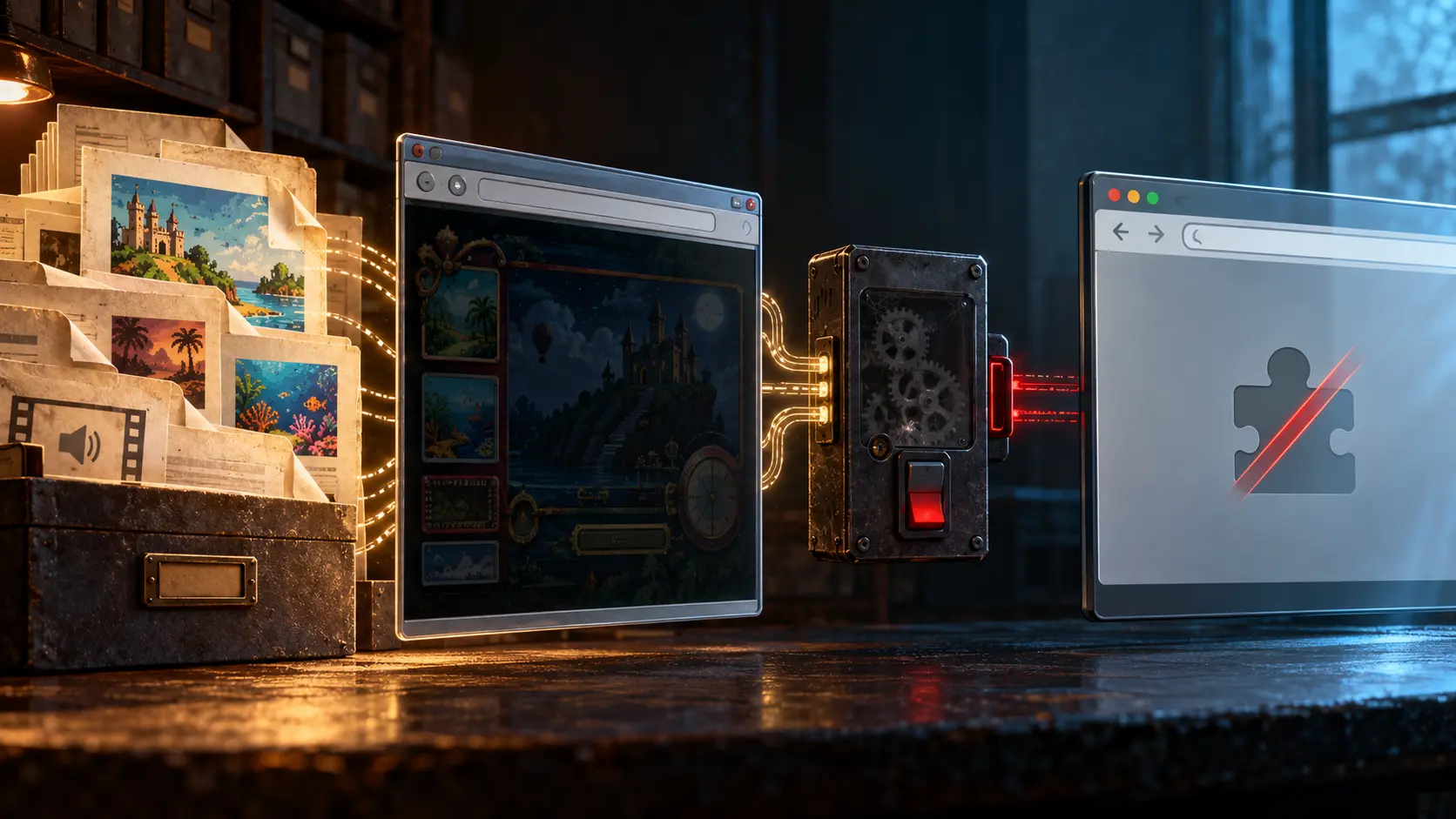
At the acquisition date, Lycos said the new system was about 67% complete. It had not reached a completed prototype, and beta testing had not begun. The missing work was concrete: integration of components into a functioning online system, an application programming interface and a user interface that worked in production. About 24 person-months of work had been invested. An additional 12 person-months were needed to complete the project in September 1998, later than an original May estimate. The filing attributes the delay to unexpected technical difficulty in packaging and integrating the product.
That makes the acquisition more interesting than a purchase of a fashionable website. Lycos already had Tripod's pages, members, editorial pods and an ad-supported host. It also acquired the possibility of selling the underlying building machinery to other hosts. One side was visible in the browser; the other still had to survive engineering and a market test. Accounting for an unfinished product in the deal did not make its future license revenue a fact.
The 1999 filing says Lycos sold advertising through run-of-site or run-of-network deals in which it chose the precise placement, along with keyword and targeted offers. That discretion belonged to the network operator. A member could choose a topic and publish a page, but did not control Lycos's ad contract or the software roadmap for the builder. The company also controlled the community organisation that made user pages discoverable inside Tripod. This was a bargain: low-cost entry to the Web for the author, an expandable hosted audience and software asset for the company.
The record does not identify a dated outside license contract for the advanced builder or Tripod-only returns from member-page advertising. Either would clarify how the two commercial bets paid off. The filings already establish the structure at the moment Lycos acquired Tripod: free pages were running, and the new licensable builder was not yet in beta. The user saw a homepage; Lycos saw a hosted network and an unfinished product line.
Sources
- Lycos FY1998 Form 10-K, SEC original filing: Tripod's working free pages, community pods, revenue model and acquisition.
- Lycos FY1999 Form 10-K, SEC original filing: consumer tools, network advertising contracts and the advanced builder's development status.
Member Briefing
Deeper Profile Context
Sign in with the right membership level to unlock the full briefing and source notes.
Only for Strategic Circle
Strategic Circle
Open to all readers. Unlock profile briefings after joining and signing in.
Join Strategic CircleOnly for Leadership Alliance
Leadership Alliance
For qualified IP-asset owners and management; sign in to unlock alliance briefings.
Join Leadership Alliance