Summary
- The four published transfer logs record 90,504,704 IPv4 addresses moving to 3,547 distinct recipients in 2026: the largest takes 13.9 percent, the top three 31.1 percent, the top ten 49.5 percent and the top hundred 81.3 percent.
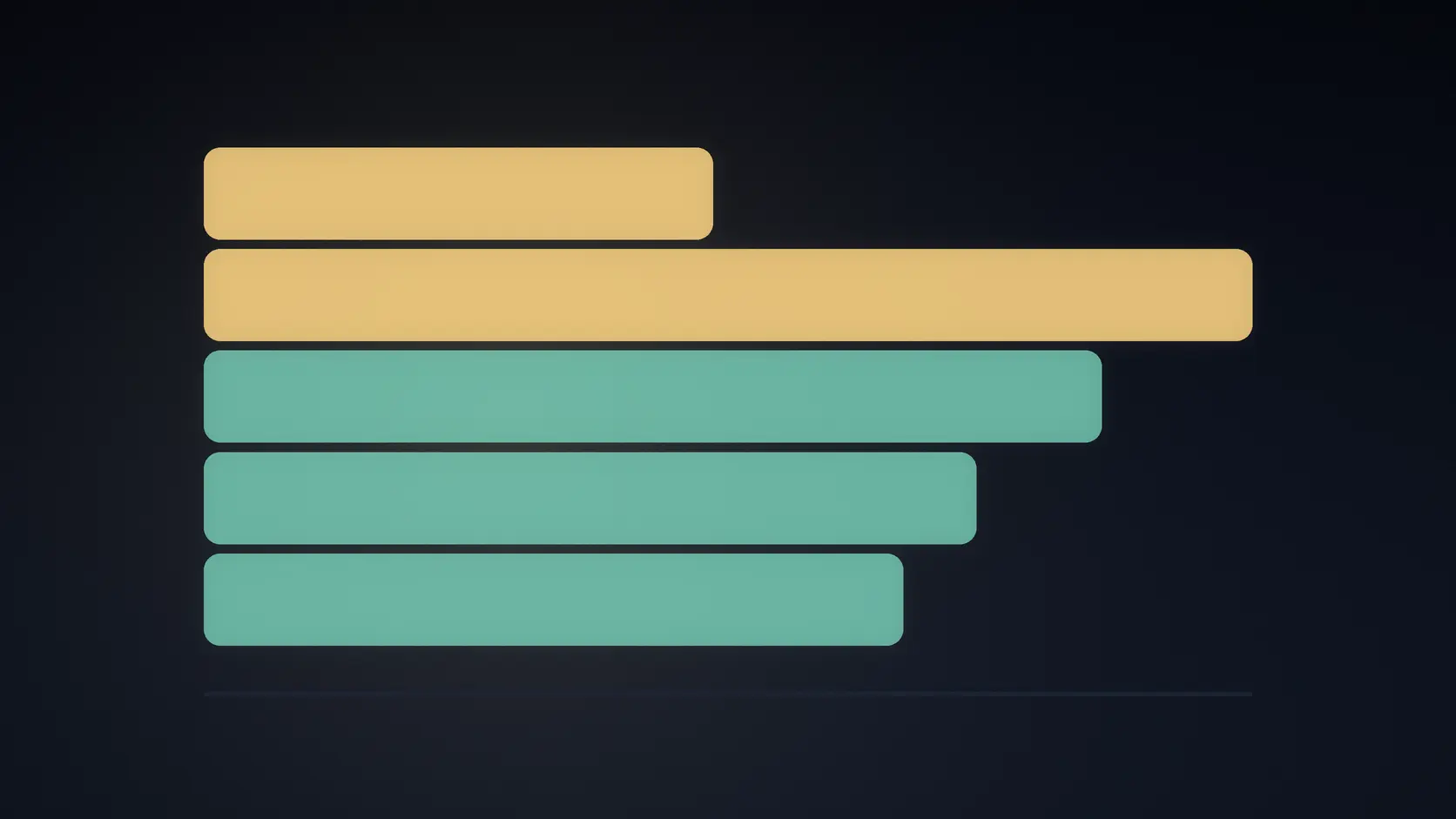
- At ARIN three buyers take 49.0 percent of the region's transferred addresses — Verizon Business 24.0, Amazon.com 19.0 and CoreWeave 6.0 — while APNIC's three largest recipients are two national registries and a carrier, and AFRINIC's whole book has six recipients.
How concentrated the demand is
| Concentration | Share of addresses |
|---|---|
| Largest recipient | 13.9 percent |
| Top 3 | 31.1 percent |
| Top 5 | 38.4 percent |
| Top 10 | 49.5 percent |
| Top 20 | 59.9 percent |
| Top 50 | 72.7 percent |
| Top 100 | 81.3 percent |
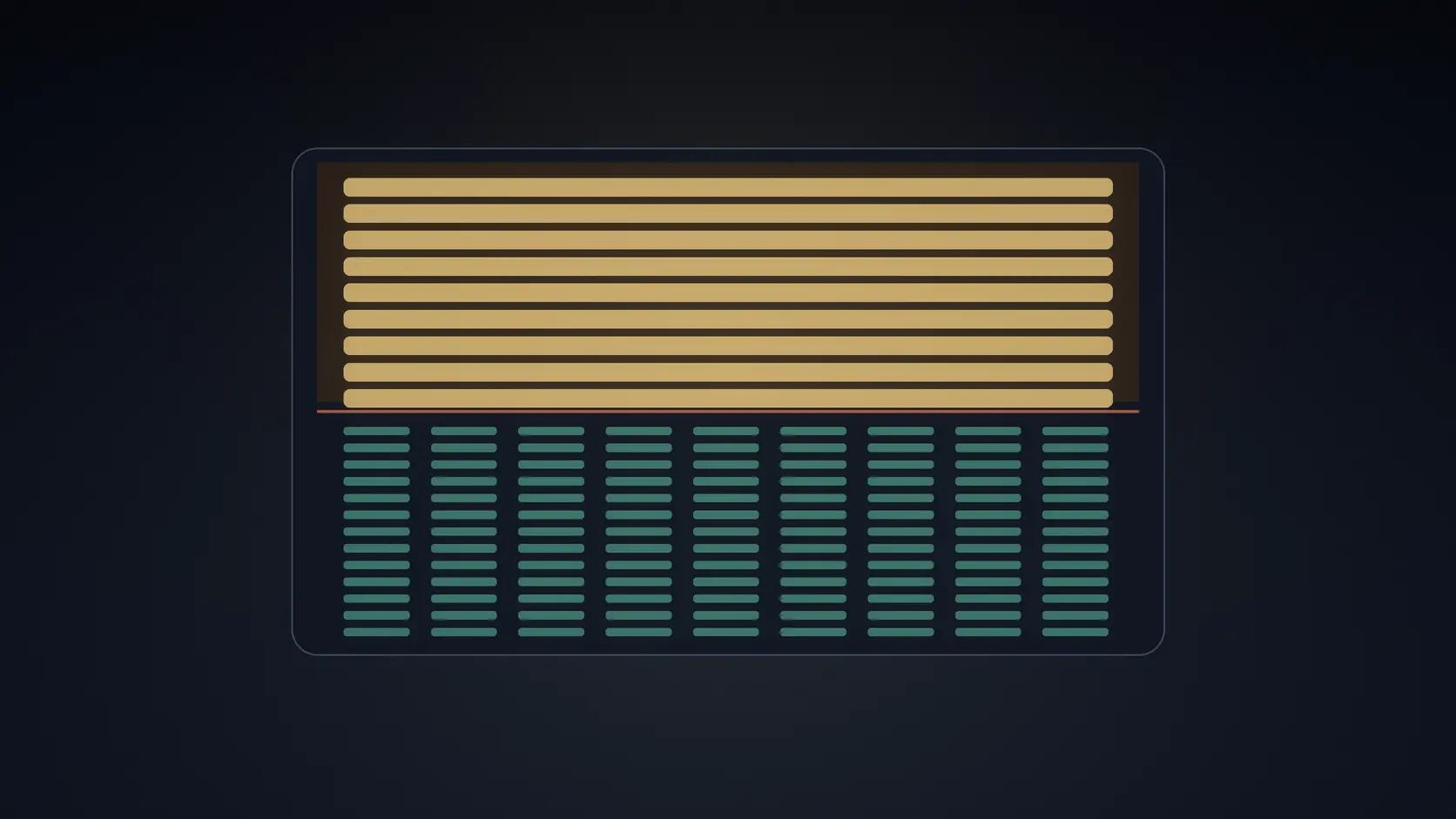
A market where ten desks absorb half the volume is not a market where price is discovered by many buyers. It is a market where ten procurement departments set the price and 3,537 sellers take it. That has consequences for anyone modelling the market as a broad exchange between thousands of equals.
The buyers have names
Verizon Business took 12,571,648 addresses in 128 records, and the Frontier Communications merger blocks and the Southern New England Telephone block are inside that number. Amazon.com took 9,954,816 in 27 records, including the T-Mobile USA blocks of 11 February. CoreWeave took 3,145,728 in two records, the Prudential block of 17 June. Fastweb took 5,604,352 in 26 records, including Vodafone Italia's blocks of 29 January. Vodafone Libertel took 3,514,368 in 75 records.
Cloud providers, carriers and content networks: the buyers are the ones building capacity, not the ones sitting on space. The seller list is the opposite — insurers, phone incumbents and companies that registered addresses in 1986.
Why APNIC's list looks different
APNIC's three largest recipients are Taiwan Network Information Center, PCCW Global and Japan Network Information Center, and each took its addresses in a single record. Those are not end users in the usual sense: national registries and carriers redistribute space downstream, so an APNIC "buyer" can be a wholesale step rather than a network.
AFRINIC's book makes the scale difference plain: six recipients in total, the largest three taking 16,384, 16,384 and 12,288 addresses. Any concentration ratio computed on six records is a curiosity, not a market structure.
What would change the reading
Normalised group names. Subsidiaries appear separately, so the real share of a Verizon or an Amazon group is higher than a single name shows; a group-level count would move the top-ten figure from half toward two thirds.
The other missing piece is the price each buyer paid. With ten buyers and no published prices, the market's discovery mechanism is ten negotiations, and the residual price for the other 3,537 recipients is inferred from deals nobody can see.
Sources
Member Briefing
Read the full trend briefing
Members read the full briefing with the source notes behind every finding.
Strategic Circle
A daily briefing in your language, built from changes we have verified.
Join for USD 20/monthCancel anytime.
Members also get the full research library, a daily briefing on the networks they follow and the private forum.