Summary
- Every ARIN record dated 2026 carries
source_registration_date, and 1,435 of the 3,727 rows moved space registered before 2000, carrying 20,615,680 of 52,449,536 addresses — 39.3 percent of the year's tonnage; the median registration year is 2003 by record and 2008 by address. - The oldest block sold in 2026 was registered on 18 September 1986 and moved from Raytheon Company to RTX Corporation, a company renaming itself, while the newest was registered on 13 November 2026 and moved inside one organisation.
What the age field shows
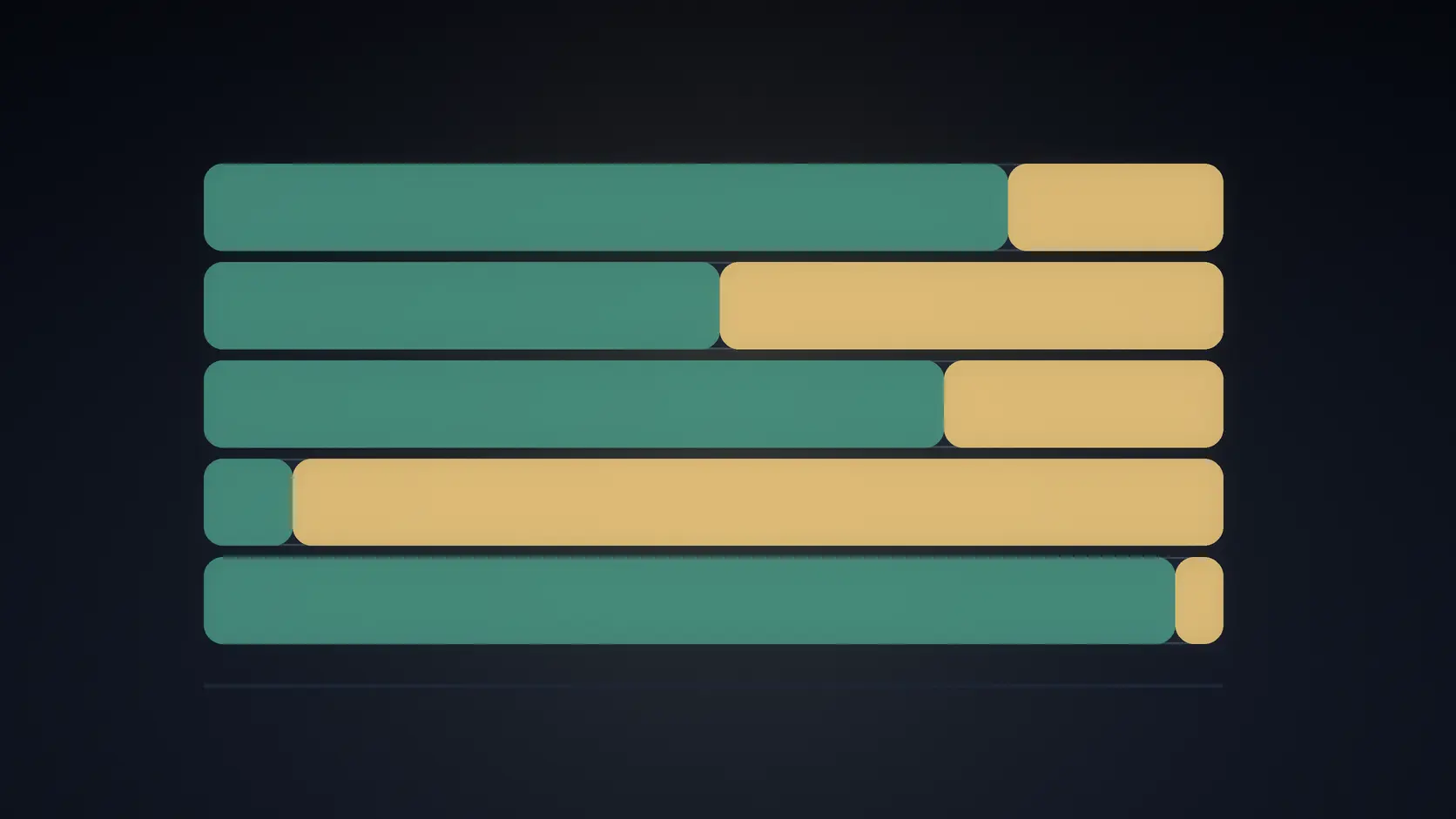
| Source registration | Records | IPv4 addresses | Share of addresses |
|---|---|---|---|
| before 1990 | 164 | 3,542,272 | 6.8 percent |
| 1990 to 1999 | 1,271 | 17,073,408 | 32.6 percent |
| 2000 to 2009 | 827 | 13,309,952 | 25.4 percent |
| 2010 to 2019 | 723 | 10,164,992 | 19.4 percent |
| 2020 to 2026 | 742 | 8,358,912 | 15.9 percent |
Four decades of registration dates appear in one year of trading, and the oldest decades carry the most addresses per record. Pre-2000 rows average 14,366 addresses each; 2020s rows average 11,265. The scarce space is not being recycled from recent allocations; it is being sold by the organisations that received it when addresses were free.
The 1986 block that changed its own name
The oldest registration in the 2026 book is 18 September 1986, and the transfer runs from Raytheon Company to RTX Corporation — one company under two names, moving 65,536 addresses. The second oldest, 8 September 1987, runs from CommScope Technologies to ARRIS Technology, and the third, 3 November 1987, from Solar Energy Research Institute to National Laboratory of the Rockies. Those three are corporate successions, not price discoveries.
At the other end, 13 November 2026, the newest registration in the book moves from Western Reserve Communications to Western Reserve Communications, 1,024 addresses inside one name. The 2026 end of the distribution is internal housekeeping; the 1986 end is the market.
Why the age distribution matters more than the total
A register that sells 39 percent of its annual tonnage from pre-2000 registrations is liquidating a stock, not recycling a flow. That stock has an end: the holders who still have 1990s blocks are a fixed list, and each year's sales shorten it. It also explains the shape of the book without appealing to demand — the 2026 volume halved against 2025 partly because the mega-deals of 2025 came from exactly this vintage and there are only so many of them.
The age field also makes a forecast possible that a volume series cannot. If pre-2000 rows keep falling as a share of addresses while total volume holds, the market has moved on to 2000s and 2010s space and the legacy conversion is finishing. If the pre-2000 share holds near 40 percent and volume falls, the sellers are running out.
What is missing
The other three registries' logs in this read carry no registration date, so the age of the market is measurable in one region only. RIPE NCC, APNIC and AFRINIC publish the same format minus the field; adding it would show whether Europe is also selling its 1990s or whether its book is newer.
A single number would also settle the ambiguity in the field's meaning: how many of those 1986-to-1995 dates are legacy network records rather than registration agreements. Until a registry states it, "registered in 1986" means the date ARIN prints, which is the only date anyone has.
Sources
Member Briefing
Read the full trend briefing
Members read the full briefing with the source notes behind every finding.
Strategic Circle
A daily briefing in your language, built from changes we have verified.
Join for USD 20/monthCancel anytime.
Members also get the full research library, a daily briefing on the networks they follow and the private forum.