Summary
- Stavros Konstantaras and coauthors published RFC 10063 in November 2026. NRTMv4 distributes Internet Routing Registry records through a signed Update Notification File, a complete snapshot and ordered delta files over HTTPS.
- The signed pointer carries the source, session identifier, overall version and SHA-256 hashes of files that are not individually signed. A client still validates the exact bytes, contiguity and its own last applied version.
- The RFC requires an individual delta to be applied completely or not at all. It permits processing only a valid contiguous prefix, recommends a snapshot when required deltas remain unavailable, and tells the client to stop and alert an operator when the snapshot also fails.
A pointer is not a copy
Routing Registry records shape route filters and operator policy. A stale local mirror can ask modern equipment to trust a withdrawn route or reject a valid one. NRTMv4 replaces part of the old query-and-sequence ritual with immutable HTTPS objects. The design is stronger, but it moves the evidence boundary rather than abolishing it.
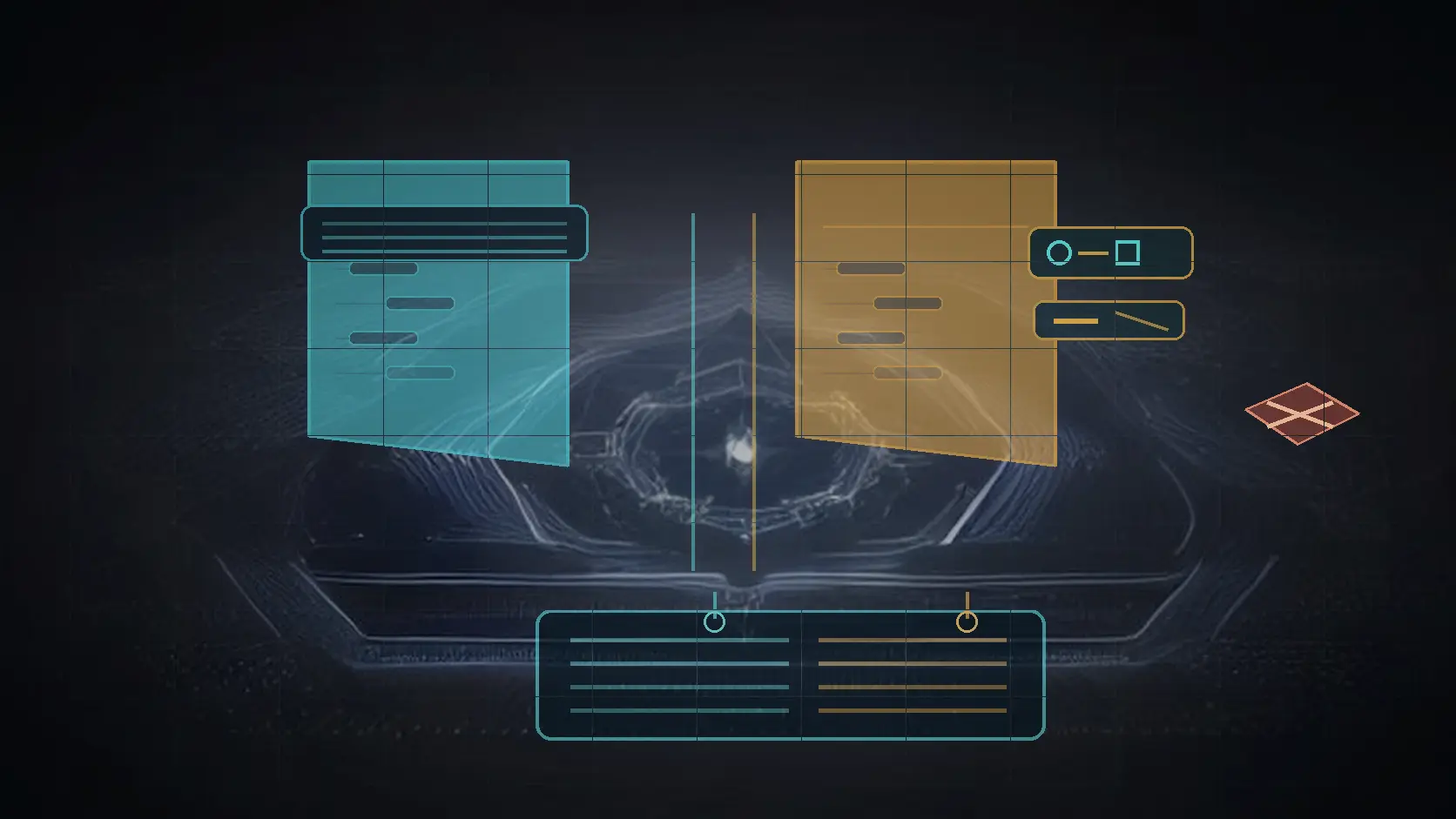
The Update Notification File is a JWS Compact Serialization. Its JSON payload names the IRR source, a UUIDv4 session_id, an unsigned positive version, one snapshot and a contiguous set of deltas. Each referenced object carries a version, relative URL and SHA-256 hash. RFC 7515 supplies the signature envelope. RFC 7517 supplies the key representation used for rotation. RFC 7464 gives the snapshot and delta format its JSON text sequence framing.
That architecture yields a clean chain: a configured public key authenticates the notification; the notification authenticates the hashes; the hashes authenticate the compressed snapshot and delta bytes. The chain is precise. It still says nothing about a particular mirror’s database until the mirror records that it verified a file and committed every change in it.
The version counter has a body count
NRTMv4 versions are not decorative sequence numbers. A client compares the notification with the version it previously loaded. It must reject a lower notification, require contiguous deltas and refuse a later notification that changes the hash of an earlier file/version.
The atomicity rule is the useful adult supervision in the specification: every change inside one delta is applied completely or none of it is. A crash halfway through a file cannot leave the mirror with half a route change while its version counter advances. Clients may process a contiguous prefix when a later delta fails. They must never skip the failed version and consume a newer one.
This creates a state model with more than “online” and “offline.” A mirror may have a valid last-known-good state, a verified but unapplied next delta, a rejected file and a stale signing index. A dashboard that collapses those into one green light is a rumour generator.
Recovery is a declared path
Transient HTTP or network failures deserve bounded exponential backoff. When required deltas remain unavailable after retries, the client should reinitialize from the referenced snapshot to avoid stale data. A snapshot may lag the newest delta because the server keeps publishing changes while creating it; the client loads that complete state, then catches up through later deltas.
If the snapshot itself is unavailable or rejected after retries, the protocol reaches a hard stop. The RFC says there is no further fallback once snapshot recovery has failed. The safe response is to alert the operator and retain an identifiable state while refusing to pretend the mirror caught up.
Two clocks also need separate owners. The notification must be refreshed at least every 24 hours. Older than 24 hours is stale, which should produce a warning; the client may continue to process a valid file. HTTP caches should hold the notification for no more than one minute, while immutable snapshot and delta URLs can be cached. Servers should leave unreferenced files available for at least five minutes so a client does not lose a race between reading the index and fetching its contents.
Key rotation is a handoff, not a magic trick
The optional next_signing_key lets the server publish a future public key inside the current signed notification. The RFC allows up to 24 hours for that notice to propagate. Clients store the future key and accept a defined overlap, shifting which key is configured over time. Operationally, the key identifier, first seen time, last accepted time and overlap state belong beside the mirror version.
An intermediate IRR mirror has another trap. It must use its own session identifier when acting as a server and must not republish the original files as if they were its own. The client and server processes have separate identities because filtering or transformation changes the evidence.
Keep the receipt the protocol cannot invent
RFC 10063 defines files and validation. A deployment still needs a local application receipt. Record the configured source and key, notification version and timestamp, session ID, verified snapshot/delta versions, each file hash and the transaction result. Then record the first and last successfully committed delta, any rejected version, retry count and whether the mirror continued on a stale-but-valid notification or stopped for snapshot recovery.
That receipt is how an operator distinguishes “the server published version 800” from “this mirror loaded version 800.” It also makes the last-known-good point explicit without turning it into a licence to run stale data indefinitely. When fresh data matters, the recovery clock and operator alert matter with it.
Konstantaras and his coauthors made the pointer auditable. The mirror still has to make its own memory auditable. The signature can say what should happen next; the committed state proves what did.
Sources: RFC 10063; RFC 9110; RFC 7515; RFC 7517; RFC 7464; RFC 2622; Stavros Konstantaras IETF profile.
Member Briefing
Read the full trend briefing
Members read the full briefing with the source notes behind every finding.
Strategic Circle
A daily briefing in your language, built from changes we have verified.
Join for USD 20/monthCancel anytime.
Members also get the full research library, a daily briefing on the networks they follow and the private forum.