
- BMW, Skylo and Viasat lead satellite-based hazard alert demonstrations in Paris
- Real-time network switching tested for voice and assistant services in moving vehicles
What happened: Live trials show satellite-5G integration for cars
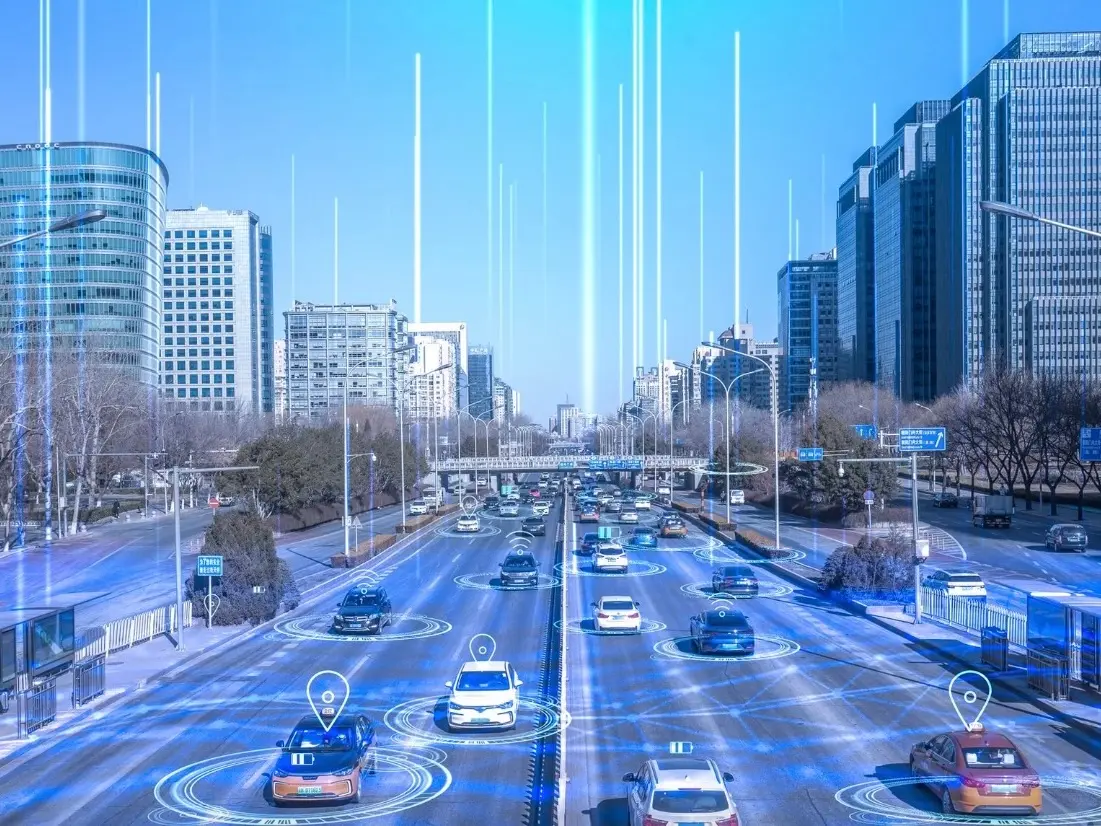
The 5G Automotive Association (5GAA) hosted a series of live vehicle demonstrations this week in Paris, showcasing how non-terrestrial networks (NTNs)—including satellites—can support connected cars. These trials involved vehicles driving on public roads in the French capital and using both satellite and terrestrial 5G technologies to maintain continuous connectivity. The demonstrations focused on use cases such as hazard warnings, emergency messaging and voice assistance.
One key trial featured a BMW Group vehicle that sent emergency alerts using satellite connectivity. The vehicle used services from Skylo, Viasat and Deutsche Telekom to transmit data in scenarios where 4G or 5G networks would not be available. This test highlighted how satellite coverage could provide vital communication channels for road safety during outages or in rural and remote areas.
Another demonstration showed how a vehicle could switch seamlessly between satellite and ground-based networks while moving through Paris streets. The switching process allowed onboard systems to continue offering services like digital voice assistants and infotainment without interruptions. This trial involved a collaboration between Skylo, Viasat, LG, Anritsu and Cubic³, proving that such integration is not only possible but operational in today’s urban environments.
Also read: Why is 5G needed for autonomous vehicles?
Also read: Industry leaders form 5G OT alliance to transform networks
Why it is important
Reliable connectivity is critical for the future of intelligent transport systems. Vehicles increasingly rely on real-time data for navigation, collision warnings and automated features. However, mobile network blackspots—particularly in rural regions or after natural disasters—can interrupt these services. Satellite technology presents a viable solution by filling the gaps where cellular networks fail.
5GAA’s Paris trials showed how connected cars can benefit from NTNs to ensure round-the-clock connectivity. By merging satellite and terrestrial networks, manufacturers and service providers can deliver safer, more dependable mobility experiences across more locations. These capabilities are especially vital for next-generation vehicle-to-everything (V2X) communication systems.
According to the 5GAA 2030 Roadmap, commercial rollout of satellite vehicle connectivity is expected by 2027, starting with IoT-based services under 3GPP Release 17. As coverage needs grow and autonomous driving advances, satellite integration could be key to unlocking always-connected transport worldwide.