Summary
- Pakistan's telecom regulator reported a fault in SEA-ME-WE 5 on 18 November 2026 and announced full restoration on 28 November 2026 — a ten-day interval dated at both ends by press release and measured at neither.
- Transworld Associates and the international SMW5 Consortium coordinated the repair, and PTA says temporary rerouting over alternative international links minimised disruption.
- Neither the capacity SMW5 actually carried for Pakistani operators nor the load the surviving systems ran at has been published, so "restored" is a status word rather than a measurement.
What was announced
On 18 November, PTA warned of possible intermittent connectivity and degraded service quality, and said the cause and the restoration timeline were still under investigation (The Express Tribune). On 28 November it confirmed the cable was fully operational, with services back at normal operating capacity (Radio Pakistan, Business Recorder, Dunya News). The announcement is PTA's own post (PTA); the coordination is credited to Transworld Associates and the SMW5 Consortium (The Express Tribune).
Missing from all of it: which segment failed, why, when the splice was actually finished as opposed to announced, and how much capacity went with it. The last omission is the expensive one.
A country's connectivity is a small integer
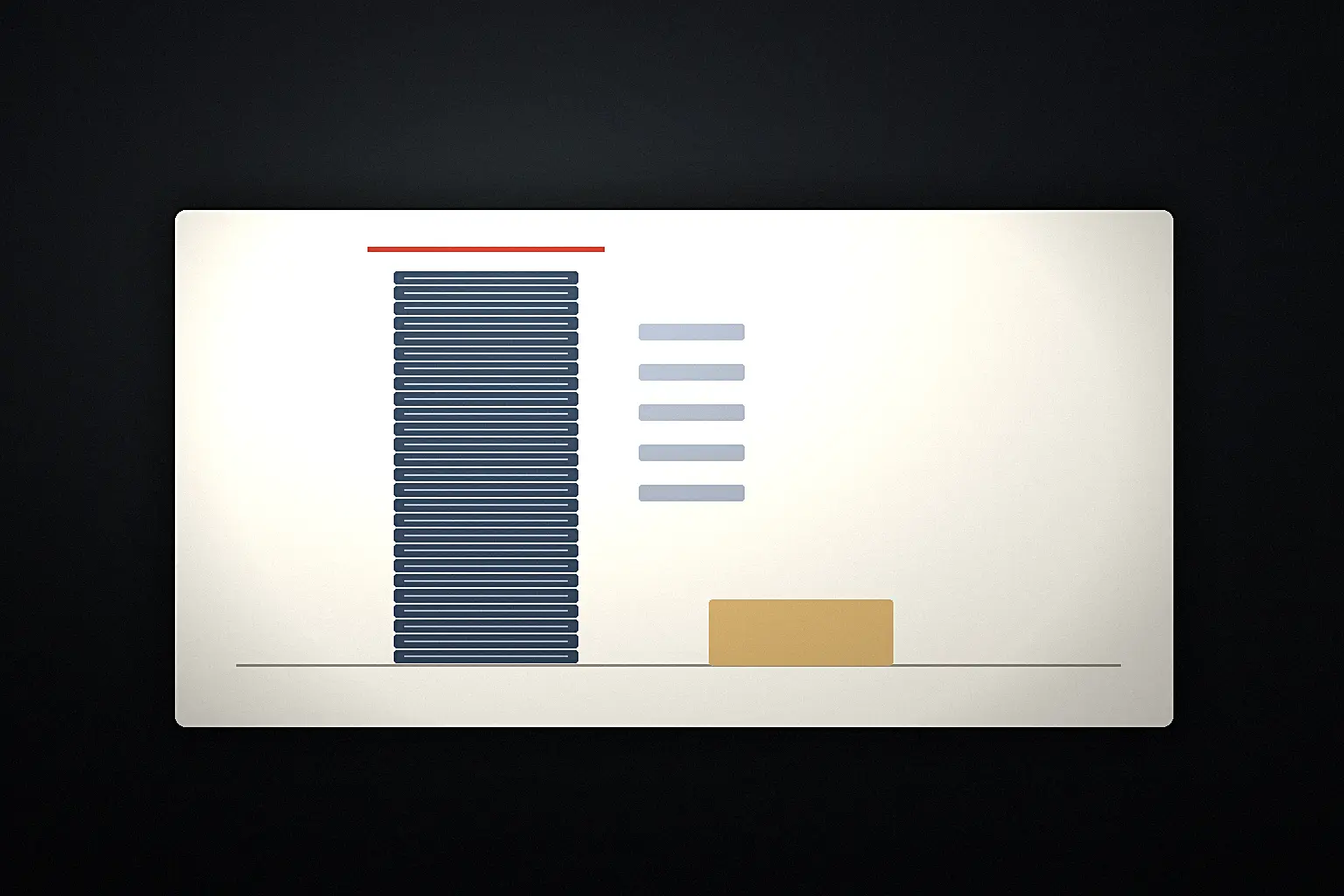
Pakistan's international capacity arrives across a short list of consortium systems landing at Karachi and Port Qasim — SEA-ME-WE 3, SEA-ME-WE 4, SEA-ME-WE 5, IMEWE, AAE-1, Transworld Associates' TW1 and the newer PEACE system. Seven names. Subtract one and you have not lost a rounding error; you have lost a share the other six must cover.
That share is computable, which is why it is embarrassing that nobody computed it. If SMW5 carried one-sixth of Pakistan's lit international capacity, the survivors ran at 1.20 times their normal load. If it carried a quarter, 1.33. If a third, 1.50. Those three figures are our arithmetic, not PTA's measurement, and the spread between them is the spread between a customer who notices nothing and a customer who notices everything: at half again its engineered load, a transit route announces itself as latency, as jitter, as the call that dies at nine in the evening.
Which of the three was true depends on a single unpublished figure — the lit capacity of SMW5 actually available to Pakistani operators on 18 November. Design capacity is a brochure number. Lit capacity is an operating fact. The gap between the two is the difference between what the glass can carry and what the country bought.
Ten days is not a scandal. The missing baseline is.
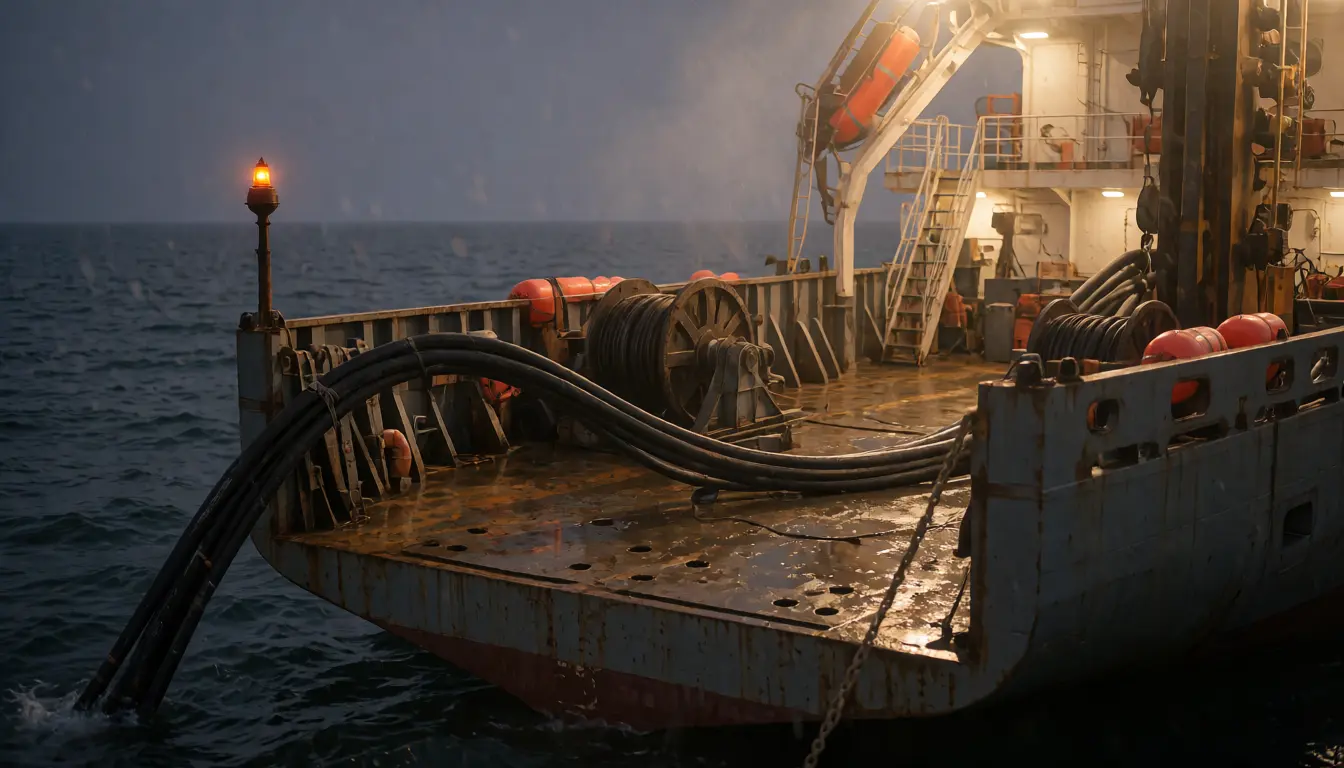
240 hours is an unremarkable repair interval for wet plant. A fault eleven kilometres offshore sits in shallow water, and vessel mobilisation dominates the schedule. Nothing here suggests negligence, and the regulator never claimed otherwise.
The interesting part is not the repair. It is what the network did while the ship was sailing. "Temporary rerouting minimised disruption" is a claim about the surviving systems. A claim about the surviving systems is a claim about capacity. A claim about capacity can be stated as a number. A regulator that can say services are normal can say services ran at 1.33 times engineered load for ten days. Only the first sentence is uncheckable.
The party that announces the ending
There is a structure under the press release. The party that announces the ending is rarely the party that measured the loss. The consortium holds the maintenance agreement. The landing licensee holds the capacity data. The regulator holds the media centre. The seabed has no spokesperson at all. Executable power sits on the seabed, where the cable either carries the light or it does not. Symbolic legitimacy arrives by email.
So read "restored" as a status word. It tells you a state changed. It does not tell you the size of the state, and it will not until somebody publishes a table.
Three numbers would settle it, cheapest first. Publish per-cable lit capacity for the operators who buy it — the single unprinted operand. Publish the contention the surviving systems carried, and for how long. Publish the pre-fault baseline against which "normal" was judged. None of this needs a working group or a consultation. It needs a table.
A country whose international connectivity is a small integer of cables is one maintenance window away from issuing the same sentence again. Ten days is survivable. The habit of announcing it is not.
Member Briefing
Read the full trend briefing
Members read the full briefing with the source notes behind every finding.
Strategic Circle
A daily briefing in your language, built from changes we have verified.
Join for USD 20/monthCancel anytime.
Members also get the full research library, a daily briefing on the networks they follow and the private forum.